Shih Tzu Costs in the First Year Against the Eighth
Many prospective Shih Tzu parents are drawn to these adorable "lion dogs" because of their small size, thinking that a smaller dog automatically means smaller bills. While it's true they might eat less than a Great Dane, the reality is that the financial commitment of owning a Shih Tzu, particularly across its lifespan, can surprise you. This guide is here to walk you through the distinct cost differences you'll encounter in your Shih Tzu's first year compared to its later years, helping you prepare for a lifetime of love and financial responsibility.
Initial Outlay: The First-Year Sticker Shock
Bringing a new Shih Tzu puppy home is an incredibly exciting time, but it's often accompanied by a significant initial financial investment. This first year is typically one of the most expensive due to upfront purchase costs, necessary vet visits, and all the gear you need to get started. It's a flurry of activity and expenses that sets the stage for their entire life with you.
Puppy Purchase and Initial Vet Care
First and foremost, there's the cost of the puppy itself. If you're going through a reputable breeder, you can expect Shih Tzu Puppy Prices Between $1,000 and $2,500, or even higher depending on the breeder's reputation, the puppy's lineage, and health clearances of the parents. This isn't just a price tag; it reflects the breeder's investment in health testing, proper nutrition for the mother, and early socialization for the puppies. An ethical breeder will have already performed initial checks, maybe even microchipping and the first round of vaccinations, but a lot more is still required.
Once your little fluffball is home, the veterinary bills start rolling in. Puppies need a series of vaccinations to protect them from common and dangerous diseases. This usually involves several visits spaced a few weeks apart, plus deworming treatments, and a general wellness check to ensure they're thriving. Then there's microchipping, which is a one-time cost but essential for identification if your pup ever gets lost. Some owners also opt for spaying or neutering within the first year, which is a significant surgical expense, often requiring pre-anesthetic blood work and pain management. It's truly a lot to take in during those first few months.
Setting Up Supplies and Grooming Needs
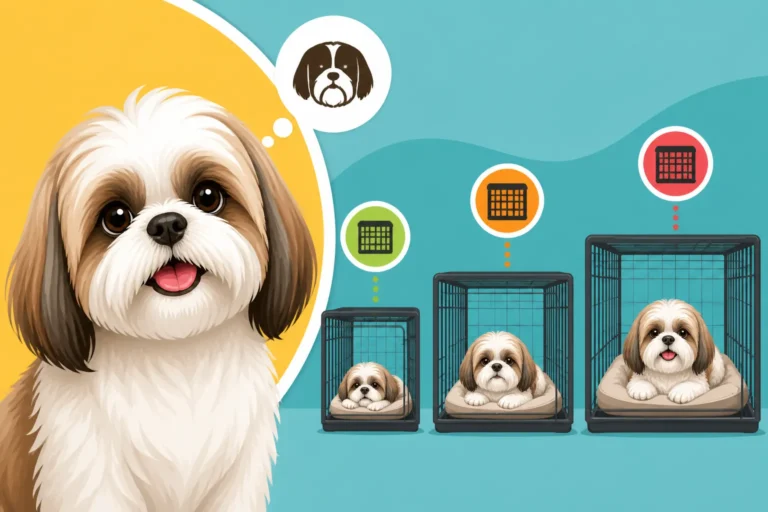
Beyond the puppy itself, you'll need to outfit your home for your new arrival. This means investing in essentials like a comfortable crate (even if just for potty training and safe napping), food and water bowls, a cozy bed, a leash and harness appropriate for their small, delicate frame, and a variety of toys to keep their active minds engaged. Chew toys are especially important during teething to redirect their natural urge to gnaw on everything in sight. Many owners turn to online retailers like Chewy for a convenient one-stop shop to gather all these necessary items, often saving a bit by buying in bundles or taking advantage of subscription services for food.
Shih Tzus are famous for their luxurious double coats, which, while beautiful, demand significant care. In the first year, you'll either be buying a comprehensive set of grooming tools – slicker brush, comb, nail clippers, ear cleaning solution, and puppy-safe shampoo – or you'll be booking their first few professional grooming appointments. Even if you plan to groom at home, there's a learning curve and specialized tools to acquire. If you opt for professional care, be prepared for Shih Tzu Grooming at $50 to $90 a Session, and your puppy will need these regularly to prevent painful matting and keep their hair out of their eyes.
Steady State: The Middle Years (Years 2-7)
Once your Shih Tzu has moved past puppyhood, typically around their first birthday, the frantic pace of the initial year settles down. This period, from roughly two to seven years old, represents the "middle management" phase of Shih Tzu ownership. While the big upfront costs are behind you, consistent, routine expenses become the norm. It's a more predictable financial rhythm, but certainly not one without its own significant budget lines.
Routine Vet and Preventative Care
During these prime years, annual veterinary check-ups become the cornerstone of your Shih Tzu's health maintenance. These visits typically include a physical examination, necessary booster vaccinations, and sometimes routine fecal tests to check for parasites. It's also when your vet will discuss year-round preventative medications for heartworm, fleas, and ticks, which are crucial for keeping your dog healthy, especially in areas with high parasite prevalence. These preventatives are ongoing monthly or quarterly costs, and while they might seem small individually, they add up over a year.
Your vet might also start recommending annual dental check-ups, even if a full cleaning isn't yet necessary. Shih Tzu Dental Disease at 13 Percent of the Breed is a real concern, with their crowded little mouths making them prone to tartar buildup. Addressing dental health early can prevent much more expensive problems down the line. Missing these routine appointments to save a few dollars can actually lead to far greater expenses later if a preventable condition isn't caught early.
Ongoing Grooming and Maintenance
The beautiful Shih Tzu coat doesn't magically maintain itself after the puppy stage. In fact, as their adult coat comes in, the grooming demands can sometimes feel even greater. Whether you maintain a full, flowing coat or prefer a practical "puppy cut," regular brushing, bathing, and professional trims are essential. Most Shih Tzus require professional grooming every 4-8 weeks, depending on their coat length and your home maintenance routine. Each session incurs the grooming fee, plus tips, which can easily accumulate to a significant sum over the year.
Even for those who choose to do much of the grooming at home, there are still costs. You'll need to replenish shampoos, conditioners, detangling sprays, and potentially replace worn-out brushes or clippers. Regular nail trims and ear cleaning are also part of the routine, preventing discomfort and potential infections. If you use specialty products for tear stains, which many Shih Tzus develop, those are additional recurring expenses. Consistency in grooming isn't just about aesthetics; it's vital for their skin health and comfort, preventing painful mats and hidden skin issues.
Food and Treats
Food is, of course, a constant expense throughout your Shih Tzu's life. During their middle years, they've often transitioned from puppy food to an adult formula. The cost will depend on the brand, quality, and type of food you choose. Premium kibble, wet food, or fresh dog food options like Ollie can vary quite a bit in price. While Shih Tzus don't eat vast quantities, choosing a high-quality food appropriate for their size and any sensitivities they might have is important for their long-term health. Many owners find value in buying larger bags of kibble or subscribing to services for fresh food deliveries to manage these ongoing costs effectively.
Treats, too, are an everyday item, used for training, rewards, or just showing affection. Opting for treats specifically designed for small breeds is important, both for appropriate sizing and to ensure they don't contribute to weight gain. Finding Treats Small Enough for a Shih Tzu Session is key, as is budgeting for them. These consistent purchases, whether from a local pet store or online via Chewy, contribute to the stable monthly outflow you'll experience during these relatively healthy years.
The Golden Years: Increased Costs in Later Life (Year 8 Onwards)
As your beloved Shih Tzu approaches its eighth year and beyond, you're entering its senior phase. This is often when the financial landscape of pet ownership shifts dramatically. While you might have enjoyed several years of predictable, routine expenses, the senior years often bring a surge in medical costs due to age-related health issues. This can be a challenging period, both emotionally and financially.
Age-Related Health Concerns
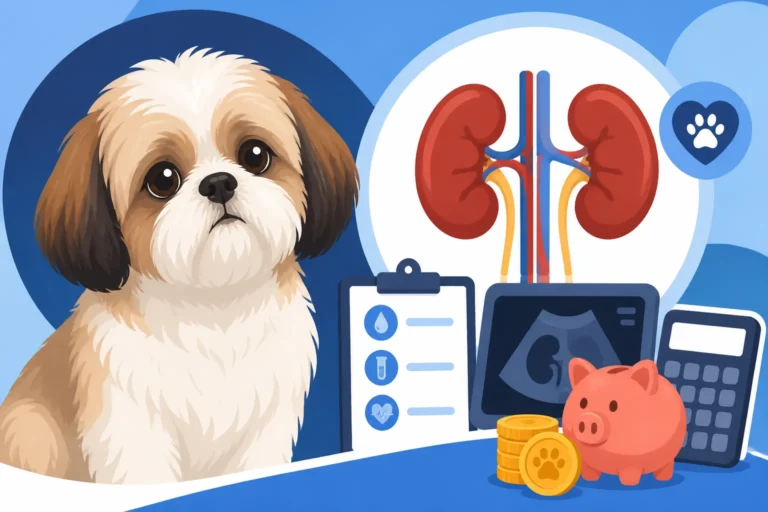
One of the most significant changes you'll notice in your Shih Tzu's golden years is an increase in veterinary visits. Instead of annual check-ups, your vet might recommend semi-annual exams to closely monitor for signs of age-related illnesses. These visits often include more extensive diagnostics, such as senior blood panels, which screen for conditions like kidney disease, liver issues, and thyroid imbalances. Renal Dysplasia and the Shih Tzu Kidney can be a concern for some, and while it often manifests earlier, monitoring is crucial as they age.
Shih Tzus are unfortunately predisposed to several conditions that often become more prevalent with age. Shih Tzu Dental Disease at 13 Percent of the Breed can become severe, requiring more frequent cleanings, and potentially costly tooth extractions. Shih Tzu Joint Problems in a Toy Frame, such as arthritis or worsening patellar luxation, can lead to pain management medications, physical therapy, or even surgery. And with their prominent eyes, conditions like cataracts or chronic dry eye may require regular ophthalmic exams and specialized treatments. These medical needs mean that your "routine" vet bills can quickly double or even triple compared to their middle-aged years.
Prescription Foods and Medications
With an aging Shih Tzu, it's not uncommon for them to be on one or more daily medications. Joint supplements, pain relievers for arthritis, eye drops for chronic dry eye or pigmentary keratitis, or even heart medications if a murmur progresses to heart disease, are all possibilities. These aren't one-time purchases; they are ongoing, monthly expenses that can add up quickly.
Furthermore, dietary needs often change. A vet might recommend a prescription diet formulated for senior dogs, or specific therapeutic diets for conditions like kidney disease or digestive sensitivities. These specialized foods are almost always more expensive than over-the-counter options. For example, if your Shih Tzu develops kidney issues, a Kidney Diets for a Shih Tzu will become a permanent part of your budget. While these medications and diets are vital for maintaining your senior Shih Tzu's quality of life, they definitely contribute to the escalating costs.
Mobility and Comfort Aids
As mobility declines, you might find yourself investing in aids to keep your Shih Tzu comfortable and prevent injuries. Ramps become indispensable for getting on and off furniture, protecting their delicate spines from the impact of jumping. Orthopedic beds offer better support for aching joints. For Shih Tzus struggling with severe joint issues or back problems, specialized harnesses or even slings can help them get around. These items, though not daily purchases, are important one-time or occasional investments that enhance their well-being.
Your focus in these years really shifts to managing comfort and quality of life. This can also include more frequent professional grooming for cleanliness if they struggle with self-grooming, or even modifying your home to make it more accessible for a dog with reduced vision or hearing. The financial impact of Senior Shih Tzu Care Past the Age of Ten is substantial, but it's often viewed as a small price to pay for extending the comfort and happiness of your long-time companion.
Planning Ahead: Budgeting for Your Shih Tzu's Lifetime Expenses
Understanding the fluctuating costs of Shih Tzu ownership from puppyhood through their senior years is the first step toward responsible pet parenting. The good news is that with some foresight and planning, you can better manage these expenses and ensure your furry friend receives the best possible care throughout their entire life.
The Value of Pet Insurance
One of the most impactful ways to mitigate the financial shock of unexpected medical bills, especially as your Shih Tzu ages, is pet insurance. While it's an additional monthly premium, it can be a lifesaver when significant health issues arise. Enrolling your Shih Tzu when they are young and healthy is crucial, as most policies consider existing conditions to be "pre-existing" and won't cover them. Companies like Healthy Paws offer policies that can cover a large percentage of eligible vet bills for accidents and illnesses, which can be invaluable when facing surgeries for Shih Tzu Back Problems and Disc Disease or expensive treatments for chronic conditions.
Having a good Shih Tzu Pet Insurance for a Flat-Faced Toy can mean the difference between making difficult financial decisions in an emergency or being able to focus purely on your dog's recovery. Imagine your Shih Tzu experiences Shih Tzu Eye Proptosis, the Emergency Owners Miss – a sudden, traumatic event. The emergency vet bills can be astronomical, but with insurance, a significant portion could be reimbursed, easing your burden during a stressful time. It's truly a protective layer against the unforeseen, allowing you to provide optimal care without financial ruin.
Creating a Pet Savings Fund
Even with pet insurance, there will be out-of-pocket expenses, deductibles, and things not covered by your policy. This is where a dedicated pet savings fund comes into play. Setting aside a small amount each month, perhaps automatically, can build a substantial cushion over time. This fund can cover annual deductibles, routine wellness costs not covered by insurance, or those little extras that enhance your Shih Tzu's life, like special training classes or a new orthopedic bed. Think of it as your own personal Budgeting for a Shih Tzu With Chronic Eye Disease or another condition that might eventually require ongoing management.
This proactive approach ensures you're not caught off guard by the natural progression of costs as your Shih Tzu matures. It provides peace of mind knowing you have resources available for their well-being at every stage. For instance, if you regularly purchase food and supplies from a platform like Chewy, you could even round up your purchases and transfer the difference to your pet savings fund, making it an almost automatic process.
Smart Shopping and DIY Options
While some expenses are unavoidable, there are always ways to be a smart consumer. Buying food and preventatives in bulk, when appropriate, can often lead to savings. Keep an eye out for sales and loyalty programs from your preferred pet supply retailers. For grooming, learning to do some tasks at home, like daily brushing, face trims, and nail clipping, can significantly reduce the frequency and cost of professional grooming appointments. Even if you still rely on a professional for full cuts, doing the interim maintenance yourself can save hundreds over the year.
However, be realistic about your skills and time. Attempting complex grooming tasks like full body clipping without proper training can result in uneven cuts, skin irritation, or even accidental nicks. The goal is to balance cost savings with your Shih Tzu's comfort and health. It's about finding opportunities to save without compromising the quality of care. For example, preparing fresh food at home using recipes from a service like Ollie, but adjusting ingredients to suit your budget, can be a way to provide high-quality nutrition more economically. Ultimately, managing your Shih Tzu's financial needs is an ongoing process that evolves alongside them.
Cost Comparison Table: Year One vs. Year Eight
To give you a clearer picture, here's a general comparison of how different cost categories might shift from your Shih Tzu's first year to its eighth year. Please remember these are broad estimates and individual circumstances will vary widely.
| Cost Category | First Year (Puppy Stage) | Eighth Year (Senior Stage) |
|---|---|---|
| Initial Purchase | Highest upfront cost (puppy price, adoption fee) | N/A (unless adopting another dog) |
| Vet Visits & Care | Multiple puppy vaccine series, deworming, microchip, spay/neuter. | More frequent check-ups (semi-annual), senior blood panels, diagnostics for age-related issues. |
| Food & Treats | Puppy formula, training treats. | Adult/senior formula, potentially prescription diets. |
| Grooming | Initial tools or first few professional grooms. | Consistent professional grooming (often more frequent), specialized products for skin/coat issues. |
| Preventatives | Flea, tick, heartworm prevention for small pup. | Ongoing flea, tick, heartworm prevention, potentially increased dosing. |
| Supplies | Crate, bed, bowls, leash, harness, toys, cleaning supplies. | Replacements, orthopedic beds, ramps, slings, senior-specific toys. |
| Medications | Rare (unless illness/injury). | Often includes daily medications for arthritis, heart, eyes, etc. |
| Pet Insurance | Monthly premiums start (crucial to enroll early). | Ongoing premiums, potentially higher due to age/claims, but invaluable for high vet bills. |
This table clearly illustrates how the nature of expenses changes. While the first year has a significant entry barrier with the puppy price and initial setup, the eighth year and beyond often bring higher, more unpredictable medical costs, making careful planning and pet insurance incredibly valuable. Understanding What a Shih Tzu Costs Each Month With Grooming In will vary greatly over their lifespan, so staying flexible with your budget is key.
Disclaimer
This article is for general informational purposes only and does not constitute professional advice. Laws, prices and regulations vary by location and change over time. Consult a qualified professional for guidance on your specific situation.