Whether to Pull Hair From a Shih Tzu Ear
It’s a common moment for many Shih Tzu owners: you’re giving your sweet companion some cuddles, maybe doing a quick face trim, and you peer into those floppy ears. What you often find is a thick curtain of hair, seemingly growing right out of the ear canal itself. Immediately, the question pops into your head: do I pull this out? It feels like it should come out, right? After all, it looks like it's blocking everything. This guide will dive deep into this very specific and often debated aspect of Shih Tzu care, helping you understand the pros, cons, and safest approaches to managing that fluffy ear hair.
The Great Debate: To Pluck or Not To Pluck Shih Tzu Ear Hair?
When it comes to managing the hair inside your Shih Tzu's ears, owners and even professionals often find themselves on different sides of a long-standing debate. It's not as straightforward as it seems, and understanding both perspectives is key to making the best decision for your furry friend.
Understanding the Purpose of Ear Hair in Dogs
You might wonder why some dogs even have hair growing inside their ears. For many breeds, a sparse amount of hair can actually serve a protective function, catching dust, debris, and even some insects before they can travel deeper into the ear canal. It's a natural barrier, much like eyelashes protect eyes.
However, Shih Tzus are a special case. They are known for their luxurious, long double coats, which extend to every part of their body, including deep within their ear canals. Coupled with their adorable drop ears – ears that hang down rather than stand erect – this heavy internal ear hair creates a unique challenge. Unlike dogs with prick ears where air can circulate freely, a Shih Tzu's floppy ears, combined with dense hair, can create a warm, moist, and poorly ventilated environment. This is where the protective aspect of ear hair can turn into a hindrance, setting the stage for potential problems.
The Argument for Plucking: Ventilation and Hygiene
Historically, and still commonly practiced by many groomers and owners, the argument for plucking ear hair is rooted in the belief that it improves ventilation and overall ear hygiene. The rationale is simple: remove the hair, and you remove the trap for moisture, wax, and debris. Imagine a tiny, furry cave that's constantly damp and warm – that's what a heavily haired Shih Tzu ear can become. This environment is an ideal breeding ground for bacteria and yeast, leading to those frustrating, recurring ear infections that many Shih Tzu owners know all too well.
Many proponents of plucking believe that by removing this hair, you allow air to flow more freely, keeping the ear canal drier and less hospitable for pathogens. It also makes it easier for ear cleaning solutions to penetrate and clean the skin directly, rather than just saturating a mat of hair. Some vets and groomers have seen countless cases where regular, careful plucking has dramatically reduced the frequency of Shih Tzu Ear Infections That Keep Returning, transforming a dog with chronic issues into one with healthy, happy ears. They often see it as a preventative measure, a necessary step in the comprehensive grooming of a heavily coated, drop-eared breed.
The Argument Against Plucking: Pain and Irritation
On the flip side, a growing number of veterinarians and modern groomers advocate against routine ear plucking, citing concerns about pain and potential irritation. Think about it: ear hair is rooted in delicate skin, and pulling it out, especially if done incorrectly or too aggressively, can be incredibly uncomfortable, if not downright painful, for your Shih Tzu. If you've ever had a stray eyebrow hair plucked, you know the feeling – now imagine that sensation deep inside a sensitive ear canal.
Beyond the immediate discomfort, plucking can cause micro-trauma to the delicate skin lining the ear canal. This means tiny tears or abrasions where bacteria can then enter, potentially increasing the risk of infection rather than preventing it. The inflammation caused by plucking can also lead to swelling, making the ear canal even narrower and trapping more moisture, which completely defeats the purpose. Some dogs also develop scar tissue from repeated plucking, which can permanently narrow the ear canal and make future ear care even more challenging. For a sensitive Shih Tzu, a bad plucking experience can make all future ear handling a battle, leading to fear, biting, or head shyness, which complicates routine care like Shih Tzu Ear Cleaning and Hair Removal. Therefore, many now prefer less invasive methods or only plucking when absolutely necessary and under specific circumstances.
| Feature | Plucking Ear Hair | Trimming Ear Hair |
|---|---|---|
| Ventilation | Generally provides maximum airflow | Provides moderate airflow, may require more often |
| Pain Level | Can be painful, especially if done incorrectly | Generally painless if done carefully |
| Irritation Risk | Higher risk of micro-trauma, inflammation | Lower risk of skin irritation |
| Infection Risk | Can reduce if done well, increase if done poorly | Lower risk from the procedure itself |
| Frequency | Less frequent than trimming (every 4-8 weeks) | More frequent (every 2-4 weeks) |
| Skill Required | Requires careful technique and experience | Easier for owners to learn and perform |
| Equipment | Hemostats/forceps, ear powder | Small, blunt-nosed scissors or clippers |
Safe Practices for Managing Shih Tzu Ear Hair
Given the conflicting advice, what’s a Shih Tzu owner to do? The key is to prioritize your dog's comfort and health, and to find a method that works best for their individual ears. There isn't a one-size-fits-all answer, but there are definitely safer practices to follow.
Trimming as an Alternative to Plucking
For many Shih Tzus, especially those with sensitive ears or a history of irritation from plucking, trimming the ear hair is a fantastic alternative. Instead of pulling the hair out by the root, you're simply shortening it, much like getting a haircut. This method leaves the hair follicles intact, reducing the risk of pain, inflammation, and micro-trauma to the delicate skin of the ear canal.
To trim, you'll want small, blunt-nosed scissors designed for pet grooming or a tiny trimmer head. Gently hold the ear flap back and carefully trim the visible hair around the opening of the ear canal and just inside. Be incredibly cautious not to insert scissors too deeply into the canal. The goal isn't to remove all hair, but to create enough space for air circulation and to prevent hair from matting and trapping debris. You can find excellent quality blunt-nosed scissors and small trimmers on platforms like Chewy or Amazon, making it easy to equip yourself for home grooming.
While trimming may not provide quite the same level of ventilation as a thorough plucking, it significantly reduces the risk of pain and irritation. It does mean you might need to perform this task more frequently – perhaps every two to three weeks – to keep the hair short and tidy. This regular, gentle maintenance can be a much more positive experience for your Shih Tzu, making them more cooperative for overall ear care as part of their The Weekly Shih Tzu Ear Routine.
Professional Groomers and Veterinarians: When to Delegate
Sometimes, the best solution is to let the experts handle it. If you're unsure about managing your Shih Tzu's ear hair yourself, if your dog is particularly squirmy, or if they have very sensitive ears, a professional groomer or veterinarian can be an invaluable resource.
A reputable groomer will have experience with various ear care techniques and can assess your Shih Tzu's specific needs. They can advise whether plucking or trimming is more appropriate for your dog, and they'll have the right tools and expertise to perform the task safely and efficiently. Many groomers are skilled at working with nervous dogs and can help desensitize your Shih Tzu to ear handling. When booking a full grooming session, especially a Grooming a Shih Tzu Every Four to Six Weeks, be sure to discuss your preferences for ear hair management. They might use a small trimmer or, if they believe it's genuinely necessary and your dog tolerates it, carefully pluck specific areas.
For dogs with recurring ear infections or any signs of discomfort, a vet visit is always the first step. Your veterinarian can examine the ear canal thoroughly, identify any underlying issues, and then recommend the best course of action for hair management. They might also prescribe specific ear cleaning solutions or medications if an infection is present. A vet can also demonstrate safe trimming techniques or perform a very gentle plucking if they deem it medically necessary, such as if a dense mat of hair is contributing significantly to chronic Shih Tzu Ear and Skin Infections Under the Coat. They understand that some dogs, particularly those with conditions like Brachycephalic Ocular Syndrome in a Shih Tzu, may require extra care with any facial or head handling.
Essential Ear Cleaning and Routine Care
Regardless of whether you choose to trim or (rarely) pluck, consistent ear cleaning is paramount for your Shih Tzu's ear health. Removing hair is only one piece of the puzzle; keeping the ear canal clean and dry is equally, if not more, important.
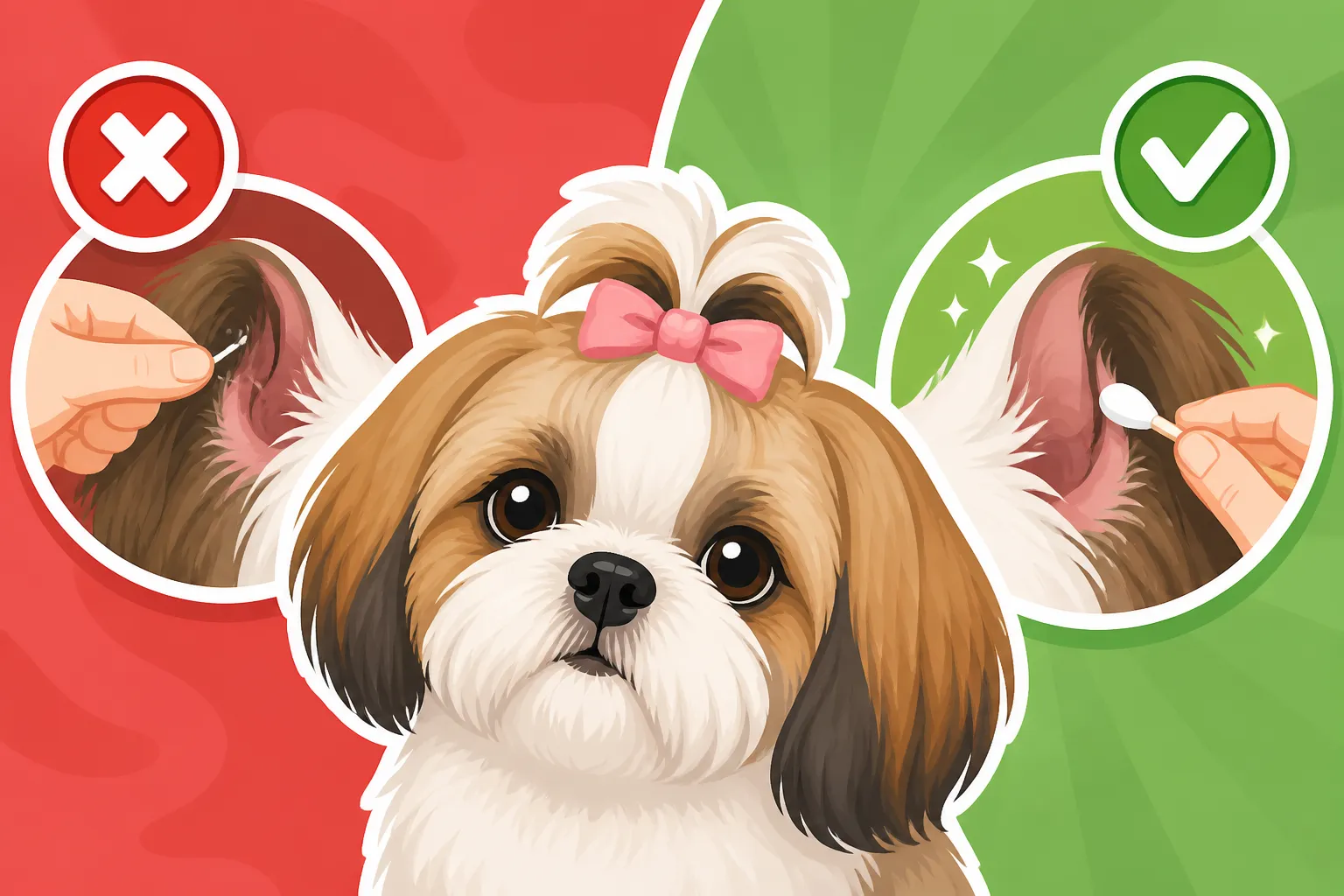
A good ear cleaning routine involves using a veterinarian-approved ear cleaning solution. You can find many effective options from brands available on Chewy or Amazon. Never use harsh chemicals, alcohol, or hydrogen peroxide, as these can irritate the delicate ear canal. The process usually involves applying a small amount of cleaner into the ear canal, gently massaging the base of the ear to help break up wax and debris, and then allowing your Shih Tzu to shake their head. After the head shake, use a cotton ball or soft gauze wrapped around your finger to gently wipe out any visible dirt and excess solution from the outer ear flap and opening. Avoid using cotton swabs deep inside the ear canal, as this can push debris further in and potentially damage the eardrum.
This routine should be done regularly, as part of your overall Shih Tzu Ear and Paw Care, but not excessively. For some Shih Tzus, weekly cleaning is beneficial, while others might only need it every two to three weeks. The key is to monitor your dog's ears and adjust the frequency based on their individual needs. Pay close attention to any changes, such as redness, odor, or an increase in wax, which could be early warning signs of a brewing problem. Good ear care at home, combined with professional advice, can make all the difference in preventing uncomfortable and costly ear issues.
Recognizing and Preventing Shih Tzu Ear Problems
Even with the best intentions and diligent care, Shih Tzus can be prone to ear issues due to their breed characteristics. Knowing what to look for and how to proactively manage risks can save your dog a lot of discomfort.
Common Signs of Ear Discomfort or Infection
Your Shih Tzu can’t tell you in words that their ears hurt, so it’s up to you to be a detective. Any change in their normal behavior or appearance around the ears should be taken seriously. Some common signs of ear discomfort or infection include:
- Excessive scratching or rubbing: If your Shih Tzu is constantly pawing at their ears, rubbing their head along furniture, or doing a lot of A Shih Tzu Scratching Under a Full Coat in the ear area, it's a huge red flag.
- Head shaking: While a casual head shake is normal, persistent or violent head shaking is a clear sign something is wrong.
- Redness or swelling: Lift those ear flaps! If the skin inside the ear looks red, inflamed, or swollen compared to normal, it’s a problem.
- Unpleasant odor: A healthy ear should have minimal to no smell. A yeasty, sweet, or foul odor is a strong indicator of infection. This is especially true with Yeast Infections in a Shih Tzu Ear.
- Discharge: Look for any discharge – it could be yellow, brown, black, or bloody, and might have a waxy or pus-like consistency.
- Pain or sensitivity: If your Shih Tzu yelps, flinches, or tries to bite when you touch their ears, they are experiencing pain. Even a subtle reaction to handling their face, like with A Shih Tzu That Bites During Eye Wiping, can hint at discomfort.
- Reluctance to play or changes in mood: Sometimes, a dog in pain might become withdrawn, grumpy, or less interested in their usual activities.
If you notice any of these signs, please don’t delay in contacting your veterinarian. Early intervention can prevent minor issues from becoming severe and chronic.
The Role of Moisture and Environment
Shih Tzus, with their long, heavy ear leather and often dense ear hair, are particularly susceptible to moisture-related ear problems. Moisture creates the perfect humid environment for bacteria and yeast to thrive.
Think about common scenarios:
- Bathing: Even if you're careful, water can easily seep into your Shih Tzu's ears during a bath. It’s crucial to thoroughly dry their ears afterward, both the outer flap and as far into the canal as you can safely reach with a cotton ball or soft towel. A good groomer will spend extra time ensuring the ears are completely dry after bathing, as Damp Shih Tzu Hair and How Fast It Knots isn't just a matting risk, but an ear infection risk.
- Swimming: If your Shih Tzu loves to play in water (though many flat-faced breeds aren't keen swimmers due to their breathing challenges), water can get trapped. Consider using cotton balls (gently placed, not shoved deeply) in their ears during swimming or bathing to act as a barrier. Remove them immediately afterward.
- Humidity: Even without direct water exposure, living in a humid climate can contribute to moisture buildup in those closed-off ear canals.
Beyond moisture, other environmental factors play a role. Allergies, whether environmental (like pollen) or food-related, can manifest as itchy, inflamed ears. If your Shih Tzu has chronic ear issues that don't seem related to hygiene, discuss potential allergies with your vet. While specialized diets like those from Ollie focus on overall health and sometimes include novel proteins for sensitive stomachs, a vet is the best source for diagnosing and treating specific allergies impacting ear health.
A Proactive Approach to Long-Term Ear Health
The best way to manage Shih Tzu ear hair and prevent problems is through a consistent, proactive approach tailored to your individual dog.
- Establish a Routine: Decide whether trimming or minimal, careful plucking is right for your Shih Tzu, ideally in consultation with your vet or groomer. Stick to a regular schedule for whichever method you choose. Combine this with regular cleaning as part of The Weekly Shih Tzu Ear Routine.
- Regular Inspections: Make it a habit to look inside your Shih Tzu's ears every few days. Get them used to having their ears handled gently from puppyhood. This makes it easier to spot issues early.
- Vet Check-ups: Ensure your Shih Tzu gets regular veterinary check-ups, even if they seem perfectly healthy. Your vet can perform a thorough ear examination, checking for any hidden problems or subtle changes in the ear canal that you might miss.
- Educate Yourself: Learn the signs of a healthy ear and what to do if you suspect a problem. Understanding your Shih Tzu’s unique anatomy and predispositions, such as the potential for Shih Tzu Corneal Ulcers From a Shallow Socket which relates to overall facial structure and care, can help you be a better advocate for their health.
- Quality Products: Use only high-quality, pet-safe ear cleaning solutions and grooming tools. Brands available on Amazon or Chewy typically offer a wide range of vetted products.
By taking a thoughtful, consistent approach to your Shih Tzu's ear care, you can help them live a more comfortable, itch-free life, keeping those adorable ears healthy and happy.
Disclaimer
This article is for general informational purposes only and does not constitute professional advice. Laws, prices and regulations vary by location and change over time. Consult a qualified professional for guidance on your specific situation.