Shih Tzu Ear Cleaning and Hair Removal
If you're a Shih Tzu parent, you've probably faced the struggle of trying to keep those adorable, floppy ears clean and healthy. It's a common frustration, isn't it? One minute your little lion dog is happily playing, and the next, they're shaking their head constantly or scratching at an ear that looks red and feels hot. This guide is here to walk you through everything you need to know about keeping your Shih Tzu's ears pristine, tackling both regular cleaning and that tricky topic of hair removal, so you can avoid those uncomfortable (and often expensive!) vet visits.
Understanding Your Shih Tzu's Unique Ear Anatomy
Shih Tzus are absolutely charming, but their adorable features, like those long, luxurious coats and sweet, floppy ears, come with their own set of care requirements. When it comes to their ears, it's not just about what you see on the outside; it's the hidden anatomy that really dictates how much attention they need. Understanding this is the first step to proactive care.
The Double-Edged Sword of Floppy Ears
Think about how your own ears feel in hot, humid weather, especially if you've been wearing a hat that covers them completely. Now, imagine that sensation, but amplified, and all the time. That's a bit like what a Shih Tzu experiences with their long, heavy ear leather. Unlike breeds with upright ears, which allow for plenty of air circulation, a Shih Tzu's ears hang down, effectively sealing off the ear canal from the outside world. This creates a warm, dark, and often moist environment that is absolutely ideal for the proliferation of bacteria and yeast. It's not a design flaw, of course, but it's certainly a feature that requires diligent maintenance to prevent problems from taking root.
Hair Growth Inside the Ear Canal
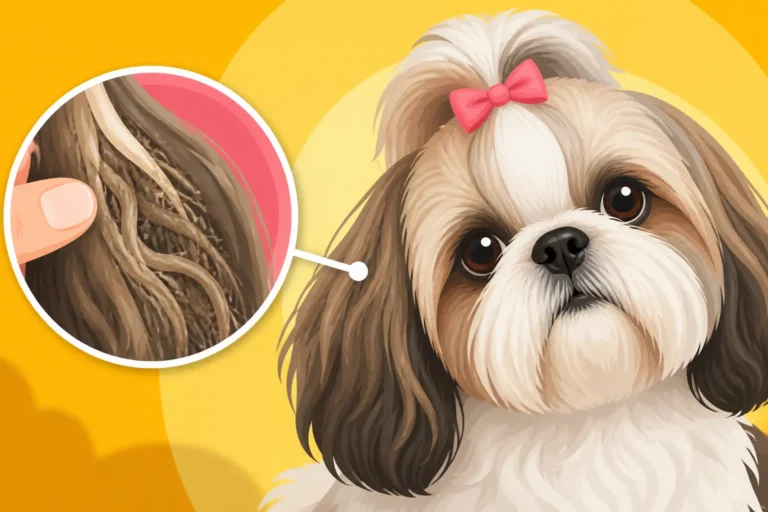
Adding to the challenge of those floppy ears is the fact that Shih Tzus are a heavily coated breed, and that luxurious hair doesn't stop at the visible ear flap. Oh no, it continues to grow right down into their ear canals! This dense, soft hair acts like a tiny, furry net within the ear, effectively trapping all sorts of things that shouldn't be there. We're talking about ear wax, dirt, debris from sniffing around the garden, and even moisture from baths or humid weather. This trapped material, combined with the lack of airflow from their floppy ears, makes for a very congested and problematic environment. It's a recipe for buildup and, unfortunately, infection.
Why This Anatomy Makes Them Prone to Problems
So, when you put these two factors together – the lack of ventilation from floppy ears and the dense hair growing inside the canal – you get a perfect storm for ear issues. This unique anatomy is precisely why Shih Tzus are notoriously prone to ear infections, technically known as otitis externa. The trapped moisture and debris, combined with the warmth, create an incubator for yeast and bacteria. Over time, this can lead to painful inflammation, excessive wax production, and even foreign objects getting stuck deep inside. Owners often lament that their Shih Tzu seems to have Shih Tzu Ear Infections That Keep Returning, and more often than not, it comes down to these inherent anatomical predispositions. It's a constant battle, but one that with the right knowledge, you can absolutely win.
The Importance of Regular Ear Cleaning for Shih Tzus
Given their predisposition to ear issues, it becomes abundantly clear that regular, consistent ear cleaning isn't just a nice-to-do; it's an absolute necessity for your Shih Tzu's comfort and long-term health. Skipping this crucial step can lead to a cascade of problems that are both uncomfortable for your pup and expensive for your wallet.
Preventing Common Ear Infections
Think of ear cleaning as your primary defense line against those pesky infections. By routinely cleaning your Shih Tzu's ears, you're actively removing the buildup of ear wax, dirt, and any other debris that has decided to take up residence in that cozy, covered ear canal. More importantly, you're disrupting the environment that allows bacteria and yeast to overgrow. If these microscopic invaders don't have a moist, dirty, and warm place to thrive, they're far less likely to cause trouble. Regular cleaning can prevent minor irritation from escalating into a full-blown, painful infection that requires antibiotics, anti-fungals, and multiple vet visits. It's truly a case where an ounce of prevention is worth a pound of cure.
Recognizing the Signs of Trouble
Even with the best preventative care, it's vital to remain vigilant. Your Shih Tzu can't tell you in words that their ear hurts, so you need to be a detective for subtle clues. Keep an eye out for tell-tale signs like frequent head shaking, persistent scratching at the ear (often with a hind paw), or rubbing their ear against furniture or the carpet. If you notice a foul odor emanating from the ear, or if the inside of the ear flap appears red, swollen, or unusually warm, these are strong indicators of a problem. Discharge can also be present – it might look like dark brown, waxy gunk (often yeast), or a yellowish, pus-like substance (more indicative of a bacterial infection). Your Shih Tzu might also become sensitive to touch around the head or ear. Don't ignore these signals; they're your dog's way of asking for help, and early intervention can make a huge difference.
Establishing a Consistent Routine
Consistency is key when it comes to Shih Tzu ear care. There's no single "perfect" frequency that applies to every dog, as some Shih Tzus are simply more prone to wax buildup or irritation than others. However, a general guideline is to check and clean their ears weekly or at least every two weeks. If your Shih Tzu is particularly prone to issues, you might even consider doing a quick wipe-down a couple of times a week. This routine often aligns well with their regular grooming schedule, making it easier to remember. For many owners, incorporating The Weekly Shih Tzu Ear Routine into their overall care plan, alongside brushing and dental care, makes it feel less like a chore and more like a natural part of being a responsible Shih Tzu parent. A consistent schedule helps keep things under control and prevents minor issues from spiraling.
Step-by-Step Guide to Cleaning Your Shih Tzu's Ears
Now that you understand why ear cleaning is so important for your Shih Tzu, let's talk about the how. It might seem daunting at first, especially if your pup isn't a huge fan of having their ears touched, but with patience, the right supplies, and a gentle approach, you can make it a positive experience for both of you.
Gathering Your Essential Supplies
Before you even think about touching your Shih Tzu's ears, make sure you have everything you need within arm's reach. This minimizes fumbling and stress for your dog. You'll need a vet-approved ear cleaning solution designed specifically for dogs. Avoid using rubbing alcohol, hydrogen peroxide, or witch hazel, as these can be irritating and drying. Look for gentle, pH-balanced formulas that contain drying agents or antiseptics. Many excellent options are available from reputable pet supply retailers like Chewy or Amazon. Brand mention: Chewy, Amazon. You'll also need a generous supply of cotton balls or soft gauze pads. Do NOT use cotton swabs (Q-tips) to clean deep inside the ear canal; these can push debris further in and potentially damage the eardrum. Finally, have plenty of high-value treats on hand to reward your Shih Tzu for their cooperation!
The Gentle Cleaning Technique
Once your supplies are ready, find a quiet, comfortable spot where both you and your Shih Tzu can relax.
- Prepare your Shih Tzu: Start by gently talking to your dog, offering praise, and maybe a small treat to help them relax. If your Shih Tzu has long ear hair, gently pull it back to expose the ear canal opening.
- Apply the cleaner: Hold the ear flap up and carefully squirt the ear cleaning solution into the ear canal until it's full. Don't be shy; you need enough to flush out debris. Many owners worry about putting liquid into the ear, but it's designed for this!
- Massage the base: While holding the ear flap up, gently massage the base of your Shih Tzu's ear for about 20-30 seconds. You should hear a squishy sound, which means the cleaner is breaking up wax and debris. This part is crucial for loosening everything up.
- Allow shaking: Stand back and let your Shih Tzu shake their head vigorously. This helps bring all the loosened gunk to the surface. It might get a little messy, so have a towel ready!
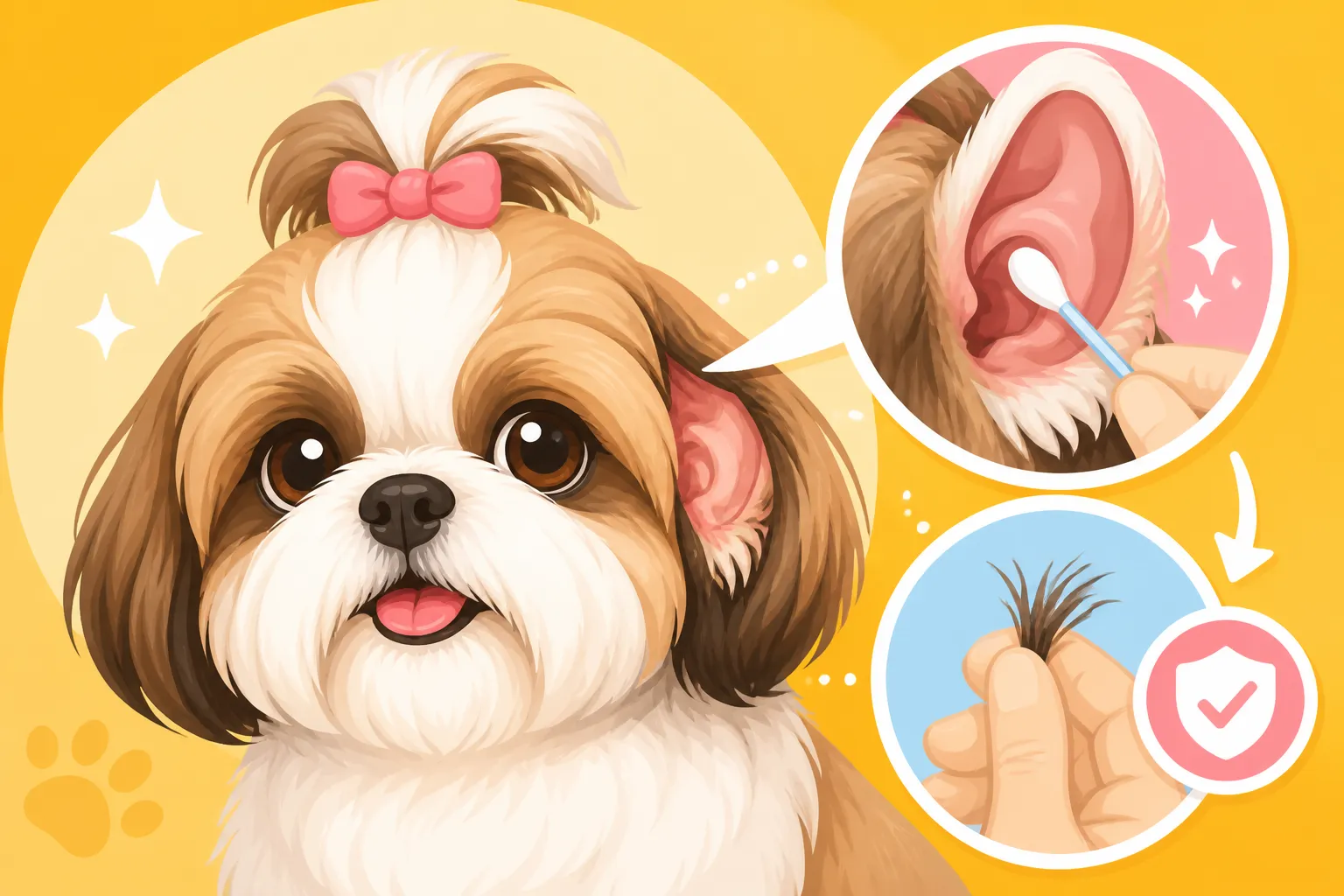
- Wipe clean: Take a fresh cotton ball or gauze pad and gently wipe out any visible wax, dirt, or cleaning solution from the inner ear flap and the entrance to the ear canal. Remember, only clean what you can see. Repeat with fresh cotton balls until no more debris comes out.
- Reward: Lavishly praise your Shih Tzu and give them those tasty treats! Positive reinforcement makes future cleanings much easier.
Never push anything down into the ear canal. If you encounter resistance or your dog shows signs of pain, stop immediately.
When to Seek Professional Help
While routine cleaning is vital, there are times when DIY methods aren't enough, or when you suspect something more serious is going on. If your Shih Tzu's ear discharge is excessive, particularly smelly, or looks like pus, or if the ear is severely red, swollen, or painful to the touch, it's time to call your veterinarian. These symptoms could indicate a deep-seated infection, ear mites, or even a foreign object lodged in the canal, all of which require professional diagnosis and treatment. Your vet can perform a thorough examination, use an otoscope to look deep into the ear, and prescribe appropriate medication. Never try to diagnose or treat a severe ear infection at home, as you could worsen the condition or cause further damage.
Navigating Hair Removal in Your Shih Tzu's Ears
Beyond cleaning the ears themselves, managing the hair that grows inside and around the ear canal is another critical component of Shih Tzu ear care. This topic can spark quite a debate among owners and even professionals, as there are different schools of thought on the best approach.
To Pluck or Not to Pluck: The Great Debate
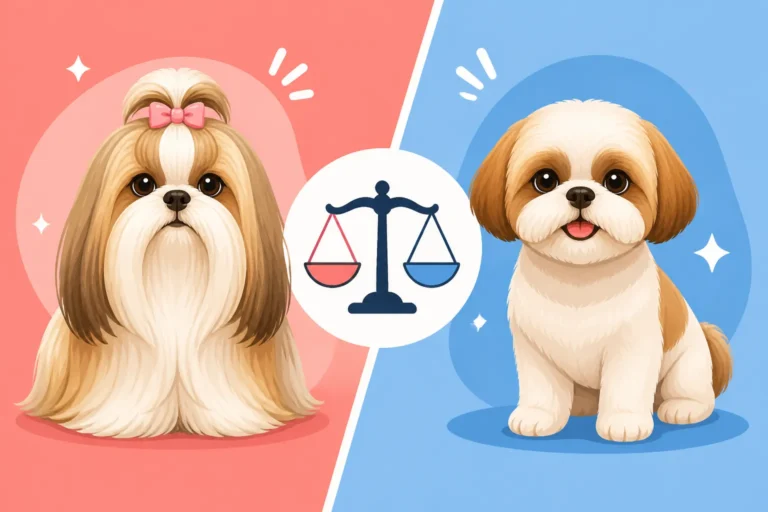
The question of whether to pluck hair from a Shih Tzu's ear canal is one that many owners wrestle with. On one side, proponents argue that removing the hair improves air circulation significantly and prevents debris and wax from getting trapped, thereby reducing the risk of infection. They often point to the fact that many groomers and even some veterinarians regularly pluck ear hair. However, there's another perspective gaining traction: plucking can actually cause micro-traumas to the delicate skin lining the ear canal. These tiny abrasions can then become entry points for bacteria and yeast, potentially leading to more infections, not fewer. It can also be quite uncomfortable for the dog, making future ear care a battle. Some vets now advocate for not plucking unless absolutely necessary, or only in cases of chronic, recurring infections directly linked to excessive hair. The discussion of Whether to Pull Hair From a Shih Tzu Ear really boils down to your individual Shih Tzu, their sensitivity, and what your trusted vet recommends.
Safe Methods for Hair Trimming
If you decide that plucking isn't the best route for your Shih Tzu, or if your vet advises against it, trimming the hair around the opening of the ear canal is a safer alternative to improve airflow without irritating the sensitive skin inside. This involves carefully using blunt-nosed scissors or a small, sterile electric trimmer with a very short guard to trim the hair that is visible at the entrance of the canal. The goal here is not to remove hair from deep within, but to clear the path for air and cleaning solution. Always ensure your Shih Tzu is calm and still, and never ever insert scissors or clippers into the ear canal. You're simply trimming the "fringe" of hair that might be blocking the opening. This method requires a steady hand and extreme caution to prevent accidental nicks to the ear leather or skin.
When a Groomer Should Handle Ear Hair
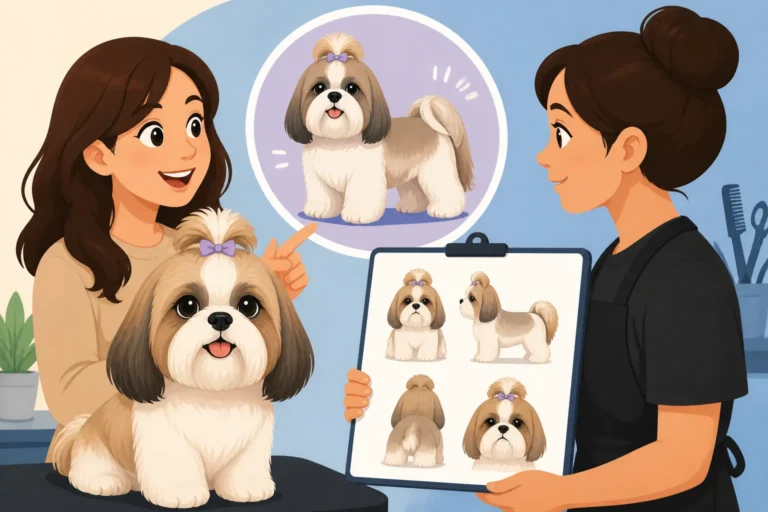
For many Shih Tzu owners, the best and safest approach to ear hair removal, whether plucking or intricate trimming, is to leave it to the professionals. A qualified groomer has specialized tools, techniques, and experience to handle ear hair removal safely and effectively. They are accustomed to working with dogs who might be squirmy or sensitive about their ears. Groomers also have a much clearer view into the ear canal than most owners can achieve at home, allowing them to assess the hair growth accurately. During your Shih Tzu's regular grooming appointments – which for a full-coated Shih Tzu, typically happen Grooming a Shih Tzu Every Four to Six Weeks – they can incorporate ear hair maintenance into the routine. This ensures the job is done properly, minimizes discomfort for your dog, and reduces the risk of accidental injury or irritation. Don't hesitate to discuss your preferences and concerns with your groomer; they are a valuable partner in your Shih Tzu's overall care.
Common Pitfalls and Best Practices for Shih Tzu Ear Care
Taking care of your Shih Tzu's ears is an ongoing commitment, and it's easy to fall into common traps if you're not aware of them. But with a little knowledge and consistency, you can establish best practices that promote long-term ear health for your furry friend.
Avoiding Over-Cleaning and Irritation
While regular cleaning is crucial, there absolutely can be too much of a good thing. Over-cleaning your Shih Tzu's ears, or using harsh, inappropriate products, can strip away the natural protective oils that their delicate ear canals need. This can lead to dryness, irritation, and even inflammation, ironically making the ears more susceptible to infection rather than less. Imagine washing your hands with harsh soap twenty times a day – they'd become red, chapped, and painful! The same principle applies here. Stick to the recommended frequency (weekly or bi-weekly for most dogs, or as advised by your vet), and always use a gentle, dog-specific ear cleaner. If your Shih Tzu's ears seem red or irritated after cleaning, you might be overdoing it or using a product that doesn't agree with them. Finding that perfect balance is key for their comfort and health.
Diet and Allergy Considerations
It might sound strange, but your Shih Tzu's diet and any underlying allergies can play a significant role in their ear health. Chronic ear infections, especially those that keep returning despite diligent cleaning, are often a symptom of an underlying allergy – either environmental (like pollen or dust mites) or food-related. When a dog has an allergic reaction, one common manifestation is inflammation and itchiness, which frequently affects the ears and skin. This can lead to excessive wax production, redness, and secondary yeast or bacterial infections. If you're constantly battling Yeast Infections in a Shih Tzu Ear or notice your dog A Shih Tzu Scratching Under a Full Coat often, it might be worth discussing an allergy work-up with your veterinarian. Sometimes, simply changing to a novel protein diet or exploring fresh food options, perhaps from a brand like Ollie, can make a surprising difference in reducing inflammatory responses throughout their body, including their ears. Brand mention: Ollie. This isn't a quick fix, but a holistic approach to understanding and managing chronic ear issues.
Long-Term Proactive Ear Health Strategies
For your Shih Tzu to enjoy a lifetime of healthy, comfortable ears, you need a multi-faceted, long-term strategy. It starts with those daily visual checks – a quick peek into their ears to look for any redness, discharge, or odors. Then, it transitions into that consistent cleaning routine, using the right products and techniques, making it as stress-free as possible. Regular professional grooming appointments are essential, not just for their fabulous coat, but for expert ear hair management. Beyond that, annual veterinary check-ups are crucial. Your vet can provide deep ear cleaning if needed, check for any deeper issues, and ensure their overall health is on track, from their dental health (which can sometimes impact facial structures) to screening for potential health predispositions. Shih Tzu Dental Disease at 13 Percent of the Breed might seem unrelated, but good general health means a better immune response. As your Shih Tzu enters their golden years, ear care becomes even more important. Senior Shih Tzu Care Past the Age of Ten often involves heightened vigilance for all health issues, including ears, as their immune systems can become less robust. By being proactive and attentive, you can help ensure your beloved Shih Tzu's ears remain healthy and happy for many years to come.
| Aspect | Benefits | Considerations |
|---|---|---|
| Regular Cleaning | Prevents wax/debris buildup, reduces odor | Requires specific ear cleaner & cotton; consistency |
| Ear Hair Plucking | Improves airflow, reduces debris trapping | Can cause irritation/micro-traumas; best done by pro |
| Ear Hair Trimming | Safer alternative to plucking, improves airflow | Requires steady hand, blunt scissors; only for visible hair |
| Vet Check-ups | Diagnoses deeper issues, provides expert advice | Essential for chronic problems or severe infections |
| Allergy Management | Addresses underlying causes of chronic issues | May involve diet changes, medication; long-term commitment |
Disclaimer
This article is for general informational purposes only and does not constitute professional advice. Laws, prices and regulations vary by location and change over time. Consult a qualified professional for guidance on your specific situation.