A Shih Tzu Licking Its Paws Raw
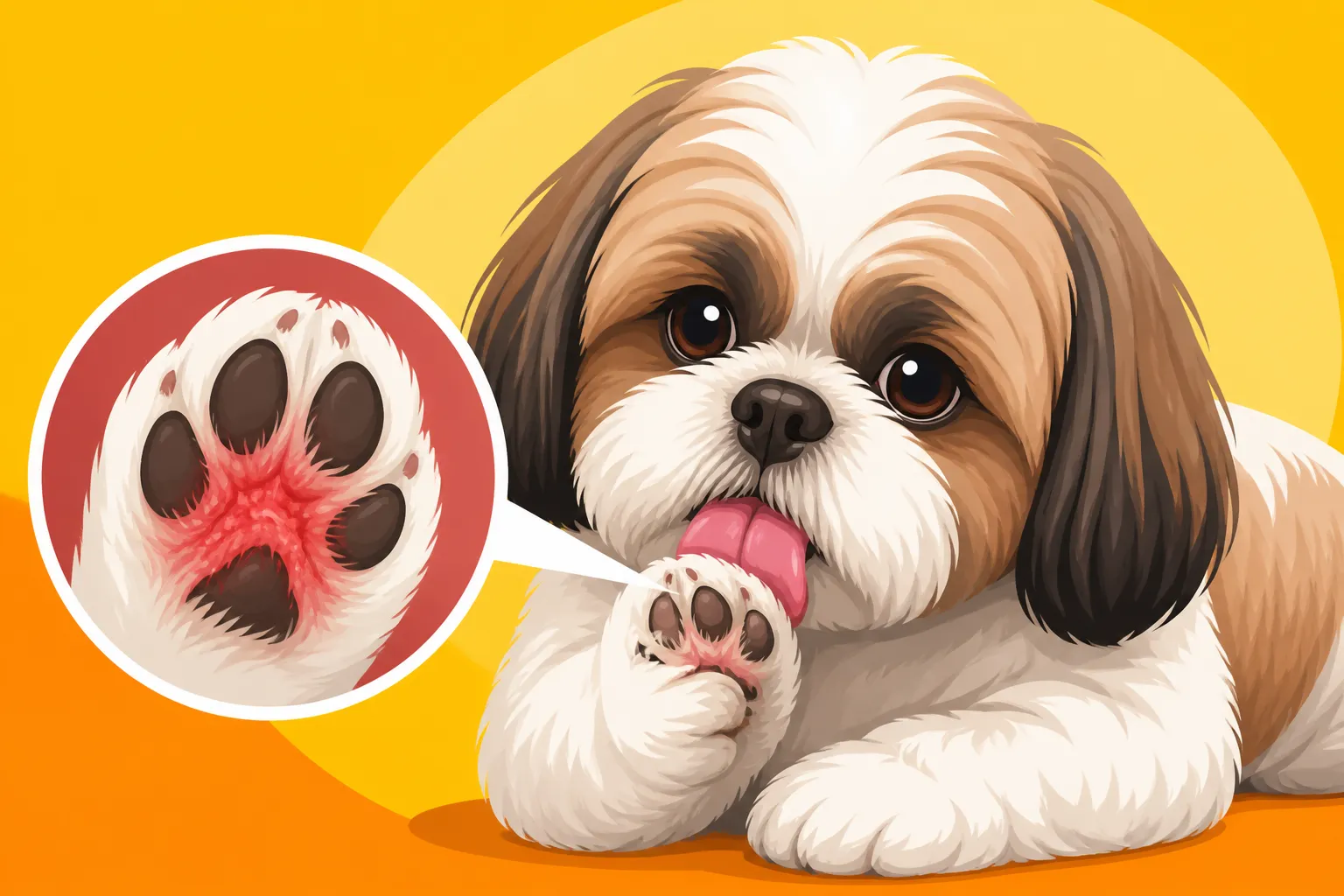
There’s almost nothing more heartbreaking and frustrating for a Shih Tzu owner than seeing their beloved companion constantly licking at their paws, day in and day out, until the skin is red, irritated, and even raw. It's a sign of discomfort, and finding the root cause can feel like a never-ending detective mission. This guide will delve deep into why your sweet Shih Tzu might be turning their attention to their paws with such intensity, helping you understand the myriad of reasons and, most importantly, what you can do to bring them relief.
Why Your Shih Tzu Is Licking Their Paws Raw (Beyond Just Habit)
When your Shih Tzu starts to persistently lick, chew, or even gnaw at their paws, it's rarely just a bad habit. More often than not, it’s a symptom pointing to an underlying issue that needs your attention. Ignoring it can lead to secondary infections and a worsening of their discomfort, turning a minor irritation into a serious problem that impacts their overall quality of life. Let's break down the common culprits.
Allergic Reactions and Environmental Irritants
One of the most frequent reasons a Shih Tzu will lick their paws raw stems from allergies. Just like us, dogs can suffer from environmental sensitivities, food intolerances, and contact reactions. Their paws are often the first point of contact with allergens, making them a prime target for irritation.
Think about it: every time your Shih Tzu walks outside, their delicate paw pads and the hair between their toes are exposed to grass, pollen, dust mites, and mold spores. These environmental allergens can trigger an immune response, leading to intense itchiness. This type of allergy, known as atopic dermatitis, can be seasonal or year-round, depending on what they're sensitive to. You might notice them licking more during spring or fall, or it could be a constant battle. This often presents as red, inflamed skin between the toes and on the paw pads, sometimes accompanied by a distinctive "yeasty" smell, which we'll get into more detail about shortly. If you've ever dealt with Shih Tzu Skin Allergies and Hot Spots, you know how quickly these irritations can escalate.
Beyond airborne particles, your Shih Tzu’s paws can also react to direct contact with irritants. This could be anything from harsh cleaning products used on your floors, certain types of carpet fibers, or even the de-icing salts and chemicals used on sidewalks during winter months. Imagine walking barefoot on something that makes your skin intensely itchy or causes a burning sensation – that’s what your dog might be experiencing. It’s crucial to consider what your Shih Tzu steps on throughout the day, both inside and outside the home. Sometimes, simply switching to pet-safe cleaning products or rinsing their paws after outdoor excursions can make a world of difference.
Food allergies are another significant factor. While they can manifest as generalized itching or gastrointestinal upset, paw licking is a very common symptom. A Shih Tzu might be allergic to common protein sources like chicken or beef, or even ingredients like corn or wheat in their kibble. The body's immune system mistakenly identifies these ingredients as threats, leading to an inflammatory response that causes severe itching. Identifying a food allergy usually requires a strict elimination diet, which involves feeding a novel protein or hydrolyzed protein diet for several weeks to see if symptoms improve. It’s a painstaking process, but often worth it to find relief for your itchy pup.
Fungal and Bacterial Infections
Once a Shih Tzu starts licking their paws excessively due to allergies or irritation, it creates a moist, warm environment that is absolutely perfect for opportunistic infections to take hold. This is where the real "raw" part of "licking their paws raw" often comes in.
Yeast infections, primarily caused by Malassezia pachydermatis, are incredibly common in dogs who lick their paws. You'll often notice a strong, pungent, almost corn chip-like or cheesy smell emanating from their paws. The skin might appear reddish-brown, greasy, and thickened, especially between the toes and on the nail beds. Your Shih Tzu might even develop a brownish discoloration on their white fur due to the yeast. These infections are incredibly itchy, creating a vicious cycle: the more they lick, the worse the infection gets, and the more it itches. It’s a frustrating situation because simply stopping the licking won’t clear the yeast; it requires specific antifungal treatment.
Bacterial infections, often caused by Staphylococcus species, are another frequent secondary invader. When the skin barrier is compromised by constant licking and chewing, bacteria can easily enter and multiply, leading to pyoderma – a skin infection. This can appear as red bumps, pustules, crusts, or even open sores. The paws might be painful to the touch, and your Shih Tzu might limp or become reluctant to walk. These infections typically require a course of antibiotics, often in combination with topical antimicrobial treatments. It's a prime example of why getting ahead of persistent licking is so important, as infections can quickly take hold. Just as with Shih Tzu Ear and Skin Infections Under the Coat, these paw infections can be stubborn and recurrent if the underlying cause isn't addressed.
Parasites and Foreign Objects
Sometimes, the cause of paw licking is much simpler and more direct: something is physically bothering your Shih Tzu. Parasites are a classic example. While fleas are more commonly associated with generalized itching on the back or tail base, severe flea infestations can cause intense itching everywhere, including the paws. Mites, such as those causing sarcoptic mange (scabies) or demodectic mange, can also lead to severe itching and irritation on the paws, often accompanied by hair loss and crusting. It's a good reminder that consistent Shih Tzu Parasite Prevention at Low Weight is crucial. Even a single flea bite can trigger an allergic reaction in sensitive dogs, leading to a frenzy of itching and licking.
Beyond creepy crawlies, your Shih Tzu might simply have something stuck in their paw. Imagine stepping on a tiny pebble that lodges itself between your toes, or a splinter that burrows under your skin. Dogs experience similar discomfort. Grass awns (also known as foxtails in some regions) are particularly notorious. These barbed seed heads can easily penetrate the skin between paw pads, and their design means they can only move forward, often migrating deep into the paw, causing abscesses, swelling, and intense pain. Other culprits could be thorns, small pieces of glass, tiny splinters, or even matted clumps of hair pulling on the skin. Your Shih Tzu's natural instinct is to lick and chew at the affected area to try and dislodge the irritant, which can quickly lead to raw, infected skin. Always check their paws thoroughly after walks, especially if you live in an area with dry grasses or thorns.
Pain, Anxiety, and Behavioral Causes for Paw Licking
While allergies and infections are the usual suspects, sometimes the reason for persistent paw licking runs deeper, touching on physical pain or emotional distress. It’s easy to overlook these less obvious causes, but they are just as important to investigate for your Shih Tzu’s well-being.
Orthopedic Issues and Pain
Dogs, especially smaller breeds like Shih Tzus, can be surprisingly stoic about pain. Instead of limping overtly, they might express discomfort through subtle behavioral changes, and persistent licking of a particular paw or limb can be a major red flag. If your Shih Tzu is constantly licking one paw, for instance, it’s worth considering if there’s an injury or orthopedic issue present.
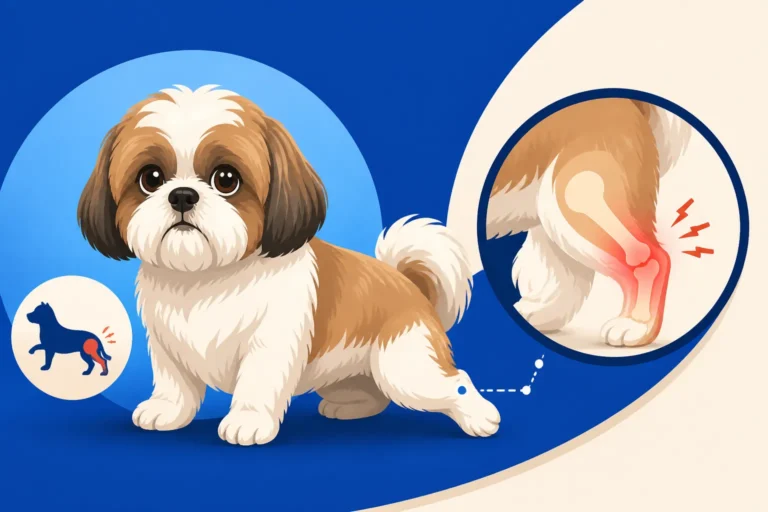
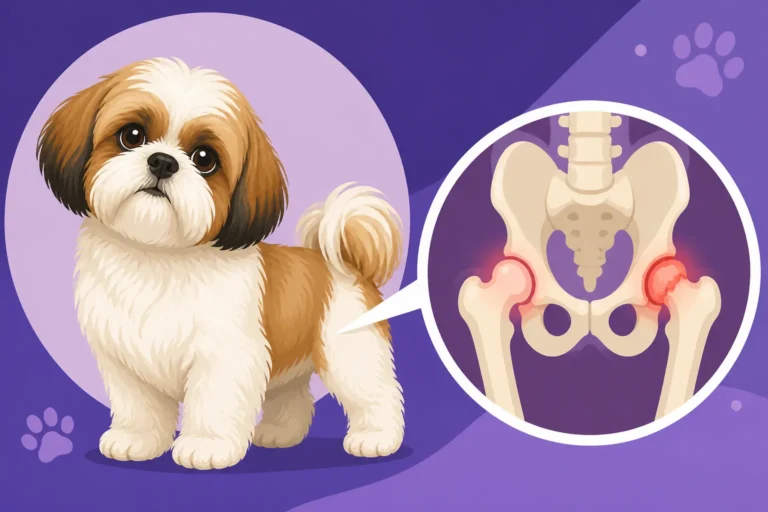
Arthritis, especially in older Shih Tzus, can cause chronic discomfort in the joints of their paws or lower legs. When a joint aches, licking can be a form of self-soothing, similar to how we might rub a sore muscle. Conditions like Shih Tzu Arthritis After the Age of Nine can make simple movements painful, and the constant licking is their way of trying to alleviate that deep ache. Similarly, a luxating patella (slipping kneecap), which is common in toy breeds, or even more serious issues like Shih Tzu Joint Problems in a Toy Frame can cause referred pain that manifests as paw licking. The dog might not be able to articulate where it hurts, so they target a general area of discomfort.
Beyond chronic conditions, acute injuries can also lead to obsessive paw licking. Your Shih Tzu might have stepped on something sharp, pulled a muscle or tendon, or even suffered a hairline fracture that isn't immediately obvious. Even seemingly minor incidents like a stubbed toe can cause significant pain for a small dog. Furthermore, spinal issues like Shih Tzu Back Problems and Disc Disease can sometimes cause nerve pain or tingling that the dog perceives as originating in their paws, leading them to lick excessively in an attempt to relieve the sensation. If you notice your Shih Tzu licking one paw more than the others, or if the licking seems to target a specific leg, a veterinary examination, including an orthopedic check, is absolutely essential.
Anxiety, Boredom, and Compulsive Behaviors
Sometimes, the paw licking isn't about physical irritation at all, but rather emotional or psychological distress. Dogs, like humans, can develop coping mechanisms for stress, and obsessive licking can be one of them.
Anxiety is a huge factor. Shih Tzus are companion dogs, bred to be close to their people, and they can be prone to separation anxiety. If your Shih Tzu is left alone for long periods, or if there's been a significant change in their routine or environment, they might start to lick their paws as a way to self-soothe and cope with the stress. This can be especially true if they are exhibiting other signs of anxiety, such as destructive chewing, excessive barking, or inappropriate urination. Building up Shih Tzu Alone Time and Learning to Tolerant It gradually and providing plenty of mental enrichment can sometimes help alleviate these behaviors. For some dogs, this can develop into a form of obsessive-compulsive disorder (OCD), where the licking becomes a habitual behavior that they struggle to stop, even when the initial trigger is gone.
Boredom can also play a significant role. Shih Tzus are relatively low-energy dogs, but they still require mental and physical stimulation. If they're not getting enough walks, playtime, or interactive toys, they might turn to their paws out of sheer boredom. Licking provides a form of self-entertainment and can release endorphins, creating a pleasurable sensation that reinforces the behavior. This is particularly common in younger dogs or those with a lot of pent-up energy. Ensuring your Shih Tzu has access to puzzle toys, regular short walks, and engaging play sessions can often mitigate boredom-induced licking.
It's important to recognize that while these behavioral causes might start innocently, they can quickly lead to physical problems. Constant licking will eventually break down the skin barrier, making the paws susceptible to secondary bacterial and yeast infections, even if the primary cause was anxiety or boredom. This creates a complex situation where you might be treating both the behavioral issue and the physical infection simultaneously. Addressing Shih Tzu Behavior Problems That Start Early can prevent these issues from becoming ingrained habits.
Practical Steps to Stop the Licking and Promote Healing
Dealing with a Shih Tzu that is licking their paws raw requires a methodical approach. It’s not just about stopping the licking in the moment; it’s about understanding the root cause and implementing a plan for long-term relief and prevention.
Veterinary Diagnosis is Key
The absolute first and most crucial step when your Shih Tzu is licking their paws raw is a visit to your veterinarian. As we've discussed, there are so many potential causes, and guessing can lead to prolonged discomfort and ineffective treatments. Your vet is equipped to systematically rule out or identify the underlying issue.
During the examination, your vet will perform a thorough physical check, paying close attention to the paws. They'll look for redness, swelling, discharge, foreign objects, and signs of pain. Often, they'll recommend diagnostic tests right away. A common test is a cytology or skin scrape, where a small sample is taken from the irritated skin and examined under a microscope. This allows the vet to identify yeast, bacteria, or mites, which are often present in raw paws. They might also suggest a fungal culture to confirm specific types of fungal infections. If allergies are suspected, your vet might discuss options like allergy testing (either blood tests or intradermal skin tests) or guide you through an elimination diet trial for suspected food allergies. Understanding Shih Tzu Allergy Testing and Treatment Costs can help you prepare for these steps.
It's vital not to try and self-diagnose or treat with over-the-counter remedies without veterinary guidance. What might help one type of infection could worsen another. For instance, using a steroid cream on a fungal infection could actually make it much worse. Your vet will create a targeted treatment plan based on their findings, which could include antibiotics, antifungals, antihistamines, or anti-inflammatory medications. They might also recommend special shampoos, medicated wipes, or paw soaks. Early intervention is critical; the longer the licking continues, the more damage is done to the skin, and the higher the risk of deep-seated infections that are harder to clear.
Home Care and Management Strategies
While your vet works on diagnosing and treating the underlying cause, there are several things you can do at home to help manage the licking and promote healing. One of the most important immediate steps is to prevent your Shih Tzu from doing further damage. This often means using an Elizabethan collar (E-collar, or "cone of shame") or soft protective booties. While your dog might not love them, these tools are indispensable for breaking the lick-itch cycle and allowing the skin to heal. Just ensure the booties are breathable to prevent moisture buildup, which can exacerbate infections.
Maintaining good paw hygiene is also essential. Gently cleaning your Shih Tzu's paws regularly, especially after walks, can remove allergens and irritants. Use warm water and a mild, pet-safe soap or an antimicrobial paw wipe recommended by your vet. Pat the paws completely dry, paying close attention to the spaces between the toes and pads, where moisture can easily get trapped. Your vet might also prescribe medicated paw soaks, using solutions that contain chlorhexidine or Epsom salts, to help reduce inflammation and fight infection. These soaks need to be done diligently according to your vet's instructions. This falls under the broader umbrella of Shih Tzu Ear and Paw Care which should be a regular part of your grooming routine.
If food allergies are suspected, strictly adhering to the elimination diet prescribed by your vet is paramount. This means absolutely no cheating with treats, table scraps, or other foods not included in the special diet. It can be challenging, but consistency is key to getting accurate results. Exploring Novel Proteins for a Shih Tzu That Scratches can open up new dietary avenues. Finally, don't underestimate the power of mental and physical enrichment. If boredom or anxiety is a contributing factor, increasing playtime, providing puzzle toys, and ensuring regular, stimulating walks can significantly reduce stress-related licking.
Addressing Underlying Issues and Preventing Recurrence
Effective, long-term management of paw licking means going beyond just stopping the immediate behavior and truly tackling the root cause. This often involves a multi-faceted approach, combining veterinary treatments with ongoing preventive care at home.
For allergic Shih Tzus, managing their environment is crucial. This might mean keeping your home as dust-free as possible with frequent vacuuming (preferably with a HEPA filter) and regular washing of your dog's bedding. After outdoor excursions, especially during high pollen seasons, make it a habit to wipe down or rinse your Shih Tzu's paws to remove allergens. You might also consider dog-safe booties for walks to create a barrier against environmental irritants. For dogs with severe or persistent allergies, your vet might discuss ongoing medical management, which could include long-term antihistamines, steroids, or newer medications designed to target specific allergic pathways. Healthy Paws and similar pet insurance providers can be a lifesaver here, as ongoing allergy treatments can become quite costly, ensuring you can afford the best care for your Shih Tzu.
Regular grooming is also a powerful preventive measure. Keeping the hair between your Shih Tzu's paw pads trimmed short helps prevent matting, which can pull on the skin and cause irritation. It also makes it harder for debris and allergens to cling to the paws and helps air circulate, reducing moisture and the risk of yeast infections. Whether you opt for professional grooming every few weeks or tackle it at home, proper paw maintenance is essential. You can learn more about managing their coat by reading about Choosing Between a Full Coat and a Puppy Cut, which often includes keeping paw hair shorter.
If behavioral issues like anxiety or boredom are the primary drivers, a comprehensive plan is needed. This could involve working with a certified professional dog trainer or a veterinary behaviorist who can help identify triggers and implement behavior modification techniques. In some cases, medication might be prescribed by your vet to help manage severe anxiety, alongside environmental enrichment and training. Remember, a happy, well-stimulated Shih Tzu is less likely to resort to obsessive behaviors.
Here’s a quick overview of potential causes and initial steps:
| Cause | Common Signs | Initial Owner Action | Veterinary Action |
|---|---|---|---|
| Allergies (Environmental/Food) | Red, itchy, inflamed paws; may have "yeasty" smell; other itching | Vet visit; hypoallergenic food trial; paw wipes after walks | Allergy testing; antihistamines; steroids; novel medications |
| Infections (Yeast/Bacterial) | Strong odor; greasy, discolored skin; pustules, crusts; pain | Vet visit; keep paws clean and dry; prevent licking with cone | Cytology/Culture; antifungals; antibiotics; medicated soaks |
| Parasites (Fleas/Mites) | Intense itching, hair loss; sometimes visible parasites | Vet visit; regular parasite prevention | Skin scrape; specific anti-parasitic medications |
| Foreign Objects (Grass Awns/Splinters) | Sudden onset licking, limping; swelling of one paw | Vet visit; check paws carefully; prevent further licking | X-ray; removal of foreign object; antibiotics if infected |
| Pain/Orthopedic Issues | Licking one specific paw/leg; limping; reluctance to move | Vet visit; observe for lameness or reluctance to bear weight | Physical exam; X-rays; pain medication; joint supplements |
| Anxiety/Boredom | Licking when left alone or under-stimulated; other anxiety signs | Vet visit; increased exercise/enrichment; puzzle toys | Behavior modification; anti-anxiety medication (if severe) |
Remember, patience and persistence are key. It can take time to pinpoint the exact cause and find the right combination of treatments and management strategies. But with your dedication and your vet's expertise, your Shih Tzu can find relief from raw, itchy paws and enjoy a more comfortable life.
Disclaimer
The information provided in this article is for general informational purposes only and is not a substitute for professional veterinary advice. Always seek the advice of your veterinarian or other qualified animal health provider with any questions you may have regarding a medical condition or treatment for your pet. Never disregard professional veterinary advice or delay in seeking it because of something you have read here.