Spotting Heat Trouble in a Shih Tzu
It’s a heart-wrenching fear for any Shih Tzu owner: that moment when you see your precious little companion struggling in the heat. Their sweet, flat faces and luxurious coats, which make them so adorable, also put them at a serious disadvantage when the temperatures rise. It's not just about comfort; it's about their very well-being. This comprehensive guide is here to walk you through exactly how to recognize the subtle and overt signs of heat trouble in your Shih Tzu, giving you the knowledge to act swiftly and keep them safe.
Why Shih Tzus Struggle with Heat More Than Other Dogs
Understanding why your Shih Tzu is more susceptible to overheating isn't just academic; it's crucial for proactive care. Their unique physiology, a result of their long breeding history, means they don't process heat like other dog breeds, making even a moderately warm day a potential risk.
The Brachycephalic Challenge
The term "brachycephalic" refers to breeds with shortened snouts and flattened faces, and this is perhaps the single biggest factor in why Shih Tzus have such a hard time in the heat. Think about it: dogs cool themselves primarily through panting. As they pant, air passes over the moist surfaces of their tongue and respiratory tract, and the evaporation of that moisture helps cool their blood. For a Shih Tzu, that short snout means their airway is, quite literally, compressed. They don't have the long nasal passages that other dogs do, which act like a natural cooling system, increasing the surface area for heat exchange before air even reaches their lungs.
This anatomical quirk means a Shih Tzu has to work significantly harder to move the same amount of air as a dog with a longer nose. They might be panting furiously, seemingly trying their best to cool down, but the efficiency of that panting is severely compromised. It’s like trying to drink through a bent straw – you're putting in the effort, but not much is getting through. This is precisely Why a Shih Tzu Cannot Cool Itself Well. When your Shih Tzu is already panting with some effort even on a mild day, imagine the struggle when the mercury climbs. They simply can’t get enough cool air in or enough warm air out, creating a dangerous internal heat buildup. It's a key aspect of Brachycephalic Breathing in a Shih Tzu that owners need to be acutely aware of.
The Double Coat Dilemma
On top of their respiratory challenges, Shih Tzus sport a magnificent double coat. This dense, luxurious fur is beautiful to behold and was historically valued for its insulating properties in colder climates. However, in warmer weather, it becomes a literal blanket, trapping heat close to their body. Many owners mistakenly believe that shaving their Shih Tzu completely will solve this problem, but a short coat can actually expose their delicate skin to sunburn, and the double coat itself, when healthy and well-maintained, can offer some protection from the sun's direct rays, much like insulation in a house.
The real issue arises when the coat isn't properly maintained. A matted coat, for instance, prevents air circulation entirely, making it nearly impossible for any trapped heat to escape. Imagine wearing a heavy, felted wool coat in summer; that's what a matted Shih Tzu feels. Regular, thorough Brushing a Shih Tzu Double Coat Every Day is absolutely essential, even if you keep your Shih Tzu in a shorter "puppy cut." This grooming helps to remove loose undercoat and allows air to circulate closer to the skin, which is crucial for their natural cooling processes. If the coat is neglected, it compounds the already difficult task their bodies have in regulating temperature.
Low Exercise Tolerance and Environment Sensitivity
You might think a small dog like a Shih Tzu can handle a bit more activity than they actually can, especially when it's warm. But their combined brachycephalic breathing and heavy coat mean their threshold for activity in heat is incredibly low. Even a short stroll around the block or a burst of zoomies in the backyard on a warm afternoon can push them into dangerous territory. Their small stature doesn't give them an advantage here; in fact, it means their bodies have less surface area relative to their volume for heat dissipation.
Consider the scenario: it's a pleasant 75-degree day, and you take your Shih Tzu for a quick, ten-minute walk. For a long-nosed breed, this might be a comfortable outing. For your Shih Tzu, however, the effort of walking combined with the environmental heat can quickly lead to overheating. They aren't built for strenuous activity, especially when they need to work harder to breathe and cool down. This is why Shih Tzu Exercise Intolerance in Summer is such a critical consideration. Their flat face means they can't effectively pant away the heat generated by even mild exercise. Furthermore, they are highly sensitive to their environment; humidity, even more than dry heat, makes it exponentially harder for them to cool down because evaporation, their primary cooling mechanism, is less efficient in humid air. This sensitivity to external conditions is a key reason why they're prone to heat trouble.
Recognizing the Early Warning Signs of Overheating
Catching heat trouble early can make all the difference for your Shih Tzu. These little dogs are experts at masking discomfort, so it's up to us, their human companions, to be vigilant and know what to look for. Don't wait for dramatic symptoms; subtle changes often precede a full-blown emergency.
Subtle Behavioral Changes
The first signs of your Shih Tzu getting too warm are often behavioral, and they can be easy to dismiss if you're not paying close attention. Your usually playful, boisterous Shih Tzu might suddenly seem a bit "off." They might become unusually lethargic, showing a noticeable lack of interest in their favorite toys or activities. Instead of greeting you at the door with their usual enthusiasm, they might offer a weak wag of the tail or simply stay lying down.
Another key indicator is seeking out cooler spots. You might find your Shih Tzu relocating from their sunny nap spot to a patch of shade, or even stretching out on cool tile or concrete, trying to get as much of their body in contact with a colder surface as possible. They might be reluctant to move, refusing to follow you from room to room or showing disinterest in going outside for a walk. Their responses might be slower, their typical curiosity replaced by a duller, more subdued demeanor. This isn't just your dog "being lazy" or "chilling out"; it's their body’s quiet plea for help, signaling that they're expending all their energy trying to keep cool internally. Learning to read these subtle cues is the first line of defense against escalating heat stress.
Physical Indicators You Can See and Feel
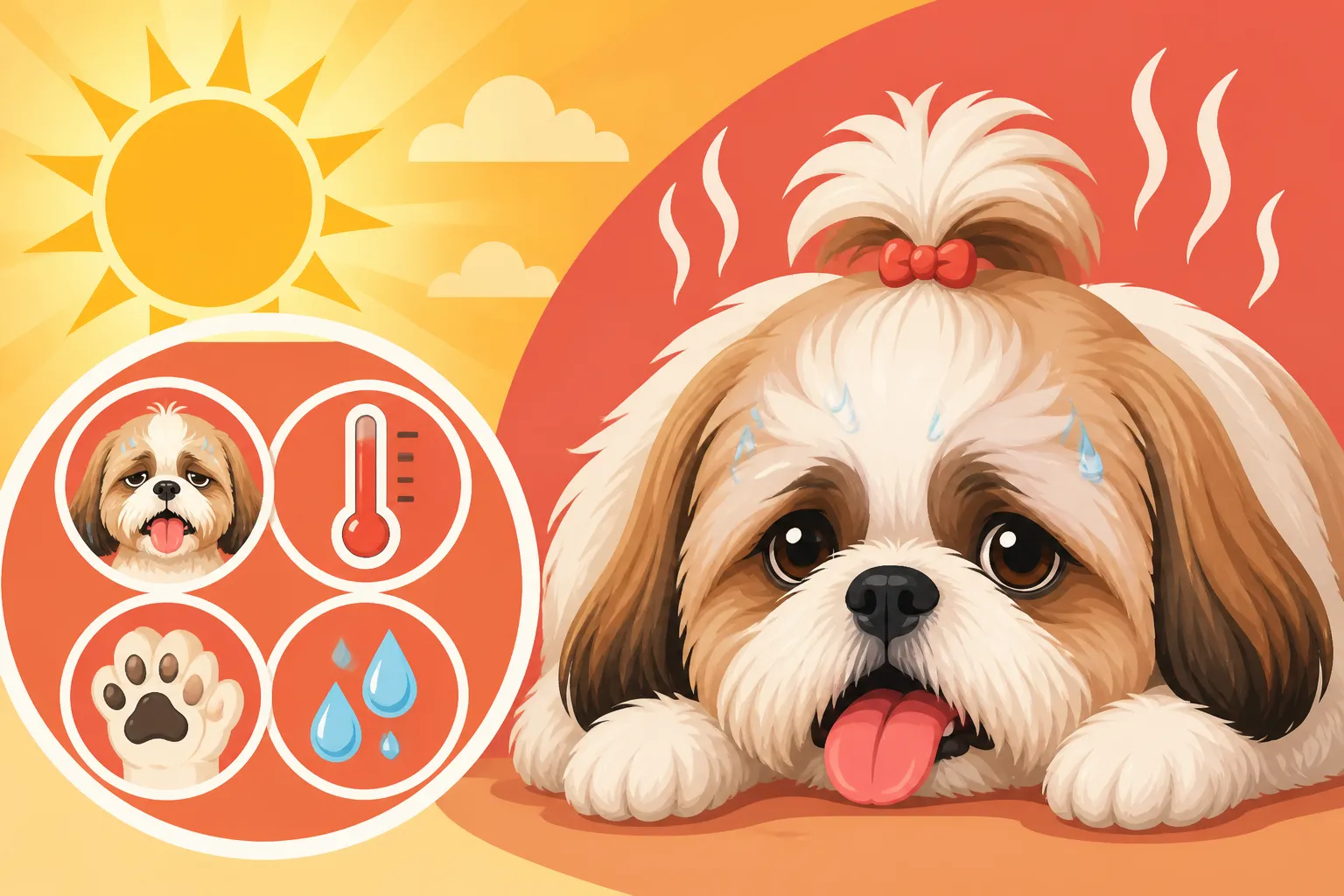
As heat stress progresses, more noticeable physical signs will start to emerge. These are often easier to spot than the subtle behavioral changes, but by this point, your Shih Tzu needs immediate intervention. The most obvious sign is heavy, exaggerated panting. While some panting is normal for dogs trying to cool down, an overheated Shih Tzu will pant much harder and faster than usual, often with a wide-open mouth, and the panting might sound strained or labored. They might also drool excessively, with strings of saliva hanging from their mouth as their body tries to evaporate moisture from anywhere it can.
Take a look at their gums and tongue. Normally, a Shih Tzu's gums should be a healthy bubblegum pink. If they are overheating, their gums and tongue might appear a much brighter, almost fiery red. This indicates increased blood flow as their body tries to radiate heat. You can also feel their ears and paws; they might be noticeably warmer to the touch than usual. Another sign is a rapid heart rate, which you might be able to feel by gently placing your hand on their chest behind their elbow. While you might associate thirst with overheating, be aware that Excessive Thirst as the First Kidney Sign can be indicative of many health issues, but in the context of heat, intense, unquenchable thirst is a serious sign of dehydration. If you notice these physical changes, don't delay – immediate cooling measures are needed.
Gastrointestinal Upset and Coordination Issues
If the signs of heat stress are allowed to escalate, your Shih Tzu may start to exhibit gastrointestinal upset and neurological symptoms, which are serious red flags. Vomiting and diarrhea are not uncommon in cases of moderate to severe heat stress. Their body, under extreme duress, might be attempting to purge toxins or simply reacting to the internal chaos caused by overheating. This can also lead to further dehydration, worsening their condition rapidly.
Beyond digestive issues, you might notice a significant decline in their coordination. Your Shih Tzu could start stumbling, appearing disoriented, or even losing their balance altogether. They might seem wobbly on their feet, like they're "drunk," or they might walk with an unsteady gait. In more severe cases, they might struggle to stand, collapsing or swaying uncontrollably. This loss of coordination signals that their brain and central nervous system are being affected by the elevated body temperature, which is a very dangerous situation. These symptoms mean that the heat has already done significant damage, and the situation is quickly becoming life-threatening.
When Heat Stroke Becomes an Emergency
Heat stroke is a medical emergency that requires immediate veterinary attention. These signs are not subtle; they indicate a critical breakdown of your Shih Tzu's internal systems due to extreme overheating. Recognizing them means dropping everything and getting your dog to the nearest emergency clinic.
Collapse and Loss of Consciousness
One of the most alarming and unmistakable signs that your Shih Tzu is in the throes of severe heat stroke is collapse. This isn't just a gentle lie-down; it's a sudden loss of ability to stand or move, often followed by unresponsiveness. Your dog might literally just fall over, becoming limp and unable to get back up. In this state, they might seem completely unconscious or semi-conscious, not responding to your voice, touch, or even gentle prodding. Their eyes might be glazed over, or they might stare blankly.
This immediate and profound physical breakdown signals that their body's core temperature has reached a dangerously high level, causing widespread organ dysfunction, including to the brain. Their central nervous system is overwhelmed, and their vital functions are severely compromised. Seeing your beloved Shih Tzu collapse and become unresponsive is a terrifying experience, but it’s a clear call to action: this is a full-blown emergency. Every second counts. Get them to a cool place and initiate first aid while arranging for immediate veterinary transport.
Seizures and Muscle Tremors
Another terrifying symptom of advanced heat stroke is the onset of seizures or severe muscle tremors. A heat-induced seizure can manifest in various ways, from violent, uncontrollable shaking of the entire body to more localized twitching or rigid spasms. Your Shih Tzu might foam at the mouth, lose bladder or bowel control, and their eyes might roll back. These neurological events are directly caused by the extremely high body temperature affecting brain function. The brain cells cannot tolerate such elevated heat, leading to abnormal electrical activity.
Even without a full-blown seizure, you might notice uncontrollable muscle tremors or fasciculations (small, involuntary muscle contractions). This shaking can be constant and intense, signaling that their nervous system is in distress. For more context on seizures in general, you can look up Seizures in a Shih Tzu and What Triggers Them, but in the context of overheating, any seizure-like activity is an immediate heat stroke emergency. These symptoms indicate a critical breakdown in their body's ability to regulate itself and can lead to permanent brain damage or be fatal if not treated immediately.
Blue or Pale Gums and Rapid, Shallow Breathing
While earlier signs of overheating might include bright red gums, as heat stroke progresses to a critical stage, you might notice a very different and far more alarming change in your Shih Tzu's gum color: they can turn blue or even a very pale, almost white, shade. Blue gums (cyanosis) indicate a severe lack of oxygen in the blood, often due to respiratory collapse or circulatory shock. This means their body isn't getting enough oxygen, and their organs are suffering. Pale gums, on the other hand, can suggest severe dehydration, shock, or even internal bleeding, all of which are dire consequences of prolonged heat stroke.
Accompanying these grave changes in gum color will be extremely rapid, but often very shallow, breathing. The heavy, labored panting might give way to quick, short breaths that don't seem effective. This can indicate that their respiratory system is failing, or they are going into shock. Their breathing might become erratic, or they might appear to gasp for air without making much progress. At this point, their body is in a state of severe crisis, with multiple organ systems shutting down. The combination of blue or pale gums and ineffective, shallow breathing is a clear signal that your Shih Tzu is in a life-threatening situation and requires immediate, aggressive veterinary intervention to have any chance of recovery.
Immediate Actions and Prevention Strategies
Dealing with an overheated Shih Tzu is terrifying, but knowing exactly what to do can save their life. Beyond the immediate crisis, prevention is always the best medicine, ensuring your fluffy friend stays safe and comfortable.
First Aid for an Overheated Shih Tzu
If you suspect your Shih Tzu is overheating, you need to act fast. Your immediate priority is to lower their body temperature, but you must do so carefully to avoid shocking their system. First, move your Shih Tzu out of the heat source immediately. Get them indoors, into an air-conditioned space, or at least into deep shade. Offer them cool, fresh water. Don't force them to drink, but make it available.
Next, start cooling their body. The most effective way to do this is by applying cool (not ice-cold) water or damp towels to key areas. Focus on their paw pads, armpits, and groin area, where major blood vessels are close to the surface. You can also gently mist their face and body with cool water. A fan directed at them can help evaporate the water, aiding the cooling process. Crucially, do not use ice or ice-cold water, and never submerge them in very cold water. This can cause the blood vessels to constrict, trapping heat inside their core, and can send them into shock. The goal is a gradual, steady decrease in temperature, not a sudden plunge. While performing these steps, keep a close eye on their breathing and responsiveness.
When to Seek Veterinary Care
While performing first aid at home is critical, it's equally important to know when to call in the professionals. If your Shih Tzu is exhibiting any of the severe signs of heat stroke – collapse, unresponsiveness, seizures, severe disorientation, blue or pale gums, or continuous vomiting/diarrhea – you need to get them to an emergency veterinarian immediately. Don't wait to see if the cooling measures work; every minute counts. Call ahead to the veterinary clinic or emergency hospital so they can prepare for your arrival. Be prepared for potential Shih Tzu Emergency Vet Costs Owners Should Expect, as heat stroke treatment can be intensive, involving IV fluids, oxygen therapy, and close monitoring.
Even if the initial cooling efforts seem to bring some improvement, it's still wise to have your Shih Tzu checked by a vet after a significant overheating scare. Heat stroke can cause internal organ damage that isn't immediately obvious, such as kidney damage, liver problems, or blood clotting issues. A vet can assess for these hidden complications and provide further supportive care if needed. It's always better to be safe than sorry when it comes to such a life-threatening condition.
Proactive Steps to Prevent Heat Trouble
Prevention is truly the best strategy when it comes to Shih Tzus and heat. Given their predispositions, it's vital to incorporate heat safety into your daily routine, especially during warmer months.
One of the most important preventive measures is mindful scheduling of outdoor activities. Avoid walking your Shih Tzu during the hottest parts of the day. Instead, aim for early morning or late evening walks when temperatures are cooler. Remember, Shih Tzu Walk Timing in Hot Weather can make a huge difference. Even then, keep walks short and watch for any signs of fatigue. Be particularly aware of The Outdoor Temperature Limit for a Shih Tzu; generally, if it’s above 80°F (27°C) or if humidity is high, it's best to keep your Shih Tzu indoors.
Always provide ample fresh water, both inside and outside. Consider adding ice cubes to their water bowl or using pet-specific water fountains to encourage drinking. Hydration is key. Cooling mats, cooling vests, and even a simple wet bandana can offer relief. You can find a wide variety of these items on platforms like Amazon or Chewy, which offer specialized cooling products designed for pets. These can be particularly beneficial after a short potty break outside or during times when the indoor temperature might be creeping up. Many of these products are specifically designed as Cooling Gear That Suits a Shih Tzu.
Never, ever leave your Shih Tzu unattended in a parked car, even for "just a minute" with the windows cracked. The temperature inside a car can rise to deadly levels within minutes, even on a seemingly mild day. This is an absolute non-negotiable rule for all dogs, but especially for brachycephalic breeds like Shih Tzus.
Regular grooming is also crucial. Keep their coat free of mats, as discussed earlier. While a full shave isn't always the answer, a well-maintained puppy cut can make air circulation easier. Understand Why a Flat Face Makes a Shih Tzu Overheat and adjust your expectations for their activity levels accordingly. And don't forget about Pavement Heat Under a Shih Tzu Foot. Asphalt and concrete can get scorching hot, easily burning their delicate paw pads and radiating heat up into their bodies. Always test the pavement with the back of your hand; if it's too hot for you to hold your hand there for five seconds, it's too hot for your Shih Tzu's paws.
By being diligent and proactive, you can help your beloved Shih Tzu enjoy the warmer seasons safely and comfortably.
| Severity Level | Signs to Look For | Immediate Actions | Veterinary Care |
|---|---|---|---|
| Mild | Heavy panting, seeking shade, lethargy, increased thirst | Move to cool spot, offer cool water, rest | Monitor closely, consult vet if symptoms persist or worsen |
| Moderate | Excessive drooling, bright red gums/tongue, wobbliness, mild vomiting | Move to cool spot, apply cool (not cold) wet towels to armpits/groin, offer cool water | Contact vet immediately, prepare for transport |
| Severe | Collapse, unresponsiveness, seizures, blue/pale gums, profuse vomiting/diarrhea | Move to cool spot, apply cool wet towels, call vet while doing so, transport immediately | Emergency Vet Visit REQUIRED. Do not delay. |
Disclaimer
This article is for general informational purposes only and does not constitute professional advice. Laws, prices and regulations vary by location and change over time. Consult a qualified professional for guidance on your specific situation.