Measuring Shih Tzu Food Properly
It’s a common frustration among Shih Tzu parents: you want to feed your beloved little fluffball just the right amount, but between vague bag guidelines and that perpetually hungry stare, it feels like a constant guessing game. Overfeeding or underfeeding a tiny dog like a Shih Tzu can have serious health consequences, from weight gain that strains their delicate joints to nutritional deficiencies that impact their energy and coat. This guide is here to unravel the mystery of proper food measurement, helping you ensure your Shih Tzu gets exactly what they need for a long, vibrant life.
Why Proper Measurement is Crucial for Your Shih Tzu's Health
You might think a little extra kibble here and there won't hurt, especially when those big, soulful Shih Tzu eyes are looking up at you. But for a small breed, even a seemingly minor deviation in food portion can have a significant impact on their overall health and well-being. Their compact size means their bodies are far more sensitive to calorie fluctuations than a larger dog's.
The Silent Threat of Overfeeding a Small Breed
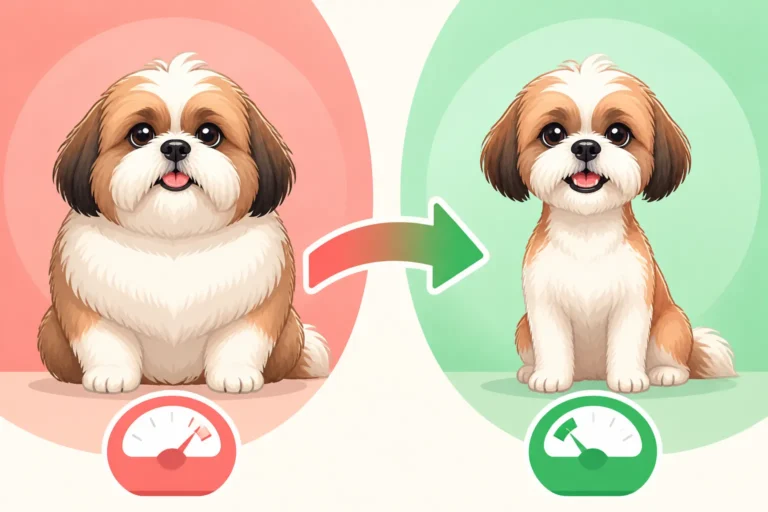
Picture this: your Shih Tzu weighs a healthy 12 pounds. If you accidentally add just an extra quarter-cup of kibble to their bowl each day, and that kibble contains, say, 100 calories per cup, you're giving them an additional 25 calories daily. Over a month, that's 750 extra calories. For a human, that might be negligible, but for a tiny Shih Tzu, it can quickly lead to unwanted weight gain. And we're not just talking about a little extra fluff around the middle; we're talking about a serious strain on their system. Shih Tzu Obesity on a Sixteen Pound Frame can exacerbate issues like Shih Tzu Back Problems and Disc Disease or Patellar Luxation in a Shih Tzu, turning a minor joint issue into a painful chronic condition. Obesity also makes it harder for them to breathe, which is already a concern for a brachycephalic breed. The dangers of weight gain can be truly insidious because their beautiful, flowing coats can often hide those extra pounds, making it difficult for owners to spot the problem until it's more advanced.
Underfeeding Risks and Nutritional Deficiencies
While overfeeding grabs a lot of the spotlight, underfeeding your Shih Tzu can be just as detrimental. Puppies, especially, need consistent and sufficient nutrition for proper growth and development. An underfed puppy might fail to thrive, showing stunted growth or a lack of energy. Adult Shih Tzus who aren't getting enough calories or nutrients might experience dull coats, skin issues, a compromised immune system, or simply a lack of zest for life. Perhaps your Shih Tzu is a picky eater, and you're just putting out what they might eat, not what they should eat. Or maybe you've tried cutting their portions back drastically in an attempt to manage weight, without truly understanding their basal metabolic rate. Nutritional deficiencies can creep up slowly, impacting everything from their vision to their organ function. It’s a delicate balance, and getting it wrong on either end can lead to a host of health problems that are entirely preventable with careful measurement.
Consistency is Key for Digestion and Routine
Shih Tzus, like many small breeds, thrive on routine. This isn't just about their emotional well-being; it's also about their digestive health. Feeding your Shih Tzu roughly the same amount of food at roughly the same times each day helps regulate their metabolism and digestive system. Erratic feeding schedules or wildly varying portion sizes can lead to upset stomachs, diarrhea, or constipation, none of which are pleasant for your little one (or for you, when you’re cleaning it up!). A consistent feeding routine helps their bodies anticipate meal times, promoting better nutrient absorption and minimizing stress on their digestive tract. It also makes it easier to spot when something is off with their appetite, which can be an early indicator of a health issue. A predictable schedule helps build trust and makes them feel secure, reinforcing their role as a cherished member of your family.
Understanding Your Shih Tzu's Caloric Needs
It's tempting to just scoop and serve, especially when you're busy, but taking a moment to understand what your Shih Tzu actually needs can make all the difference. Their caloric requirements aren't static; they shift throughout their lives based on a variety of factors.
Factors Influencing a Shih Tzu's Daily Calorie Intake
Your Shih Tzu isn't a one-size-fits-all model, and neither are their dietary needs. Several factors play a huge role in determining how many calories they truly need each day. First, age is paramount. A growing Shih Tzu puppy needs more calories per pound of body weight than a sedentary senior dog to support rapid development. The Age a Shih Tzu Stops Growing is important to note as you transition them from puppy food. Conversely, a Senior Shih Tzu Care Past the Age of Ten might require fewer calories due to a slower metabolism and reduced activity, but they might need specially formulated food to support aging organs or Feeding an Old Shih Tzu With Missing Teeth.
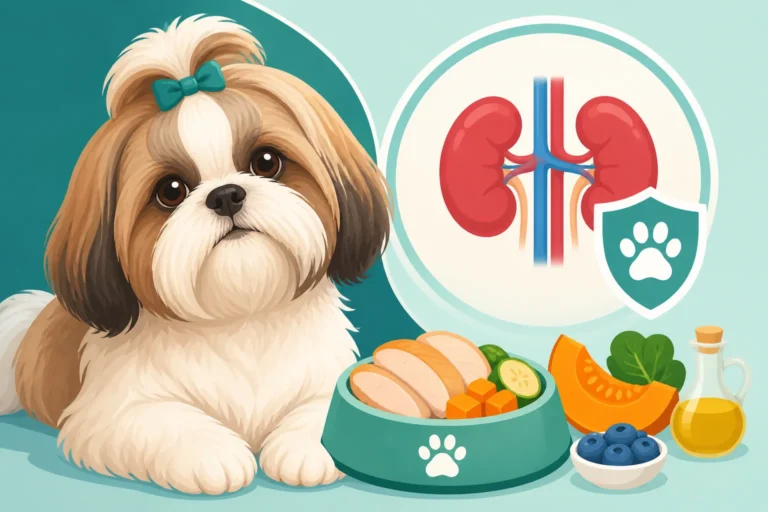
Activity level is another major influencer. Is your Shih Tzu a couch potato who enjoys short, leisurely strolls, or are they an energetic dynamo who zips around the house and demands longer play sessions? An active dog burns more calories and needs more fuel. Their metabolism also plays a part; some dogs are naturally more efficient at burning calories than others. Neutered or spayed dogs often have a slightly lower caloric requirement than intact dogs due to hormonal changes, which is why many vets recommend adjusting food intake after the procedure. Finally, overall health conditions, such as kidney disease or recovering from surgery, will drastically alter their needs. For example, a Shih Tzu on a Kidney Diets for a Shih Tzu will have very specific nutritional guidelines that must be strictly followed.
Decoding Pet Food Labels and Feeding Guidelines
Turning over that bag of kibble, you're usually met with a table of feeding guidelines. It might say something like "feed 1/2 to 3/4 cup for dogs weighing 10-20 lbs." While these guidelines are a starting point, they are generalizations. Manufacturers often provide a broad range, and it's essential to understand that these are usually calculated for an "average" dog within that weight bracket, with an "average" activity level. Your Shih Tzu might be unique.
Moreover, different brands and formulas have vastly different caloric densities. One cup of premium, high-protein kibble could contain significantly more calories than one cup of a lower-quality, filler-heavy food. This is why simply sticking to "one scoop" without knowing the specific caloric content per cup of your chosen food can be misleading. Always look for the "kcal/cup" or "kcal/kg" information on the label. This tells you the actual energy content. Remember, these labels are a starting point for discussion with your vet, not a rigid rulebook carved in stone.
Calculating Maintenance Calories and Why It's Not Always Perfect
For those who love numbers, there are formulas to estimate a dog's caloric needs, often based on their Resting Energy Requirement (RER) and Daily Energy Requirement (DER). RER is the energy needed for basic bodily functions at rest, and DER factors in activity, age, and other variables. While these calculations can offer a more precise starting point than a bag label, they still involve estimations.
The most common formula for RER is (Body Weight in kg)^0.75 x 70. From there, you'd multiply the RER by a factor for DER: 1.6 for neutered/spayed adults, 1.8 for intact adults, and higher for puppies. However, performing these calculations accurately requires converting your Shih Tzu's weight to kilograms and having a reliable calculator for exponents. The key takeaway here is that these formulas are tools, not absolute truths. Every dog is an individual. A small, subtle change in your Shih Tzu's daily energy expenditure, like needing a ramp instead of jumping on the sofa because of a sore back, can alter their needs. A Shih Tzu That Will Not Jump on the Sofa due to pain will be burning fewer calories than a playful pup. This is why regular monitoring of their body condition and consulting with your veterinarian is always the best approach.
Practical Tools and Techniques for Accurate Feeding
Once you have a good idea of how much food your Shih Tzu needs, the next step is ensuring you measure it accurately. This is where many owners unintentionally fall short, often leading to unintended weight fluctuations.
The Essential Role of a Kitchen Scale
When it comes to precision, nothing beats a kitchen scale. Think about it: if you're baking, would you measure flour by scooping with a random cup, or would you use a scale to get an exact weight? The same principle applies to pet food. Kibble, even from the same bag, can vary in density. A "cup" of kibble might weigh differently depending on how tightly packed it is, the size and shape of the kibble pieces, or even the humidity in your home.
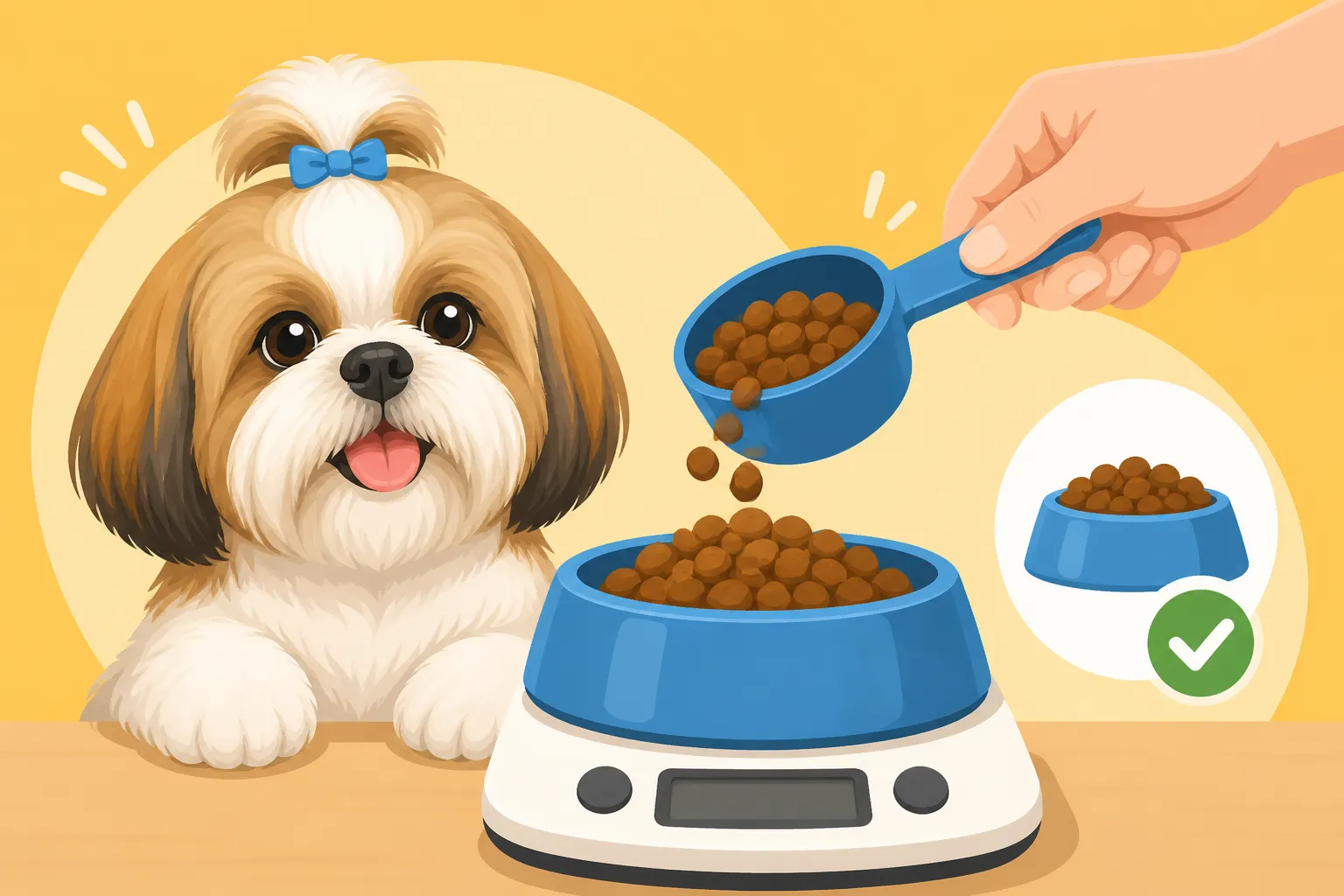
Using a kitchen scale (a simple digital one is perfect, you can find many options on Amazon) allows you to measure food by weight, typically in grams or ounces, which is far more accurate and consistent than volume. Most high-quality dog food bags provide feeding guidelines by weight (e.g., "feed 100 grams per day") in addition to, or instead of, cup measurements. If your food only lists cups, you can easily weigh out one cup of your specific kibble once to determine its average weight and then use that conversion for daily feeding. This eliminates the guesswork and ensures your Shih Tzu is getting a consistent and precise amount of calories every single time. It's a small investment that pays off immensely in health benefits.
Standard Measuring Cups vs. Actual Scales
Let's talk about those "standard" measuring cups that come with pet food bags or that you grab from your kitchen drawer. They are notoriously inaccurate for several reasons. Firstly, a "cup" of kibble isn't a universally standardized weight. As mentioned, density varies. Secondly, how you scoop can make a huge difference. Are you packing it down? Are you leveling it off? Or are you just loosely scooping? These subtle differences can add up to significant calorie discrepancies over time for a small dog.
Consider this scenario: you're aiming for 1/2 cup of kibble, but your scooping method consistently gives you 1/8 cup extra each time. For a Shih Tzu, that seemingly small difference could mean an additional 20-30 calories daily. That's What Two Extra Pounds Do to a Shih Tzu over the course of a year. The cumulative effect of these small errors is why many owners unknowingly contribute to their Shih Tzu's weight issues or, conversely, struggle to put healthy weight on a thin dog. This table illustrates the potential difference:
| Measurement Method | Target Amount (Kibble Type A) | Actual Weight (Approx. Grams) | Target Amount (Kibble Type B) | Actual Weight (Approx. Grams) |
|---|---|---|---|---|
| Standard 1/2 Cup | 60g | 55g (scooped lightly) | 70g | 75g (scooped densely) |
| Standard 1/2 Cup | 60g | 68g (packed) | 70g | 65g (fluffy) |
| Digital Scale | 60g | 60g | 70g | 70g |
As you can see, relying on a measuring cup can lead to wide variations. A digital scale ensures that when you mean 60g, you get 60g, every single time.
Portioning for Multiple Meals and Training Treats
Once you've determined the total daily caloric intake and measured it precisely by weight, you'll need to decide how to split it. For most adult Shih Tzus, two meals a day is ideal: morning and evening. This helps manage hunger, prevent gulping, and keep their blood sugar levels stable. Splitting a Shih Tzu Ration Across Two Meals is generally recommended for good digestive health. If your Shih Tzu is a puppy, they may need three smaller meals throughout the day.
Now, let's talk about treats. Oh, those irresistible little morsels! While they're wonderful for training and bonding, they must be factored into your Shih Tzu's daily caloric intake. Many owners forget that treats are food, too. If you're giving a few larger treats, or many smaller ones, throughout the day, those calories add up quickly. A good rule of thumb is that treats should make up no more than 10% of their daily calories. Look for Treats Small Enough for a Shih Tzu Session and choose low-calorie options when possible. If you use fresh food from a brand like Ollie for meals, you might find that their portioning advice already accounts for a balanced diet, making it easier to manage. If you're using a lot of treats for training, consider reducing the size of their main meals slightly on those days to compensate. It's all about balancing the total intake for the entire day.
Common Pitfalls and Troubleshooting Feeding Challenges
Even with the best intentions, it's easy to fall into common feeding traps. Understanding these pitfalls can help you avoid them and maintain your Shih Tzu's ideal weight and health.
The "Eyeball Method" and Its Dangers
We’ve all been there: you’re rushing, or you’ve run out of clean measuring cups, and you just eyeball a portion of kibble. A little extra here, a little less there – it feels harmless, right? For a Shih Tzu, however, the "eyeball method" is a slippery slope. Their small size means that even a minor misjudgment can translate to a significant percentage of their daily caloric needs. A Shih Tzu might only need around 300-400 calories a day, depending on their activity and metabolism. If your eyeball method consistently adds an extra 50 calories, that's a whopping 12-16% increase, every single day.
Over time, this leads to gradual, often unnoticed, weight gain. Why a Full Coat Hides Shih Tzu Weight Gain is a real problem for our breed; those luxurious locks can camouflage extra padding, making it hard to see the changes in their body condition. By the time you notice their waist disappearing or their movements slowing down, they might already be significantly overweight. The solution? Get that kitchen scale out, even if it adds an extra 30 seconds to your routine. Consistency in measurement is paramount to keeping your Shih Tzu at a healthy weight and avoiding the health complications associated with obesity.
Accounting for Treats, Chews, and Table Scraps
This is another huge area where hidden calories can sneak in. That little piece of cheese you shared, the crust from your sandwich, the training treats given throughout the day – they all contribute to your Shih Tzu's total intake. It's hard to resist those adorable begging eyes, but even small amounts of human food can be calorie bombs for a tiny dog, not to mention potentially harmful. Many common human foods are Kitchen Foods That Are Toxic to a Shih Tzu, so it’s always better to err on the side of caution.
Many commercial treats are also surprisingly high in calories. If you're diligently measuring your Shih Tzu's meals but then liberally dishing out treats, you're undermining your efforts. To truly manage your Shih Tzu's weight and nutrition, every single morsel that goes into their mouth needs to be accounted for. If you love giving treats, try breaking them into tiny pieces, or opt for low-calorie options like small bits of plain cooked carrots, green beans, or blueberries (in moderation). When you're training, use their actual kibble as rewards, especially if they are highly food motivated. This way, the "treats" are already part of their measured daily ration.
Adjusting for Changes in Activity Level or Health
Your Shih Tzu's life isn't static, and neither should be their feeding plan. Their caloric needs will naturally fluctuate. If you suddenly find yourself less active, perhaps due to a temporary injury (yours or theirs!), or if the weather keeps you indoors, their energy expenditure will decrease. On the flip side, if you're taking them for longer walks or they're more playful, they might need a slight bump in calories.
Health changes are another critical time for adjustment. A senior Shih Tzu, as they get older, might become less active, requiring a reduction in Daily Calories for a Twelve Pound Shih Tzu to prevent weight gain. If they're diagnosed with a condition like kidney disease, your vet will likely recommend a prescription diet, and the portions of this specialized food will need to be measured precisely according to veterinary instructions. Renal Diets for a Shih Tzu With Dysplasia are formulated with specific protein and phosphorus levels, and overfeeding or underfeeding can impact their efficacy. Always consult your veterinarian before making significant changes to your Shih Tzu's diet, especially if it's related to a health condition or a new life stage. They can help you calculate and monitor their ideal weight and adjust their food accordingly.
Working With Your Vet and Product Choices
Navigating the world of pet nutrition can be overwhelming, but you're not alone. Your veterinarian is your best partner in ensuring your Shih Tzu is getting the right amount of food, and understanding your product choices can make the process simpler.
The Vet's Role in Determining Ideal Weight and Portion
Honestly, your vet is your secret weapon when it comes to proper feeding. They don't just treat illnesses; they're also experts in preventative care, and nutrition is a huge part of that. During annual check-ups, your vet will perform a Body Condition Score (BCS), which is a hands-on assessment of your Shih Tzu's body fat. This is often more accurate than just weighing them, especially for a furry breed like the Shih Tzu where Why a Full Coat Hides Shih Tzu Weight Gain. They can feel for ribs, waist tuck, and overall muscle mass.
Based on this assessment, their age, activity level, and any underlying health conditions, your vet can give you a precise recommendation for daily caloric intake. They can help you decipher pet food labels, advise on appropriate food choices (like Senior Shih Tzu Food After the Age of Ten for an older dog), and guide you on how to incrementally adjust portions if your Shih Tzu needs to gain or lose weight. Don't be shy about asking for specific gram or calorie targets; it makes your job at home much easier. Your vet can also offer advice on how to handle Shih Tzu Obesity and the Load on Its Back, if your little one has packed on too many pounds.
Choosing the Right Food and How It Impacts Measurement
The type of food you choose for your Shih Tzu can also influence how you approach measurement.
- Kibble: This is the most common and often the easiest to measure, especially by weight using a kitchen scale. Different kibble shapes and sizes can impact how much fits into a measuring cup, but a scale bypasses this entirely. If you buy larger bags of kibble from online retailers like Chewy, you'll have a consistent product, making it easy to establish a routine.
- Wet Food: Canned food is typically more calorie-dense by volume than kibble. Its moisture content also means dogs often feel fuller on less. Measuring wet food can be done by weight with a scale, or by using the specific can size as a portion guide, often broken into halves or quarters as recommended by the manufacturer.
- Fresh/Human-Grade Food: Brands like Ollie deliver pre-portioned, human-grade meals that are often customized to your dog's specific caloric needs. This can take all the guesswork out of measuring, as the portions are often delivered in individual packs, ready to serve. This can be a game-changer for owners who want precision without the daily hassle of measuring.
- Home-Cooked Diets: If you're preparing meals at home, precise measurement is absolutely critical to ensure nutritional completeness and appropriate calorie intake. This approach almost always requires a vet-approved recipe formulated by a veterinary nutritionist and a kitchen scale to measure ingredients accurately.
Regardless of the type of food, understanding its caloric density (kcal/cup or kcal/g) is paramount, as this information directly dictates how much you should be feeding.
Leveraging Technology and Online Resources
In today's digital age, there are numerous tools and resources that can help you with proper food measurement, but always with a word of caution.
- Online Calorie Calculators: Many reputable pet food brands and veterinary sites offer online calculators to estimate your Shih Tzu's daily caloric needs. You input their weight, age, activity level, and whether they are spayed/neutered, and it gives you an estimated calorie range. Remember, these are estimates, so always cross-reference with your vet.
- Tracking Apps: There are pet-specific apps that allow you to log your Shih Tzu's food intake, treats, and even exercise. This can be incredibly helpful for owners who are trying to manage weight or understand where hidden calories might be coming from.
- Product Reviews and Information: Websites like Amazon and Chewy are fantastic for reading reviews on specific dog foods and for finding the nutritional information panels that might not be easily accessible elsewhere. You can compare calorie counts per cup or per serving, check ingredient lists, and get a better understanding of the products you're considering. Just remember to prioritize information from official brand websites or veterinary sources.
While technology is a great aid, it should always supplement, not replace, the personalized advice you receive from your veterinarian. They have the full picture of your Shih Tzu's health history and can provide the most tailored guidance.
Ultimately, measuring your Shih Tzu's food properly isn't about being overly strict; it's about providing the consistent, appropriate nutrition they need to thrive. It requires a little diligence, the right tools, and an ongoing conversation with your vet, but the reward is a happy, healthy companion who will be by your side for years to come.
Disclaimer
This article is for general informational purposes only and does not constitute professional advice. Laws, prices and regulations vary by location and change over time. Consult a qualified professional for guidance on your specific situation.