Feeding a Shih Tzu Puppy Through Its Growth
Bringing home a tiny Shih Tzu puppy is an absolute joy, but it also comes with a lot of questions, especially around feeding. You want to make sure your little fluffball gets everything they need to grow into a healthy, happy adult, and navigating the world of puppy nutrition can feel overwhelming with so many options and advice floating around. This guide is here to cut through the confusion, offering a comprehensive look at how to properly feed your Shih Tzu puppy from those first wobbly steps right through their critical growth period, ensuring they thrive every single day.
The Nutritional Demands of a Growing Shih Tzu Puppy
When you first welcome a Shih Tzu puppy into your home, you might be surprised by how much energy they pack into such a small body. They're exploring, learning, and growing at an incredible rate, and all of that activity requires very specific nutritional support. Puppyhood isn't just a mini version of adulthood; it's a unique and demanding phase that calls for a carefully tailored diet.
Why Puppy Food is Different
It’s tempting to think that all dog food is essentially the same, but puppy food is formulated with distinct differences to meet the intense demands of rapid growth. First and foremost, puppies need more calories per pound of body weight than adult dogs. Their tiny bodies are building bone, muscle, and organs at an accelerated pace, which is a very energy-intensive process. If they don't get enough calories, their growth can be stunted, or they might not have the energy for proper development and play.
Beyond just calories, puppy food contains a different balance of macronutrients – protein, fat, and carbohydrates. Protein is crucial for building and repairing tissues, and puppies need a higher percentage of it for muscle development. Healthy fats provide concentrated energy and are essential for brain development and a healthy coat. Micronutrients, like calcium and phosphorus, are also present in precise ratios to support strong bone growth without over- or under-supplementation, which can lead to skeletal issues. Adult food, while complete and balanced for mature dogs, simply doesn't offer this specialized profile, often having lower protein and fat content, and different mineral balances that aren't ideal for a growing pup.
Growth Stages and Calorie Needs
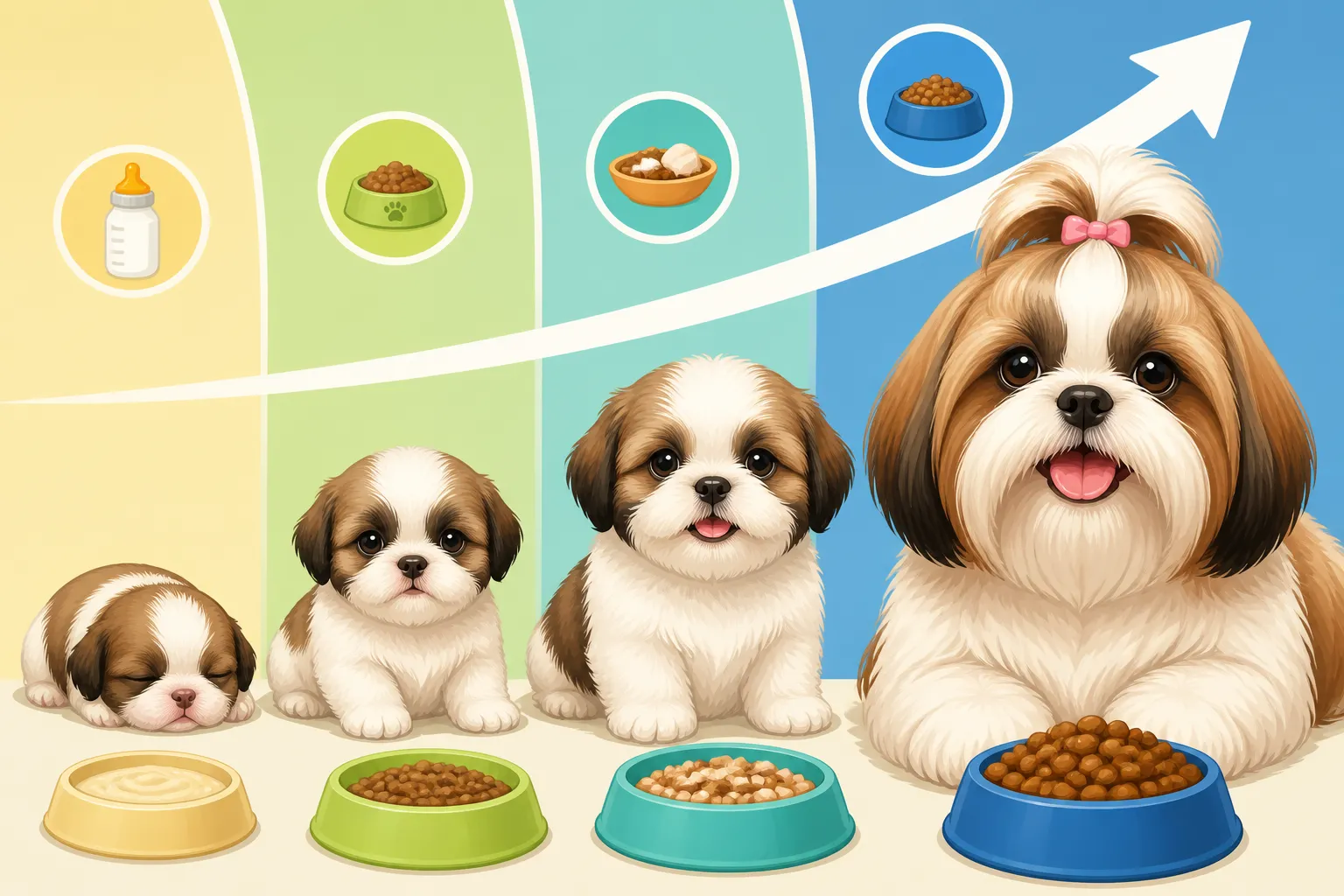
A Shih Tzu puppy goes through several distinct growth stages, and their caloric needs will shift as they mature. From weaning, typically around 8 weeks, up until about 4-6 months of age, your Shih Tzu puppy will be in their most rapid growth phase. During this period, they're like little sponges, absorbing nutrients and putting on weight and size quickly. They'll require the highest caloric density during these early months to fuel their development. Small breed puppies, in particular, grow very quickly and reach their adult size sooner than larger breeds, often between 9-12 months.
As they approach 6 months, and certainly by 9 months, their growth rate begins to slow down significantly. They're still developing, but the frantic pace of early puppyhood gives way to a more gradual maturation. At this point, their calorie needs per pound of body weight will start to decrease slightly. Overfeeding a puppy whose growth is naturally slowing can quickly lead to excess weight gain, which is detrimental to their developing joints and overall health. Knowing when these shifts occur is key to adjusting their diet and preventing obesity down the line.
Choosing the Right Food for Your Shih Tzu Puppy
With a bewildering array of dog food options on the market, selecting the best one for your Shih Tzu puppy can feel like a daunting task. You want something nutritious, palatable, and safe for their specific needs as a small, brachycephalic breed. Understanding the different food types and what to look for on an ingredient label will empower you to make an informed choice.
Dry Kibble vs. Wet Food vs. Fresh Food
Each type of food comes with its own set of advantages and considerations for a Shih Tzu puppy.
Dry Kibble: This is the most common and often most economical choice. Good quality dry kibble is nutritionally complete and balanced, and its crunchy texture can help scrape away some plaque, contributing to dental health, although it's certainly not a substitute for regular brushing. For Shih Tzus, the size and shape of the kibble are crucial. Their unique brachycephalic (flat) face and often undershot jaw mean they can struggle with larger or oddly shaped pieces. Look for small-breed specific formulas that feature smaller, flatter kibble designed for tiny mouths. Many reputable brands offer excellent small-breed puppy kibble that you can find readily on platforms like Chewy, offering a wide selection to compare ingredients and formulations.
Wet Food: Canned or wet food is highly palatable and can be a great option for picky eaters or for increasing water intake, which is beneficial for kidney health. It's often less dense in calories than kibble, so puppies might need to eat a larger volume to get sufficient nutrients. Wet food can be more expensive and typically offers less dental benefit than dry kibble. However, for a Shih Tzu puppy, the softer texture is easy to eat, especially if they have sensitive teeth or are in the process of losing their puppy teeth.
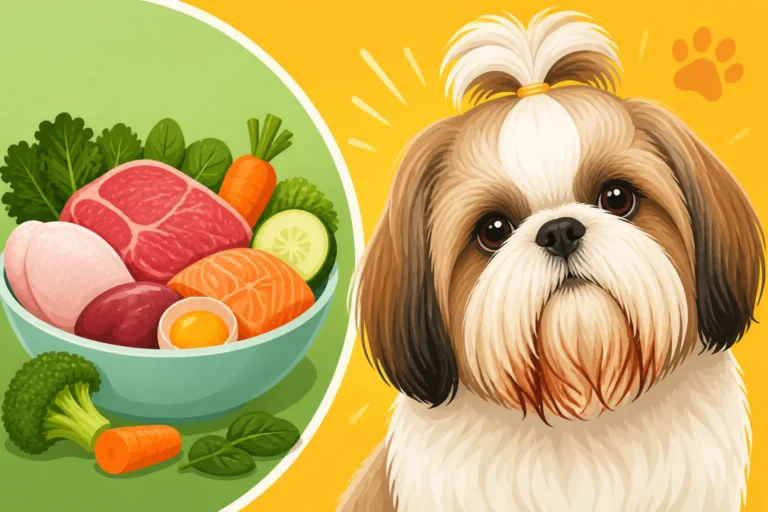
Fresh Food: This category includes commercially prepared fresh-cooked meals or raw diets. Fresh-cooked options, like those offered by companies such as Ollie, can be incredibly appealing to dogs and often use human-grade ingredients. They can be excellent for sensitive stomachs or highly selective eaters, and many owners report improved coat health and energy levels. For a Shih Tzu with its propensity for a crowded mouth, Whether Fresh Food Suits a Shih Tzu Underbite is a valid concern, but many fresh food recipes are finely ground or chopped, making them easy to consume. Raw diets are another fresh food approach, but they require careful handling and meticulous nutritional balancing, which can be challenging for the average owner, especially for a growing puppy with specific needs. Consulting with a veterinary nutritionist is highly recommended if you consider a raw diet.
Ingredient Quality and Avoidable Fillers
Regardless of the type of food you choose, paying close attention to the ingredient list is paramount. The first few ingredients listed make up the bulk of the food, so they should be high-quality protein sources. Look for named meat sources like "chicken," "lamb," "salmon meal," or "beef" as the first ingredient. Meat meals (e.g., "chicken meal") are concentrated forms of protein, which can be even more nutritious than whole meats because the water content has been removed.
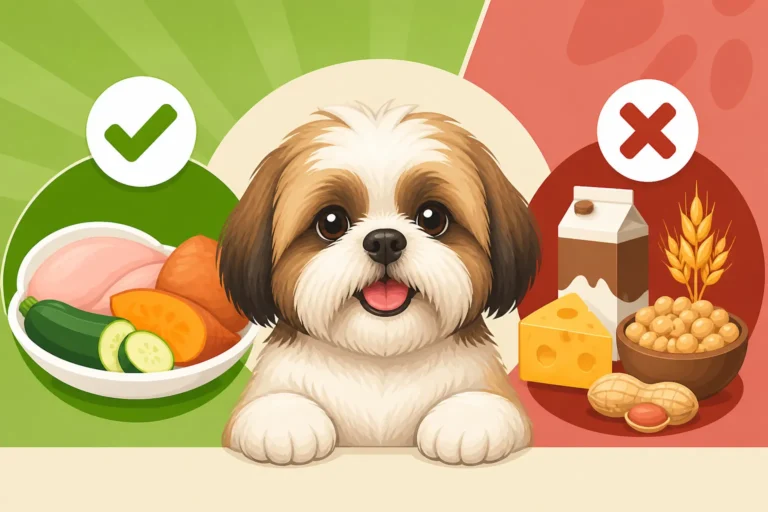
Avoid foods that list generic "meat by-products" or "animal digest" high on the list, as the quality and source can be inconsistent. Similarly, be wary of excessive "fillers" such as corn, wheat, or soy, especially if they are listed as the primary ingredients. While not inherently harmful to all dogs, these ingredients can be common allergens for some Shih Tzus, and they don't provide as much nutritional value as whole grains, vegetables, or fruits. You want a food rich in essential fatty acids (like Omega-3 and Omega-6 for coat and skin health), antioxidants, and easily digestible carbohydrates. A balanced diet should also include wholesome fruits and vegetables like sweet potatoes, peas, carrots, and blueberries, which provide vitamins, minerals, and fiber.
Establishing a Healthy Feeding Schedule
A consistent feeding schedule is one of the best gifts you can give your Shih Tzu puppy. It not only helps with digestion and keeps their energy levels stable but also plays a huge role in successful house training. Puppies thrive on routine, and knowing when to expect their meals helps them feel secure and allows their digestive system to operate predictably.
From Weaning to Six Months
When you first bring your Shih Tzu puppy home, usually around 8 weeks old, they will need frequent small meals to keep their blood sugar stable and energy levels up. For these tiny pups, it's common to feed them three to four times a day. Think breakfast, lunch, dinner, and a small evening meal. This frequent feeding helps prevent hypoglycemia (low blood sugar), which small breed puppies are particularly susceptible to, especially if they go too long between meals or expend a lot of energy playing.
For example, a typical schedule might look like this: 7 AM, 12 PM, 5 PM, and 9 PM. Ensure you're providing fresh water with every meal, and consider using a shallow bowl that's easy for their flat face to access without getting their beard soaked. During this period, their growth is very rapid, and they'll be busy building those tiny muscles and bones. Sticking to a Three Meals a Day for a Shih Tzu Puppy schedule, or even four, is crucial for supporting this intense developmental phase. As they grow a little older, say around 4-6 months, you might transition to three meals a day, gradually dropping that late-night snack as their systems mature and they can hold their bladders for longer overnight.
Transitioning to Adult Food
Knowing when to transition your Shih Tzu from puppy food to adult food is important for their continued health. Small breeds like the Shih Tzu typically mature faster than larger breeds, reaching their adult size between 9 to 12 months of age. This is generally the guideline for switching. Continuing to feed puppy food for too long can lead to obesity, as puppy formulas are calorie-dense and not suited for a dog whose growth has largely completed. Conversely, switching too early can deprive them of essential nutrients for final development.
The transition should always be gradual to avoid upsetting your puppy's digestive system. A sudden change can lead to diarrhea, vomiting, and general discomfort. Over about 7 to 10 days, slowly mix increasing amounts of the new adult food with decreasing amounts of the puppy food.
- Days 1-2: 75% puppy food, 25% adult food
- Days 3-4: 50% puppy food, 50% adult food
- Days 5-6: 25% puppy food, 75% adult food
- Days 7-10: 100% adult food
This slow introduction allows their digestive system to adjust to the new ingredients and nutrient profile. Pay close attention to your puppy during this time; if you notice any signs of upset, slow down the transition even further. You can find a wide range of suitable adult Shih Tzu foods on platforms like Chewy or Amazon, allowing you to choose one that aligns with their needs. For more details on this shift, consider reading When a Shih Tzu Leaves Puppy Food Behind.
Portion Control and Monitoring Growth
Just as important as what you feed your Shih Tzu puppy is how much. Overfeeding is a common pitfall for many well-meaning pet owners, especially with tiny breeds that can quickly pack on unhealthy pounds. Maintaining an ideal body weight throughout puppyhood and into adulthood is crucial for preventing a host of health problems, from joint issues to heart strain.
The Importance of Accurate Measuring
The feeding guidelines on pet food bags are just that – guidelines. They offer a starting point, but individual puppies have varying metabolic rates, activity levels, and growth spurts. Guessing portions or simply "eyeballing" can lead to significant over- or underfeeding. This is where accurate measuring becomes your best friend. Don't rely on generic household cups; invest in a proper measuring cup designed for pet food. These are often calibrated to ounces or specific kibble weights, providing far greater accuracy. You can easily find these on Amazon.
Once you have an accurate measure, divide the total daily amount of food into your puppy's scheduled meals. For example, if your puppy needs 1 cup of food per day and you feed them three times, each meal would be approximately 1/3 cup. Consistency is key. Every time you feed your puppy, use that measuring cup. This precision helps ensure your Shih Tzu receives the correct caloric intake to support their growth without encouraging unhealthy weight gain. For a deeper dive into this, check out Measuring Shih Tzu Food Properly.
Spotting Underweight or Overweight Tendencies
Because of their luxurious double coat, it can be deceptively easy to miss changes in a Shih Tzu's body condition. What feels like a healthy fluff might actually be covering excess weight, or conversely, what looks like a well-fed dog could be too thin underneath all that hair. It's important to regularly assess your puppy's body condition by feel, not just by sight or weight on the scale.
Here's how to do a simple body condition check:
- Ribs: Gently run your hands along your puppy's sides. You should be able to feel their ribs easily, like running your fingers over the knuckles on your hand, without them being visibly prominent or feeling like they're covered by a thick layer of fat.
- Waist: From above, your puppy should have a discernible waist tucking in slightly behind their ribs. It shouldn't be a straight line from chest to tail, nor should it bulge out.
- Tummy Tuck: From the side, their belly should tuck up slightly, rather than hanging low or appearing distended.
If you can't feel the ribs without pressing hard, or if there's no visible waist, your puppy might be overweight, even by a small amount. For a small breed like a Shih Tzu, even What Two Extra Pounds Do to a Shih Tzu can significantly impact their joints, breathing, and overall health. If their ribs are very prominent or you can see their hip bones, they might be underweight. Consult your vet if you're concerned, as they can help you adjust portions or rule out any underlying health issues. Regular vet visits include weight checks and body condition assessments, which are vital for tracking their healthy growth.
Common Feeding Challenges and Solutions
Feeding a Shih Tzu puppy isn't always a straightforward process. You might encounter picky eating habits, digestive upset, or other hurdles that require a little extra patience and strategy. Understanding these common challenges and knowing how to address them can save you a lot of stress and ensure your puppy continues to get the nutrition they need.
Picky Eaters and Food Aversions
Shih Tzus are known for their strong personalities, and sometimes that extends to their eating habits. You might find yourself with a "pudding dog" who suddenly decides their kibble isn't up to par. This can be frustrating, especially when you know they need to eat to grow. One common reason for pickiness can be offering too many treats or table scraps. These highly palatable "extras" can make plain kibble seem less appealing. Limit treats to training rewards and ensure they make up no more than 10% of their daily caloric intake.
If your puppy is healthy but still refusing food, try making their regular meal more enticing. A common trick is to add a small amount of warm water or low-sodium chicken broth to kibble, letting it sit for a few minutes to soften and release aromas. Mixing in a teaspoon of canned pumpkin (plain, not pie filling) or a dab of plain yogurt can also boost appeal and aid digestion. If you're considering a more significant change, explore higher-quality fresh food options like those from Ollie, which are often very attractive to picky eaters due to their texture and fresh ingredients. Sometimes, simply rotating between two or three different high-quality puppy foods can keep things interesting without sacrificing nutrition. However, always introduce new foods gradually to prevent stomach upset.
Digestive Upset and Sensitivities
Diarrhea, vomiting, or excessive gas are common signs of digestive upset in puppies, and a Shih Tzu is certainly not immune. These issues can be caused by a variety of factors, including sudden diet changes, eating something they shouldn't have, stress, or underlying sensitivities to certain ingredients. If your puppy experiences severe or prolonged digestive issues, or if it's accompanied by lethargy, pain, or fever, contact your vet immediately.
For mild, occasional upset, a bland diet for a day or two can often help. Boiled plain chicken (no skin, no bones) and plain white rice in a 1:2 ratio (one part chicken to two parts rice) is a classic go-to. Offer small, frequent meals of this mixture, and then gradually reintroduce their regular food over several days. If digestive issues are recurrent, your puppy might have a food sensitivity or allergy. Common culprits include chicken, beef, dairy, wheat, and soy. Your vet might recommend a limited ingredient diet or a hydrolyzed protein diet to identify and manage these sensitivities. Look for foods from Chewy or Amazon with novel protein sources like duck or venison if advised by your veterinarian. Probiotics, either in supplement form or through foods like plain yogurt, can also help support a healthy gut microbiome, which is essential for proper digestion and nutrient absorption.
Hydration and Supplemental Needs
Just like proper nutrition, adequate hydration is absolutely critical for your growing Shih Tzu puppy. Water is involved in every bodily function, from regulating temperature to aiding digestion and nutrient transport. While food provides many essential vitamins and minerals, there are times when a supplement might be considered, though it's often unnecessary with a high-quality diet.
Ensuring Adequate Water Intake
Your Shih Tzu puppy needs constant access to fresh, clean water. This isn't just about quenching their thirst; it's about supporting their overall health and bodily functions. Puppies, especially small ones, can dehydrate quickly, which can be dangerous. Always have a bowl of water readily available in their living area, and ideally, a second one in another spot they frequent. Make sure the bowl is clean and easy for their flat face to drink from. Stainless steel bowls are often recommended because they are easy to clean and resist bacterial growth.
You'll need to refill and clean their water bowl daily, or even more frequently if it gets dirty or depleted. Some Shih Tzus might prefer moving water, so a pet water fountain could be an option if you notice they aren't drinking enough from a bowl. If you're out and about, always carry a portable water bottle and bowl for your puppy. Adequate hydration is especially important during warmer weather or after periods of play. Monitor their water intake; excessive thirst could be a sign of an underlying health issue, such as kidney problems, so consult your vet if you notice a significant change.
When and If Supplements Are Necessary
For the vast majority of Shih Tzu puppies being fed a high-quality, complete, and balanced puppy food, additional supplements are usually not necessary and can sometimes even be harmful. Commercial puppy foods are meticulously formulated to provide all the vitamins, minerals, protein, and fat a growing puppy needs in the correct ratios. Over-supplementation, especially with calcium or Vitamin D, can lead to serious skeletal problems and other health issues.
However, there are specific circumstances where a vet might recommend a supplement:
- Veterinary-Diagnosed Deficiency: If your puppy has a diagnosed nutritional deficiency due to a medical condition or absorption issue, your vet might prescribe a specific supplement.
- Joint Support: For Shih Tzus predisposed to Shih Tzu Joint Problems in a Toy Frame like patellar luxation or hip dysplasia (though less common in Shih Tzus due to their small size), a vet might recommend joint supplements containing glucosamine and chondroitin, often starting later in puppyhood or early adulthood as a preventative measure.
- Skin and Coat Health: If your puppy has persistent dry skin or a dull coat, even with a good diet, your vet might suggest omega-3 fatty acid supplements (like fish oil). These can contribute to a healthy, shiny coat and also have anti-inflammatory benefits. You can find high-quality fish oil supplements on platforms like Amazon.
- Digestive Support: For puppies with chronic sensitive stomachs or those recovering from illness, probiotics might be recommended by your vet to help restore healthy gut flora.
Always consult your veterinarian before adding any supplements to your Shih Tzu puppy's diet. They can assess your puppy's individual needs, recommend appropriate products and dosages, and ensure that supplements won't negatively interact with their existing diet or any medications. Unnecessary supplementation can throw off the delicate balance of nutrients in their diet, potentially causing more harm than good.
Disclaimer
This article is for general informational purposes only and does not constitute professional advice. Laws, prices and regulations vary by location and change over time. Consult a qualified professional for guidance on your specific situation.