The Handful of Cues a Shih Tzu Really Needs
It's easy to assume that a little Shih Tzu, bred purely to be a pampered companion on a lap, doesn't need much in the way of formal training. After all, they're not working dogs, right? But neglecting even the most basic cues can lead to frustration, potential safety risks, and a less harmonious life for both you and your sweet, furry friend. This guide will walk you through the handful of truly essential cues that every Shih Tzu needs to know, making life safer, calmer, and much more enjoyable for everyone.
Why Even a Pampered Shih Tzu Benefits From Core Training
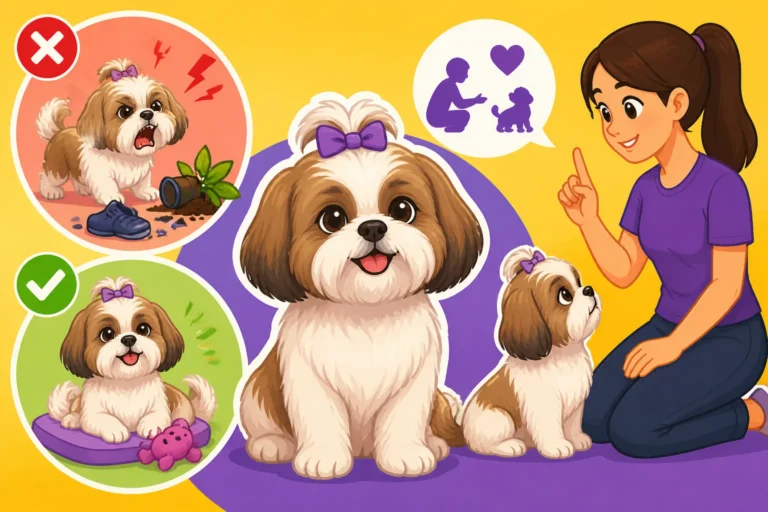
You might think that because your Shih Tzu is small, lives mostly indoors, and is meant to be a companion, extensive training isn't necessary. This is a common misconception, and it's totally understandable why owners might feel this way! These little lion dogs were literally bred for centuries to sit on laps and look adorable, not to herd sheep or retrieve birds. However, even the most beloved lapdog needs a foundation of basic commands. This isn't about turning them into a rigid, robotic performer; it's about building a common language, enhancing their safety, and making daily life smoother for both of you.
Imagine trying to keep your Shih Tzu safe around an open door, or getting them to cooperate at the vet, or even just keeping them from snagging a dropped snack that could be toxic. Without a few key cues, these everyday situations can become stressful and even dangerous. Training provides structure and predictability, which actually helps reduce anxiety in dogs and strengthens the bond you share. It's about teaching them how to navigate our human world safely and politely.
Think about the sheer joy of being able to communicate effectively with your dog. When you say "Sit," and they do it, it's not just obedience; it's a moment of connection. When you call their name and they come bounding back to you, it's a profound reassurance of their safety and your bond. These small successes build confidence in your Shih Tzu and foster a deeper, more trusting relationship. It's truly a win-win situation for everyone involved.
Communication and Safety in Everyday Life
A well-trained Shih Tzu is a safer Shih Tzu. It's really that simple. Their small size makes them vulnerable in many situations, from a crowded park to a busy street, or even just navigating a bustling household with kids or other pets. Knowing cues like "come" can be the difference between a minor scare and a serious accident if they slip out the door. The ability to ask your dog to "stay" when the doorbell rings can prevent them from darting out or getting underfoot when guests arrive.
Beyond preventing actual emergencies, these cues make daily routines much less chaotic. Grooming sessions, which are a non-negotiable part of Shih Tzu ownership, become easier if your dog can "sit" or "stay" on the table. Vet visits, often a source of stress for many dogs, are less daunting when your Shih Tzu can respond to simple commands, allowing for quicker and calmer examinations. This helps your vet do their job more effectively and makes the experience less traumatic for your pup.
Ultimately, training your Shih Tzu in these core commands equips them with the tools to understand your expectations and respond appropriately in various scenarios. It reduces confusion, builds their confidence, and allows them to participate more fully and safely in family life. This foundational knowledge creates a sense of security and trust that strengthens the unique bond you share with your "little lion."
Enhancing Grooming and Vet Experiences
For a Shih Tzu, grooming isn't just about looking pretty; it's a vital part of their health and comfort. Their luxurious double coat, prone to matting, demands daily attention. This means your Shih Tzu will spend a significant amount of time on a grooming table or in a designated grooming spot, undergoing brushing, combing, face trims, and potentially even nail clips. If they're not comfortable with being handled and standing still, these necessary tasks can become a battle, leading to stress for both of you. Teaching a solid "stay" can make these sessions far more manageable, helping them learn that grooming is a calm, routine part of their life. You can even find specific grooming tables and restraints on Amazon designed for small dogs, making the process safer and more secure.
Similarly, regular veterinary check-ups and any unexpected visits for health concerns are crucial for your Shih Tzu's long-term well-being. Imagine your vet needing to examine their eyes – which are prone to issues like Shih Tzu Corneal Ulcers and Dry Eye – or listen to their heart. A dog that struggles and panics during these exams not only makes the vet's job harder but also increases their own stress levels. If your Shih Tzu knows "sit" and "stay," it allows the vet to perform thorough examinations with less fuss, potentially catching health problems earlier and reducing the need for sedation in some cases.
These early training experiences during grooming and vet visits, even with simple cues, teach your Shih Tzu patience and cooperation. It helps them associate these necessary procedures with calm, positive interactions, rather than something to be feared or fought against. This early foundation can truly make a world of difference throughout their entire lifespan, making every interaction more pleasant and less stressful.
The Absolute Must-Have Cues for Every Shih Tzu
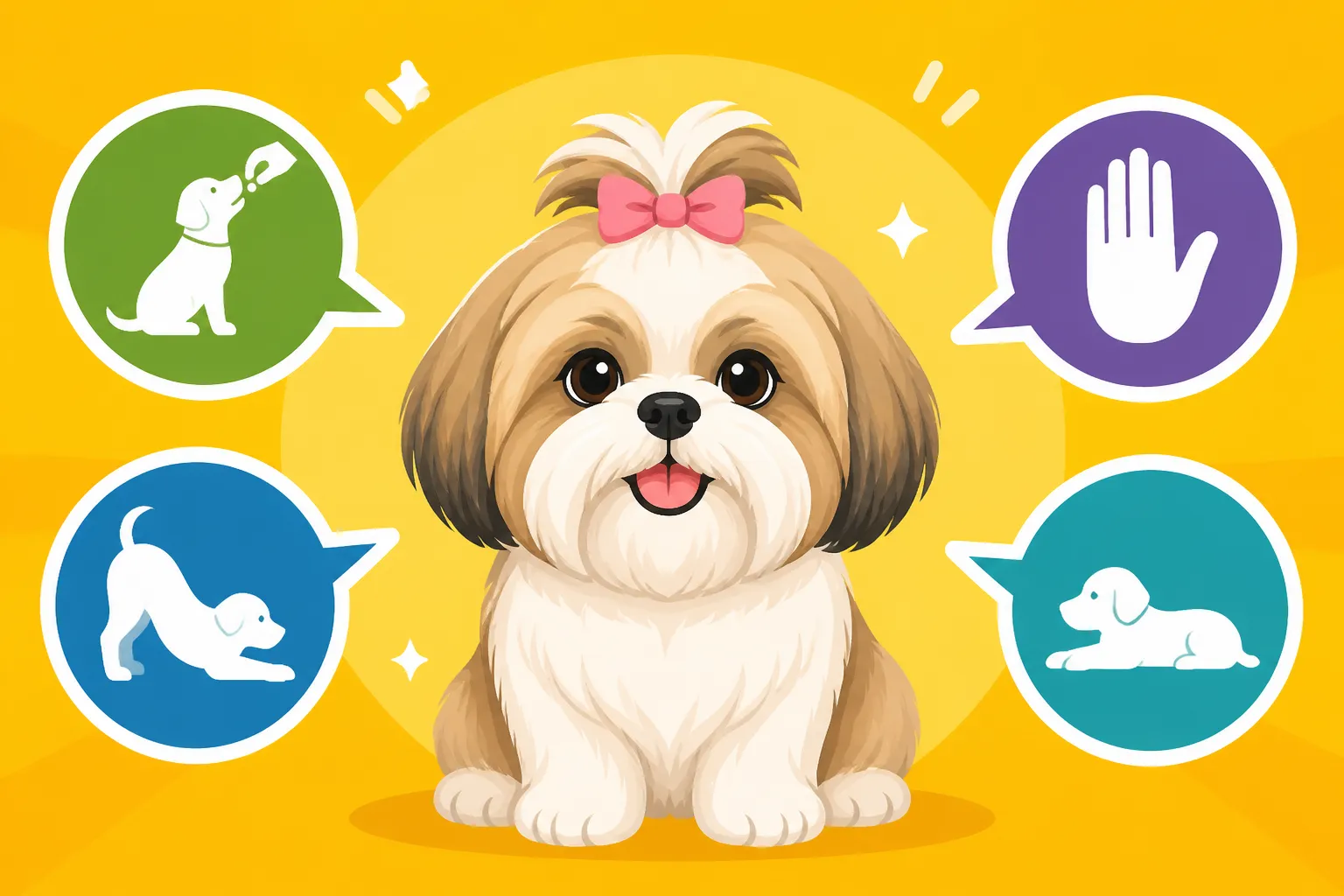
While there are countless tricks and commands you can teach a dog, a few stand out as truly essential for the safety, well-being, and general good manners of your Shih Tzu. These are the cues that form the backbone of good dog citizenship, allowing you to communicate clearly and guide your furry companion effectively through their daily life. Without these, you might find yourself in tricky situations, relying more on chasing or wrestling than on clear, calm direction.
"Sit": The Foundation of Calmness
"Sit" is often the first command a puppy learns, and for good reason. It's incredibly versatile and forms the basis for many other behaviors. When a Shih Tzu sits, they are in a calm, controlled position, making them less likely to jump, dash, or get underfoot. This simple cue can be used literally dozens of times a day to encourage good manners.
Think about how often you can use "sit" in a day: asking your Shih Tzu to sit before they get their food bowl, before you put their leash on for a walk, when guests arrive at the door, or simply when you want them to settle down for a moment. It's a polite way to greet people and can prevent those little excited jumps that, while adorable, can be a nuisance. Clicker Work With a Shih Tzu Puppy can be incredibly effective here, marking the exact moment their bottom touches the floor, followed immediately by a tasty treat. Consistent practice in short, fun sessions will have them mastering this quickly.
"Stay": Building Patience and Safety
"Stay" is the natural progression from "sit" and is arguably one of the most critical safety commands. It teaches your Shih Tzu to hold a position until released, fostering patience and self-control. This isn't about making them freeze for minutes on end, especially not at first, but about teaching them to pause and wait for your next instruction.
Imagine needing to open the front door to grab a package, and your Shih Tzu has a tendency to dart out. A solid "stay" can keep them safely inside. Or perhaps you're at the vet, and you need them to remain still on the examination table for a moment while you talk to the vet. This cue is invaluable. Start with very short durations in a quiet environment, slowly building up the time and adding small distractions. Always release them with a clear "okay" or similar word and lots of praise. Just like in BAXTER & Bella's training programs, positive reinforcement is key to making this a rewarding experience for your dog.
"Come": The Ultimate Safety Recall
"Come," or recall, is arguably the single most important command your Shih Tzu can learn. It's a life-saving cue that ensures your dog will return to you immediately, no matter the distraction. Given their small size and sometimes independent nature, a reliable recall is paramount for their safety, whether in your backyard, at a park, or if they accidentally slip out of the house.
Teaching a reliable "come" requires consistent, positive reinforcement and high-value rewards. You want your Shih Tzu to associate coming to you with the absolute best things ever. Start in a quiet, distraction-free area, using an excited tone and offering a fantastic treat or their favorite toy when they reach you. Never punish your dog when they eventually come, even if it took a while, as this will make them hesitant to come next time. Shih Tzu Recall Inside the House is a great place to begin, practicing many short, fun repetitions. Building this outside will take more time and patience, always using a long leash for safety until it's truly solid.
"Leave It": Preventing Mishaps
"Leave It" is an incredibly powerful cue that can prevent your Shih Tzu from ingesting something harmful, whether it's a dropped medication, a toxic plant, or simply something you don't want them chewing on. Shih Tzus, like many dogs, are curious and will often investigate with their mouths, making this command vital for their health and your peace of mind.
To teach "leave it," start with a low-value treat in your hand. Say "leave it" as you cover the treat with your hand. The moment your Shih Tzu backs away or looks at you, even for a second, praise them and give them a different, higher-value treat from your other hand. Gradually increase the difficulty by placing the treat on the floor, then slowly moving further away. The goal is to teach them that ignoring something on the ground leads to an even better reward from you. This cue can literally save their life, preventing trips to the emergency vet after eating something they shouldn't have.
Beyond the Basics: Useful Cues for a Happier Life
Once your Shih Tzu has mastered the foundational commands, you might find yourself eager to teach them more. And why not? Expanding their vocabulary isn't just about showing off; it further enhances your communication, solves common household issues, and provides mental stimulation, which is just as important as physical exercise for a smart little dog. These additional cues can make living with your Shih Tzu even more harmonious and enjoyable.
"Down": A Deeper Level of Calm
"Down" is a fantastic cue for promoting a deeper state of calm and relaxation than "sit." It requires more commitment from your Shih Tzu, as they are fully recumbent, making it harder for them to spring up and get into mischief. This cue is particularly useful in situations where you need your dog to settle for an extended period, such as during a quiet evening at home or at a friend's house.
To teach "down," you can lure your Shih Tzu from a "sit" position by holding a treat to their nose and slowly moving it towards the floor, then sliding it away from them between their paws. As their elbows touch the ground, mark the behavior with "yes" or a clicker, and reward them. Practice this in short bursts, rewarding frequently in the beginning, and gradually increasing the duration they stay down before being released. This can be especially helpful during long car rides or when you're working and want your Shih Tzu to relax nearby.
"Off": Keeping Paws Where They Belong
Shih Tzus are delightful lapdogs, but sometimes their desire to be close can translate into jumping on furniture, guests, or even you at inopportune moments. "Off" is a simple, yet highly effective, command for telling your Shih Tzu to remove their paws (or entire body) from something or someone. This is different from "down," which is about getting into a specific position; "off" is purely about disengaging from an object or person.
If your Shih Tzu jumps on the sofa without permission, gently guide them off while saying "off." The moment all four paws are on the floor, reward them with praise or a treat. For jumping on people, turn your back and ignore them until they settle, then reward when they are on the floor. Consistency is key here. Every family member needs to enforce "off" in the same way, teaching your Shih Tzu that polite greetings happen with all four paws on the ground, or that furniture is for invitation only.
"Drop It": Releasing Valuables
"Drop It" is an incredibly useful command, especially for Shih Tzus who might develop a habit of picking up things they shouldn't have, or guarding their toys. It teaches your dog to release whatever is in their mouth on command. This can be crucial for retrieving potentially dangerous items, or simply for initiating a polite game of fetch where they return the toy to you.
Start by offering your Shih Tzu a toy they like. While they have it, present a high-value treat to their nose. Most dogs will drop the toy to take the treat. As they drop it, say "drop it," then immediately reward with the treat. Repeat this many times. Over time, you can introduce the verbal cue before showing the treat. If your Shih Tzu tends to be possessive, you might also want to look into A Shih Tzu Guarding a Toy for more specific guidance. This command fosters trust and teaches them that letting go of something actually leads to a better outcome.
Making Training Fun and Effective for Your Shih Tzu
Training your Shih Tzu doesn't have to be a chore; in fact, it should be an enjoyable bonding experience for both of you! These little dogs thrive on positive interaction and love to please their people, especially when there's a tasty reward involved. Understanding their unique personality and learning style can make a huge difference in your success. Remember, consistency and patience are your best friends in this journey.
The Power of Positive Reinforcement
Shih Tzus respond beautifully to positive reinforcement. This means rewarding desired behaviors with something they love, such as high-value treats, enthusiastic praise, or a favorite toy. Harsh corrections or punishment can be detrimental, leading to fear, anxiety, and a breakdown in trust, especially with a sensitive breed like the Shih Tzu. As discussed in Why Harsh Corrections Shut a Shih Tzu Down, it's always better to make learning a positive association.
When your Shih Tzu performs a cue correctly, even if it's just a tiny step in the right direction, mark that moment with a clicker or a verbal marker like "yes!" and immediately follow with a reward. This helps them understand exactly what they did right. The goal is to make them think, "Wow, doing what my human asks leads to great things!" This builds enthusiasm for learning and strengthens your bond. You can find a wide variety of tiny, palatable training treats suitable for a Shih Tzu on Amazon, ensuring they stay motivated without overeating.
Keeping Sessions Short and Sweet
Shih Tzus, with their sometimes short attention spans and independent streaks, do best with frequent, short training sessions rather than long, drawn-out ones. Aim for 5-10 minute sessions, two to three times a day, especially when they are puppies. This prevents them from getting bored or overwhelmed and keeps training feeling like a fun game. Keeping Shih Tzu Training Sessions Short is a key to success with this breed.
During these mini-sessions, focus on one or two cues, ensuring you end each session on a positive note with a successful execution of a command. Always incorporate play and cuddles before and after training to reinforce the idea that spending time with you is wonderful. This approach keeps your Shih Tzu engaged and eager for the next session, making the learning process a joyful part of their day.
The Right Tools and Support
Having the right tools can make training much easier. A good quality harness, for instance, is far better than a collar for a Shih Tzu, protecting their delicate trachea and making walks more comfortable. Why a Shih Tzu Should Wear a Harness Not a Collar explains this in more detail. When it comes to treats, choose small, soft, and highly palatable options that won't take forever for your Shih Tzu to chew.
If you find yourself struggling, don't hesitate to seek professional guidance. There are many wonderful trainers who specialize in positive reinforcement and understand the unique needs of toy breeds. Services like BAXTER & Bella's online puppy school can provide structured lessons and support from the comfort of your home, offering valuable guidance on everything from basic cues to more advanced behavioral challenges. Finding a trainer who understands toy breeds can be invaluable for personalized advice and troubleshooting.
| Cue | Purpose | Key Benefit | Training Tip |
|---|---|---|---|
| Sit | Polite greetings, waiting, calm attention | Foundation for control and good manners | Lure with a treat over the head, mark and reward when the bottom touches the floor. |
| Stay | Holding position, preventing dashing, self-control | Critical for safety, especially at doorways | Start with short durations, release with a clear "okay," and always reward. Build duration and distraction slowly. |
| Come | Immediate return to owner | Life-saving recall for off-leash safety | Make coming to you the most rewarding thing ever. Use an excited tone and high-value treats in a safe area. |
| Leave It | Ignoring inappropriate items, preventing ingestion | Prevents eating harmful things and resource guarding | Cover a treat, say "leave it," reward with a different high-value treat when they disengage or look at you. |
| Down | Deep relaxation, extended settling | Promotes calm, helps with long waits | Lure from a sit with a treat to the floor and away from them. Reward as elbows touch. |
| Off | Getting off furniture, people, or counters | Maintains boundaries, polite interactions | Gently guide them off, say "off," and reward when all four paws are on the floor. Consistent follow-through. |
| Drop It | Releasing items from mouth | Safety for harmful items, good for fetch | Trade a toy for a high-value treat; say "drop it" as they release. |
These core commands are not just about obedience; they're about fostering a trusting, respectful relationship with your Shih Tzu. They're about making sure your little companion is safe, well-mannered, and happy living alongside you. Investing this time and effort now will pay dividends in a lifetime of joyful companionship.
Disclaimer
This article is for general informational purposes only and does not constitute professional advice. Laws, prices and regulations vary by location and change over time. Consult a qualified professional for guidance on your specific situation.