Shih Tzu Recall Training Indoors and Out
The sheer panic that grips you when your sweet Shih Tzu suddenly slips their leash, or worse, bolts out an open door, is a feeling no dog owner ever wants to experience. These little bundles of joy, despite their small size, can be incredibly fast and deceptively independent, and in an instant, they can be in danger. This guide is all about equipping you with the practical, empathetic, and realistic strategies you need to teach your Shih Tzu a rock-solid recall, keeping them safe and sound, whether you're just calling them from across the living room or trying to get their attention in a busy park.
Why Recall is a Lifesaving Skill for Your Shih Tzu
For a breed often seen as a pampered lapdog, it might seem like recall isn't as critical as it would be for a working breed. But that couldn't be further from the truth. A reliable "come" command is perhaps the most important safety tool you can give your Shih Tzu. It's not just about convenience; it's about protecting them from the myriad of dangers that exist in our human world.
The Urgency of a Reliable "Come" Command
Imagine this: you're enjoying a quiet morning in your backyard, and your Shih Tzu, Lily, is happily sniffing around. Suddenly, a squirrel zips by the fence, and before you can react, Lily spots it, squeezes through a gap you didn't even know existed, and is off like a tiny, furry rocket. Or perhaps you're at the front door, accepting a package, and your little Max decides it's the perfect opportunity for an impromptu adventure onto the busy street. In these heart-stopping moments, a strong recall isn't just a command; it's a lifeline. It means the difference between a close call and a devastating accident.
We often think of our Shih Tzus as being too small or too slow to get into real trouble, but their curious nature and surprising bursts of speed can put them in harm's way incredibly quickly. A reliable recall allows you to redirect them from a potentially dangerous situation – a busy road, an aggressive dog, a patch of something toxic on the ground – before it escalates. It gives you peace of mind, knowing that you have a powerful tool to bring them back to safety, no matter the distraction. It's a fundamental part of responsible dog ownership, especially for a breed like the Shih Tzu that thrives on being close to their people.
Understanding the Shih Tzu's Instincts and Distractions
While Shih Tzus were historically Why a Shih Tzu Was Bred to Sit on a Lap, they still possess natural dog instincts that can override their desire to please. They might not be hunting hounds, but their noses are still powerful, and interesting scents can be incredibly alluring. That crumb dropped by a passerby, the smell of another dog, or the rustle of leaves could instantly capture their attention, making your calls fade into the background.
Their small size can also make them vulnerable and, paradoxically, more prone to bolting. A loud noise, an unexpected large dog, or an unfamiliar person might trigger a flight response. Because they often feel safer close to us, sometimes they'll stick around, but if the perceived threat or irresistible lure is strong enough, they might choose to put distance between themselves and the perceived danger or chase the irresistible thing. Understanding that these are natural dog behaviors, not acts of defiance, is key to patient and effective training. What Motivates a Shih Tzu to Work is often food, praise, and play, so we'll lean heavily on these in our training. We need to make coming to you the most rewarding option available, outweighing whatever exciting distraction has momentarily captured their attention.
Building the Recall Foundation Indoors
Before you even think about calling your Shih Tzu in a bustling park, you absolutely need to build a rock-solid foundation indoors. This is where your dog learns what "come" means in a controlled, low-distraction environment. Think of it like learning to walk before you run – or in this case, learning to respond reliably before they're faced with a squirrel convention.
Making "Come" a Positive Experience
The most crucial rule for recall training is this: "come" must always, always, always be associated with something wonderful. Never use "come" to scold your dog, give them a bath they hate, or end a fun play session abruptly. If "come" signals something negative, your Shih Tzu will quickly learn to avoid it.
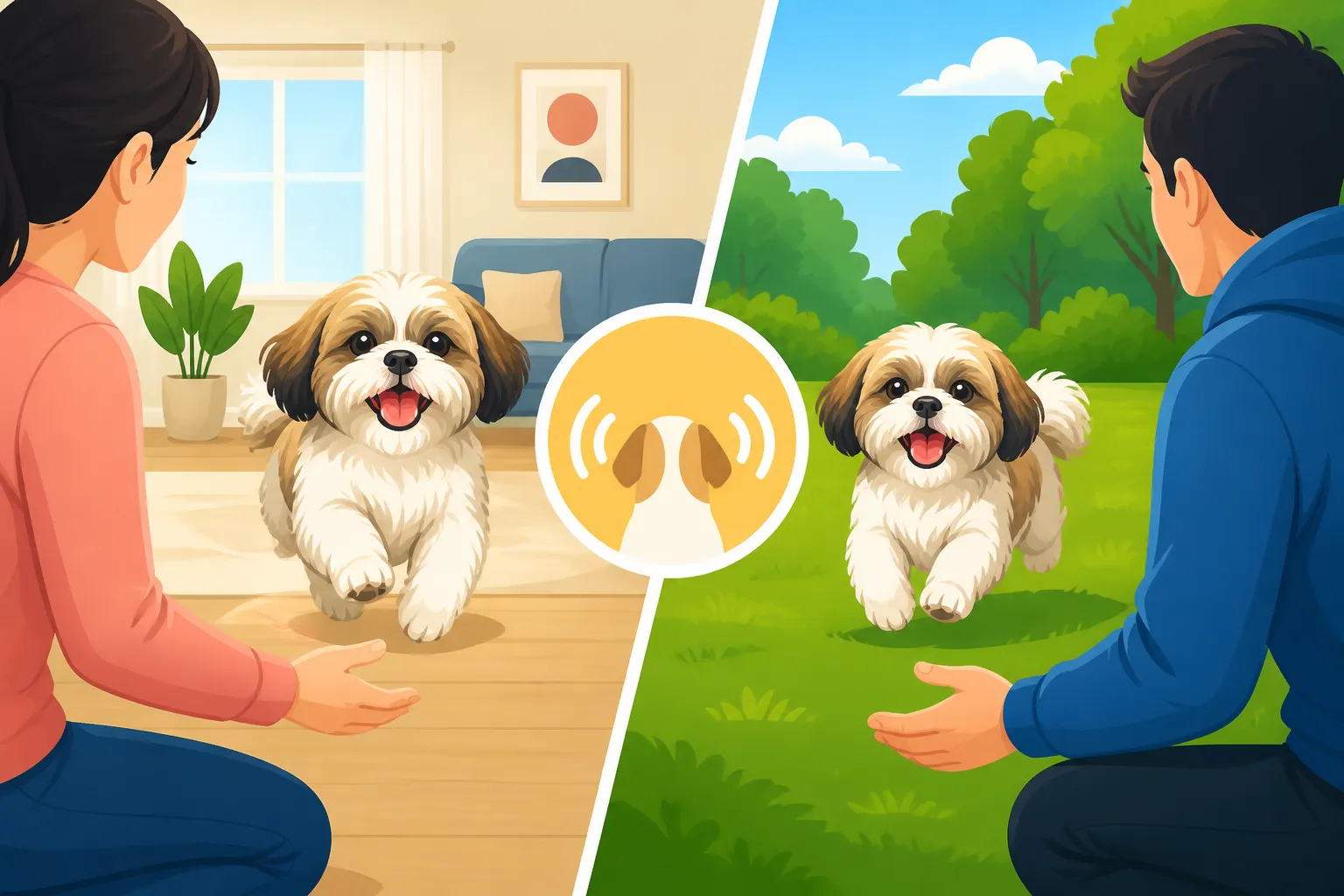
Start by choosing a simple, clear recall word. "Come" is standard, but you could use "here," "front," or even a fun sound like a whistle. Whatever you choose, stick with it. Begin in a quiet room, with no other people or pets. Get down on their level, open your arms wide, and in an excited, happy voice, say your recall word. The second your Shih Tzu moves even an inch toward you, reward them lavishly! This means a high-value treat (think tiny pieces of cooked chicken, cheese, or specialized training treats they adore), enthusiastic praise ("Good come, Lily!"), and perhaps a quick, gentle petting session. Make it a party every time they come.
Practice this many, many times throughout the day, in short, fun bursts. Don't just call them when you need them; call them when they're already close, and you can easily reward them. This builds a positive association quickly and powerfully. If you're looking for structured guidance, online platforms like BAXTER & Bella offer comprehensive puppy training programs that cover recall extensively, providing step-by-step videos and support that can be a game-changer for new owners.
The Power of Play and High-Value Rewards
Shih Tzus, like most dogs, are highly motivated by things they love. For some, it's food; for others, it's a favorite squeaky toy or a vigorous game of tug. Treats a Shih Tzu Can Eat Without Gaining can be small pieces of boiled chicken or low-fat cheese. Identify what truly makes your Shih Tzu's eyes light up, and reserve those super-special rewards exclusively for recall. These aren't their everyday kibble; these are the "jackpot" rewards.
Incorporate play into your recall practice. For instance, toss a toy a short distance, let them chase it, and then call them back before they're completely absorbed in the toy. When they return, give them their high-value treat and then immediately re-engage in play. This teaches them that coming to you doesn't mean the fun ends; it means the fun changes or continues with you. You can even try a game of "hide-and-seek" indoors. Hide around a corner, call their name excitedly, and when they find you, big rewards await! This makes coming to you an engaging and interactive experience, rather than a chore. Remember, Five Minute Sessions With a Shih Tzu are often the most effective, keeping their attention and making training feel like a game.
Gradual Distraction and Short Training Sessions
Once your Shih Tzu is reliably coming to you in a quiet room, it's time to slowly introduce mild distractions. This is a critical step because the real world is full of noise and interesting things. Start small: perhaps another family member walks quietly through the room, or a soft radio plays in the background. As they continue to succeed, gradually increase the level of distraction.
You might move your training to a room with a window, where they can see but not interact with outdoor activities. Then, try practicing when other family members are present but not actively participating. The key is to set them up for success. If they fail to come, the distraction might be too strong for that stage of their training. Go back a step, reduce the distraction, and build confidence again. Keep these sessions short and sweet, no more than five minutes at a time. Ending on a high note, with success and generous rewards, keeps your Shih Tzu eager for the next session. Consistency is far more important than length when it comes to training a Shih Tzu.
Taking Recall Outdoors: Challenges and Strategies
Moving recall training from the quiet comfort of your home to the stimulating outdoors is a significant leap. The world outside is an explosion of scents, sights, and sounds, and it can be incredibly overwhelming for a little Shih Tzu. This is where your patience and preparation truly pay off.
Mastering the Long Line and Safe Outdoor Spaces
Before attempting off-leash recall, even in seemingly safe areas, a long line is your best friend. This is essentially a very long leash (15-30 feet or more) that allows your Shih Tzu to explore while still giving you control. You can find excellent quality long lines for training on platforms like Amazon. Attach it to a well-fitting harness – never a collar, especially with a Shih Tzu's delicate neck and propensity for Shih Tzu Eye Proptosis, the Emergency Owners Miss if restraint is too sudden or strong. A good harness like those suggested in Shih Tzu Leash Pulling and Harness Choice will distribute pressure safely.
Start in a quiet, securely fenced area that your Shih Tzu is already familiar with, perhaps your backyard. Let them wander on the long line, giving them the illusion of freedom. When they're a bit distracted, but not completely engrossed, give your recall command in that same happy, excited voice. If they hesitate, gently reel them in with the long line while continuing to praise. The moment they reach you, jackpot them with treats and praise! This teaches them that even when they're "free," coming back to you is still the best choice. Practice this repeatedly, gradually increasing the distance and the time between calling and reeling in, so they learn to respond to your voice first.
| Recall Training Stage | Environment | Distraction Level | Key Strategy | Primary Goal |
|---|---|---|---|---|
| Indoor Basics | Quiet room, home | Very Low | High-value treats, enthusiastic praise | Build positive association with "come" |
| Controlled Outdoor | Fenced yard, quiet park | Low to Moderate | Long line, consistent rewards, gentle guidance | Teach reliable response despite minor distractions |
| Distracted Outdoor | Public parks, trails | Moderate to High | Jackpot rewards, emergency recall, safety gear | Proof recall in real-world, busy environments |
Managing Real-World Distractions
Once your Shih Tzu is consistently coming back on the long line in a low-distraction fenced area, you can slowly, ever so slowly, introduce more challenging environments. Choose a time when a public park is less busy, or a quiet walking trail. Keep the long line on and stay vigilant. The goal is to set them up for success, not to overwhelm them.
When a distraction appears – another dog, a person, a rustling bush – observe your Shih Tzu. If they notice it but haven't completely disengaged from you, try your recall command. If they come, you've hit the jackpot! Reward them profusely. If they ignore you, don't repeat the command over and over. Instead, gently guide them back with the long line, making sure the experience is still positive when they reach you. You might need to bring even higher-value treats for these sessions. It’s also wise to check out resources from trainers, such as those found on BAXTER & Bella, which often provide video demonstrations of how to manage distractions effectively. Remember, consistency is key, and every successful recall, no matter how small the distraction, builds their confidence and strengthens the behavior. Why a Shih Tzu Stays on Lead Outdoors is a crucial read here, reminding us of the inherent risks.
Consistency and Patience in Different Environments
Recall is not a "one and done" training exercise. It's a lifelong commitment to practice, proof, and reinforce. Your Shih Tzu might have perfect recall in your backyard but seem to forget it entirely at a new park. This isn't stubbornness; it's simply that dogs don't generalize behaviors automatically. They need to learn that "come" means "come" in every new place, with every new distraction.
Vary your training locations. Visit different parks, walk different trails, and even practice in friends' yards. Each new environment presents unique challenges, and each successful recall in a new setting strengthens the command. Always carry high-value treats and be prepared to reward them handsomely. If your Shih Tzu is having an off day or is genuinely overwhelmed, don't get frustrated. Simply reduce the distraction, shorten the session, or go back to an easier environment. Patience is paramount. A Shih Tzu that gets The Month a Shih Tzu Stops Listening during adolescence might need a refresher course in these basics. Remember, every time they choose to come to you, they're choosing safety and connection, and that deserves a celebration!
Troubleshooting Common Recall Hiccups
Even with the best intentions and consistent training, you're bound to run into some challenges. Shih Tzus are smart and can sometimes have a mind of their own! It’s important to understand why these hiccups occur and how to calmly and effectively address them.
When Your Shih Tzu Plays Hard to Get
You've called, you've praised, you've even shown the high-value treat, but your Shih Tzu is looking at you like you're speaking a foreign language, perhaps with a slight tilt of the head as if to say, "Are you sure you meant me?" This "selective hearing" is a common frustration. Often, it happens because the reward you're offering isn't exciting enough to compete with the current distraction. If your Shih Tzu is engrossed in sniffing an irresistible patch of grass, a piece of everyday kibble simply won't cut it.
The first step is to reassess your reward. Is it truly high-value? Is it something they rarely get? Experiment with different treats – tiny pieces of cheese, boiled chicken, liverwurst, or a favorite toy. Second, try to call them before they are completely absorbed by the distraction. Catch them when their attention is just starting to wander towards something interesting, but not yet fully committed. If they still ignore you, avoid repeating the command or chasing them, as this can turn recall into a fun game of "keep away" for them. Instead, calmly walk away from them. This often triggers their instinct to follow you, at which point you can call them again and reward them when they catch up. Another tactic is to get excited and make unusual noises – clap your hands, whistle, or even pretend to be super interested in something on the ground yourself. Curiosity might just win out! If you are concerned about A Shih Tzu That Will Not Give Things Up, then working on recall can also improve general compliance.
Addressing Fear and Anxiety on Recall
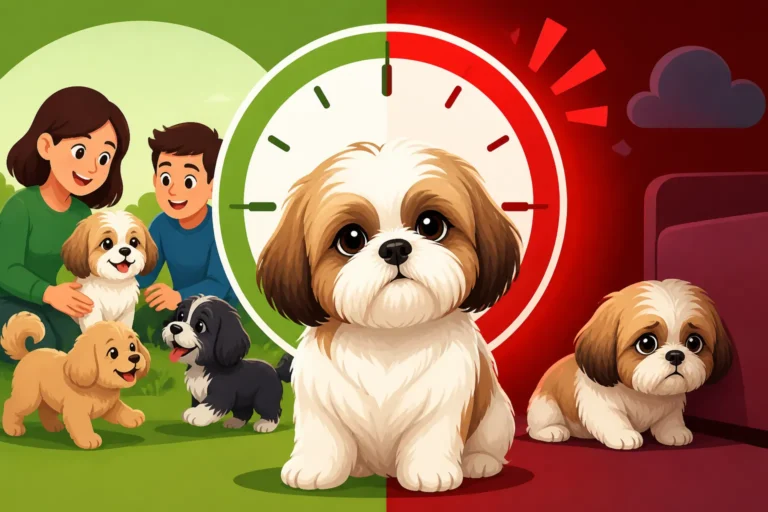
Sometimes, a Shih Tzu might not come because they're simply scared or anxious. A new environment, a loud noise, or an unfamiliar person or dog can be genuinely frightening for a small breed. In these situations, your Shih Tzu might freeze, try to hide, or even bolt in the opposite direction out of fear. This is not defiance; it's a legitimate stress response.
If you suspect fear is the issue, approach recall with even more empathy. Never scold or punish a Shih Tzu who is scared. Instead, focus on creating a sense of safety. Lower your body, speak in a calm, soothing voice, and try to make yourself appear less threatening. If you have a trusted friend with you, they might be able to gently walk closer to your Shih Tzu to encourage them. Avoid direct eye contact if your dog seems particularly fearful, as this can be perceived as confrontational. Once they do come, even reluctantly, reward them with comfort, gentle praise, and perhaps a special treat if they'll take it. The goal is to rebuild their confidence that coming to you means safety, not more stress. Gradual desensitization to their fears, often with the guidance of a professional trainer, can also help your Shih Tzu feel more secure in various environments.
Avoiding Accidental Punishment
This is a critical point that many owners inadvertently miss. You call your Shih Tzu, they eventually come, and then you immediately put them on a leash and end the fun. Or you call them because you need to administer medication, give them a bath, or leave the park. If "come" consistently signals the end of something good or the beginning of something they dislike, your Shih Tzu will quickly learn to avoid it.
To prevent this accidental punishment, make sure that coming to you doesn't always lead to something they perceive as negative. Call them for no reason, reward them, and then let them go back to what they were doing. Practice "fake recalls" where they come, get a jackpot, and then you release them to play again. When you do need to end an activity, call them to you, give them a reward, and then take a few steps with them before putting on the leash or going inside. This breaks the direct association between "come" and "fun is over." You want them to think of "come" as a continuous opportunity for good things, not a signal that their freedom is about to be curtailed. Ensuring A Shih Tzu That Cannot Relax in the Evening learns proper recall can also build their general sense of security.
Advanced Recall and Essential Safety Practices
Once your Shih Tzu has a solid foundation in recall and you've ironed out common kinks, it's time to refine their skills and ensure you have an emergency plan in place. This includes teaching an "emergency recall" and making sure you have the right gear to keep them safe.
Developing an Emergency Recall Word
An emergency recall is a special, high-priority command that you use only for truly critical situations. This isn't your everyday "come." This is the word that means "drop everything, ignore all distractions, and get to me RIGHT NOW, no questions asked." Because it's reserved for emergencies, you won't use it frequently, which keeps its power potent.
Choose a word or phrase that you don't typically use in everyday conversation, like "BLAST OFF!" or "CODE RED!" The training for this is similar to regular recall but with even higher stakes for rewards. Practice it in very controlled, low-distraction environments initially, and always reward with the absolute highest-value treat imaginable – a piece of steak, a dollop of peanut butter (xylitol-free!), or something they go utterly wild for. Make it an extravagant, over-the-top celebration. As you proof this command, slowly introduce minor distractions, always making sure to reward generously. The idea is that if you ever need to use this command in a real emergency, your Shih Tzu has a deeply ingrained, almost automatic response because the reward is so exceptionally powerful.
Essential Gear for Outdoor Adventures
While strong recall is your primary safety net, having the right gear is an indispensable backup. For a Shih Tzu, a well-fitting harness is absolutely non-negotiable. As mentioned, their brachycephalic (flat) faces and delicate tracheas mean that collars can pose a serious risk, especially if they pull or are suddenly yanked. A harness distributes pressure across their chest and shoulders, protecting their neck and airway. You can find many comfortable and secure options on Amazon.
Consider reflective gear for evening walks, even if you plan to keep your Shih Tzu on a short leash. A little reflective vest or collar tag can make a huge difference in visibility. If you're exploring unfenced areas or places where you want to give your Shih Tzu more freedom to sniff, the long line remains crucial. It allows them to roam while still being under your direct, physical control. Don't forget a small pouch filled with those high-value treats, attached to your belt or pocket, so you're always ready to reward a successful recall instantly. Quick access to rewards is vital for effective training. Always check your gear before you head out, ensuring there are no frayed edges or weak clips. A Shih Tzu That Panics at the Clipper might also struggle with new harnesses, so introducing gear gradually is wise.
Maintaining Recall Through All Life Stages
Recall training isn't something you complete and then forget. It's a continuous process that needs reinforcement throughout your Shih Tzu's life, from puppyhood into their senior years. Just like humans, dogs can forget things if they aren't practiced.
Continue to integrate short recall games into your daily routine, even if it's just calling them from one room to another for a quick treat. Life changes, and so do dogs. An adolescent Shih Tzu might test boundaries and suddenly act like they've never heard the word "come" before. A senior Shih Tzu might experience Hearing Loss in an Old Shih Tzu or Vision Loss in a Senior Shih Tzu, requiring you to adapt your cues with hand signals or stronger physical encouragement. Stay consistent, patient, and always make coming to you a positive, rewarding experience. If you move to a new home or introduce new pets, revisit the basics in the new environment. The more you reinforce positive recall, the more ingrained it becomes, ensuring your Shih Tzu's safety and your peace of mind for years to come.
Disclaimer
This article is for general informational purposes only and does not constitute professional advice. Laws, prices and regulations vary by location and change over time. Consult a qualified professional for guidance on your specific situation.