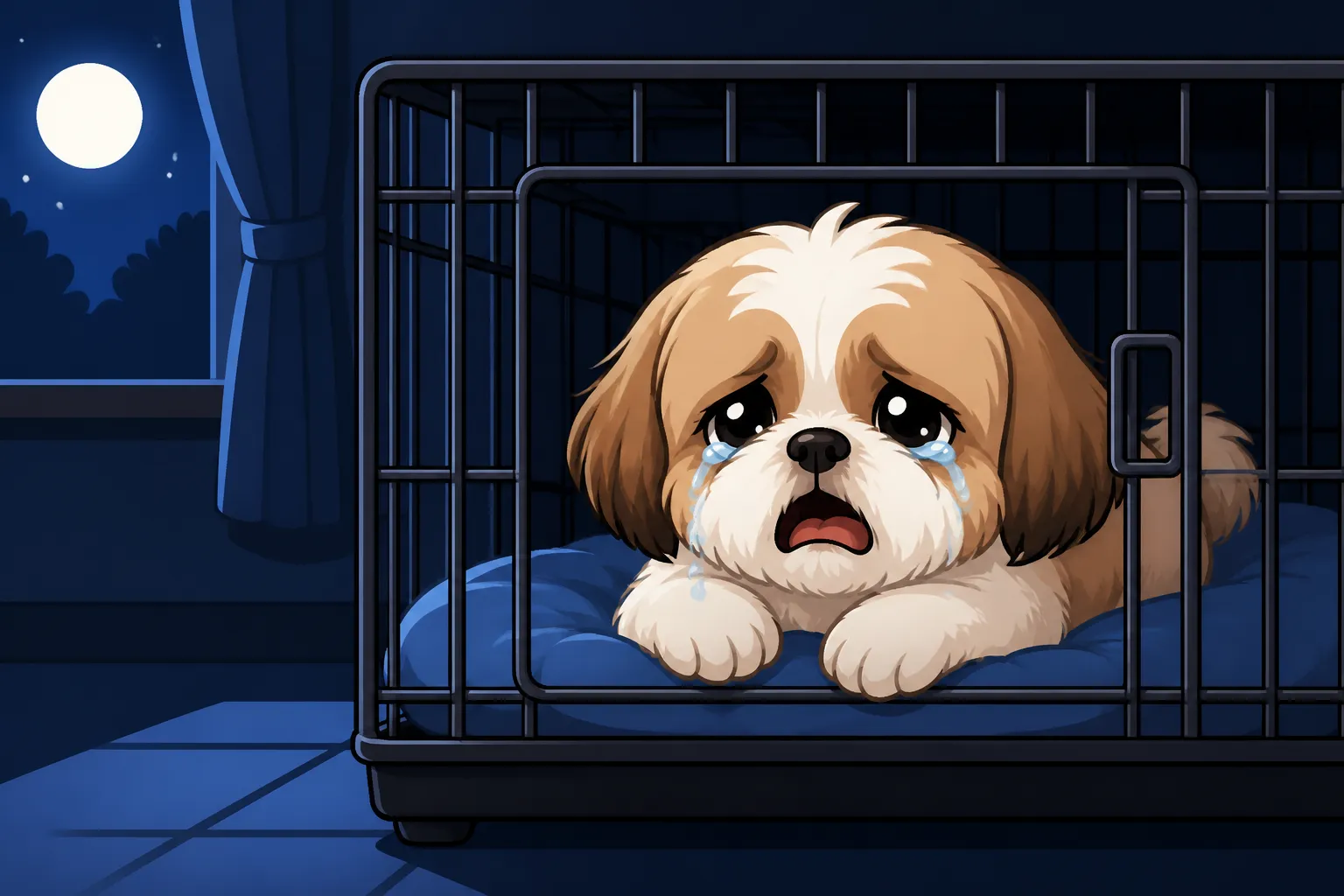
A Shih Tzu Crying in the Crate at Night
There's almost nothing more disheartening than lying in bed, exhausted, only to hear the persistent, mournful cries of your beloved Shih Tzu emanating from their crate. It's a sound that tugs at your heartstrings and makes you question everything you're doing. You might wonder if you’re a terrible dog parent, or if your little lion dog will ever sleep through the night. This guide is here to walk you through the common reasons why your Shih Tzu might be crying in their crate at night and, more importantly, to give you actionable strategies to help them settle down and enjoy a peaceful night's sleep – for both of you.
Understanding Why Your Shih Tzu Cries in the Crate at Night
First and foremost, it's crucial to understand that your Shih Tzu isn't crying to spite you or because they're being "naughty." There's always a reason behind their vocalizations, and once you identify that reason, you're well on your way to finding a solution. It's a natural form of communication for them, especially when they're feeling vulnerable or experiencing discomfort.
The Roots of Nighttime Distress: Is it a Need or an Emotion?
The reasons for nighttime crying can broadly be categorized into two groups: physical needs and emotional distress. It’s a bit like a human baby crying – sometimes they’re hungry, sometimes they’re scared, and sometimes they just want to be held.
For physical needs, consider these common culprits:
- Potty Breaks: This is by far the most frequent reason, especially for puppies or older dogs with smaller bladders. They simply can't hold it through the entire night and need to relieve themselves. Ignoring this can lead to accidents in the crate, which can be detrimental to house training and create a negative association with their sleeping space.
- Hunger or Thirst: While less common than potty needs, a change in feeding schedule or an insufficient last meal could leave them feeling hungry. Similarly, if their water bowl isn't accessible or was removed too early, they might be thirsty.
- Discomfort or Pain: Perhaps the bedding is lumpy, the crate is too hot or cold, or they have an upset tummy. Underlying health issues, even minor ones like gas, can cause significant discomfort for a small dog. Always rule out pain as a cause, particularly if the crying is sudden or accompanied by other symptoms.
Then there are the emotional reasons, which often stem from anxiety:
- Loneliness or Separation Anxiety: Shih Tzus are companion dogs, bred specifically to be close to their people. Being alone, especially in a new or unfamiliar environment, can be incredibly distressing for them. They miss the warmth and comfort of being near you or their littermates. This can manifest as full-blown separation anxiety, where they panic when left alone, even for short periods. For new puppies, this is completely normal as they adjust to their new home and being away from their mother and siblings.
- Fear: Strange sounds, shadows, or even just the unfamiliar darkness can be frightening for a Shih Tzu. Their senses are heightened at night, and what seems like nothing to you could be a big, scary monster to them.
- Boredom or Unexpended Energy: While primarily a daytime issue, if your Shih Tzu hasn't had enough mental and physical stimulation during the day, they might be restless at night. This isn't usually the sole cause of crying, but it can contribute to a general inability to settle.
The Difference Between Puppy and Adult Crate Crying
It’s important to distinguish between a new puppy’s cries and an older, established Shih Tzu’s vocalizations, as the approach to each will differ.
Puppy Crying:
A young Shih Tzu puppy, especially in their first few nights, is experiencing a massive change. They've just been removed from their mother and littermates, the only family they've ever known, and placed in a strange new environment. Their crying is a very natural response to this sudden isolation. They’re missing the warmth and security of their siblings piled up around them, and they don’t yet understand that you are their new source of comfort and safety. Their bladders are tiny, meaning frequent potty breaks are a necessity, sometimes every 2-3 hours for very young pups. Hunger can also be a factor as their little stomachs digest food quickly.
This initial period requires immense patience and empathy. Your goal is to slowly build their confidence in their new surroundings and teach them that the crate is a safe, cozy den, not a place of punishment or abandonment. This is a critical time for positive association. The First Nights With a Shih Tzu Puppy can be really insightful here, giving you specific things to expect and do in those initial hours and days.
Adult Shih Tzu Crying:
If your adult Shih Tzu, who was previously settled in their crate, suddenly starts crying at night, it’s a red flag that something has changed. This is less likely to be simple adjustment and more likely to be a genuine issue.
- Medical Concerns: Always, always consult your vet first. An adult dog crying in the crate could indicate pain, discomfort from a urinary tract infection, digestive upset, or even more serious underlying conditions. Don't assume it's behavioral until a vet rules out physical ailments.
- New Onset Separation Anxiety: A change in your schedule, a move to a new home, or a traumatic event (even something as simple as a scary thunderstorm) could trigger separation anxiety. This can also happen in older dogs whose senses decline, making them feel more vulnerable and alone.
- Negative Crate Association: Has the crate been used for punishment recently? Or perhaps they had a bad experience in it while you were away? This can quickly turn a once-positive space into a feared one.
- Lack of Exercise/Mental Stimulation: While less common for crying, an adult Shih Tzu with pent-up energy might find it harder to settle. They might whine out of boredom or frustration.
Crafting a Sanctuary: Setting Up the Perfect Nighttime Crate
The physical environment of the crate plays a huge role in your Shih Tzu's willingness to accept it as a safe sleeping space. A poorly set up crate can exacerbate anxiety and lead to crying.
Choosing the Right Crate and Its Prime Location
The right crate isn't just about size; it's about creating a safe, inviting den.
- Crate Size Matters: For a Shih Tzu, the crate should be just large enough for them to stand up comfortably, turn around, and lie down fully stretched out. Any bigger, and they might use one end as a potty area, which completely undermines house training. If you have a puppy and plan for them to grow into an adult-sized crate, use a divider to adjust the space as they grow. This is critical for preventing accidents. You can find excellent, appropriately sized crates with dividers readily available on platforms like Amazon.
- Crate Type: Wire crates offer good ventilation and visibility, which can be helpful initially for you to monitor your pup, but can also feel less den-like. Plastic crates are often more den-like and darker, offering a greater sense of security. Fabric crates are lighter and more portable but generally less secure for persistent chewers or escape artists.
- Initial Placement: For the first few nights or weeks, especially with a puppy, consider placing the crate in your bedroom, right next to your bed. Your Shih Tzu will be comforted by your presence, scent, and sounds. This proximity can dramatically reduce crying stemming from loneliness. As they grow more confident and settled, you can gradually move the crate to its permanent location, perhaps a quiet corner of the living room or another designated sleeping area. Consistency in placement helps them understand what to expect.
Creating a Cozy, Secure Den Environment
Think of the crate as your Shih Tzu’s private bedroom, a place where they feel safe, warm, and secure.
- Covering the Crate: For many Shih Tzus, especially those prone to fear or overstimulation, covering the crate with a blanket or a purpose-made crate cover can work wonders. This mimics a den, reducing visual distractions and creating a darker, more private space. It signals "bedtime" and can help them feel more secure. Just ensure there's still adequate ventilation, especially in warmer climates.
- Comfortable Bedding: A soft, comfortable bed is essential. A simple dog bed, a thick blanket, or even an old, clean t-shirt of yours can provide warmth and a familiar scent. Make sure the bedding is safe for your dog—no loose threads or small parts that could be chewed off and swallowed. Some puppies might initially chew bedding, so start with something simple and durable. For colder homes, a cozy blanket is a must.
- Something That Smells Like You: A worn t-shirt or a small blanket that smells like you can be incredibly comforting to a lonely Shih Tzu. Your scent provides a sense of security and presence, even when you're not physically there.
- Safe Chew Toys: A safe, durable chew toy can provide distraction and comfort, especially for puppies experiencing teething discomfort. Choose something appropriate for their size that won't be a choking hazard. Puzzle toys filled with a small amount of frozen peanut butter (xylitol-free!) can also be a great calming tool to occupy them as they settle down.
- White Noise or Soft Music: A white noise machine, a fan, or soft, calming music can help drown out household noises or external sounds that might otherwise startle or stimulate your Shih Tzu. There are even specific dog-calming music tracks designed to reduce anxiety.
Implementing Strategies to Silence the Nighttime Whimpers
Once you’ve got the crate set up, it’s all about consistency, routine, and understanding your Shih Tzu’s communication.
The Power of a Consistent Bedtime Routine
Dogs thrive on routine, and a consistent bedtime ritual signals to your Shih Tzu that it’s time to wind down.
- Evening Exercise: Ensure your Shih Tzu gets a good play session or a short walk in the evening, but not too close to bedtime. This helps burn off excess energy, making them more likely to settle down quickly. Remember that Shih Tzus are not built for long, strenuous activity, but even a good indoor play session with a favorite toy can make a difference. Shih Tzu Exercise for a Low-Energy Toy covers suitable activities.
- Last Potty Break: Take your Shih Tzu out for a final potty break right before you put them in their crate for the night. Make sure they actually relieve themselves. Praise them calmly when they do. This is a non-negotiable step, especially for puppies or Why Shih Tzu House Training Runs Long.
- Winding Down: About an hour before bed, transition to quiet activities. No vigorous play, loud TV, or exciting interactions. Gentle petting, a quiet chew, or just snuggling on the sofa can help them relax.
- A "Goodnight" Ritual: Establish a simple "goodnight" routine. This could be a small, special treat they only get in their crate, a quiet phrase you say, or a gentle stroke. This predictability helps them feel secure.
Master the Potty Schedule to Avoid Accidents and Crying
One of the biggest reasons for crying, especially from puppies, is the need to potty. A structured potty schedule is your best friend here.
- Frequency is Key: Puppies generally need to go out every 2-4 hours, with the maximum stretch at night being their age in months plus one hour (e.g., a 3-month-old puppy might hold it for 4 hours). Adults can typically hold it longer, but individual needs vary.
- Nighttime Potty Breaks: For puppies, you will likely need to set an alarm for a middle-of-the-night potty break. Take them out calmly, with minimal interaction. No playing, no praise beyond a quiet "good potty." Once they've done their business, immediately return them to the crate. This teaches them that crying at night only gets them a quick trip outside to potty, not playtime or attention.
- Ignoring Attention-Seeking Crying: This is the trickiest part. If you’ve just taken them out, they’ve eaten, and they have water, and they’re still crying, it’s likely attention-seeking or anxiety. This is where you need to be strong. If you respond to every whimper, you inadvertently teach them that crying gets your attention, reinforcing the behavior. Wait for a lull in the crying, even if it's just a few seconds, before you check on them (if you suspect a genuine need).
Comforting Loneliness and Calming Anxiety
Loneliness and anxiety are deeply felt emotions for Shih Tzus. Addressing these goes beyond just basic needs.
- Desensitize to the Crate During the Day: The crate shouldn't only appear at bedtime. Encourage positive interactions with the crate throughout the day. Toss treats inside, feed meals in there, or let them nap with the door open. Short, positive stints in the crate while you're home and awake build good associations. This is part of Crate Training a Shih Tzu Properly.
- Progressive Alone Time: Start leaving your Shih Tzu alone in their crate for very short periods during the day, even if you’re just in another room. Gradually increase the duration. This helps them build independence and understand that you always come back. Building Alone Time for a Shih Tzu dives deeper into this process.
- Calming Aids: Consider calming aids. Dog appeasing pheromone (DAP) diffusers or collars release synthetic pheromones that mimic those produced by a lactating mother dog, which can have a calming effect. Some natural calming supplements or chews can also help, but always discuss these with your vet first. For comprehensive guidance on training, resources like BAXTER & Bella offer online programs that can walk you through building confidence and managing anxiety in a structured way.
- Interactive Toys for Distraction: A Kong stuffed with frozen peanut butter or cream cheese can keep your Shih Tzu occupied for a while as they try to get to the treat, helping them settle.
How to Respond When Your Shih Tzu Cries
This is where many owners struggle because it goes against our instinct to comfort.
- Distinguish Cries: Over time, you’ll learn to differentiate between a "I need to pee" cry (usually more urgent, often escalating) and an "I’m lonely, come get me" whine (can be more persistent but less frantic).
- Address Legitimate Needs: If you suspect they need to potty, take them out immediately, quietly, and with no fuss. If they potty, quietly praise and return them to the crate. If they don't potty, give them a few minutes, then return them. Do not reward non-potty crying with prolonged attention or play.
- Ignore Attention-Seeking Cries: This is hard, but crucial. If you’ve addressed all possible needs and they're still crying, try to ignore it. Respond only when there’s a brief pause in the crying. Even a tiny silence is an opportunity to reward the lack of crying. Going in while they're crying teaches them that crying works. This often means enduring some difficult nights, but it pays off in the long run.
- The "No-Touch" Check: If you're truly concerned but want to avoid reinforcing attention-seeking, you can quietly approach the crate, check on them without opening the door, speaking, or touching, and then quietly walk away. This lets you confirm they're safe without giving them the reward of interaction.
Beyond the First Few Nights: Long-Term Crate Success
Crate training isn't a one-and-done event; it's an ongoing process that benefits from consistent positive reinforcement.
Building Positive Associations with the Crate
The crate should be a place your Shih Tzu wants to be, not a place they're forced into.
- Regular, Short Stays: Even after your Shih Tzu is sleeping through the night, continue to put them in their crate for short periods during the day. This could be during your shower, when you're eating dinner, or when you need a moment of quiet. Always pair it with a treat or a favorite toy. This reinforces the idea that the crate is a positive, calm space. You can use positive reinforcement techniques and Five Minute Sessions With a Shih Tzu to keep it fun and engaging.
- Never for Punishment: The cardinal rule of crate training: never use the crate as a punishment tool. If your Shih Tzu associates the crate with negative experiences, they will dread going in and the crying will return, sometimes with vengeance. It must always be their safe haven.
- Fun Crate Games: Play simple games around the crate. "Find the treat" by tossing a treat into the crate and letting them go in to get it. Or practice "crate" as a cue, rewarding them lavishly for entering.
- Crate Naps: Encourage daytime naps in the crate. This teaches them that the crate is also a relaxing place for rest, not just for nighttime sleep.
- Consider a Multi-Crate Household: If you have space, having a crate in different areas of the house (e.g., one in the bedroom for night, one in the living room for daytime naps) can help normalize the crate and provide convenient "safe zones" for your Shih Tzu.
When to Seek Expert Guidance for Persistent Crying
Sometimes, despite your best efforts, the crying persists or seems to worsen. This is when it's time to call in the professionals.
- Veterinary Consultation: If your adult Shih Tzu suddenly starts crying in the crate, or if your puppy's crying is accompanied by other symptoms like lethargy, loss of appetite, changes in potty habits, or limping, the first call should always be to your veterinarian. They can rule out any underlying medical conditions that might be causing discomfort or pain. This is especially true for senior Shih Tzus, who might be experiencing cognitive decline or increased urinary frequency due to age.
- Professional Dog Trainer: For behavioral issues, particularly severe separation anxiety, a certified professional dog trainer or a veterinary behaviorist can be invaluable. They can assess your specific situation, help identify the root cause of the crying, and develop a tailored training plan. They can also teach you advanced techniques for desensitization and counter-conditioning. When looking for help, consider Finding a Trainer Who Understands Toy Breeds as a Shih Tzu's needs can be unique.
- Online Training Resources: For those looking for structured guidance at home, online training programs from reputable sources can be very helpful. Brands like BAXTER & Bella often provide step-by-step videos and support that can guide you through crate training challenges and help manage anxiety effectively.
- Don't Give Up: It can be exhausting and frustrating, but consistent effort and a clear plan will eventually lead to a quiet night. Giving up on the crate often means trading one problem for another, such as house training issues or destructive behavior when left alone. The crate is a vital tool for the safety and well-being of your Shih Tzu.
| Reason for Crying | Common Indicators | Immediate Action | Long-Term Solution |
|---|---|---|---|
| Potty Need | Urgent, escalating cries; often followed by scratching. | Take out immediately (calmly, no play). | Strict potty schedule, frequent breaks, praise for success. |
| Loneliness/Anxiety | Whining, howling; restless pacing; not interested in potty. | Briefly check without interaction; offer scented item. | Crate in bedroom initially; gradual alone time; positive associations; calming aids. |
| Hunger/Thirst | Whining, licking lips; checking food bowl area. | Offer small amount of food/water (if appropriate). | Consistent feeding schedule; ensure access to water during day. |
| Discomfort/Pain | Whimpering, restlessness, inability to get comfortable. | Check bedding; assess for injury/illness. | Vet check to rule out medical issues; comfortable bedding. |
| Attention-Seeking | Persistent whining even after needs met; stops with interaction. | Ignore until brief pause; then check calmly (no reward). | Consistent crate training; positive reinforcement for quiet time. |
Remember, your Shih Tzu is a part of your family, and their comfort and security are paramount. With patience, understanding, and a consistent approach, you can transform nighttime crying into peaceful slumber for everyone in the house.
Disclaimer
This article is for general informational purposes only and does not constitute professional advice. Laws, prices and regulations vary by location and change over time. Consult a qualified professional for guidance on your specific situation.