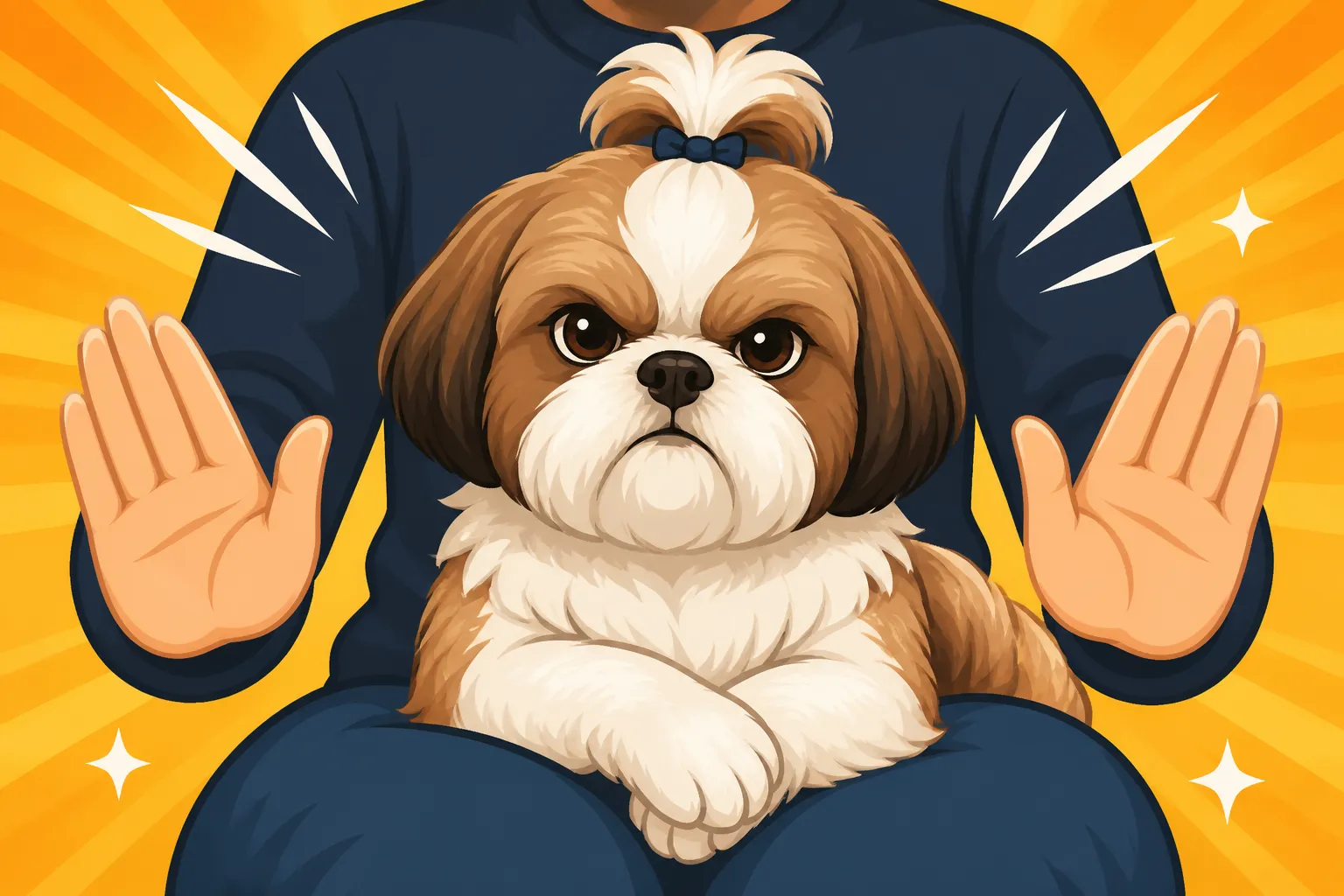
A Shih Tzu Guarding the Lap It Sits On
It's a perplexing and often frustrating situation when your adorable, sweet Shih Tzu, usually so loving, suddenly stiffens, growls, or even snaps when someone approaches your lap – the very spot they love to curl up on. This possessive behavior can be confusing and even a little scary, especially when it targets family members or guests. This guide will help you understand why your Shih Tzu might be guarding your lap and provide practical, empathetic strategies to manage and prevent this challenging behavior.
Understanding What Lap Guarding Really Is
When we talk about a Shih Tzu "guarding the lap," we're essentially describing a form of resource guarding. In the wild, animals protect valuable resources like food, mates, or prime resting spots from perceived threats. For our domesticated companions, especially a lapdog like the Shih Tzu, your lap becomes an incredibly high-value resource. They might see it as the most comfortable, safest, and most cherished spot in the house, and they feel compelled to protect it from anyone or anything that comes too close.
This behavior isn't about being "mean" or "dominant" in the old-fashioned sense. Instead, it often stems from insecurity, fear, or a learned response. Your Shih Tzu isn't trying to be malicious; they're simply communicating that they feel threatened or possessive over something they value deeply. It’s their way of saying, "This is mine, and I don't want you near it!" Understanding this distinction is crucial because it informs our approach to addressing the behavior. We're not trying to punish defiance, but rather to teach a more appropriate way to express their feelings and to alleviate their underlying anxiety.
The Spectrum of Possessive Behavior
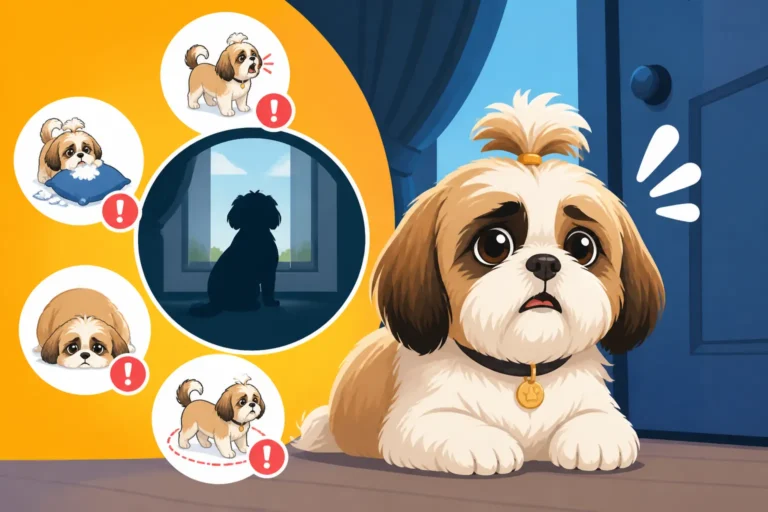
Lap guarding isn't a one-size-fits-all behavior; it exists on a spectrum. At one end, you might have a subtle shift in body language: a slight stiffening, a direct stare, or a low growl that's barely audible. This is often the first sign, and if you catch it here, it's much easier to address. Your Shih Tzu might just nudge their head into you or lean in, subtly trying to block an approaching hand.
Further along the spectrum, the behavior becomes more overt. This could involve a louder, more insistent growl, a snarl, baring teeth, or even a quick snap in the air or a lunge. It's important to recognize these escalating signals. Sometimes, owners inadvertently reinforce the behavior by retreating immediately, which teaches the Shih Tzu that their aggressive display effectively wards off the "threat." However, confronting it directly without understanding the underlying cause can also make things worse, increasing their anxiety and potentially leading to a bite.
Is It Only About Your Lap?
While the core issue might manifest as guarding your lap, it's worth observing if your Shih Tzu exhibits similar possessive behaviors with other high-value items or locations. Do they guard their food bowl? Their favorite squeaky toy? A particular bed? Perhaps they growl if you try to take a chew away from them. This broader pattern of resource guarding suggests a more general insecurity or a lack of trust that their valued items will not be taken away.
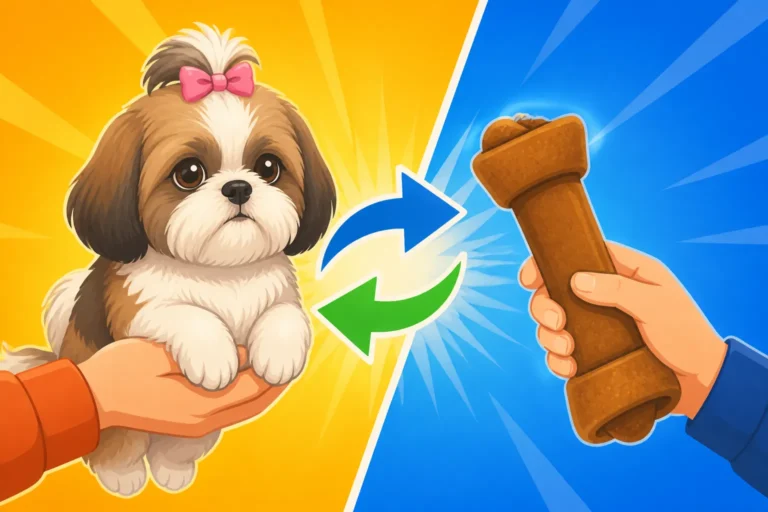
If your Shih Tzu guards other items, the strategies you implement for lap guarding will likely also benefit these other situations. The goal is to build trust, teach "leave it" and "drop it" cues, and ensure your dog feels secure with their possessions. For instance, if your Shih Tzu growls over a chew, practicing "trading" with an even higher-value treat can be incredibly effective. Always exchange for something better, never just take it away, which can break trust and escalate guarding. You can learn more about this in Trading a Shih Tzu Off a Chew.
Why Your Shih Tzu Guards Your Lap
Understanding the "why" behind the behavior is key to finding effective solutions. It's rarely about pure defiance; more often, it's rooted in instinct, past experiences, or even a lack of clear communication.
Insecurity and Fear
Shih Tzus, despite their regal bearing, are small dogs, and the world can seem like a big, intimidating place. If a Shih Tzu feels insecure or fearful, they might latch onto a "safe" person or a "safe" spot (your lap) and perceive anyone approaching as a threat to their security. This isn't necessarily a conscious thought process on their part; it's an instinctual "fight or flight" response, and guarding your lap is their way of trying to make the perceived threat go away.
This fear can be exacerbated if they had negative experiences in the past. Perhaps they were startled or handled roughly while on someone's lap as a puppy, or they were consistently picked up and removed from a comfortable spot without warning. These experiences can condition them to believe that close approaches mean something unpleasant is about to happen, reinforcing the need to guard.
Lack of Early Socialization and Training
Proper socialization during puppyhood is critical for all dogs, including Shih Tzus. A puppy needs to be exposed to a wide variety of people, sights, sounds, and experiences in a positive way. If a Shih Tzu wasn't adequately socialized, they might not have learned how to appropriately interact with different people or to share space calmly. They might lack the confidence to handle new situations or people, leading them to feel the need to guard.
Furthermore, a lack of consistent, positive training can contribute. If a Shih Tzu hasn't learned basic cues like "off," "stay," or to accept gentle handling from various people, they might not understand what is expected of them or how to cope when approached while on your lap. This isn't about harsh correction, but about building a foundation of communication and trust. Concepts covered in Positive Reinforcement With a Shih Tzu are vital here.
Undesirable Reinforcement
Sometimes, we, as loving pet parents, inadvertently reinforce the very behavior we want to stop. Imagine your Shih Tzu growls when your partner tries to sit next to you on the couch. You, wanting to avoid conflict, might gently push your partner away or pick up your Shih Tzu and move them to another spot, effectively "solving" the immediate problem. From your Shih Tzu's perspective, their growl worked! The "threat" retreated. This creates a cycle where the guarding behavior is rewarded, making it more likely to happen again.
It's a tricky balance because you don't want to ignore signs of discomfort, but you also don't want to reinforce the unwanted behavior. The key is to manage the environment and teach alternative, acceptable behaviors through positive methods, rather than reacting to the guarding itself.
Practical Steps to Address Lap Guarding
Addressing lap guarding requires patience, consistency, and a commitment to positive reinforcement. The goal isn't to punish your Shih Tzu into submission, but to change their emotional response to people approaching while they're on your lap.
Building Positive Associations
This is the cornerstone of resolving resource guarding. You want your Shih Tzu to associate people approaching your lap not with threat, but with good things happening.
Start by having the "approacher" (it could be anyone your dog guards against, like a spouse or child) stand a distance away where your Shih Tzu doesn't react. As they take one step closer, toss a high-value treat to your Shih Tzu. Then, they take a step back. Repeat this process, gradually decreasing the distance. The idea is: "Person approaches = yummy treat!"
If your Shih Tzu shows any signs of tension (stiffening, hard stare), the person is too close. Back up and work at an easier distance. This needs to be done slowly, over many sessions, and never rush it. This counter-conditioning helps your Shih Tzu to relax and see approaching hands as givers of good things, not threats.
Teaching an "Off" Cue and Rewarding Alternative Behaviors
Instead of letting your Shih Tzu think they own your lap, teach them that getting off your lap, even temporarily, can lead to rewards. Lure them off with a treat, say "off," and immediately reward them when all four paws are on the floor. Practice this repeatedly. Once they reliably get off, you can then invite them back up. This teaches them that your lap is a privilege, not an entitlement, and that complying with your requests brings good things.
You can also reward them for simply settling calmly nearby, perhaps on their own bed next to the couch. Offer them a high-value chew, like a Benebone or a stuffed KONG, on their designated spot. This encourages them to view their own spot as a relaxing, rewarding place to be, reducing the exclusive focus on your lap. Treats Small Enough for a Shih Tzu can be helpful here for finding appropriate rewards.
Managing the Environment and Training Situations
Environmental management is critical, especially in the early stages of training. If your Shih Tzu is a severe lap guarder, it might be best to prevent them from getting on your lap when you know guests are coming over, or if you anticipate situations where they might react. You could use a baby gate to create a safe, quiet space for them nearby, or leash them to a secure anchor point with a comfortable bed and a long-lasting chew. This prevents the guarding behavior from happening and being practiced, while you work on the underlying issues in controlled training sessions.
When training, keep sessions short (5-10 minutes) and positive. Always end on a good note. If you feel frustrated, take a break. Your Shih Tzu will pick up on your stress, which can hinder progress. Remember, consistency is key, and every interaction is a learning opportunity.
Seeking Professional Help
For severe cases of lap guarding, especially if there's any history of biting or consistent aggressive displays, it's always best to consult with a certified professional dog trainer or a veterinary behaviorist. They can assess your Shih Tzu's specific situation, identify triggers you might be missing, and develop a tailored training plan.
Many trainers offer virtual consultations, and some local trainers specialize in toy breeds, understanding their unique temperaments and needs. Online platforms, such as BAXTER & Bella, also offer comprehensive puppy training and problem-solving resources that can be incredibly helpful for owners working through behavioral challenges. Don't hesitate to seek expert guidance; it can make a world of difference for both you and your Shih Tzu. Finding a Trainer for a Toy Breed is an excellent resource for this.
Here’s a quick overview of strategies:
| Strategy | Description | Best Use |
|---|---|---|
| Positive Associations | Pair approachers with high-value treats to change emotional response. | Initial stages, rebuilding trust, gentle re-introduction. |
| "Off" Cue Training | Teach your Shih Tzu to willingly leave your lap for a reward. | Establishing control, showing lap is a privilege. |
| Designated Safe Spots | Provide and reward your Shih Tzu for settling in their own bed/space. | Reducing reliance on lap, promoting independent calm. |
| Environmental Management | Prevent guarding situations, e.g., gates, leashes. | Preventing rehearsal of unwanted behavior, especially with guests. |
| Professional Guidance | Consult a certified trainer or veterinary behaviorist. | Severe cases, biting history, or if self-training isn't working. |
Preventing Lap Guarding in Puppies and New Dogs
Preventing lap guarding is always easier than fixing it. If you're bringing home a new Shih Tzu puppy or adopting an adult, there are proactive steps you can take to foster a secure and non-possessive temperament.
Early and Broad Socialization
From the moment your Shih Tzu puppy is cleared by your vet to meet the world (usually after their initial vaccinations), expose them to a variety of positive experiences. This includes different people – men, women, children, people with hats, people with glasses, people using mobility aids – all in a calm, controlled, and rewarding manner. Let them meet friendly, vaccinated adult dogs. Introduce them to different sounds, surfaces, and environments.
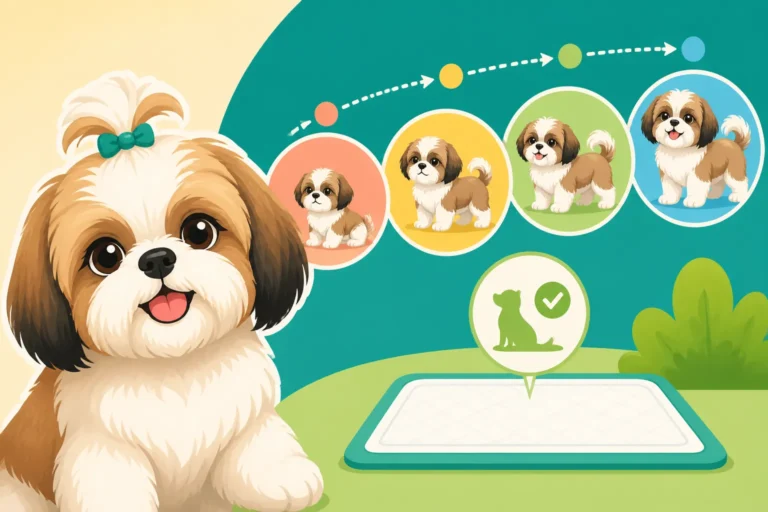
A well-socialized Shih Tzu is generally more confident and less likely to feel the need to guard. Enroll them in a positive-reinforcement puppy class. These classes are invaluable for building confidence and good manners. Shih Tzu Puppy Training Month by Month provides a great roadmap for this crucial period.
Establishing Clear Boundaries with Positive Reinforcement
Even though they're tiny, Shih Tzus benefit from clear boundaries. This doesn't mean being harsh; it means being consistent. Teach your puppy basic cues like "sit," "stay," "come," "off," and "leave it" from a young age using treats and praise. Regularly practice having them get on and off furniture on cue. Reward them for settling calmly in their own bed.
Encourage sharing. Periodically, offer a high-value treat to your puppy while they are eating their meal or playing with a toy. Gently touch their food bowl, then drop an extra yummy treat in. Pick up a toy, give them a treat, and then give the toy back. This teaches them that hands approaching their resources are not threats, but bring good things.
Promoting Independence and Self-Soothing
While Shih Tzus love being near their people, it's important to encourage a healthy sense of independence. Provide them with safe, enriching activities they can do on their own, like puzzle toys filled with treats from Amazon, or a durable chew toy. Teach them to settle in a crate or a designated "safe spot" for short periods, away from your lap.
This balance helps prevent over-attachment and reduces the likelihood that your lap becomes their only source of security. If they can comfortably entertain themselves or rest happily on their own, they'll be less likely to become possessive over your constant attention or physical presence. A Shih Tzu Underfoot in Every Room talks more about managing their presence.
Consistent Handling from All Family Members
Ensure that all family members, and even trusted friends, gently interact with your Shih Tzu and offer treats. This includes petting them while they're on your lap, if they're comfortable with it, or having others practice the "approaching and treating" exercise discussed earlier. The goal is for your Shih Tzu to generalize that all people are sources of positive interactions, not just you. This is especially important if you have children. A Shih Tzu and a Toddler in the Same Room offers excellent advice on how to manage these interactions safely.
Remember, patience and positive reinforcement are your greatest tools. Transforming a lap guarder into a confident, relaxed companion takes time, but the bond you build through this process will be invaluable.
Disclaimer
This article is for general informational purposes only and does not constitute professional advice. Laws, prices and regulations vary by location and change over time. Consult a qualified professional for guidance on your specific situation.