A Gentle Shih Tzu That Suddenly Snaps
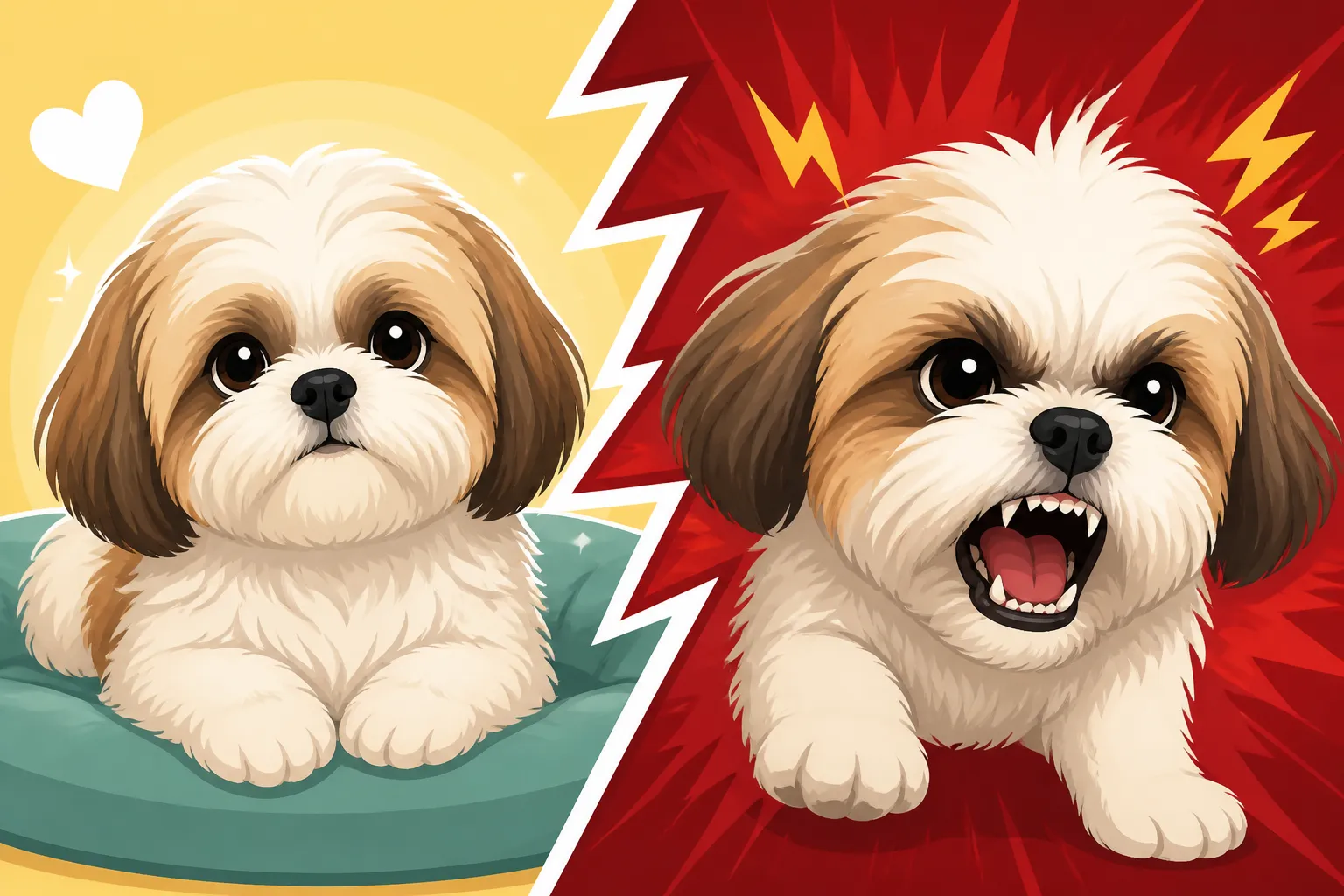
It's incredibly jarring and disheartening when your sweet, usually gentle Shih Tzu suddenly snaps, growls, or even nips without warning. You might feel confused, upset, and worried about what this means for your beloved companion and your household. This guide is here to help you understand the common underlying reasons for such a sudden change in behavior and to equip you with actionable steps to address it, bringing peace back to your home.
Unmasking the Cause: Why a Gentle Shih Tzu Snaps Unexpectedly
When a Shih Tzu, known for their affectionate and laid-back temperament, suddenly turns irritable or aggressive, it's almost always a sign that something is fundamentally wrong. Dogs don't just "snap" for no reason; there's usually a clear, albeit sometimes hidden, trigger. Our job as their guardians is to become detectives and figure out what that trigger might be.
Pain or Discomfort as a Primary Driver
The most common reason for a sudden behavioral shift, especially snapping, is pain. Imagine yourself in constant discomfort; your patience would wear thin, and a minor irritation could easily set you off. Dogs are no different, but they can't tell us in words what hurts. Instead, they communicate through changes in behavior. A quick growl or a snap might be their only way of saying, "Stop, that hurts!"
Consider chronic issues like Shih Tzu Dental Disease at 13 Percent of the Breed, where an abscessed tooth could cause excruciating pain when pressure is applied to the mouth or face. Or perhaps it's Shih Tzu Joint Problems in a Toy Frame like arthritis in an older dog, making them reluctant to be picked up or touched in certain areas. Shih Tzu Back Problems and Disc Disease are also notoriously common in our long-bodied friends; a slipped disc can cause immense pain with even slight movements, leading to a snap if you accidentally touch a tender spot or try to lift them. Even something as subtle as an ear infection, like those covered in Shih Tzu Ear Infections Under Heavy Ear Leather, can make a dog reactive to being petted near their head. An undiagnosed internal issue, like a bladder stone or a kidney problem, could also lead to generalized discomfort that makes them more irritable. It's crucial to consider that any part of their tiny body could be experiencing pain.
Fear, Anxiety, or Being Startled
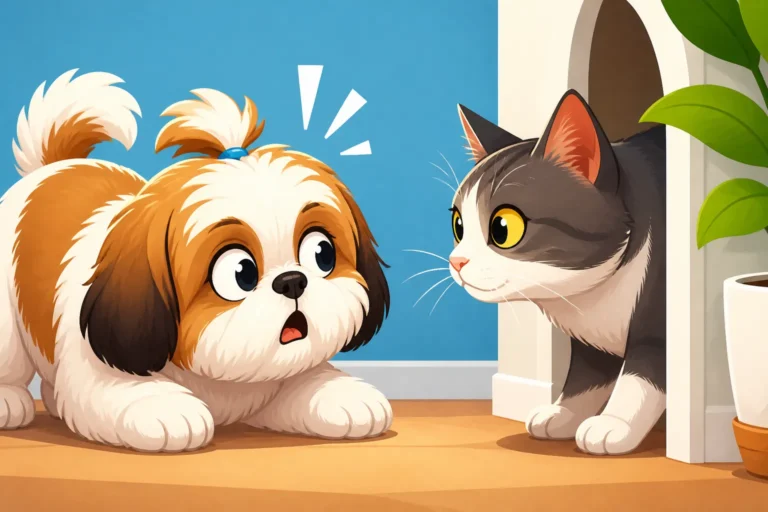
Another significant factor behind sudden snapping is fear. Shih Tzus, despite their robust personalities, can be sensitive souls. If they feel threatened, trapped, or suddenly startled, their instinct might be to defend themselves. This defense mechanism can manifest as a growl, a snarl, or even a quick snap.
Think about a small child approaching them too quickly or a loud, unexpected noise. Perhaps someone reached over them while they were sleeping, or they were roughly handled during grooming. A Shih Tzu's eyes, being prominent, are also vulnerable, and any perceived threat to them can provoke a defensive reaction. Shih Tzu Proptosis and How It Happens highlights just how delicate their eyes are, making them particularly sensitive to head handling. If your Shih Tzu has recently had a bad experience, like a rough encounter with another dog, a visit to an unfamiliar groomer, or an uncomfortable vet procedure, they might become wary and snap when a similar situation arises. This isn't aggression for aggression's sake; it's a plea for safety and space. Sometimes, underlying anxiety, perhaps even Shih Tzu Alone Time and Learning to Tolerant It if they're left alone too long, can manifest as general irritability that lowers their threshold for snapping.
Resource Guarding: Protecting What's Theirs
Resource guarding is a natural canine behavior where a dog protects items they perceive as valuable. While it's more commonly associated with food bowls or high-value toys, a Shih Tzu can guard anything from their favorite sleeping spot to a particular person, or even a stolen sock. When someone approaches or attempts to take their guarded item, they might snap to communicate "This is mine, stay away."
This isn't necessarily a sign of a bad dog, but rather a mismanaged instinct. Perhaps your Shih Tzu has always been a little possessive of their favorite chew bone. Or maybe they've recently started growling when you get too close to their dinner bowl. Sometimes, a dog will even resource guard their human! If your Shih Tzu snaps at another family member or pet when they come near you while you're holding your dog, that's a classic sign of guarding. It's vital to address resource guarding proactively, as it can escalate if ignored. Pay attention to specific items or situations that trigger this behavior. Is it always around mealtime? Is it when they have a specific toy? Understanding the "what" and "when" is key to resolving it.
Cognitive Decline or Other Medical Conditions
As Shih Tzus age, they can experience cognitive decline, similar to dementia in humans. This can manifest as confusion, disorientation, changes in sleep patterns, and increased irritability. An older Shih Tzu might snap because they are disoriented, easily startled, or simply don't recognize a familiar person or situation, leading to fear and a defensive reaction. Cognitive Decline in a Shih Tzu Past Twelve dives deeper into these changes.
Beyond cognitive decline, other less common but possible medical conditions can also contribute to a sudden behavioral shift. Hormonal imbalances, neurological issues, or even a brain tumor could cause irritability and uncharacteristic aggression. For example, some dogs might experience seizures which, in between episodes, can leave them feeling confused or agitated. It's essential not to dismiss changes in an older dog's temperament as "just old age" without a thorough veterinary check-up.
First Steps When Your Shih Tzu Snaps Unexpectedly
When your gentle Shih Tzu snaps, your immediate reaction might be shock or fear. It's okay to feel that way. However, it's important to react calmly and methodically. Your priority is safety for everyone, including your dog, and then to figure out the root cause.
Immediate Safety Measures and Observation
First, ensure everyone's safety. If your Shih Tzu has just snapped, give them space. Do not try to immediately comfort them or punish them, as this can escalate the situation or reinforce the behavior. Simply move away calmly and allow them to de-escalate on their own. If the snap happened during an interaction, like grooming or playtime, disengage from that activity.
Once things have settled, start observing. When exactly did the snap occur? What was happening immediately before, during, and after? Who was involved (you, another person, another pet)? What objects were nearby? Was your dog sleeping, eating, playing, or being handled? Write these details down. This detailed observation log will be invaluable for your vet and any professional trainer you consult. Look for subtle body language cues like lip licking, yawning, turning head away, tense body, tucked tail, or whale eye (showing the whites of their eyes) that might have preceded the snap, as these are often missed warning signs.
The All-Important Veterinary Check-Up
As mentioned, pain is the number one reason for a sudden behavioral change. Therefore, the very first and most critical step is to schedule a comprehensive veterinary examination. Explain to your vet exactly what happened, when, and under what circumstances. Don't leave out any details, no matter how small they seem.
Your vet will likely perform a thorough physical exam, checking for signs of pain in joints, spine, abdomen, mouth, ears, and eyes. They might recommend diagnostic tests such as blood work, X-rays, or even an MRI, especially if a spinal issue like Shih Tzu Disc Disease and Sudden Back Pain is suspected. For older dogs, a senior panel, like The Senior Panel a Shih Tzu Needs at Ten, is crucial to rule out organ disease or cognitive issues. If your vet gives your Shih Tzu a clean bill of health physically, then you can confidently move on to exploring behavioral causes. However, never skip this step! It’s unfair to try and address a behavioral problem with training alone if your dog is in pain.
Addressing the Root: Training and Management Strategies
Once you've ruled out medical causes, or if the vet identifies something treatable, you can begin to implement behavioral strategies. This phase requires patience, consistency, and often, professional guidance.
Environmental Adjustments and Management
While you're working on behavior modification, managing the environment is crucial to prevent future incidents. This means identifying situations that trigger snapping and actively avoiding or modifying them.
| Trigger Situation | Management Strategy | Example |
|---|---|---|
| Approaches during sleep | Provide a designated, quiet resting space. | A comfy dog bed from Amazon in a low-traffic corner. |
| Handling sensitive areas | Limit handling, use gentle techniques, desensitize slowly. | Instead of full brushing, do five-minute sessions focusing on non-sensitive areas, rewarding heavily. |
| Resource guarding food | Feed in a separate, quiet room; pick up bowl when done. | Place the food bowl behind a baby gate; approach only to refill, not to take away. |
| Resource guarding toys | Provide multiple toys, teach "drop it," trade for treats. | Always have a high-value treat ready to trade for the guarded toy. |
| Unfamiliar people/children | Supervise closely, create safe zones, teach "leave it." | Keep your Shih Tzu on a leash when guests visit, use a pen, or send them to their crate with a chew. |
| Being startled | Avoid sudden movements, announce your approach. | Say "Hi, pup!" before reaching for them when they're dozing. |
For an older dog struggling with vision or hearing loss, which can make them easily startled, always approach from the front and make your presence known gently. For dogs who guard their space or your lap, ensure they have their own safe, comfortable spot to retreat to when they need alone time. Consider using baby gates or an exercise pen to create zones where they can feel secure without constant intrusion.
Behavior Modification with Positive Reinforcement
If the cause is behavioral, positive reinforcement is your most powerful tool. This involves rewarding desirable behaviors and teaching your dog that previously scary or triggering situations can actually lead to good things. Never punish a growl or snap, as this teaches your dog to suppress their warnings, making future bites more likely without any prior signal.
For fear-based reactions, desensitization and counter-conditioning are key. This means gradually exposing your Shih Tzu to the trigger at a low intensity, while pairing it with something positive, like high-value treats. For instance, if they snap when you try to brush them, start by just showing them the brush from a distance, then immediately give a treat. Slowly, over many sessions, move the brush closer, touch it to their fur for a second, then reward. The goal is to change their emotional response from fear to anticipation of a treat. This can take weeks or months.
For resource guarding, practice "trading up." If your dog guards a toy, offer them an even more appealing treat in exchange for the toy. When they drop the toy for the treat, immediately praise and then return the toy to them (or give them a different one). This teaches them that giving up an item results in something better and that you're not trying to steal from them. You can find many enrichment toys and puzzles on platforms like Amazon that encourage positive engagement with food and toys without guarding pressure.
Seeking Professional Guidance
Let's be real: sometimes, managing complex behavioral changes on your own is overwhelming. This is especially true when aggression, even a minor snap, is involved. Don't hesitate to seek help from a qualified professional. Look for a certified professional dog trainer (CPDT-KA) or a certified applied animal behaviorist (CAAB) who uses force-free, positive reinforcement methods. Avoid any trainer who advocates for dominance, fear, or punishment-based techniques, as these can severely damage your relationship with your Shih Tzu and worsen aggressive behaviors.
A good trainer can assess your specific situation, help you pinpoint the exact triggers, and develop a customized training plan. They can also teach you the proper techniques for desensitization, counter-conditioning, and management. Services like BAXTER & Bella offer online resources and coaching that can be invaluable for owners learning these techniques from home, providing structured programs and support. They can guide you through the process, helping you understand your Shih Tzu's body language better and build a more trusting relationship, ensuring you and your furry friend are safe and happy together. Remember, a sudden snap is a cry for help; with patience and the right approach, you can help your Shih Tzu feel secure and gentle once again.
Understanding Shih Tzu Body Language and Warning Signs
Often, when a Shih Tzu snaps, it wasn't truly "sudden" to them, but rather our human eyes missed the subtle cues they were giving beforehand. Learning to read your Shih Tzu's body language is critical for preventing future incidents and understanding their emotional state. They might be tiny, but their communication is rich and complex.
Decoding the Subtle Signals
Before a full-blown growl or snap, most dogs will offer a ladder of escalating signals. These signals are their way of saying, "I'm uncomfortable, please stop." Ignoring these smaller signals can push a dog to feel they have no choice but to escalate to a more overt warning.
Here's a breakdown of some common warning signs, from subtle to overt:
- Lip licking: Often quick and subtle, especially when no food is present. It's a sign of stress or appeasement.
- Yawning: Also an appeasement signal or stress sign, particularly if the dog isn't tired.
- Turning head away or averting gaze: Your Shih Tzu might look away from you or the trigger, trying to disengage.
- Freezing: Becoming stiff and still, sometimes with a wide-eyed stare (often called "whale eye" where the whites of the eyes are visible). This means they are uncomfortable and preparing for what might happen next.
- Low tail carriage or tucked tail: A clear sign of fear or anxiety.
- Ears flattened or pulled back: Indicates fear, anxiety, or submission.
- Growling: This is a very clear warning. Listen to it! It means "I'm seriously uncomfortable, and I might bite if you don't stop." Never punish a growl, as you're taking away their ability to warn you.
- Snapping (air bite): A snap with no contact. This is their final warning before a bite.
- Nipping (contact but no puncture): Means they want you to get the message, but don't intend serious harm yet.
- Biting (puncture): The last resort.
If you observe any of these signals, especially the more subtle ones, immediately stop what you're doing, give your Shih Tzu space, and re-evaluate the situation. Recognizing these signals can help you intervene before the situation escalates to a snap. Pay close attention to these cues, especially when grooming (as detailed in Muzzle Work Before a Shih Tzu Groom), during vet visits, or when interacting with new people.
Building Trust and Predictability
A Shih Tzu that suddenly snaps is often a Shih Tzu that feels insecure or misunderstood. Building a strong foundation of trust and predictability can go a long way in preventing such incidents. Your dog needs to know what to expect from you and that you will protect them from perceived threats.
- Establish a routine: Dogs thrive on routine. Predictable feeding times, potty breaks, and playtime can reduce anxiety.
- Be consistent with rules: Everyone in the household should enforce the same rules consistently. Inconsistency can be confusing and stressful for dogs.
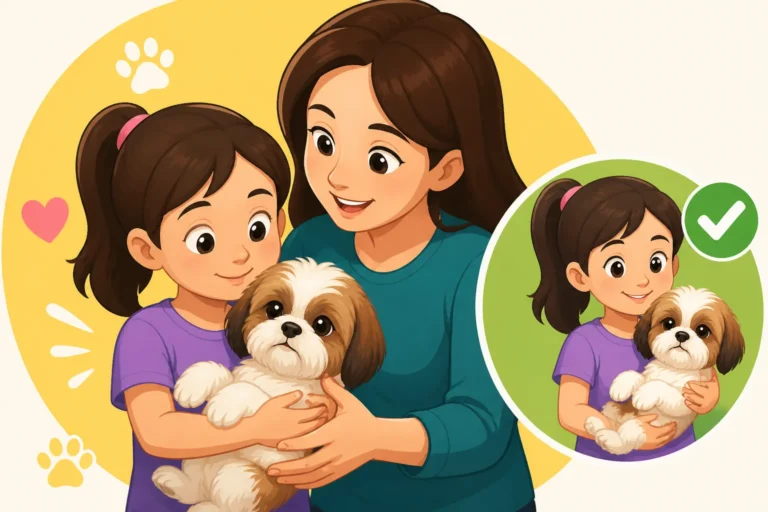
- Positive interactions: Make every interaction a positive one. Use gentle handling, praise, and treats. If your Shih Tzu is sensitive to being picked up, practice gentle handling exercises and reward them for calm acceptance. Showing a Child How to Carry a Shih Tzu provides great insights for ensuring safe interactions with young ones.
- Respect their space: Teach children and guests to respect your Shih Tzu's boundaries. If your dog is resting in their bed or crate, they should be left undisturbed. This teaches them that their "safe space" truly is safe.
- Engage in low-stress activities: Provide opportunities for enjoyable, low-stress activities. Short, sniffy walks, puzzle toys from Amazon that challenge their minds, or gentle playtime can boost their confidence and overall happiness. Consider enrollment in something like Puppy Classes That Suit a Shih Tzu even if your dog is older, as they can help build confidence and reinforce good manners in a controlled environment.
By diligently observing your Shih Tzu's body language, understanding their subtle warnings, and building a foundation of trust and positive interaction, you can often preempt the behaviors that lead to snapping. It's a journey of learning and empathy, but a deeply rewarding one for both you and your cherished companion.
Moving Forward: Prevention and Long-Term Well-being
Once you've identified the reasons behind your Shih Tzu's sudden snapping and have started implementing management and training strategies, the focus shifts to long-term prevention and ensuring their overall well-being. This isn't a quick fix; it's an ongoing commitment to understanding and meeting your dog's needs.
Continuous Monitoring and Adjustment
Even after you've made progress, it's vital to remain vigilant. Your Shih Tzu's needs might change over time, especially as they age or if new stressors arise. What worked last month might need a slight adjustment next month.
Keep a mental (or actual) log of their behavior. Are they still showing any subtle warning signs? Are new triggers emerging? For instance, if the initial snapping was due to Shih Tzu Arthritis After the Age of Nine, their pain management plan might need tweaking as the condition progresses. Perhaps they were okay with having their paws handled before, but now they're sensitive. This calls for re-evaluating your grooming routine and potentially using softer brushes or even seeking professional help for nail trims if they become particularly reactive. Regular veterinary check-ups, even more frequently for senior dogs, are critical to catch any underlying health issues early before they escalate into behavioral problems. Early intervention is always easier and more effective than waiting until a behavior is deeply ingrained.
Enriching Their Environment
A mentally and physically stimulated Shih Tzu is generally a happier and less anxious one. While Shih Tzus are not high-energy dogs, they still benefit from appropriate enrichment. This helps prevent boredom and can reduce stress, which in turn can lower the likelihood of reactive behaviors.
- Puzzle feeders: Instead of simply putting food in a bowl, use puzzle feeders or scatter their kibble for them to "hunt." This engages their minds and makes mealtime more stimulating. Many options are available on Amazon.
- Safe chew toys: Provide a variety of safe, appropriate chew toys. Chewing is a natural, stress-relieving activity for dogs. Just be mindful of resource guarding if this is an issue.
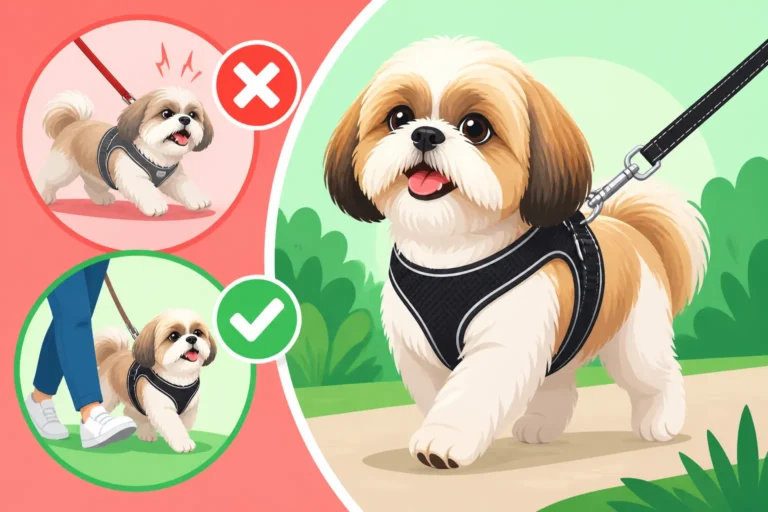
- Short, engaging walks: While they may not be marathon runners, Twenty Minutes of Walking for a Shih Tzu can offer mental stimulation through new smells and sights. Let them sniff around; it’s like reading the daily newspaper for them! Ensure walks are safe and comfortable, especially considering Why a Shih Tzu Should Wear a Harness Not a Collar.
- Interactive play: Engage in gentle, positive play with appropriate toys. Tug-of-war can be fun, but ensure you teach a solid "drop it" cue to prevent resource guarding.
- Mental games: Teach them new tricks! Even an older Shih Tzu can learn. Simple tricks like "touch," "spin," or "bow" can be fun and build confidence. BAXTER & Bella, for example, offers many ideas for engaging mental games.
A well-enriched environment helps your Shih Tzu feel secure, confident, and less prone to stress-induced behaviors. It reinforces the idea that their world is a safe and interesting place, full of positive interactions.
The Importance of a Calming Household
Your Shih Tzu is highly attuned to the atmosphere in your home. A calm, predictable, and loving environment is paramount for their emotional well-being. Loud noises, constant tension, or unpredictable interactions can heighten a dog's anxiety and make them more prone to snapping.
Establish a peaceful home life where your Shih Tzu feels secure. This means gentle voices, consistent boundaries, and plenty of quiet, quality time together. If there are children in the home, ensure they are taught A Shih Tzu and a Toddler in the Same Room interactions from an early age, emphasizing respect for the dog's space and gentle handling. For instances where conflict or excitement might arise, like during mealtimes or when guests visit, ensure your Shih Tzu has a safe retreat where they can be undisturbed. Creating a sense of safety and belonging is the greatest gift you can give your Shih Tzu, solidifying the bond of trust and preventing unexpected snaps.
By committing to these long-term strategies, you're not just stopping a problematic behavior; you're cultivating a deeper understanding and a more harmonious relationship with your cherished Shih Tzu. It truly makes all the difference.
Disclaimer
This article is for general informational purposes only and does not constitute professional advice. Laws, prices and regulations vary by location and change over time. Consult a qualified professional for guidance on your specific situation.