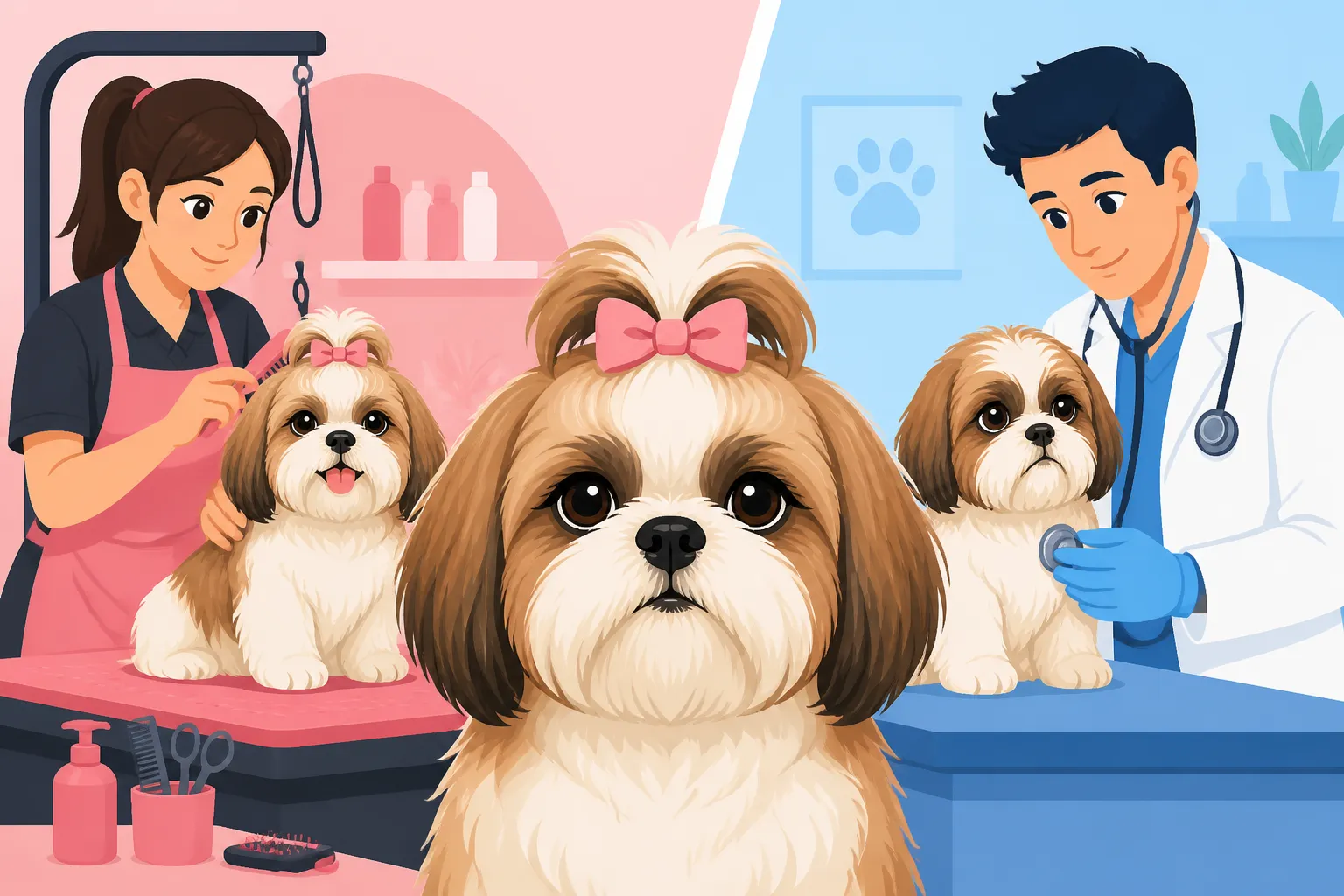
Shih Tzu Behavior at the Groomer and the Vet
Bringing your beloved Shih Tzu to the groomer or vet can often feel like a Herculean task, fraught with anxiety for both you and your furry companion. The barks, the trembles, the attempts to escape – it’s heartbreaking to see your usually happy-go-lucky dog transform into a bundle of nerves. This guide aims to shed light on why these visits can be so stressful for Shih Tzus and, more importantly, equip you with practical strategies to make grooming and vet appointments smoother, calmer, and ultimately, a more positive experience for everyone involved.
Understanding Why Shih Tzus Struggle at the Groomer and Vet
It’s not just your imagination; many Shih Tzus genuinely find trips to the groomer and vet overwhelming. Their unique history and physical characteristics play a huge role in how they perceive and react to these necessary appointments. It’s vital to recognize that their stress isn't defiance, but often a genuine manifestation of fear, discomfort, or confusion.
The Sensitive Nature of a Companion Breed
Shih Tzus were bred for centuries to be pampered companions, literally sitting on the laps of royalty. This history has instilled in them a deep desire for closeness and security with their human family. When they’re taken to a bustling groomer or a sterile vet clinic, they're suddenly separated from their primary source of comfort and confronted by unfamiliar faces, strange smells, and loud noises. This can be profoundly unsettling for a dog whose entire being is wired for companionship.
Imagine being dropped off in a foreign land where everyone speaks a different language, and then strangers start poking and prodding you. That’s a bit how it can feel for your Shih Tzu. Their innate sensitivity means they pick up on subtle cues, both from their environment and from your own emotions. If you're anxious about the appointment, they’ll sense it, amplifying their own stress levels before you even walk through the door.
Physical Vulnerabilities and Discomfort
Beyond their emotional sensitivity, Shih Tzus also possess several physical traits that can make grooming and vet visits genuinely uncomfortable, or even painful, if not handled with extreme care. Their brachycephalic (flat) faces mean they can struggle with breathing and heat regulation, making extended periods on a grooming table or in a vet waiting room quite taxing. Their large, prominent eyes are also very vulnerable, a concern most owners are acutely aware of. Shih Tzu Eye Proptosis, the Emergency Owners Miss
Consider common procedures: nail trims, ear cleaning, brushing out a thick coat, or even just having their teeth examined. Their crowded mouths are prone to Shih Tzu Dental Disease at 13 Percent of the Breed, making oral exams potentially sensitive. Their long, luxurious ears can hide infections, and their often-tight ear canals can be tender. Even gentle handling around these areas can cause a Shih Tzu to flinch or protest, not because they're "bad," but because they're trying to communicate discomfort or pain.
Early Socialization and Acclimation for Success
The absolute best way to set your Shih Tzu up for a lifetime of calmer vet and groomer visits is through early, positive socialization and desensitization. This isn't just about exposing them to new things; it's about making those experiences overwhelmingly positive and predictable.
The Critical Puppy Socialization Window
The period between 3 and 16 weeks of age is often referred to as the Shih Tzu Socialization Deadline, a crucial time when puppies are most open to new experiences. During this window, positive exposure to various people, sounds, sights, and gentle handling techniques can lay a strong foundation for future cooperation. Don't wait until your puppy's first official groom or vaccination; start integrating brief, positive "happy visits" to the vet's office (just for treats and praise, no procedures!) and the groomer's salon (just to hear the sounds and meet the staff) as soon as possible.
These initial positive interactions teach your puppy that these places aren't scary, but rather sources of yummy treats and gentle attention. For owners looking for structured guidance on this, online puppy training programs, like those offered by BAXTER & Bella, can be invaluable. They provide step-by-step instructions on foundational training, including desensitization to handling and new environments, which is exactly what a young Shih Tzu needs to navigate these experiences confidently.
Desensitizing to Touch and Tools at Home
Your daily routine at home is the perfect training ground for preparing your Shih Tzu for professional handling. Start by making touch a normal, pleasant part of their day. Gently handle their paws, lift their ears, touch their tail, and carefully examine their mouth. Pair these touches with lavish praise and high-value treats. The goal is for them to associate being touched in these sensitive areas with good things.
Introduce grooming tools slowly and positively. Let them see and sniff clippers (turned off at first), brushes, and combs. Gently touch the tools to their body for a second, then immediately reward. Gradually build up to brief brushing sessions, nail trims, and even turning on a hairdryer in another room so they get used to the sound. Getting a Shih Tzu used to clippers and dryers will go a long way in making future grooming sessions less intimidating. Remember, slow and steady wins the race, and consistency is key.
Managing Fear and Anxiety During Appointments
Even with the best early socialization, some Shih Tzus will still experience anxiety. The key is to recognize their stress signals and employ strategies to mitigate their fear, making the experience as calm as possible.
Recognizing Stress Signals in Your Shih Tzu
Shih Tzus, like all dogs, communicate their discomfort in various ways, from subtle cues to more overt displays. Learning to "read" your dog is crucial. Subtle signs of stress include lip licking, yawning (when not tired), turning their head away, showing the whites of their eyes ("whale eye"), panting (when not hot), holding their breath, or stiffening their body. More obvious signs can escalate to trembling, hiding behind you, cowering, vocalizing (whining, growling), snapping, or even having accidents.
It's absolutely vital not to punish these stress signals. They are your dog's way of saying, "I'm scared" or "I'm uncomfortable." Punishing them only teaches your dog to suppress these warnings, potentially leading to a sudden, unexpected bite in the future. Instead, acknowledge the signal and try to de-escalate the situation, even if it means rescheduling an appointment or asking for a break during a procedure.
Strategies for a Smoother Visit
Preparation is paramount for managing anxiety. Ensure your Shih Tzu is comfortable with their carrier if they use one. Setting Up a Crate a Shih Tzu Will Enter for travel and quiet time at home can create a safe, familiar space for them. When at the clinic or salon, using a comfortable, well-fitting harness rather than a collar is advisable, especially for their delicate necks and airways. Why a Shih Tzu Should Wear a Harness Not a Collar is a crucial consideration for their safety and comfort during handling.
Bring high-value treats that your Shih Tzu rarely gets otherwise; these can be an incredibly powerful distraction and positive reinforcement tool. Small, soft, smelly treats work best. Many great options are available on Amazon. You can also bring a favorite blanket or toy that smells like home. If your dog's anxiety is severe, discuss "pre-visit pharmaceuticals" with your veterinarian. These are mild sedatives or anti-anxiety medications that can be given before the appointment to help your Shih Tzu remain calmer and create a more positive association.
Working Effectively with Your Groomer and Vet Professionals
Building a strong, communicative relationship with your grooming and veterinary teams is crucial for your Shih Tzu's well-being. They are your partners in ensuring your dog receives the best care in the least stressful way possible.
Choosing a Shih Tzu-Savvy Professional
Not all groomers and vets have the same level of experience or approach when it comes to handling sensitive, brachycephalic breeds like the Shih Tzu. When choosing a professional, don't hesitate to ask questions. Look for a groomer who understands the unique needs of a Shih Tzu's double coat and flat face, and who emphasizes gentle handling over force. A groomer who is patient, willing to take breaks, and uses positive reinforcement techniques will make a world of difference.
For veterinarians, seek out practices that promote "fear-free" visits. These clinics are specifically designed to reduce anxiety, with techniques like non-slip surfaces, quiet exam rooms, and staff trained in gentle restraint and positive reinforcement. They will also be well-versed in Finding a Trainer for a Toy Breed or referring you to professionals who can help with behavioral challenges. It's about finding someone who genuinely understands the breed's physical vulnerabilities, such as their predisposition to Brachycephalic Breathing in a Shih Tzu, and acts accordingly.
Open Communication and Collaboration
The best outcomes arise from open and honest communication. Before an appointment, especially if it's your first time with a new professional, share your Shih Tzu's history, temperament, and any known sensitivities. For groomers, specify the kind of cut you want and discuss any matting issues, as this directly impacts the dog's comfort and the time required. For vets, clearly explain any behavioral concerns your dog has during exams or procedures.
Don't be afraid to advocate for your dog during the visit. If you see your Shih Tzu showing signs of extreme stress, ask for a pause, a different approach, or even to reschedule. Ask about methods to minimize stress for particular procedures, like drawing blood in a calmer area or performing an exam on the floor instead of a table. A good professional will appreciate your input and work with you to find solutions that prioritize your dog's comfort and safety.
| Stressful Situation (Vet/Groomer) | Proactive Home Training Steps | Tools/Techniques |
|---|---|---|
| Nail Trims | Handle paws daily, touch nail clippers to nails, reward. | Nail clippers/grinder, high-value treats. |
| Ear Cleaning/Examination | Gently lift and look in ears, touch cotton swab to ear, reward. | Cotton balls, vet-approved ear cleaner, treats. |
| Brushing/Demating | Daily short brushing sessions, focus on sensitive areas. | Soft slicker brush, comb, detangler spray, treats. |
| Face/Eye Handling | Gently wipe face, touch around eyes, practice topknot/fringe styling. | Eye wipes, soft cloth, small rubber bands for topknot, treats. |
| Mouth/Dental Exam | Lift lips, briefly touch teeth/gums with finger, reward. | Finger brush/toothbrush, pet toothpaste, dental chews. |
| General Handling/Restraint | Practice gentle holds for short periods, use positive reinforcement. | Firm but gentle hands, treats, calming voice. |
| Loud Noises (Dryer/Clippers) | Play recordings of sounds, expose to tools at a distance, reward. | Hair dryer, clippers (off then on low), treats, praise. |
| Car Travel | Short, positive car rides to fun places, use comfortable crate. | Crate/carrier, favorite blanket, treats for travel. |
Specific Challenges and Solutions for Grooming
Grooming is not just about aesthetics for a Shih Tzu; it's a critical part of their health and hygiene. However, it can present particular challenges due to their unique coat and facial structure.
The Double Coat Dilemma
The Shih Tzu's magnificent double coat, while beautiful, is incredibly prone to matting. Skipping just a few days of brushing can lead to tangles, and within a week, severe mats can form, especially behind the ears, under the legs, and where a harness sits. Why a Shih Tzu Double Coat Mats So Fast is something every owner learns quickly. When these mats are present, grooming becomes a much longer, more uncomfortable, and often painful process for the dog. Groomers may have to shave off the mats, which can be stressful and lead to skin irritation.
Regular, thorough home grooming is the single most effective way to prevent severe matting. Brushing a Shih Tzu Double Coat Every Day using the right tools—a good slicker brush and a metal comb—is essential. If a Shih Tzu arrives at the groomer severely matted, it's not only more expensive due to the extra time and effort required (Why a Matted Shih Tzu Costs More to Groom), but also significantly more distressing for the dog. Many owners opt for a shorter style, like The Puppy Cut and What It Saves, which is easier to maintain at home and often results in much more pleasant grooming experiences for the dog.
Face and Eye Sensitivity
The Shih Tzu's adorable "chrysanthemum" face comes with specific grooming needs that can be a source of stress if not managed correctly. Hair constantly grows around their eyes, and if not regularly trimmed or tied back, it can irritate the cornea, leading to conditions like pigmentary keratitis or corneal ulcers. Trimming Face Hair Away From Shih Tzu Eyes is a non-negotiable part of their care. Similarly, tear staining is common, and regular Teaching a Shih Tzu to Accept Eye Wiping is necessary for hygiene.
Because their eyes are so prominent, Shih Tzus can be extremely sensitive to anything near their face. Early and consistent positive reinforcement for face handling is crucial. Some Shih Tzus may even need gentle muzzle training, not because they are aggressive, but because it helps prevent bites during necessary face trims or eye treatments when they are genuinely uncomfortable or fearful. Learning about Muzzle Work Before a Shih Tzu Groom can be a proactive step for safety and comfort.
Specific Challenges and Solutions for Vet Visits
Vet visits, while essential for health, can be particularly anxiety-inducing due to the nature of examinations, injections, and potential procedures. Tailoring your approach to your Shih Tzu's specific needs can make a world of difference.
The Examination Room Experience
The vet examination room often presents a sensory overload for a small Shih Tzu. The cold examination table, the unfamiliar smells of antiseptic and other animals, and the confined space can all contribute to fear. Many Shih Tzus prefer to be examined on the floor or on your lap, where they feel more secure. Don't hesitate to request this from your vet. Bringing a non-slip mat or a favorite blanket for the examination table can also make it feel less intimidating.
During the exam, consistent distraction with high-value treats can keep your Shih Tzu focused on something positive rather than the vet's hands. For Shih Tzus with known anxieties, asking for the vet or tech to use slow, gentle movements and a calm voice can help immensely. Discussing the potential Shih Tzu Anesthesia Risk From a Flat Face for any procedures, even minor ones, is also important, as their brachycephalic nature requires extra precautions.
Injections, Blood Draws, and Restraint
Procedures like injections, vaccinations, or blood draws are quick but can be frightening. For a Shih Tzu, who is typically quite sensitive, these can feel overwhelming. Again, distraction is your friend. Offer a constant stream of treats or a lick mat spread with peanut butter during the brief moments of discomfort. Some clinics have "fear-free" techniques that involve performing these procedures with the dog sitting on the owner's lap or with their face buried in a treat bowl, rather than traditional, sometimes forceful, restraint.
Proper, gentle restraint is key to preventing injury and minimizing fear. Restraining a Shih Tzu Without Popping an Eye is a delicate balance, requiring a calm, confident hand that supports the dog without causing undue pressure or distress. Discuss with your vet how they prefer to handle these moments and express your preference for the least stressful methods. A positive, calm demeanor from you will also help your Shih Tzu feel more secure during these necessary, but often dreaded, moments.
Disclaimer
This article is for general informational purposes only and does not constitute professional advice. Laws, prices and regulations vary by location and change over time. Consult a qualified professional for guidance on your specific situation.