Shih Tzu Tear Stains and What Causes Them
If you share your home with a Shih Tzu, you’ve undoubtedly experienced the frustration of those reddish-brown streaks that seem to permanently stain the delicate fur beneath their beautiful, expressive eyes. It’s a common complaint among Shih Tzu parents, leaving many wondering if there’s anything that can truly be done to keep their beloved companion’s face pristine. This guide is here to unravel the mystery of Shih Tzu tear stains, exploring what causes them and, more importantly, what actionable steps you can take to minimize their appearance and keep your pup looking their best.
Understanding the Anatomy Behind Shih Tzu Tear Stains
Before we dive into solutions, it’s crucial to understand why Shih Tzus are so prone to tear stains in the first place. It’s not just bad luck; it’s largely due to their unique, adorable anatomy. Their flat faces, prominent eyes, and luxurious coats, while beautiful, create a perfect storm for tears and subsequent staining.
The Shallow Eye Socket and Prominent Eyes
Shih Tzus are a brachycephalic breed, which means "short-headed." This distinctive feature, while giving them their endearing flat face, also comes with some specific anatomical quirks. One of the most significant is their shallow eye sockets. Unlike breeds with deeper-set eyes, a Shih Tzu's eyes tend to be more prominent, or "bulgy."
This prominence means their eyes are more exposed to the environment – think dust, wind, pollen, and even just the air currents in your home. This increased exposure can lead to more irritation, which in turn stimulates more tear production as the eye tries to flush out perceived threats. More tears flowing over the face means more opportunity for staining. It's a constant battle, and it's not a sign of neglect, but rather a characteristic of the breed. It also makes them more susceptible to accidental injury, which is why issues like Shih Tzu Eye Proptosis, the Emergency Owners Miss are unfortunately more common in our flat-faced friends.
Eyelashes and Eyelids: The Natural Irritants
Beyond the eye's position, the delicate structures surrounding it can also be major culprits. A Shih Tzu’s long, flowing hair, particularly around the face, can easily get into their eyes, acting like tiny irritants that constantly rub against the sensitive surface. This constant friction will make the eyes water. Even if you diligently tie up a topknot, a stray strand can still find its way in.
Furthermore, some Shih Tzus can experience conditions like entropion, where the eyelid rolls inward, causing eyelashes to rub directly against the cornea. Others might have distichiasis, which means extra eyelashes growing from abnormal spots on the eyelid, also irritating the eye. These aren't just minor annoyances; they can cause significant discomfort and lead to chronic tearing and even more serious issues like corneal ulcers. If you suspect these issues, or if you're curious about Shih Tzu Eyelash and Eyelid Problems in general, it’s always best to consult with your vet.
The Tear Duct System in a Shih Tzu
The final piece of the anatomical puzzle lies within the tear drainage system itself. Normally, tears are produced to lubricate and clean the eye, and then they drain away through tiny ducts located in the corners of the eyes, near the nose. These ducts lead down into the nasal cavity.
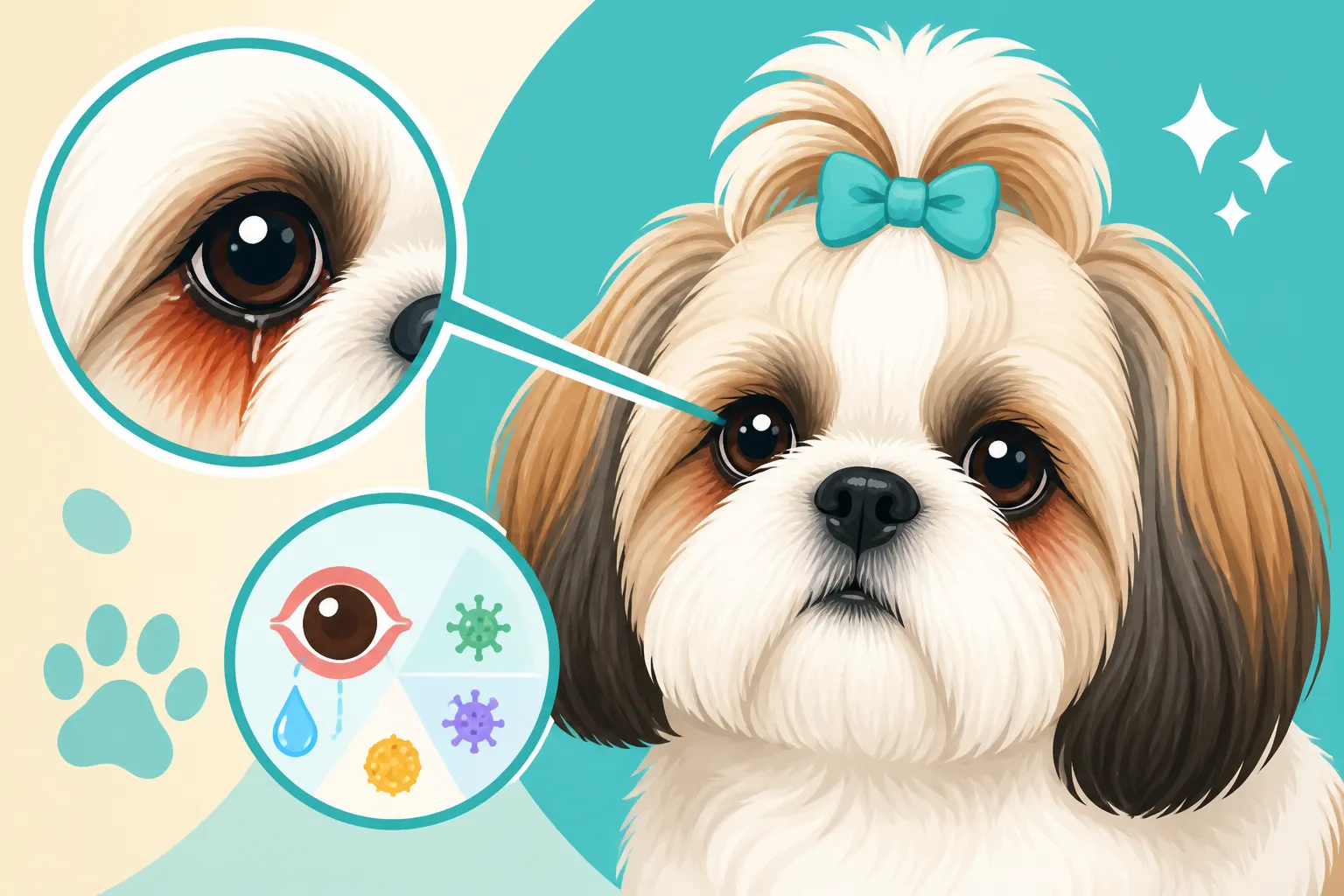
In Shih Tzus, these nasolacrimal ducts can sometimes be underdeveloped, too narrow, or even completely blocked. This is often an inherited trait. When the ducts aren't working efficiently, tears simply have nowhere to go but to overflow onto the face. This overflowing is called epiphora. The constant moisture creates a breeding ground for bacteria and yeast, particularly the red yeast Porphyrin, which is responsible for the characteristic reddish-brown color of the stains. It’s not necessarily dirty, it’s just the result of natural organisms thriving in a perpetually damp environment.
Common Causes of Excessive Tearing and Staining
While genetics and anatomy play a huge role, external and internal factors can exacerbate tear staining, turning a minor issue into a persistent problem. Understanding these causes empowers you to take targeted action.
Environmental Factors and Allergens
Just like us, our Shih Tzus can be sensitive to things in their environment. Dust, pollen, mold spores, and even certain fragrances can act as irritants, triggering an allergic reaction that manifests as watery eyes. Think about where your Shih Tzu spends most of their time. Is their bed often dusty? Do they frequently roll around in the garden during pollen season?
Even household cleaning products, air fresheners, or scented candles can be culprits. The chemicals and strong scents can irritate their sensitive eyes and respiratory system, leading to increased tearing. Living in a smoking household is another significant factor that can cause constant eye irritation. I've heard countless stories from owners who saw a dramatic reduction in tear stains just by switching to unscented laundry detergent or using an air purifier. Sometimes, the solution is as simple as making their immediate environment as clean and free of irritants as possible.
Diet and Water Quality Contributions
What goes into your Shih Tzu’s body can definitely come out in their tears! Many owners swear that diet plays a crucial role in tear staining. While there isn't one universal "tear stain cure" diet, certain ingredients in commercial dog foods can potentially trigger sensitivities or inflammatory responses in some dogs, leading to increased tearing. Cheap fillers, artificial colors, and certain protein sources are often suspected.
Consider the quality of your dog's food. High-quality, limited-ingredient diets, or even fresh food options like those from Ollie, might reduce the body's inflammatory load and, consequently, tear production. Some owners also notice a difference when switching from kibble to a cooked or raw diet. The iron and mineral content in certain foods have also been hypothesized to contribute to stain color, though scientific evidence on this is less conclusive.
Beyond food, the water your Shih Tzu drinks can also influence staining. Tap water in many areas contains high levels of minerals, particularly iron, which can react with the tears and contribute to the reddish-brown discoloration. Switching to filtered water, bottled water, or even distilled water for drinking can make a noticeable difference for some dogs. It’s a simple change that's worth trying, especially if you live in an area with hard water.
Infections and Underlying Health Issues
Sometimes, excessive tearing and staining are not just cosmetic annoyances but indicators of an underlying health problem. Bacterial or yeast infections are common culprits. The constantly damp fur around the eyes provides an ideal breeding ground for these microorganisms, which then further irritate the skin and eyes, creating a vicious cycle of tearing and staining. The reddish-brown stain is often due to Porphyrin yeast, as mentioned earlier.
Other medical conditions that can cause increased tearing include:
- Corneal ulcers: A scratch or wound on the eye's surface will cause intense pain and tearing. This is a veterinary emergency. Shih Tzu Corneal Ulcers and Dry Eye are serious and need immediate attention.
- Dry eye (Keratoconjunctivitis Sicca or KCS): Paradoxically, eyes that don’t produce enough quality tears can become irritated and produce excessive watery tears in an attempt to compensate. This is often misdiagnosed as just "too many tears."
- Glaucoma: Increased pressure within the eye can be very painful and lead to tearing.
- Allergies: As discussed, environmental or food allergies can cause itchy, watery eyes.
- Dental problems: Believe it or not, a tooth root abscess, especially in the upper jaw, can sometimes affect the tear ducts, leading to tearing on one side of the face.
- Foreign bodies: A tiny speck of dust, a grass seed, or a loose hair trapped in the eye can cause persistent irritation and tearing.
If your Shih Tzu's tearing is sudden, accompanied by squinting, rubbing, redness, swelling, thick discharge, or any signs of pain, it's crucial to seek veterinary attention immediately.
Managing and Minimizing Shih Tzu Tear Stains
The good news is that while you might not be able to eliminate tear stains entirely, there are many effective strategies to manage and minimize them. It often requires a multi-faceted approach and consistent effort, but the results are well worth it for a happy, healthy Shih Tzu with a clean face.
Daily Cleaning Routines and Products
Consistency is truly key when it comes to managing tear stains. Establishing a daily face-cleaning routine can make a world of difference. The goal is to keep the area dry and free of excess tears, which prevents the stains from setting in and bacterial/yeast growth.
Here’s a simple routine I recommend:
- Gather your supplies: You'll need soft cotton pads or balls, a damp cloth, and a tear stain-specific cleaner or just plain warm water for basic cleaning. Many owners find success with products designed specifically for tear stains, often found on Chewy or Amazon. Some contain mild astringents or antibacterial agents.
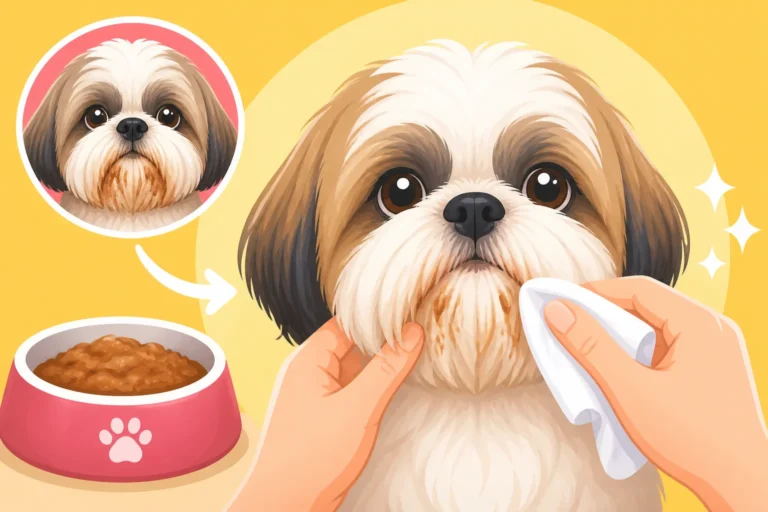
- Gently wipe the area: Twice a day, or even more frequently if needed, gently wipe the stained area around your Shih Tzu’s eyes. Use a fresh, damp cotton pad for each eye to prevent cross-contamination if there's any infection. Focus on removing any crusts or wetness.
- Dry thoroughly: This step is critical! After wiping, gently blot the area completely dry with a clean, soft cloth or a fresh cotton pad. The drier you can keep the area, the less likely it is for bacteria and yeast to flourish.
- Consider a preventative powder: Some owners apply a very fine, cornstarch-based powder (make sure it's safe for pets and avoid anything with harsh chemicals) to the dry area after cleaning. This helps absorb moisture and acts as a barrier, but be extremely careful not to get any powder in the eyes.
Remember, patience is a virtue here. You might not see results overnight, but consistent daily care will gradually lighten existing stains and prevent new ones from forming. If you're looking for more detailed advice on cleaning, check out Wiping a Shih Tzu Face Twice a Day.
Dietary Adjustments and Water Filtration
As we discussed, diet and water quality can play a significant role. Experimenting with these areas, under your vet's guidance, can sometimes yield surprising results.
When it comes to diet:
- Review ingredients: Look for foods with high-quality protein sources and minimal fillers, artificial colors, or by-products. Some Shih Tzus do better on novel protein diets (e.g., duck, venison) if allergies are suspected.
- Try limited ingredient diets: These foods have fewer ingredients, making it easier to pinpoint potential allergens if you're trying an elimination diet. An article like An Elimination Diet Trial on a Shih Tzu can give you more insights.
- Consider fresh food: Brands like Ollie offer fresh, human-grade food delivered to your door, which some owners find reduces inflammatory responses and, consequently, tear staining. Similarly, high-quality kibble from Chewy or Amazon might be a good starting point for dietary changes.
- Avoid "people food": While tempting, table scraps can upset your Shih Tzu's delicate digestive system and may contain ingredients that exacerbate tearing.
For water, the fix is often simpler:
- Filtered water: Switching from tap water to filtered water (like from a Brita pitcher) or even bottled spring water can significantly reduce mineral intake, particularly iron, which contributes to staining.
- Ceramic or stainless steel bowls: Plastic bowls can sometimes harbor bacteria and develop tiny scratches that can irritate your dog's face as they drink. Ceramic or stainless steel bowls are easier to keep clean and are less likely to cause irritation.
When to Seek Veterinary Advice
While many tear stain cases are cosmetic, it's vital to know when persistent tearing might indicate a more serious medical issue that requires professional attention. Never hesitate to contact your veterinarian if you observe any of the following:
- Sudden onset or worsening of tearing and staining: If your Shih Tzu suddenly starts tearing excessively when they haven't before, or if existing staining rapidly worsens.
- Changes in tear consistency or color: Any thick, pus-like, green, or yellow discharge suggests an infection.
- Eye pain or discomfort: Squinting, rubbing at the eyes, holding an eye closed, sensitivity to light, or reluctance to let you touch their face. If you see your A Shih Tzu Squinting With One Eye, it's time to call the vet.
- Redness or swelling: Inflammation of the eyelids, whites of the eyes, or surrounding skin.
- Vision changes: Bumping into things, appearing disoriented, or unusual eye movements.
- Staining only on one side: This can sometimes indicate a blocked tear duct on that side, an ingrown eyelash, or even a dental issue.
Your vet can perform a thorough eye exam, check for foreign bodies, conduct a Schirmer tear test (to check for dry eye), stain the cornea to look for ulcers, or flush the tear ducts to check for blockages. Early diagnosis and treatment of underlying conditions are crucial for your Shih Tzu's comfort and long-term eye health.
Preventative Measures and Long-Term Strategies
Beyond immediate management, adopting a preventative mindset and implementing long-term care strategies can significantly reduce the recurrence of tear stains and contribute to your Shih Tzu's overall well-being.
Regular Grooming and Hair Trimming
This is perhaps one of the most impactful preventative measures. A Shih Tzu’s glorious double coat is beautiful, but it requires diligent care. Long hair around the eyes is a primary contributor to irritation and moisture retention, leading to staining.
- Frequent face trims: Whether you do it yourself or rely on a professional groomer, keeping the hair around your Shih Tzu’s eyes and on their nose bridge very short is essential. A pair of blunt-nosed scissors can be used carefully at home for quick trims between professional grooming appointments. I wrote a whole piece on Trimming Face Hair Away From Shih Tzu Eyes because it's such a common issue.
- Topknots: If you prefer a longer facial coat, a secure topknot is non-negotiable. It keeps hair out of their eyes and off the damp tear-stained area. Ensure the band isn't too tight, which could cause discomfort or skin irritation.
- Sanitary clips around the face: Some groomers will do a very short clip right under the eyes and along the nose fold to minimize hair contact and make cleaning easier.
- Professional grooming schedule: Aim for professional grooming every four to six weeks to maintain optimal coat length and hygiene. A good groomer understands the unique needs of a Shih Tzu's face. If you're interested in keeping up with their coat, you'll want to read about Grooming a Shih Tzu Every Four to Six Weeks.
Maintaining a Clean Environment
Reducing environmental irritants is a proactive step that can lessen the need for your Shih Tzu’s eyes to produce excess tears.
- Dust control: Regularly vacuum and dust your home. Consider using an air purifier, especially in rooms where your Shih Tzu spends a lot of time, to filter out airborne allergens like dust, pollen, and dander.
- Hypoallergenic products: Opt for unscented, natural cleaning products and laundry detergents. Avoid using harsh chemical sprays or air fresheners near your Shih Tzu.
- Clean bedding: Wash your Shih Tzu’s bedding frequently to remove accumulated dust mites, dander, and allergens.
- Avoid smoke: If you smoke, do so outdoors and away from your dog, as secondhand smoke is a major irritant for their eyes and respiratory system.
These small changes can create a much more comfortable environment for your sensitive Shih Tzu, potentially reducing the triggers for excessive tearing.
Proactive Health Management
A healthy Shih Tzu is less likely to experience chronic tear staining. Proactive health management involves regular veterinary care and attention to their specific breed predispositions.
- Regular vet check-ups: Stick to your routine veterinary appointments. These visits allow your vet to catch potential eye issues early, before they become severe. For senior Shih Tzus, Vet Visit Frequency for a Shih Tzu Past Ten becomes even more crucial.
- Discuss concerns openly: Don't hesitate to bring up tear staining with your vet. While it might seem cosmetic, it can be a symptom of something deeper.
- Eye-specific care: Be mindful of your Shih Tzu’s eyes. Learn to recognize the signs of irritation or pain. Regular cleaning, as discussed, is a part of this. Using Products That Clear Shih Tzu Tear Staining can be part of this routine, but ensure they are vet-approved and gentle.
- Nose fold hygiene: Many Shih Tzus have a prominent nose fold that can trap moisture and debris, becoming another source of irritation. Regularly cleaning this fold, as detailed in Cleaning a Shih Tzu Nose Fold, is a good practice.
By taking a holistic approach—combining careful grooming, environmental awareness, good nutrition, and proactive veterinary care—you can significantly improve your Shih Tzu’s comfort and reduce those persistent tear stains, allowing their true beauty to shine through.
Disclaimer
This article is for general informational purposes only and does not constitute professional advice. Laws, prices and regulations vary by location and change over time. Consult a qualified professional for guidance on your specific situation.