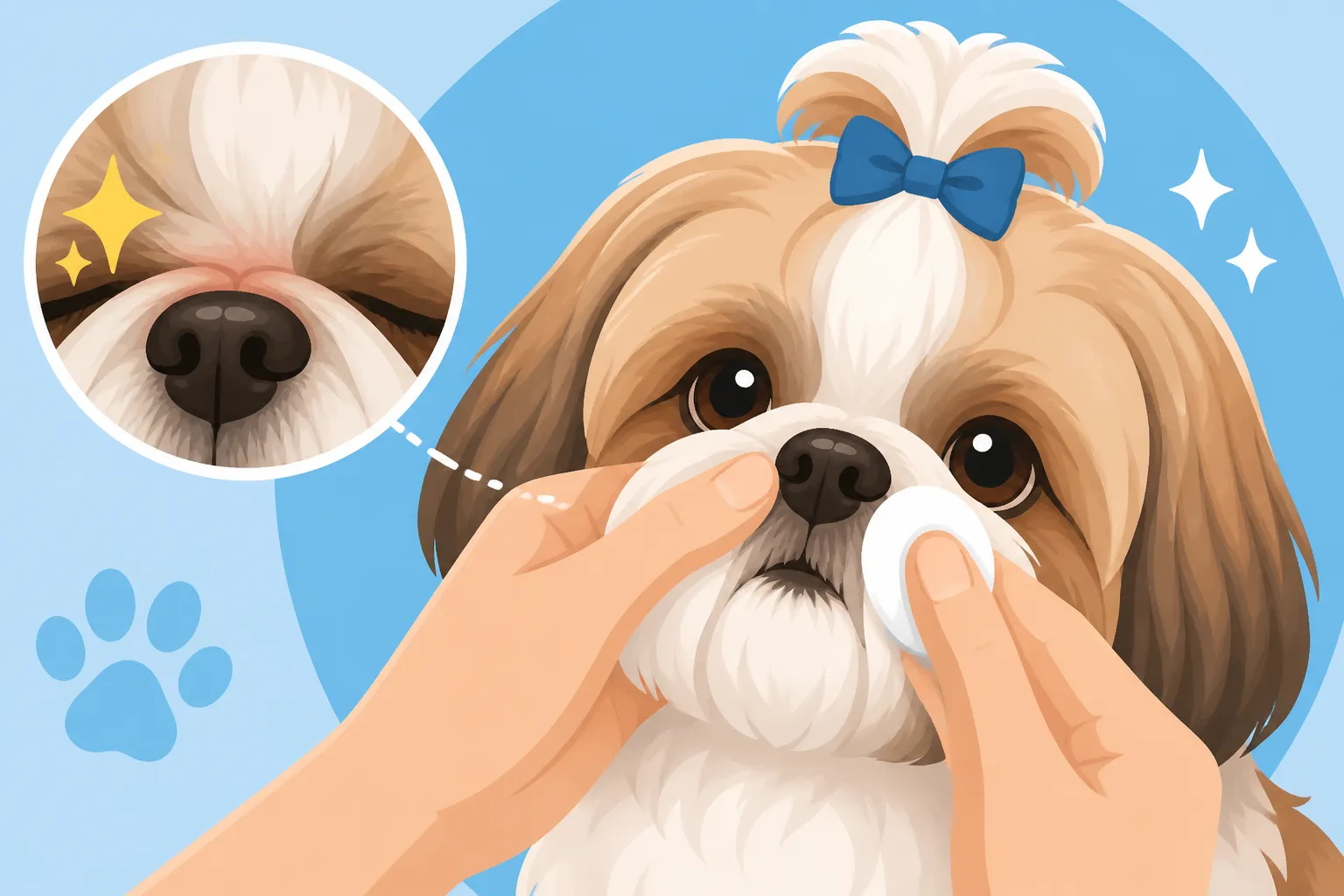
Cleaning a Shih Tzu Nose Fold
That adorable little wrinkle on your Shih Tzu’s nose? While it’s certainly part of their charm, it can also be a hidden spot for all sorts of trouble, leading to unpleasant odors, irritation, and even painful infections. Many Shih Tzu owners struggle to keep this area clean, often feeling like they're fighting a losing battle against moisture and grime. This comprehensive guide will walk you through exactly why this little fold needs your attention, what tools you’ll need, and a step-by-step process to ensure your furry friend's nose fold stays healthy and happy.
Why Your Shih Tzu's Nose Fold Needs Regular Attention
Let's be honest, those squishy faces are a huge part of what we adore about Shih Tzus. But that distinctive "flat face" comes with its own unique set of care requirements, and the nose fold is at the top of the list. Ignoring it isn't just about a little bit of dirt; it can lead to genuine discomfort for your beloved companion.
The Anatomy of the Shih Tzu Nose Fold
Our Shih Tzus are what we call a brachycephalic breed, meaning they have those lovely short snouts and flat faces. This adorable facial structure often comes with a skin fold right above their nose, sometimes extending towards their eyes. Think of it like a little valley in their face. This fold is typically quite deep, and because of its location, it’s prone to trapping all sorts of things: food particles from dinner, tears, drool, environmental dust, and even loose hairs.
Unlike a dog with a longer snout, where air circulates freely around their nose, the Shih Tzu’s folded skin creates a warm, moist, and often dark environment. It's the perfect breeding ground for bacteria and yeast, especially if it’s not regularly cleaned and dried. It’s a bit like a tiny, damp cave on their face, just waiting for trouble to brew. Understanding this unique anatomy is the first step in knowing how to care for it properly and avoiding problems like those discussed in Brachycephalic Breathing in a Shih Tzu, which highlight other challenges of their flat-faced structure.
Common Problems Arising from a Neglected Nose Fold
When that little facial valley becomes a consistent damp, dark hiding spot, it's not long before issues pop up. One of the most immediate and noticeable problems is a foul odor. It's not just "dog smell"; it's a distinctive, musty, often yeasty smell that can cling to your dog's face and even spread when they snuggle up. This odor is usually a tell-tale sign that yeast or bacteria are thriving in the fold.
Beyond the smell, a neglected nose fold can lead to significant skin irritation. The constant moisture and microbial growth can cause redness, inflammation, and itchiness. Your Shih Tzu might start rubbing their face on the carpet, pawing at their nose, or generally acting uncomfortable. If left unchecked, this irritation can escalate into full-blown infections. We're talking about bacterial pyoderma (a skin infection) or yeast infections, which can be incredibly painful and require veterinary intervention, sometimes with medicated wipes or creams. These infections can manifest as weeping sores, pustules, or thickened, discolored skin, similar to how Shih Tzu Ear and Skin Infections Under the Coat can plague other areas of their body if not managed. Nobody wants their sweet little companion to be in pain, and a simple cleaning routine can prevent so much suffering.
Essential Tools and Supplies for Nose Fold Cleaning
You don't need a whole arsenal of fancy gadgets to keep your Shih Tzu's nose fold pristine, but having the right, gentle tools on hand makes a world of difference. Investing in a few key items will make the process smoother for both you and your dog.
Gentle Cleansers and Wipes
When it comes to cleaning your Shih Tzu's delicate facial folds, gentleness is key. Harsh soaps or alcohol-based products are an absolute no-go, as they can cause more irritation than they prevent. Instead, look for dog-specific facial cleansers or antiseptic wipes designed for pets. Many brands offer wipes formulated with mild ingredients like chlorhexidine or ketoconazole, which are excellent for combating bacterial and yeast overgrowth. These can often be found at pet supply stores or online retailers like Chewy and Amazon.
Some owners also find success with simple, saline-based solutions or even just plain lukewarm water for daily cleaning, especially if their dog is not prone to deep infections. For dogs with noticeable tear staining around the eyes that often trickles into the nose fold, a specialized tear stain remover wipe might be beneficial, as discussed in Shih Tzu Tear Staining and Face Cleaning. The most important thing is to ensure whatever you use is veterinarian-approved for use on dogs and is free of perfumes, dyes, or harsh chemicals that could irritate their sensitive skin and eyes. Always patch-test a new product on a small area first if you're unsure.
Soft Cloths and Applicators
Once you have your chosen cleanser, you'll need something to apply it with. Again, gentleness is paramount. Rough cloths or abrasive pads can scratch or further irritate the delicate skin in the fold. Soft cotton balls, sterile gauze pads, or even a soft, lint-free microfiber cloth are excellent choices. Cotton swabs (Q-tips) can be useful for getting into the very deepest crevices of the fold, but use them with extreme caution and never push them in too far.
For initial cleaning, a slightly damp cloth with plain water can help loosen any caked-on debris before you introduce a cleanser. Have several clean cloths or cotton balls ready; you might need more than one to ensure thorough cleaning and proper drying. Remember, the goal is to clean without scrubbing, so choose materials that allow you to wipe gently and effectively. This practice of gentle handling extends to other areas of their face, such as when you are Trimming Around a Shih Tzu's Mouth or generally managing their beautiful, flowing coat.
Protective Barriers and Soothing Agents
After you’ve cleaned and thoroughly dried the nose fold, sometimes a little extra protection can go a long way, especially for Shih Tzus prone to recurring irritation. A thin layer of a veterinarian-approved skin barrier cream or balm can help to create a protective shield against moisture and irritants. Products containing ingredients like zinc oxide (specifically formulated for dogs, never human diaper rash cream without vet approval) or even a tiny amount of plain petroleum jelly can be effective.
These protective agents work by creating a barrier that prevents moisture from accumulating in the fold, keeping the skin drier and less hospitable for yeast and bacteria. They can also help soothe any residual redness or minor irritation. Always consult with your vet before using any new cream or ointment, especially if there's any broken skin or signs of infection, as some products might trap bacteria or worsen certain conditions. This is a preventative step, not a treatment for an active infection. For general coat health, you might consider natural soothing agents or supplements like those sometimes found through brands like Ollie for overall skin wellness, though always consult with your vet about specific nose fold issues.
A Step-by-Step Guide to Cleaning Your Shih Tzu's Nose Fold
Cleaning your Shih Tzu's nose fold doesn't have to be a battle. With patience, the right technique, and a calm approach, it can become a routine part of their care, much like daily brushing or face washing after meals.
Preparing Your Shih Tzu and the Area
Before you even touch their face, make sure you and your Shih Tzu are in a relaxed state. Pick a quiet time when your dog isn't overly excited or sleepy. A well-lit area is crucial so you can clearly see what you're doing. Gather all your supplies beforehand: your chosen cleanser/wipes, several clean cotton balls or soft cloths, and any protective balm. You don't want to be fumbling around for items once you've started.
Gently hold your Shih Tzu, perhaps on your lap or on a low table, if they're comfortable with it. Speak to them in a calm, soothing voice. Many Shih Tzus love being close to their people, which can make this easier. If your Shih Tzu is wiggly or nervous, having a helper to gently restrain them can be beneficial. Offer praise and perhaps a small, high-value treat before you even begin. This helps create a positive association with the process, similar to how positive reinforcement is vital for other training, as outlined in Positive Reinforcement With a Shih Tzu. If your dog has a lot of hair around their face, you might want to gently pull it back with a soft hair tie or clip to get a clearer view of the fold.
The Gentle Cleaning Process
Now for the actual cleaning! The key here is to be thorough but incredibly gentle.
- Lift the Fold: Very carefully, use one finger or thumb to gently lift the skin fold directly above your Shih Tzu's nose. This will expose the damp, often discolored skin underneath. You might be surprised at what you find lurking there!
- Initial Wipe (Optional but Recommended): If there’s a lot of gunk or crust, start with a cotton ball or soft cloth dampened with plain lukewarm water. Gently wipe away the superficial debris. This prevents you from just pushing around dirt with your cleanser.
- Apply Cleanser: Take a fresh cotton ball or gauze pad and apply your chosen dog-safe cleanser to it. Now, gently wipe the exposed skin inside the fold. Make sure you get into all the crevices. Don't scrub; a gentle wiping motion is sufficient to pick up debris and apply the cleansing agent. Work from the center outwards.
- Repeat if Necessary: Depending on how dirty the fold is, you might need to use a second or third clean cotton ball with cleanser until the area looks visibly clean.
- Rinse (if using a liquid cleanser): If your cleanser requires rinsing, use a fresh, water-dampened cotton ball to gently wipe away any residue. For most wipes, this step isn't necessary.
- Crucial Drying Step: This is perhaps the most important part! Take a completely dry cotton ball or soft cloth and thoroughly dry the entire fold. Lift the fold again and blot, don't rub, until the skin is absolutely dry. Moisture is the enemy here. If the area remains damp, you’ve essentially undone all your hard work and created a perfect environment for new problems.
- Apply Protective Balm (if desired): If you're using a protective barrier cream, apply a very thin layer to the now clean and dry skin inside the fold. Just a tiny dab will do; you don't want to make it greasy.
Throughout this process, keep talking to your Shih Tzu, offering soft praise. A small reward after each successful cleaning session can reinforce positive behavior. Start with very short sessions if your dog is resistant, gradually increasing the duration as they become more comfortable. Remember, a calm approach will make future cleanings much easier. This regular attention to their face is as important as Washing a Shih Tzu Face After Every Meal to prevent accumulation of food debris.
Maintaining Hygiene Between Deep Cleans
Cleaning the nose fold thoroughly every few days is excellent, but daily checks are truly what keeps bigger problems at bay. Think of it as preventative maintenance. Just a quick lift of the fold and a gentle wipe with a dry tissue or a fresh, dry cotton ball can remove any fresh moisture, tears, or small food particles before they have a chance to settle and cause issues. This quick wipe-down can be incorporated into your dog's morning or evening routine, perhaps when you're already giving them some cuddles.
If you notice any dampness, a faint smell, or slight redness during these daily checks, you can do a mini-clean with a pre-moistened pet wipe and then, critically, ensure it's completely dry. Early intervention is key. It's much easier to wipe away a bit of dampness than to treat a full-blown infection. This continuous vigilance is particularly important for breeds with these unique features, highlighting the ongoing commitment owners make to ensure their Shih Tzu's health and happiness.
Troubleshooting and When to Seek Veterinary Help
Even with the most diligent cleaning routine, sometimes things can go awry. Knowing when a situation is beyond home care and requires professional attention is crucial for your Shih Tzu's well-being.
Recognizing Signs of Infection or Severe Irritation
While a little redness or a faint smell might indicate minor irritation that a good cleaning can resolve, there are definite red flags that signal a more serious problem. If you observe any of the following, it's time to call your veterinarian:
- Intense Redness and Swelling: Beyond just a mild pinkness, if the skin in and around the fold is bright red, puffy, or hot to the touch, it indicates significant inflammation.
- Discharge: Look for any yellowish, greenish, or bloody discharge, which is a strong indicator of bacterial infection. Even thick, brown, waxy discharge can point to a yeast overgrowth.
- Foul Odor Intensifies: While a mild musty smell can be common, a strong, pungent, or putrid odor suggests a severe infection.
- Pain or Sensitivity: If your Shih Tzu cries out, pulls away sharply, snaps, or acts defensively when you try to touch their nose fold, they are likely in pain. This can also manifest as increased pawing at the face or rubbing their face excessively on furniture.
- Broken Skin or Sores: Any open sores, scabs, or bleeding within the fold need immediate veterinary attention.
- Lethargy or Loss of Appetite: If your dog seems generally unwell, is less active, or isn't eating normally, it could be a sign that the infection is making them feel genuinely ill.
Don't hesitate to contact your vet if you see these signs. An untreated infection can lead to deeper skin issues, spread to other areas, and cause unnecessary suffering. A table below can help differentiate common issues from more urgent ones.
| Symptom | Mild Irritation (Often Home-Managed) | Signs of Infection (Vet Visit Recommended) |
|---|---|---|
| Redness | Slight pinkness, temporary | Bright red, persistent, hot to the touch |
| Swelling | Minimal or none | Noticeable puffiness, firm to touch |
| Odor | Mildly musty, damp smell | Strong, pungent, yeasty, or putrid |
| Discharge | Clear moisture, tear stains | Yellow, green, thick brown, or bloody |
| Pain/Sensitivity | Tolerates gentle touch | Pulls away, growls, yelps, excessive rubbing |
| Skin Appearance | Intact, slightly damp | Open sores, scabs, pustules, thickened skin |
| Behavior | Normal activity | Lethargy, decreased appetite, general malaise |
Professional Treatments for Stubborn Nose Fold Issues
When you do take your Shih Tzu to the vet for a nose fold issue, they will likely perform a thorough examination. This might include taking a swab of the discharge for cytology (looking at cells under a microscope) to determine if it's a bacterial or yeast infection, or both. They might also recommend a bacterial culture to identify the specific bacteria and prescribe the most effective antibiotic.
Treatment for an infected nose fold usually involves a combination of approaches. Your vet might prescribe:
- Medicated Wipes or Topical Creams: These often contain antibiotics, antifungals, or steroids to reduce inflammation. You'll be instructed on how to apply these safely and effectively.
- Oral Medications: For more severe or deep-seated infections, oral antibiotics or antifungals may be necessary.
- Specialized Cleansers: The vet might recommend a specific antiseptic shampoo or cleanser to use at home.
In rare and extreme cases, particularly for Shih Tzus with exceptionally deep and problematic nose folds that suffer from chronic, recurring infections, surgical intervention might be considered. This procedure, called a nasal fold excision or fold resection, involves removing the excess skin to eliminate the fold entirely. This is generally a last resort, but for some dogs, it can be life-changing, completely resolving chronic pain and infection. Your vet will discuss all available options based on the severity and frequency of your Shih Tzu's issues.
Preventing Future Problems
Beyond the daily cleaning, there are a few lifestyle factors that can influence the health of your Shih Tzu’s nose fold. Maintaining a healthy weight is one. An overweight Shih Tzu might have more pronounced skin folds, which can exacerbate the problem. So, keeping an eye on their physique, even under that luxurious coat, is important, as discussed in Shih Tzu Obesity on a Sixteen Pound Frame.
Diet can also play a role, especially if your Shih Tzu has allergies. Food allergies can manifest as skin issues, including inflammation around the face. Working with your vet to identify and manage any potential allergies could indirectly help with nose fold health.
Finally, consider your groomer. A skilled groomer can help keep the hair around the nose and eyes trimmed short, reducing the amount of hair that can fall into the fold and trap moisture. While a full, flowing coat is beautiful, a shorter "puppy cut" around the face can significantly reduce maintenance and improve hygiene, as explored in The Puppy Cut and What It Saves. Regularly trimming face hair, sometimes even between professional grooms, can make a huge difference in preventing those annoying and painful nose fold issues.
Disclaimer
This article is for general informational purposes only and does not constitute professional advice. Laws, prices and regulations vary by location and change over time. Consult a qualified professional for guidance on your specific situation.