A Shih Tzu Yelping When You Lift It
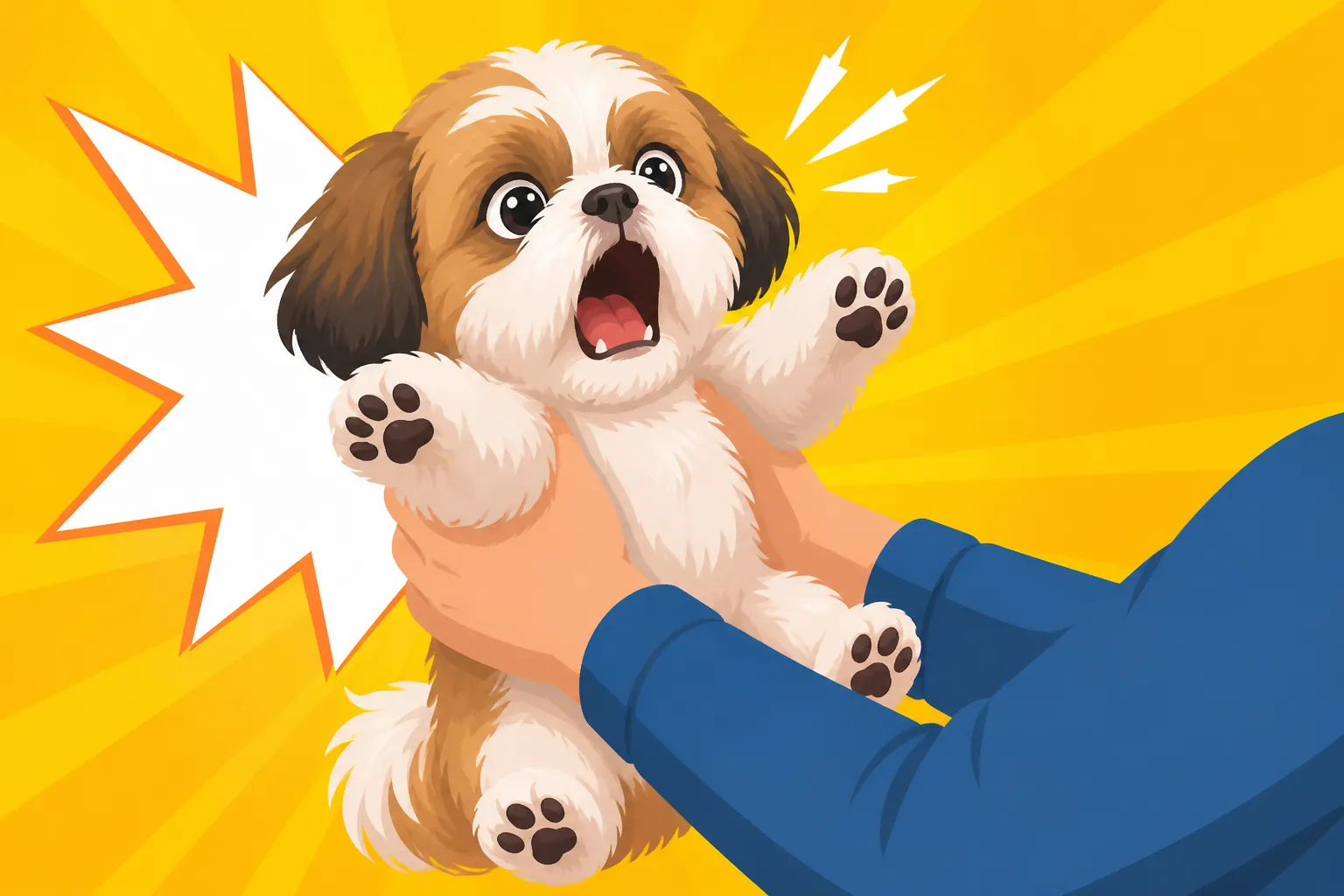
That sudden, sharp yelp when you go to pick up your beloved Shih Tzu can be absolutely heart-stopping, can't it? One minute you're reaching down for a cuddle, the next there's a piercing cry that echoes through the house, leaving you wondering what on earth just happened. It's terrifying to think you might have hurt your little companion, and it immediately sends you into a spiral of worry. This guide is here to walk you through the most common reasons why a Shih Tzu might yelp when lifted, from underlying medical concerns to behavioral nuances, and what you can do to address them with love and care.
The Immediate Concern: Is it Pain?
When a Shih Tzu yelps, the first and most crucial thing to consider is pain. These little dogs, while robust in spirit, have delicate physical structures that can be prone to certain issues. A yelp is often their primary way of telling you, unequivocally, "That hurt!" Ignoring it or attributing it solely to naughtiness can be a dangerous oversight.
Common Sources of Physical Discomfort
Shih Tzus are known for their relatively long backs and short legs, a combination that, while adorable, can make them susceptible to spinal issues. Imagine reaching for your dog and inadvertently putting pressure on an already tender spot. Conditions like Intervertebral Disc Disease (IVDD) are a very real threat for breeds like the Shih Tzu. If a disc in their spine is bulging or herniated, even a slight misstep in lifting can cause excruciating pain, leading to that shocking yelp. You might notice other signs too, such as a reluctance to jump, a hunched posture, or even Early Shih Tzu Back Pain Signs. Their spine is simply not built to withstand sudden twists or unsupported lifts, which is why a gentle, supportive technique is so vital.
Beyond the back, joint issues can also be a culprit. Patellar luxation, where the kneecap slips out of place, is common in toy breeds. If you happen to lift your Shih Tzu in a way that puts strain on an already wobbly knee, a yelp is a natural reaction. Similarly, arthritis can set in as they age, making any manipulation of stiff or sore joints painful. Even something as seemingly minor as an injured paw pad, an ingrown nail, or a sore muscle can cause them to protest loudly when handled. Think about how you’d react if someone grabbed your hand when you had a paper cut – it’s a sharp, unexpected pain that triggers an immediate response. For a deep dive into these issues, you might find Shih Tzu Joint Problems in a Toy Frame particularly helpful.
Internal Discomfort and Hidden Ailments
Sometimes, the pain isn't immediately visible or localized to a limb or joint. Internal issues can also manifest as pain when external pressure is applied. For example, if your Shih Tzu has bladder stones, applying pressure to their abdomen when scooping them up could be intensely uncomfortable. Kidney issues, while often showing signs like excessive thirst, might also cause discomfort if pressure is placed on their lower back area. Any underlying organ inflammation or sensitivity could lead to a yelp. It's less common, but certainly not impossible, and if coupled with other symptoms like changes in appetite, lethargy, or altered urination, it warrants immediate veterinary attention. Articles like Shih Tzu Bladder Stones and Urinary Problems can offer more insight into these potential health concerns.
If your Shih Tzu yelps when lifted, especially if it’s a new behavior, inconsistent, or accompanied by other signs of discomfort, your absolute first step should be a visit to your veterinarian. They can perform a thorough physical examination, check for tenderness, assess mobility, and potentially recommend diagnostics like X-rays or blood tests to rule out any underlying medical conditions. Describing exactly how you were lifting and where your hands were placed when the yelp occurred can provide invaluable clues to your vet.
Beyond Pain: Behavioral Reasons for Yelping
Once your vet has given your Shih Tzu a clean bill of health, ruling out any physical pain, it’s time to consider the behavioral side of things. It might seem strange, but dogs can yelp for reasons that aren’t directly related to physical injury, but rather to fear, anxiety, or learned responses.
Fear, Anxiety, and Lack of Socialization
Some Shih Tzus, particularly if they haven't been properly socialized from a young age, can develop a fear of being handled or picked up. Imagine being suddenly lifted off your feet by a giant hand without warning; it can be a terrifying experience for a small dog, especially one that feels vulnerable. This fear might stem from a single negative experience in the past – perhaps an accidental fall, a rough handling incident, or even just consistently being picked up in an unsupportive or startling manner. They learn to associate being lifted with discomfort or fright, and the yelp becomes an involuntary protest or a desperate attempt to communicate their unease. Resources like those offered by BAXTER & Bella often emphasize the importance of early positive exposure to handling to prevent such fears from developing.
A lack of consistent, gentle handling during puppyhood can contribute significantly to this. If a puppy isn't routinely held, cradled, and touched in a positive way, they may grow up to be wary of it. This isn't just about cuddles; it’s about preparing them for veterinary exams, grooming sessions, and simply navigating life in a human world. For more on this, consider reading Handling a Shih Tzu Puppy for Daily Brushing.
Startle Response or Sensory Overload
Shih Tzus are little individuals, and some are simply more sensitive than others. A sudden, unexpected lift, especially if you approach from behind or don't give a verbal cue, can genuinely startle a sensitive dog. Their senses are often far more acute than ours, and what seems like a gentle, smooth motion to you might feel like an abrupt swoop to them. This isn't pain, but a reflex reaction to being caught off guard, a "eep!" of surprise that sounds alarmingly like a yelp.
Furthermore, if your Shih Tzu is already feeling overwhelmed by their environment – perhaps in a busy household, during a loud gathering, or if they are already anxious about something else – being picked up can be the straw that breaks the camel's back. The yelp becomes a symptom of sensory overload or an anxious release. It's a subtle distinction from fear, but an important one; they aren't necessarily afraid of you or the act of being lifted, but rather of the unexpectedness or the added stressor in an already stressful moment.
Learned Behavior and Attention Seeking
While less common for a full-blown yelp, sometimes dogs can learn that a dramatic vocalization gets a specific result. If every time they yelp when lifted, you immediately put them down, they might quickly make the connection: "Yelp = Freedom!" This isn't malicious; it's just how dogs learn. They might not be in pain or truly fearful, but they've learned that a yelp is an effective way to control the situation. This is more likely to manifest as a whine, grumble, or a lighter yip, but a strong yelp can sometimes become a learned behavior if it consistently achieves the desired outcome. You might notice this more if the yelping only occurs with certain people or in specific situations where the dog knows they can "get away with it."
It's also worth considering if the yelping is part of a broader pattern of resource guarding, such as A Shih Tzu Guarding the Lap It Sits On. If they yelp when lifted off a comfortable sofa or out of someone's lap, it could be a protest against being moved from a prized position.
Gentle Handling Techniques to Prevent Yelping
Regardless of whether the yelping is due to past pain, current fear, or a learned behavior, the solution almost always involves teaching your Shih Tzu to associate being picked up with positive, comfortable experiences. This means refining your lifting technique and adding layers of positive reinforcement.
Master the Art of the Supportive Lift
The way you pick up your Shih Tzu can make all the difference. Their body needs to feel secure and supported, with no dangling limbs or pressure points on their delicate back. Here’s how to do it correctly:
- Announce Your Intent: Always speak to your Shih Tzu before you reach for them. Say their name, use a gentle cue like "Up!" or "Cuddle time!" This gives them a heads-up and reduces the chance of startling them.
- Approach Calmly: Don't swoop in quickly. Approach them from the front or side, allowing them to see your hands.
- Two-Handed Support is Key:
- Hand 1 (Chest Support): Place one hand under their chest, between their front legs. This supports the front half of their body and helps stabilize their breathing.
- Hand 2 (Hindquarters Support): Place your other hand under their rump, supporting their hind legs and lower back.
- Lift Evenly and Gently: Lift both hands simultaneously, keeping their body level and close to yours. Avoid lifting them by just their armpits or allowing their hindquarters to dangle.
- Hold Securely and Comfortably: Once lifted, hold them close to your body. This provides them with a sense of security and prevents accidental slips or struggles.
Building Positive Associations and Training Cues
Every time you lift your Shih Tzu, make it a positive experience. This is where high-value treats and praise come in. As you lift them, offer a tiny, delicious treat and speak in a soft, reassuring voice. The goal is for them to think, "Oh, being picked up means good things happen!" Over time, they’ll anticipate the treat and associate the action with pleasure rather than discomfort or fear.
Consider teaching them a specific verbal cue, like "Up!" or "Lift!" Say the cue, perform the gentle lift, give the treat, and then put them down gently. Practice this in short, positive sessions several times a day. Repetition, coupled with positive reinforcement, will build trust and predictability. Many online training programs, such as those provided by BAXTER & Bella, include modules on gentle handling and building positive associations, which can be incredibly helpful for owners needing structured guidance.
Gradual Desensitization for Fearful Dogs
If your Shih Tzu is genuinely fearful of being handled, you'll need to employ a technique called desensitization and counter-conditioning. This means slowly exposing them to the triggers (your hands, the lifting motion) while changing their emotional response to a positive one.
Start small:
- Step 1: Gentle Touch: Simply reach out and touch their side or shoulder, immediately followed by a treat and praise. Do this repeatedly until they are calm and happy with just a touch.
- Step 2: Partial Lift: Progress to putting your hands in the lifting position (one under chest, one under rump), but only lift them an inch or two off the ground for a second, then immediately put them down, treat, and praise.
- Step 3: Gradual Height/Duration: Slowly increase the height and duration of the lift, always pairing it with a treat. If they show any signs of tension or fear, go back to the previous step.
Patience is paramount here. This isn't a race; it's about rebuilding trust and comfort.
Utilizing Helpful Aids
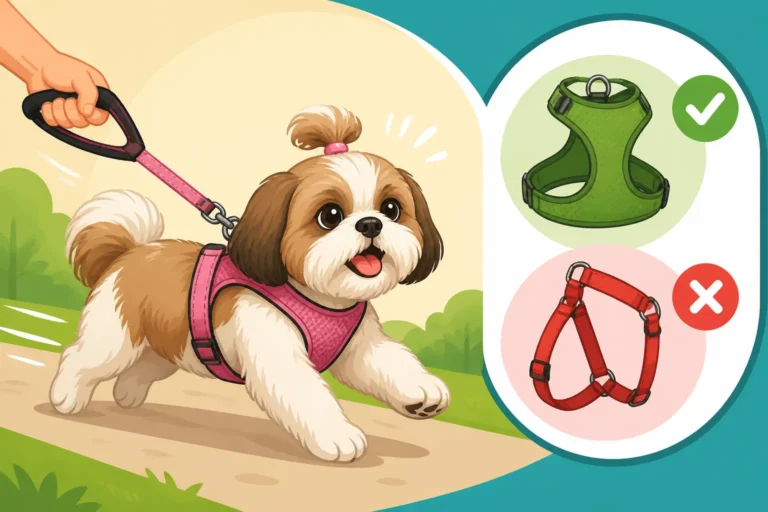
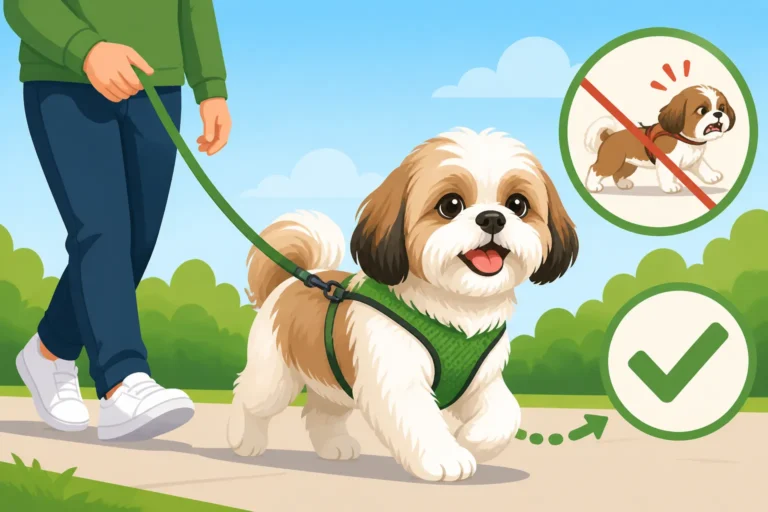
For Shih Tzus with existing back issues, joint pain, or even just general anxiety about being lifted, supportive aids can be a game-changer. A well-fitting harness, rather than a collar, provides more even support across their chest and back, which can be comforting if they feel insecure. For older dogs or those with mobility challenges, a dog sling can be incredibly useful. These slings, readily available on platforms like Amazon, allow you to gently lift and support their entire body, distributing their weight and reducing strain on their joints and spine. They can be especially helpful for getting them into and out of cars, or up and down a couple of steps without any jarring movements. Slings and Harnesses for an Old Shih Tzu provides more information on these useful tools.
Here’s a quick comparison of good versus problematic lifting techniques:
| Aspect | Good Lifting Technique | Problematic Lifting Technique |
|---|---|---|
| Approach | Calm, with verbal cue, from front/side | Sudden, from behind, no warning |
| Hand Placement | One hand under chest, one under hindquarters/rump | Hands gripping armpits only, or mid-abdomen |
| Body Support | Entire body kept level and close to your torso | Hindquarters dangling, back arched, front legs unsupported |
| Motion | Slow, even, gentle upward movement | Jerky, quick, swinging motion |
| Dog's Reaction | Calm, accepts treat, relaxed body language | Yelps, struggles, stiffens, tries to nip |
| Outcome | Positive association, dog feels secure and trusts handler | Negative association, pain/fear, increased anxiety |
When to Seek Professional Help (Vet or Trainer)
Understanding when to involve professionals is key to effectively addressing your Shih Tzu's yelping. Sometimes, you need more than just good intentions and gentle hands.
Urgent Veterinary Consultation
If the yelping when lifted is new, sudden, or accompanied by any other concerning symptoms, an urgent visit to your veterinarian is non-negotiable. These symptoms might include:
- Limping or difficulty walking.
- Reluctance to jump, climb stairs, or even move from a resting position.
- Changes in appetite or thirst.
- Lethargy or unusual quietness.
- Any signs of physical tenderness, swelling, or heat on their body.
- Changes in urination or defecation habits.
These could all point to an underlying medical issue, such as a slipped disc, a significant injury, or an internal problem. The sooner a diagnosis is made, the better the prognosis. Your vet can conduct a thorough examination, possibly including X-rays, blood tests, or even advanced imaging like an MRI if a spinal issue is suspected. Early intervention for conditions like IVDD can sometimes prevent more severe paralysis or long-term pain. An article like Testing a Shih Tzu for Kidney Disease could give you an idea of diagnostic processes for internal issues.
Consulting a Certified Professional Dog Trainer or Behaviorist
Once your veterinarian has thoroughly ruled out any physical causes for the yelping, and you're confident there's no underlying pain, it's time to consider a certified professional dog trainer or a veterinary behaviorist. These experts specialize in understanding canine communication and behavior, and they can help you decipher why your Shih Tzu is yelping and how to modify that behavior effectively.
A good trainer can observe your interactions with your Shih Tzu, identify specific triggers, and guide you through personalized desensitization and counter-conditioning protocols. They can teach you refined handling techniques and help you implement a consistent training plan to build your dog's confidence and trust. They can also differentiate between genuine fear and learned attention-seeking, tailoring their approach accordingly. For those who prefer a structured, accessible approach, online training platforms like BAXTER & Bella offer virtual consultations and comprehensive courses that cover handling, socialization, and confidence-building, which can be a fantastic resource.
Remember that patience and consistency are your greatest allies. Changing a dog's emotional response or ingrained behavior takes time, often weeks or even months. There are no quick fixes when it comes to behavior modification. Staying calm, positive, and consistent in your efforts, perhaps with the ongoing support of a professional, will yield the best results for your little companion. Keep a journal of when the yelping occurs, under what circumstances, and what you did immediately before and after; this "homework" will be invaluable to any professional you consult.
Disclaimer
This article is for general informational purposes only and does not constitute professional advice. Laws, prices and regulations vary by location and change over time. Consult a qualified professional for guidance on your specific situation.