Socializing a Shih Tzu Without Frightening It
Bringing a new Shih Tzu into your life is an absolute joy, but it’s often accompanied by a real concern: how do you introduce such a small, sometimes timid dog to the big, bustling world without overwhelming them? Many new owners worry about their little fluffball becoming overly shy, fearful, or even nippy out of insecurity. This guide will walk you through gentle, positive ways to socialize your Shih Tzu, ensuring they grow into a confident, happy companion without ever feeling frightened or pushed beyond their limits.
Understanding Your Shih Tzu's World and Sensitivity
It’s easy to look at a fluffy Shih Tzu and see an endlessly cuddly, resilient little lion dog, but they are also incredibly sensitive creatures. Their small stature and deeply ingrained companion nature mean they experience the world differently than a larger, more independent breed. Understanding this sensitivity is the first step in successful, fear-free socialization.
The Shih Tzu's Innate Nature and Vulnerability
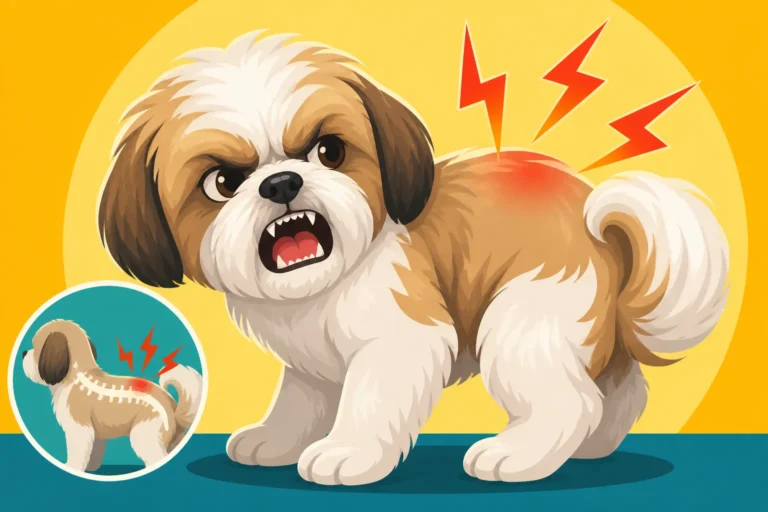
Remember, Shih Tzus were bred for centuries to be pampered lap warmers and companions to royalty, not guard dogs or outdoor adventurers. This heritage means they often crave closeness and can be quite dependent on their humans. While this makes them wonderful cuddle bugs, it also means they can feel exposed and vulnerable in new, unfamiliar situations. Imagine being tiny in a world full of giants – every loud noise, every sudden movement, every looming stranger can feel like a potential threat. Their small size doesn't give them the physical presence to intimidate, so their primary defense mechanism, if they feel threatened, is often to retreat or, if cornered, to snap out of fear. This isn't aggression; it's self-preservation.
Furthermore, many Shih Tzus have a natural inclination towards being a "one-person dog" or forming very strong bonds with their immediate family. While endearing, this can sometimes make them wary of outsiders. Their deeply expressive eyes, while beautiful, are also quite prominent and can make them feel more vulnerable, especially if someone is reaching towards their face without care. It's crucial to acknowledge these inherent traits when planning their socialization journey.
Decoding Your Shih Tzu's Fear Signals
Shih Tzus, like all dogs, communicate their discomfort long before they resort to growling or biting. Learning to read these subtle signals is paramount to avoiding frightening them during socialization. If you miss the subtle cues, you might accidentally push your dog past their comfort zone, creating a negative association with the situation.
Look for signs like lip licking, yawning (when not tired), turning their head away, avoiding eye contact, or shifting their weight as if trying to move away. A tucked tail, ears flattened against the head, or a lowered body posture are more obvious signs of fear. Sometimes, a Shih Tzu might "freeze" in place, becoming completely still, which indicates they're highly stressed and unsure of what to do. They might also try to hide behind your legs or under furniture. It's vital to remember that a growl or a snap is usually a last-ditch effort, a plea for space when all their earlier, quieter signals have been ignored. Pay attention to these early warnings; they're your Shih Tzu's way of saying, "I'm not comfortable right now, please help me."
The Art of Gentle Puppy Socialization
Socializing a Shih Tzu puppy is less about throwing them into the deep end and more about carefully dipping their paws in a warm, inviting pool. The goal is to build positive associations with new experiences, people, and other dogs, fostering confidence rather than fear.
Maximizing the Early Socialization Window
The period from about 3 to 16 weeks of age is often referred to as the "socialization window." During this crucial time, puppies are most open to new experiences and form lasting impressions about the world. This is when you want to gently introduce them to as many different sights, sounds, smells, people, and appropriate dogs as possible. However, "gently" is the operative word here for a Shih Tzu. Don't rush or force anything. The experiences should always be positive, short, and sweet, ending before your puppy becomes overwhelmed.
Missing this window entirely doesn't mean all hope is lost, but it does make the process significantly harder later on. An unsocialized Shih Tzu puppy can grow into a fearful adult, prone to anxiety or reactive behaviors. For more on this critical period, you might find The Shih Tzu Socialization Deadline particularly insightful. Always remember to prioritize your puppy's health by ensuring they're up-to-date on their vaccinations before venturing out into public spaces.
Crafting Controlled, Positive First Impressions
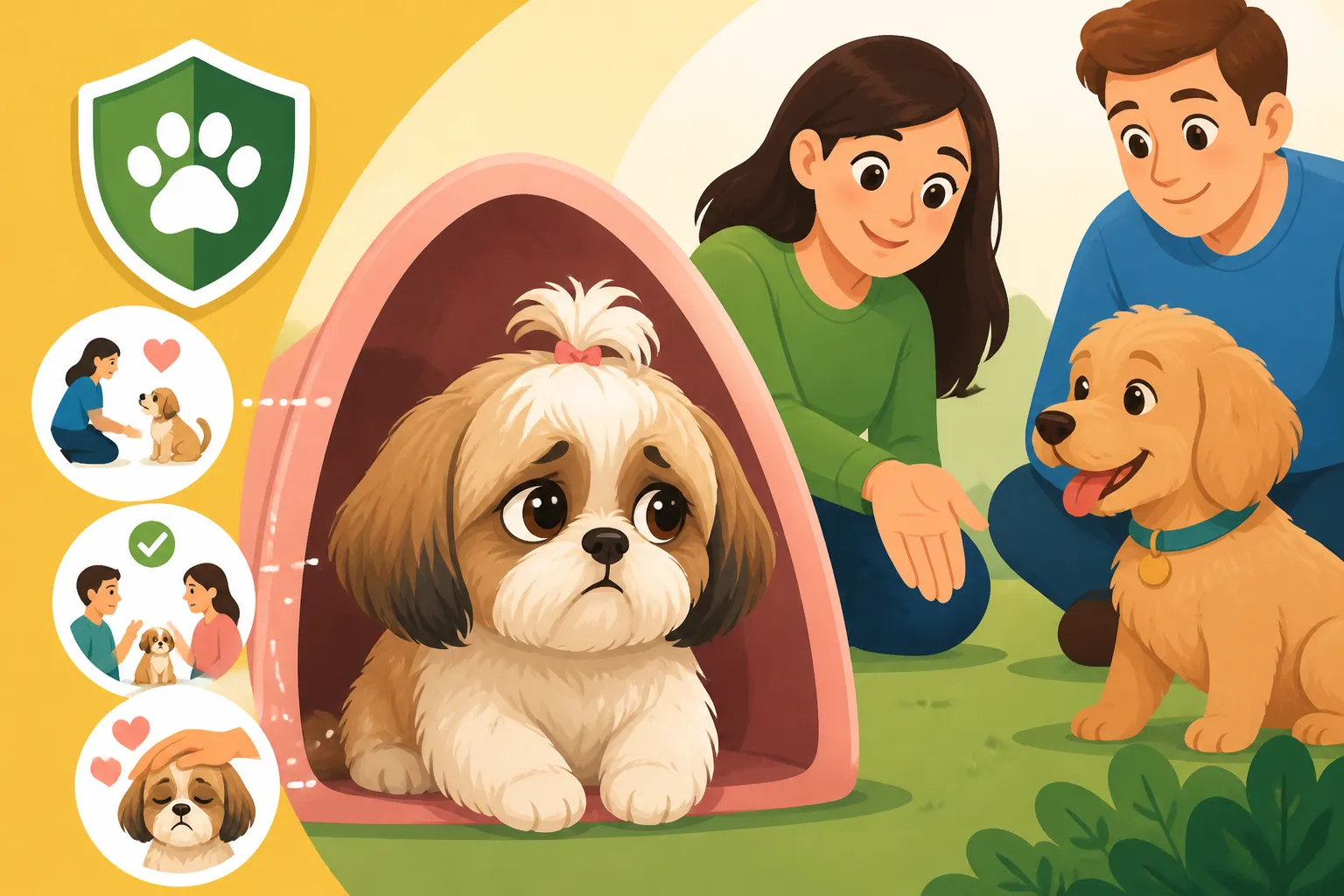
When introducing your Shih Tzu puppy to new things, think "quality over quantity." Instead of a bustling dog park, choose a quiet park bench where you can simply observe the world go by from a safe distance, rewarding your puppy for calm behavior. Instead of a crowded party, invite one or two calm friends over. Ask them to sit on the floor, let your puppy approach them on their own terms, and offer a treat if they do. Avoid having people loom over them, reach in aggressively, or pick them up without permission.
Exposure to different surfaces – grass, concrete, gravel, carpet, wood floors – should also be done gradually and with positive reinforcement. Let them explore at their own pace. If they seem hesitant, toss a treat a little further onto the new surface to encourage them. The key is to never force interaction. Always allow your Shih Tzu an escape route or a safe space if they feel overwhelmed. Every positive experience, no matter how small, builds their confidence incrementally.
Laying the Groundwork for Handling and Grooming
For a breed like the Shih Tzu, handling and grooming socialization is just as crucial as meeting new people or dogs. Their beautiful coats require regular maintenance, and their distinct facial structure means they'll need frequent eye and face care. If these experiences are negative or frightening as a puppy, they can become a battleground later in life. Start early, making every interaction positive.
Touch your puppy's paws, ears, tail, and mouth gently, often, and briefly, pairing it with delicious treats and soft praise. Mimic grooming actions with a soft brush, a dull comb, or even just your fingers. Introduce the sound of clippers or a hairdryer from a distance, gradually moving closer as your puppy remains calm, always associating the sounds with treats. This early desensitization is vital for ensuring future grooming sessions aren't a source of fear. Resources like Handling a Shih Tzu Puppy for Daily Brushing and Getting a Shih Tzu Used to Face Trims offer excellent practical advice. For a structured approach to puppy training that includes grooming desensitization, online programs like those offered by BAXTER & Bella can provide invaluable step-by-step guidance and support, helping you build a confident, cooperative grooming partner.
Expanding Horizons: Socialization Through Different Experiences
Once your Shih Tzu puppy has a good foundation, it’s time to gently broaden their horizons. The goal remains the same: positive, controlled exposure that builds confidence without triggering fear.
Meeting New Faces and Paws Gently
Introducing your Shih Tzu to new people and other dogs requires patience and a watchful eye. For people, encourage friends and family to crouch down to your Shih Tzu's level, avoid direct eye contact initially, and let the dog approach them. A calm voice and an outstretched hand with a small, irresistible treat can work wonders. Never allow someone to pick up your Shih Tzu without your explicit permission, and always ensure they know how to hold a small dog properly and securely.
When it comes to other dogs, aim for one-on-one introductions with known, calm, and friendly dogs of similar size, if possible. Avoid leashed greetings on a tight leash, which can create tension. Instead, allow for some off-leash, supervised interaction in a secure, neutral yard. Keep initial meetings short and sweet. Dog parks, especially with many large, boisterous dogs, can be overwhelming and potentially dangerous for a small Shih Tzu and should generally be avoided, especially in early socialization stages. For understanding how your small dog might interact with others, Shih Tzu Play Style With Bigger Dogs delves into what to expect.
Desensitizing to the World's Sights and Sounds
Our world is full of sounds, from doorbells and vacuum cleaners to passing sirens and construction noise. For a sensitive Shih Tzu, these can be startling. Desensitization means gradually exposing your dog to these sounds at a low volume and increasing it slowly, always pairing the sound with something positive like treats or playtime. You can find recordings of various common household or outdoor noises online and play them quietly, gradually increasing the volume over days or weeks.
Similarly, expose them to different sights—people wearing hats, people on bicycles, children playing, umbrellas opening. Again, distance is your friend. Observe from afar, reward calm behavior, and gradually reduce the distance as your dog shows comfort. Think about how a delivery person or a sudden knock might affect them; resources like A Shih Tzu Barking at the Doorbell offer specific advice for common triggers. For helpful tools in this process, such as calming pheromone diffusers, noise-canceling headphones for extremely sensitive dogs, or even puzzle toys that distract during stressful sound exposure, browsing options on Amazon can provide beneficial additions to your socialization toolkit.
| Socialization Scenario | Positive Approach | Potentially Frightening Approach |
|---|---|---|
| New People | Sit on floor, let dog approach, offer treat quietly. | Loom over, grab, force interaction, loud greetings. |
| New Dogs | Calm, known dog, neutral territory, off-leash if safe. | Crowded dog park, tight leash, large, unknown dogs. |
| Loud Sounds | Play recorded sounds softly, pair with treats/play. | Sudden, unexpected loud noises without positive context. |
| Handling/Grooming | Gentle, brief touches with treats, gradual introduction of tools. | Forcing restraint, painful brushing, rushing procedures. |
| New Environments | Quiet observation from a distance, gradual exploration. | Overstimulating, crowded places, no escape route. |
Navigating New Environments with Confidence
Beyond just meeting beings, your Shih Tzu needs to feel comfortable in various settings. This means short, positive trips to different places: a quiet corner of a pet-friendly store, a friend's house, or a local park during off-peak hours. The goal is for them to associate these places with pleasant experiences. Always bring high-value treats and a familiar, comfortable bed or blanket.
Allow them to sniff and explore at their own pace. If they seem anxious, don't force them forward. Instead, try to distract them with a game or a treat, or simply observe from a distance until they calm down. Remember, you are their anchor; your calm demeanor will help reassure them. A small carrier or sling can also be a wonderful tool for navigating busier areas, allowing them to observe the world from a safe, elevated perch while feeling protected.
Respecting Boundaries and Continuing Growth
Socialization isn't a one-time event; it's a lifelong process, especially for a sensitive breed like the Shih Tzu. Knowing when to advocate for your dog and how to address adult fears is paramount to maintaining their confidence.
Knowing When to Press Pause and Protect
One of the most important aspects of successful socialization is recognizing when your Shih Tzu has had enough and being willing to step in and protect them. Overwhelm can quickly turn a positive experience into a negative one, setting back your progress. If you see those fear signals – the lip licking, yawning, tucked tail, or attempts to hide – it's your cue to remove your dog from the situation.
This might mean politely asking a stranger not to pet your dog, picking your Shih Tzu up to remove them from a chaotic dog interaction, or simply leaving a busy environment. It’s not about coddling; it’s about empowering your dog by showing them that you are a reliable source of safety. By doing so, you build trust, and a trusting Shih Tzu is more likely to be resilient and explore new things with you by their side. Never push your Shih Tzu to interact if they are clearly uncomfortable. Their emotional well-being must always come first.
Addressing Adult Fears and Building Resilience
Even with the best puppyhood socialization, some Shih Tzus might develop specific fears as they age, or you might adopt an adult Shih Tzu with an unknown past. Perhaps they're suddenly wary of men with beards, or certain types of noises. The approach to addressing these fears in adults is similar to puppy socialization: gradual, positive desensitization and counter-conditioning. This means exposing them to the fear trigger at such a low intensity that they don't react, and then pairing it with something highly positive, like their favorite treat or a special toy.
For instance, if your Shih Tzu is fearful of the vacuum cleaner, start by having it in sight but off, rewarding calm behavior. Then, turn it on in another room at a low hum, again rewarding calm. Gradually bring it closer and increase the volume over many sessions, always keeping your dog under their "threshold" of fear. If they react, you've gone too fast; dial it back. It’s a marathon, not a sprint. Consider practical solutions found on Amazon, such as quiet grooming tools, sound machines, or comforting pet beds designed to reduce anxiety, which can all support creating a more relaxed environment for your Shih Tzu. Continued gentle exposure to different environments, even if just short walks in new neighborhoods, helps reinforce their adaptability.
The Lifelong Journey of a Well-Adjusted Shih Tzu
Socialization is truly a lifelong journey. Even a well-socialized adult Shih Tzu benefits from continued, gentle exposure to the world to maintain their confidence and prevent regression. Regular walks in varied environments, meeting new people, and occasional positive interactions with other calm dogs will keep their social skills sharp. Keep up with grooming practices introduced in puppyhood, making them a consistent, pleasant routine. For further guidance on maintaining good habits and overall well-being, exploring articles like Shih Tzu Puppy Training Month by Month or Shih Tzu Temperament With Children and Guests can provide broader context for managing your companion.
Remember, the goal isn't to have a Shih Tzu that loves every single person or dog they meet; it's to have a Shih Tzu that feels safe, confident, and resilient in various situations, trusting you to be their guide and protector. If you find your Shih Tzu's fear is overwhelming, causing aggression, or severely impacting their quality of life, don't hesitate to reach out for professional help.
When to Seek Professional Guidance
Sometimes, despite your best efforts, a Shih Tzu's fear or anxiety can be deeply ingrained or manifest in ways that are challenging to manage on your own. This is where professional help becomes invaluable.
Recognizing When You Need an Expert
If your Shih Tzu's fear escalates to growling, snapping, or biting, even in seemingly benign situations, or if they exhibit extreme anxiety like incessant shaking, excessive hiding, or destructive behavior when exposed to triggers, it's time to call in a professional. Similarly, if your dog's quality of life is severely impacted—they can't enjoy walks, are terrified of vet visits, or can't be left alone without panic—a certified dog trainer or a veterinary behaviorist can provide tailored strategies. Don't view seeking help as a failure; view it as giving your Shih Tzu the best possible chance at a happy, confident life.
Finding the Right Professional for Your Shih Tzu
When looking for help, seek out certified professional dog trainers who use positive reinforcement methods and have experience with small, sensitive breeds like Shih Tzus. Avoid anyone who suggests harsh corrections, punitive tools, or force, as these will only exacerbate fear and damage your relationship with your dog. A certified professional can assess your Shih Tzu's specific triggers, develop a customized training plan, and teach you how to confidently manage and modify their behavior. For more in-depth information on finding suitable training expertise, refer to Finding a Trainer Who Understands Toy Breeds. A veterinary behaviorist, a veterinarian with specialized training in animal behavior, can also prescribe medication if necessary, alongside behavior modification, to help manage severe anxiety or phobias. The investment in professional guidance can make all the difference in transforming a fearful Shih Tzu into a well-adjusted, joyful companion.
Disclaimer
This article is for general informational purposes only and does not constitute professional advice. Laws, prices and regulations vary by location and change over time. Consult a qualified professional for guidance on your specific situation.