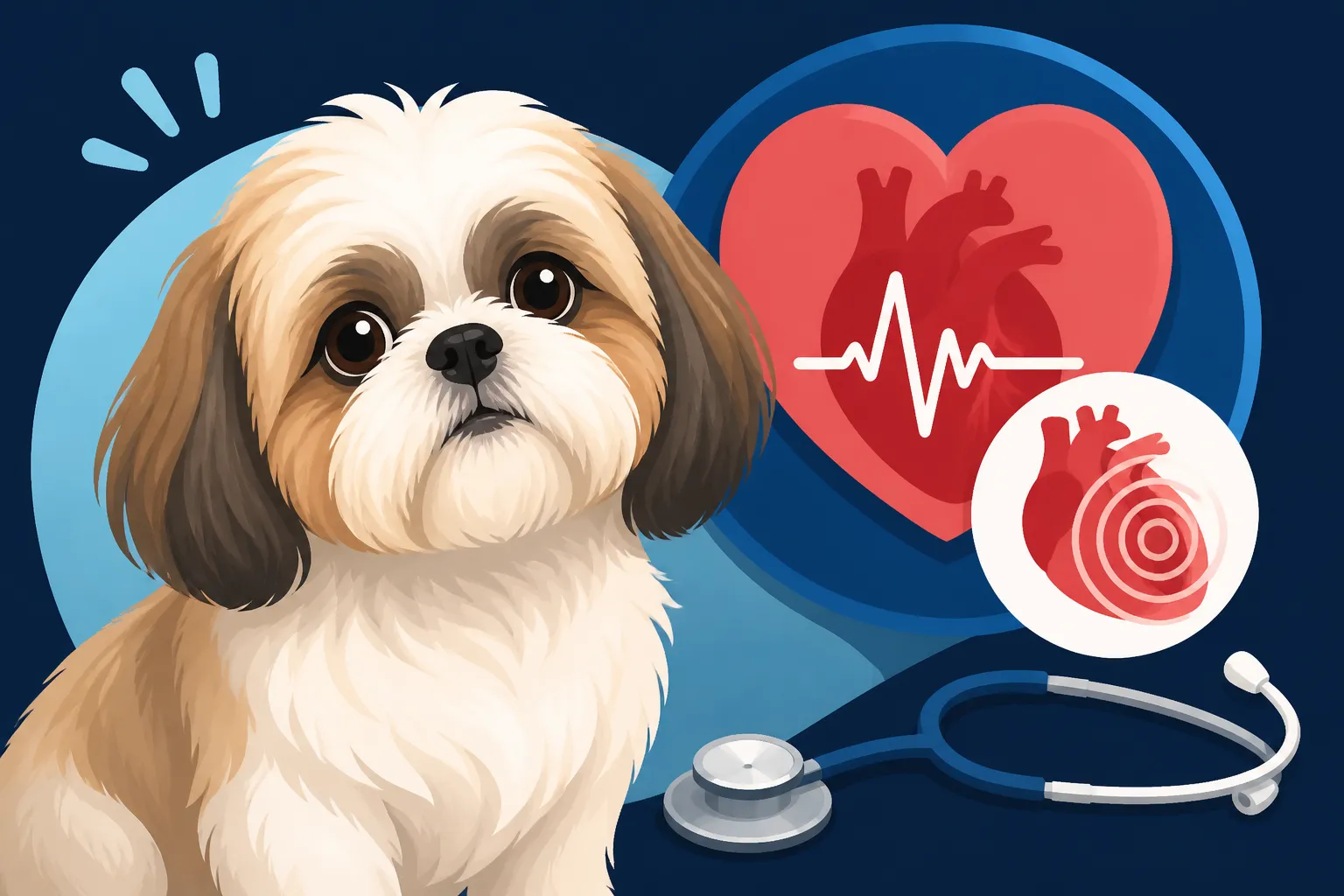
Shih Tzu Heart Murmurs Found on Exam
One of the most unsettling moments for any Shih Tzu parent is during a routine vet check-up when your beloved companion’s doctor suddenly pauses, listens intently, and then shares the news: they’ve detected a heart murmur. This can instantly fill you with dread and a million questions, wondering what it means for your furry family member. This guide is here to unravel the complexities of Shih Tzu heart murmurs, explain what to expect next, and help you navigate the path to keeping your little lion dog healthy and happy.
Understanding What a Heart Murmur Means for Your Shih Tzu
When your vet mentions a heart murmur, it’s natural to feel a wave of panic. But before you jump to the worst conclusions, let’s break down what a heart murmur actually is and why it’s particularly relevant for breeds like our Shih Tzus.
What is a Heart Murmur, Really?
At its core, a heart murmur isn't a disease in itself, but rather an abnormal sound heard when listening to the heart with a stethoscope. Think of your Shih Tzu's heart as a beautifully orchestrated pump, moving blood smoothly through its chambers and valves. Normally, this process should create clear, distinct "lub-dub" sounds as the valves open and close. A murmur, however, sounds more like a whooshing, swishing, or even a blowing sound, indicating turbulence in the blood flow.
This turbulence can be caused by a variety of things. Sometimes, it’s due to blood leaking backward through a faulty valve, or perhaps flowing forward through a narrowed opening. Other times, it might be blood passing through an abnormal connection between heart chambers or vessels. Vets grade murmurs on a scale from I to VI, with I being very soft and barely audible, and VI being very loud and potentially felt through the chest wall. A higher grade often, but not always, suggests a more significant underlying issue. It’s important to remember that finding a murmur is just the first step in a diagnostic journey, not the final diagnosis itself. Many small dogs, including Shih Tzus, can live long, full lives with a low-grade murmur.
Common Causes of Murmurs in Shih Tzus
While heart murmurs can occur in any dog breed, Shih Tzus, like many other small and toy breeds, have a higher predisposition to certain types of heart conditions. The most common cause of a heart murmur in an older Shih Tzu is Mitral Valve Disease (MVD). This condition involves the mitral valve, located on the left side of the heart, which normally prevents blood from flowing backward into the left atrium when the ventricle contracts. With MVD, the valve thickens and becomes leaky, allowing blood to regurgitate. This backward flow creates the turbulent sound your vet hears as a murmur.
In puppies, a different congenital issue might be at play: a Patent Ductus Arteriosus (PDA). This is when a fetal blood vessel that bypasses the lungs fails to close shortly after birth. If a Shih Tzu puppy has a murmur detected early, a PDA is a serious consideration, as it can be surgically corrected. Less commonly, other congenital defects or even temporary "physiological" murmurs (often in young, healthy, active dogs that may outgrow them) can be heard. Understanding these breed-specific tendencies helps your vet narrow down the possibilities and plan the best diagnostic approach for your particular pup. It’s also worth noting that other conditions like The Elongated Soft Palate in a Shih Tzu or Tracheal Collapse and the Shih Tzu Honk can cause coughing that might sometimes be mistaken for heart-related issues, making a thorough diagnosis crucial.
The Next Steps After a Shih Tzu Heart Murmur Diagnosis
Hearing that your Shih Tzu has a heart murmur can be frightening, but the good news is that there are clear steps to take to understand the situation better and ensure your furry friend gets the best possible care.
Initial Diagnostics and Your Vet's Role
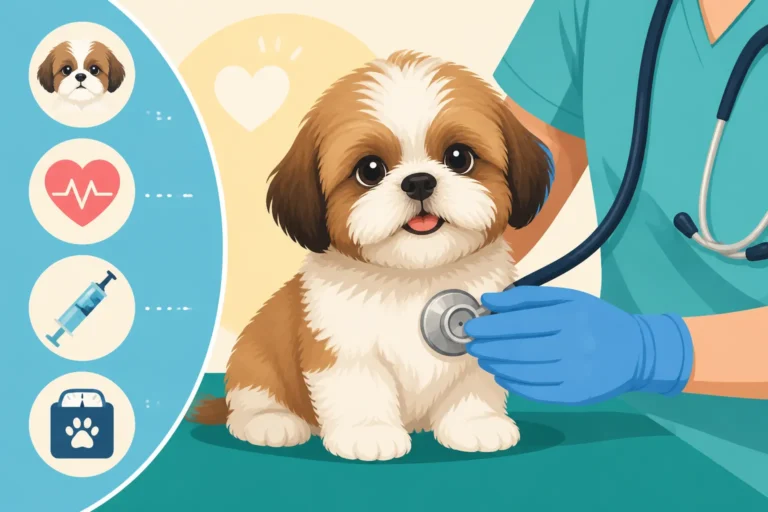
Once your primary veterinarian detects a heart murmur, their first priority will be to gather more information. They'll perform a very thorough physical examination, listening carefully to the heart and lungs, checking your Shih Tzu's pulse, and assessing their overall health. They'll want to know if your dog is showing any symptoms like coughing, exercise intolerance, or changes in appetite. These observations are critical in determining the urgency and direction of further tests.
Typically, the next step involves some non-invasive diagnostics. Chest X-rays are often recommended. These images allow your vet to visualize the size and shape of the heart, as well as check for any fluid buildup in or around the lungs, which can be a sign of congestive heart failure. Blood tests, including a complete blood count and a chemistry panel, might also be part of the initial workup. These tests assess organ function and overall health, which is important for understanding how the heart might be impacting other systems and for safely planning any potential treatments. If anesthesia is ever considered for something like Shih Tzu Dental Disease at 13 Percent of the Breed, knowing the extent of a heart murmur is vital, as Shih Tzu Anesthesia Risk From a Flat Face is already elevated.
When to See a Veterinary Cardiologist
While your general vet can provide excellent initial care, a detected heart murmur, especially if it's moderate to severe or accompanied by symptoms, often warrants a consultation with a veterinary cardiologist. These specialists have advanced training and equipment to definitively diagnose heart conditions. They can perform an echocardiogram, which is essentially an ultrasound of the heart. This non-invasive test provides real-time images of the heart's structure, allowing the cardiologist to see the valves in action, measure chamber sizes, assess the thickness of the heart walls, and evaluate blood flow patterns. It's the gold standard for diagnosing specific heart diseases like MVD and determining their severity.
The cardiologist might also perform an electrocardiogram (ECG) to assess the heart's electrical activity if an irregular heartbeat (arrhythmia) is suspected. This comprehensive assessment by a specialist is crucial for developing an accurate prognosis and a tailored treatment plan. Engaging with a specialist can be a significant financial consideration, but it's an investment in your pet's health. Pet insurance providers like Healthy Paws can often help mitigate these costs, especially if your Shih Tzu was enrolled before the murmur was detected, as pre-existing conditions are typically not covered. Planning ahead for potential health issues is always wise for Shih Tzu Pet Insurance for a Flat-Faced Toy owners.
Here's a quick reference on murmur grades and what they might indicate:
| Murmur Grade | Description | Potential Significance | Typical Next Steps |
|---|---|---|---|
| Grade I | Very soft, difficult to hear | Often physiological, minor flow turbulence, or early disease | Monitor, recheck in 3-6 months, consider echo if symptoms exist |
| Grade II | Soft, but easily audible | Mild structural issue, early MVD | Chest X-rays, possibly cardiology consult if persistent |
| Grade III | Moderately loud, no thrill | Moderate structural issue, MVD progression | Cardiology consult, echocardiogram, possible medication |
| Grade IV | Loud, with a palpable thrill | Significant structural issue, advanced MVD, PDA | Urgent cardiology consult, extensive diagnostics, treatment |
| Grade V | Very loud, thrill easily palpable, audible with stethoscope barely touching chest | Severe disease, often causing symptoms | Urgent cardiology consult, aggressive treatment |
| Grade VI | Extremely loud, thrill easily palpable, audible with stethoscope off chest | Critical disease, likely symptomatic | Emergency stabilization, intensive treatment |
Note: A "thrill" is a vibration felt on the chest wall.
Managing a Shih Tzu with Heart Disease
Once a heart murmur is diagnosed and, if necessary, an underlying heart condition confirmed, the focus shifts to managing the disease to maintain your Shih Tzu's quality of life. This often involves a combination of medication and careful lifestyle adjustments.
Medical Management and Lifestyle Adjustments
For many Shih Tzus with heart disease, medication plays a vital role in managing symptoms and slowing the progression of the condition. Depending on the specific diagnosis, your vet or cardiologist might prescribe several different drugs. Diuretics, like Furosemide, are commonly used to help remove excess fluid from the body, especially if your Shih Tzu is experiencing A Shih Tzu Coughing From Heart Failure or fluid in the lungs (pulmonary edema). ACE inhibitors, such as Enalapril or Benazepril, help to relax blood vessels and reduce the workload on the heart. Another common medication is Pimobendan (Vetmedin), which helps the heart pump more efficiently and dilates blood vessels. These medications, often given long-term, need careful monitoring to ensure they are effective and to adjust dosages as needed.
Beyond medication, lifestyle adjustments are crucial. Diet modifications often include a low-sodium diet to help control fluid retention. Your vet might recommend a prescription cardiac diet specifically formulated to support heart health. Managing your Shih Tzu's weight is also paramount; Shih Tzu Obesity on a Sixteen Pound Frame can put extra strain on an already compromised heart. Gentle, regular exercise, typically in the form of short, leisurely walks, is encouraged. Avoid strenuous activity or prolonged play sessions, especially during warm weather, as Shih Tzu Exercise Intolerance in Summer can quickly lead to overheating and distress for a dog with heart issues. Regular, consistent communication with your vet is key, with Vet Visit Frequency for a Shih Tzu Past Ten often increasing to ensure the heart condition remains stable.
Recognizing Signs of Worsening Heart Disease
As a Shih Tzu parent, you are your dog’s best advocate. Being vigilant about recognizing subtle changes in their behavior or physical condition can make a huge difference in managing heart disease. One of the most common signs of worsening heart failure is an increase in coughing, especially A Shih Tzu That Coughs Only at Night. This cough often sounds wet or congested and can be more pronounced after lying down or sleeping. Another critical indicator is changes in breathing. You might notice your Shih Tzu breathing faster or with more effort, even when at rest. Learning to count your dog’s resting respiratory rate at home can be a powerful monitoring tool.
Other red flags include reduced energy levels or exercise intolerance; your usually playful Shih Tzu might become lethargic or reluctant to go for walks. Fainting spells (syncope) or weakness can also occur if the heart isn't pumping enough blood to the brain. A distended abdomen might indicate fluid buildup. If you observe any of these symptoms, it’s imperative to contact your veterinarian immediately. Early intervention can prevent a crisis and improve your Shih Tzu's comfort. Dealing with a sudden decline can be incredibly stressful, and knowing that services like Healthy Paws can assist with unexpected Shih Tzu Emergency Vet Costs Owners Should Expect for acute heart episodes can provide significant peace of mind during challenging times.
Prognosis and Quality of Life with a Shih Tzu Heart Murmur
The journey with a Shih Tzu diagnosed with a heart murmur can feel daunting, but it's important to remember that many dogs live happy, fulfilling lives with proper management.
What to Expect Long-Term
The long-term outlook for a Shih Tzu with a heart murmur depends heavily on the underlying cause and severity of the condition. For a young Shih Tzu with a low-grade, physiological murmur, the prognosis can be excellent, with many outgrowing the murmur entirely or never developing clinical signs of heart disease. For those with Mitral Valve Disease, the most common cause in older Shih Tzus, early detection and consistent management are critical. Many Shih Tzus can live for years after a murmur is detected, especially with the right medication and lifestyle adjustments.
Regular follow-up appointments with your vet and cardiologist, including repeat echocardiograms, are essential to monitor the disease's progression and adjust treatment plans as needed. The goal is always to maintain the best possible quality of life for your Shih Tzu, keeping them comfortable and active for as long as possible. It’s not uncommon for a Shih Tzu with well-managed heart disease to still reach or even exceed the Shih Tzu Lifespan and the Thirteen Year Average, demonstrating the effectiveness of modern veterinary care. The financial commitment to long-term cardiac care can be substantial, encompassing medications, specialist visits, and diagnostics, making the value of a comprehensive pet insurance plan from Healthy Paws or similar providers even clearer over your dog’s lifetime.
Deciding for a Shih Tzu with Advanced Heart Disease
As heart disease progresses, there may come a time when even aggressive medical management cannot fully control symptoms, and your Shih Tzu’s quality of life may begin to decline. This is perhaps one of the most difficult decisions any pet parent will face. Signs that your Shih Tzu might be struggling include persistent coughing, increased breathing effort even at rest, a complete loss of appetite, severe lethargy, or recurrent fainting spells despite medication.
During this challenging phase, focusing on your Shih Tzu’s comfort and dignity becomes paramount. Your vet or cardiologist can offer guidance on assessing their Quality of Life in a Shih Tzu's Last Year and help you understand when it might be time to consider palliative care or, ultimately, humane euthanasia. This decision is deeply personal and should be made with careful consideration, ensuring your beloved companion is not suffering unnecessarily. Cherish every moment, provide comfort, and remember that making the decision to prevent suffering is the ultimate act of love for your loyal Shih Tzu. Regular Senior Shih Tzu Care Past the Age of Ten and discussions with your veterinary team can help you prepare for these eventualities and ensure your Shih Tzu receives compassionate care every step of the way.
Disclaimer
Please note that this article is intended for informational purposes only and does not constitute medical advice. Always consult with a qualified veterinarian or veterinary cardiologist regarding any health concerns or before making any decisions about your Shih Tzu's care and treatment. Individual situations may vary, and a professional diagnosis is essential.