Slow Feeders for a Shih Tzu That Gulps
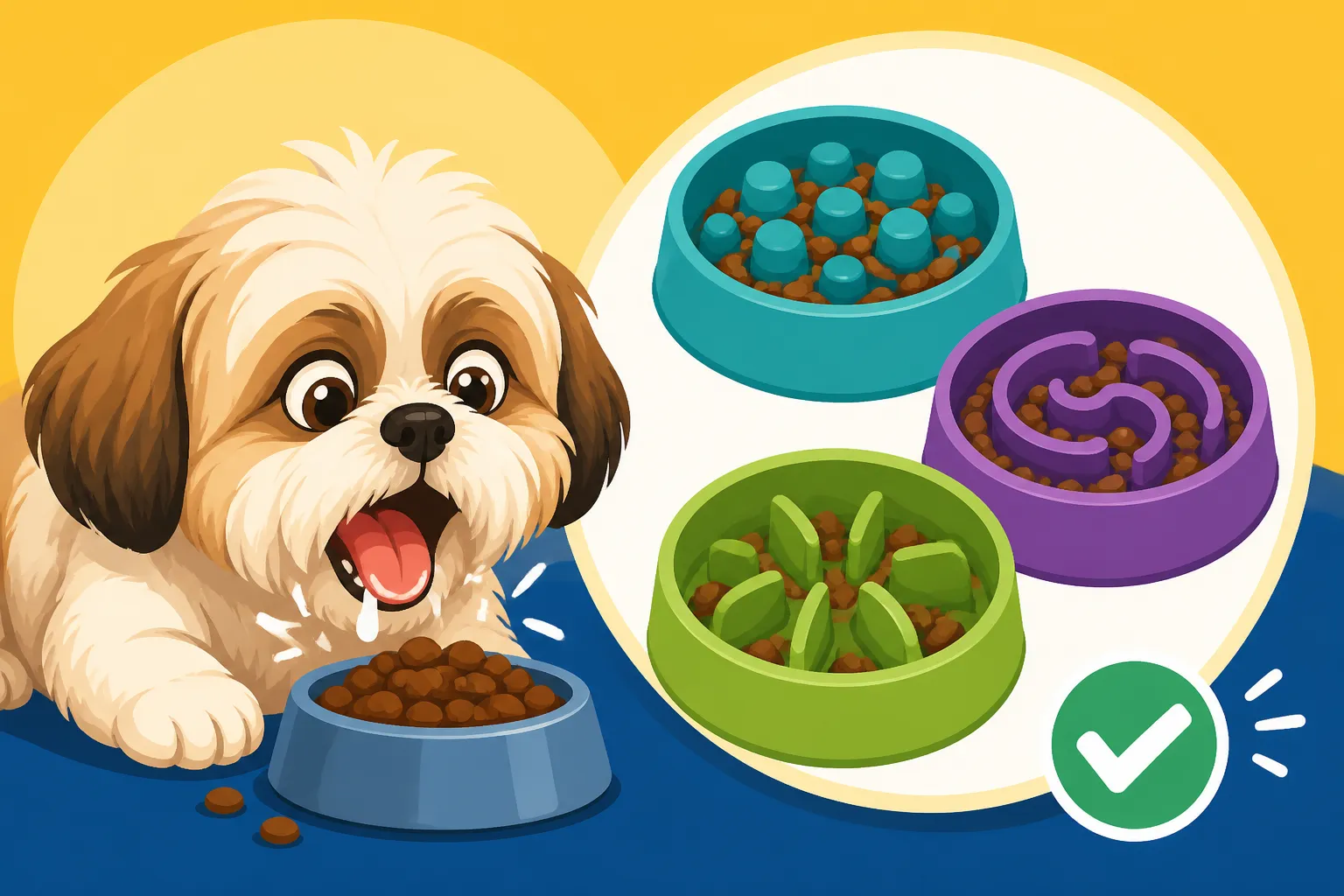
It's incredibly frustrating, isn't it, when your sweet Shih Tzu devours their meal in mere seconds, practically inhaling their kibble? You watch them gulp it down, and then, all too often, you're left dealing with the messy aftermath of them bringing it right back up. This guide is here to help you understand why your furry friend eats like there's no tomorrow and, more importantly, how slow feeder bowls can be a game-changer for their health and your peace of mind.
Why Your Shih Tzu Gulps Their Food and Why It's a Problem
There’s nothing quite like the sound of a Shih Tzu enjoying their meal, but for many of us, that enjoyment is over in a flash, followed by unsettling sounds of gulping and then, perhaps, gagging. It’s a common scenario, and while it might seem like just a quirky habit, rapid eating can actually lead to a host of health concerns for our beloved little lions.
The Instinct to Eat Fast
Dogs, by nature, are often driven by instinct, and eating quickly can stem from deep-seated evolutionary behaviors. In a pack environment, even domesticated dogs can feel a subconscious need to consume their food before another dog might get to it. While your Shih Tzu might be the only canine king or queen in your castle, that ancestral programming can still kick in, making them feel a sense of urgency around mealtime. It’s not about being greedy; it’s about a primal drive to secure resources.
Beyond instinct, the unique physical characteristics of a Shih Tzu can also contribute to this rapid consumption. Their adorable flat faces, a hallmark of the brachycephalic breeds, mean their mouths and airways are structured differently. This can sometimes make it harder for them to pick up food efficiently or chew thoroughly, leading to more gulping and less actual chewing. They might literally be trying to shove the food in because their anatomy makes careful eating a bit more of a challenge. It's a daily struggle that many Brachycephalic Breathing in a Shih Tzu owners navigate.
The Health Risks of Rapid Eating
While a speedy eater might seem harmless, the truth is, gulping down food too quickly comes with legitimate health risks for your Shih Tzu. One of the most immediate dangers is choking. When food isn't properly chewed, larger pieces can get lodged in the throat, creating a terrifying emergency. Even if they don't choke, the act of gulping often means they're swallowing a lot of air along with their food.
This swallowed air can lead to serious digestive discomfort, including gas, bloating, and sometimes, those awful bouts of vomiting shortly after eating. It's not just uncomfortable; repeated vomiting can irritate their esophagus and lead to other complications. In severe cases, especially if they aspirate (inhale) some of that regurgitated food into their lungs, it can even cause aspiration pneumonia, which is a very serious condition. For a breed already prone to certain health vulnerabilities, avoiding unnecessary risks is always the best approach. Owners often wonder if gulping is related to other stomach issues like Pancreatitis in a Shih Tzu After Table Food.
Understanding Slow Feeder Bowls: More Than Just a Maze
When you’re constantly cleaning up after a puking pup or worrying about choking, you start looking for solutions. This is where slow feeder bowls enter the picture. They’re not a gimmick; they’re specifically designed tools that can dramatically improve your Shih Tzu's eating habits and, by extension, their health.
How Slow Feeders Work
At their core, slow feeder bowls are engineered to make eating more challenging, in a good way! Instead of a wide, open surface that allows your dog to scoop up huge mouthfuls of food, these bowls feature various obstacles, ridges, spirals, and sometimes even complex maze-like patterns. The ingenious design forces your Shih Tzu to navigate around these impediments, picking up smaller portions of food with each lick or bite. This process naturally slows them down, requiring more effort and thought to extract their meal.
You’ll find a wide variety of designs on the market. Some bowls have simple raised bumps, others have intricate labyrinths, and some are shaped like puzzles with removable parts or even separate compartments. There are also lick mats, which are flatter surfaces with textures designed for spreading wet food or soft treats, encouraging a slower, more deliberate eating pace. Some slow feeders are even elevated, which can be beneficial for some dogs, though it’s always worth discussing with your vet if elevation is right for your particular Shih Tzu. When you're browsing online, perhaps on a site like Amazon or Chewy, you'll see just how many options there are, from basic plastic inserts to sturdy ceramic models.
Choosing the Right Slow Feeder for Your Shih Tzu
With so many slow feeders available, selecting the perfect one for your Shih Tzu can feel a little overwhelming. The key is to consider your dog's specific needs and your lifestyle. First, think about the size and depth of the bowl. A Shih Tzu, being a smaller breed, doesn’t need a massive bowl designed for a Mastiff. Look for one with obstacles that are appropriately sized for their tiny muzzle and tongue.
The material of the bowl is also important. Plastic feeders are generally affordable and lightweight, but they can sometimes harbor bacteria if scratched. Ceramic bowls are heavier and harder to tip over, but they can break if dropped. Stainless steel is durable, easy to clean, and hygienic, but it might be more expensive. Whatever material you choose, ensure it's food-grade and non-toxic. Websites like Chewy offer detailed product descriptions and customer reviews which can be incredibly helpful for comparing options.
Finally, consider the specific design. A simple spiral or a few raised bumps might be enough for a mildly fast eater, while a Shih Tzu who truly inhales their food might benefit from a more complex maze or even a puzzle feeder that dispenses food as they interact with it. Look for designs that are sturdy and won't slide around the floor as your pup pushes against it. Easy cleaning is another factor – intricate designs can sometimes be a pain to wash thoroughly, especially if you're battling Shih Tzu Tear Staining and Face Cleaning after meals.
Practical Tips for Introducing and Using a Slow Feeder
Bringing a new slow feeder into your Shih Tzu's routine is an exciting step towards better health, but like any change, it might require a little patience and strategy. Your dog is used to a certain way of eating, and altering that habit won't happen overnight.
Making the Transition Smooth
When you first present the slow feeder, your Shih Tzu might look at it with confusion, or even a little indignation. "Where's my regular bowl? What's this contraption?" is probably what they're thinking! Don't be surprised if they try to flip it over or stare at you as if to say, "Help me, human!" The trick is to make the transition as positive and stress-free as possible.
Start by placing a small amount of their regular food, perhaps even just a few pieces, into the slow feeder. Let them explore it, sniff around, and discover how to get the food out. Praise them enthusiastically when they succeed, even if it's just for retrieving one piece of kibble. You might even consider mixing in a few extra-tasty treats initially to increase their motivation. Over a few meals, gradually increase the amount of food until they are eating their full portion from the slow feeder. If your pup gets overly frustrated, you can temporarily place a small amount of food on the flat edge of the bowl outside the maze, allowing them to get some quick satisfaction before they tackle the main challenge. Remember, this is about positive reinforcement, not creating stress around mealtime. Five Minute Sessions With a Shih Tzu can be a great way to introduce new concepts.
Beyond the Bowl: Other Slow Feeding Strategies
While slow feeder bowls are fantastic, they aren't the only tool in your arsenal for slowing down a fast eater. Sometimes, variety is key, and incorporating other strategies can keep mealtime engaging and mentally stimulating for your Shih Tzu. Puzzle toys, for example, are excellent for making your dog "work" for their food. These toys come in various shapes and difficulty levels, requiring your Shih Tzu to push, nudge, or manipulate them to release kibble. This transforms eating into a fun game, providing valuable mental enrichment.
Another simple yet effective method is scatter feeding. Instead of putting all the food in a bowl, scatter small portions of your Shih Tzu’s kibble across a clean floor, on a mat, or even in a designated sniff-and-search area. This encourages them to use their nose and naturally slows them down as they hunt for each piece. If you use a fresh food delivery service like Ollie, you might find their pre-portioned meals are easier to manage in various slow-feeding setups. For Shih Tzus who are extremely food motivated or have specific needs, hand-feeding can be a temporary solution, ensuring they eat slowly and calmly, though it’s not always practical for every meal. Thinking about Kibble Small Enough for a Shih Tzu Underbite can also help ensure they're able to pick up the food easily from any feeder.
Benefits You'll Notice with a Slower Eater
The effort you put into using a slow feeder will pay off in numerous ways, not just for your Shih Tzu's immediate health but also for their overall well-being and your peace of mind. You'll likely start noticing positive changes relatively quickly, and those changes make the initial adjustment period well worth it.
Improved Digestion and Reduced Vomiting
One of the most immediate and appreciated benefits of a slow feeder is a marked improvement in your Shih Tzu's digestion. When your dog eats at a more leisurely pace, they are naturally forced to chew their food more thoroughly. This means smaller particles enter their digestive system, making it easier for their body to break down and absorb nutrients. Proper chewing also stimulates the production of saliva, which contains enzymes that kick-start the digestive process even before the food reaches the stomach.
Beyond better chewing, slower eating significantly reduces the amount of air your Shih Tzu swallows. Less swallowed air translates directly to less gas, less bloating, and a dramatically reduced chance of post-meal vomiting. Imagine not having to clean up regurgitated food anymore, and your pup feeling much more comfortable after every meal! This can also indirectly reduce the risk of more serious issues like aspiration, where food or liquid accidentally enters the lungs, a concern for any brachycephalic breed. It’s a foundational step towards a healthier, happier gut.
Mental Stimulation and Engagement
Mealtime shouldn't just be about fuel; it can also be a valuable opportunity for mental enrichment. When a slow feeder transforms a lightning-fast gobble into a deliberate puzzle, it provides significant mental stimulation for your Shih Tzu. They have to think, strategize, and work to get their food, engaging their brains in a way that an ordinary bowl simply doesn't. This mental workout is incredibly beneficial, especially for companion breeds like the Shih Tzu.
This added engagement can contribute to reducing boredom-related behaviors, such as excessive barking or destructive chewing, because their minds are more satisfied. Think of it as a small, daily challenge that keeps them sharp and content. The act of "hunting" for their food, even if it's just navigating a maze, taps into their natural instincts in a safe and enriching way. It's a wonderful way to boost their overall quality of life and give them something fulfilling to focus on, transforming a quick necessity into a satisfying activity.
Weight Management
Let's be honest, those extra pounds can really creep up on our Shih Tzus, especially with their low exercise needs and our tendency to spoil them. A slow feeder can be an unexpected ally in managing your Shih Tzu's weight. When dogs eat too quickly, their brains don't always register that they're full until they've already consumed more food than they need. The act of slowing down allows their body and brain to synchronize, giving the satiety signals time to kick in.
By eating slower, your Shih Tzu will feel fuller faster and for a longer period, which can help prevent overeating and reduce begging between meals. It encourages a more mindful approach to eating, leading to better portion control over time. For a breed like the Shih Tzu, where Shih Tzu Obesity on a Sixteen Pound Frame can put undue strain on their delicate joints and spine, and exacerbate breathing issues, managing their weight is paramount. A slow feeder, combined with appropriate portion sizes and regular, gentle exercise, forms a crucial part of a holistic weight management plan, helping your beloved companion stay lean and healthy for years to come.
Here's a quick look at common slow feeder types and how they might suit your Shih Tzu:
| Slow Feeder Type | Description | Pros for Shih Tzu | Cons for Shih Tzu | Best For |
|---|---|---|---|---|
| Traditional Maze Bowl | Features raised ridges, spirals, or bumps within the bowl. | Widely available, various designs, easy to start with. | Can be messy with a full beard, some designs too complex for flat faces. | Mild to moderate gulping, easy introduction. |
| Lick Mat | Flat mat with suction cups, covered in nubs/textures for spreading wet food. | Excellent for mental stimulation, calms anxious eaters, easy to clean. | Primarily for wet food/soft treats, limited capacity for dry kibble. | Stress reduction, extending treat time, wet food eaters. |
| Puzzle Feeder | Toys that dispense food as dog manipulates them (rolls, slides). | High mental stimulation, very engaging, portable. | Can be frustrating if too hard, requires supervision, may not hold a full meal. | Dogs needing extra enrichment, portioned meals. |
| Elevated Slow Feeder | A slow feeder bowl set into a raised stand. | Can reduce neck strain, keeps food off floor. | May not be ideal for all brachycephalic dogs (consult vet). | Older Shih Tzus, those with neck issues (vet approved). |
| Snuffle Mat | Fabric mat with many cloth strips where kibble is hidden. | Great for scent work, mental stimulation, mimics foraging. | Can be chewed, difficult to clean if soiled, may get matted with beard hair. | Foraging instinct, mental enrichment. |
Disclaimer
This article is for general informational purposes only and does not constitute professional advice. Laws, prices and regulations vary by location and change over time. Consult a qualified professional for guidance on your specific situation.