Shih Tzu Joint Problems in a Toy Frame
It’s a truly disheartening experience to watch your beloved Shih Tzu, a breed renowned for its joyful bounce and confident stride, suddenly hesitate before jumping on the sofa or yelp in pain when you try to pick them up. These little lions are not just furry companions; they are family, and seeing them struggle with mobility issues can feel like a punch to the gut. This comprehensive guide is dedicated to shedding light on the common joint problems that can affect our small, cherished Shih Tzus, offering you the insights and actionable advice you need to understand, prevent, and manage these challenging conditions.
Understanding the Unique Shih Tzu Frame and Joint Vulnerabilities
The Shih Tzu's distinctive build, with its short legs and relatively long back, is undeniably adorable, contributing to their unique charm and the very reason many of us fall head over heels for them. However, this charming physique, carefully bred over centuries, also comes with a specific set of orthopedic vulnerabilities that every Shih Tzu owner needs to be aware of. It's not about fearing the worst, but about understanding these predispositions so you can be proactive in their care.
The Impact of Their Compact Stature
Their compact size and structure mean that even minor issues can have a significant impact on their overall mobility and comfort. Imagine carrying a heavy backpack; now imagine if your legs were half as long! This is a simplified way to think about the disproportionate stress that can be placed on a Shih Tzu’s joints and spine. Their short, sturdy legs are designed for leisurely strolling, not high-impact acrobatics, and their long, flexible spine, while granting them agility for snuggling into tight spaces, can also be a source of trouble. It’s a delicate balance, and understanding this fundamental aspect of their anatomy is the first step in protecting them.
When we talk about joint issues, we're discussing the complex network of bones, cartilage, ligaments, and tendons that allow for movement. In a small breed like the Shih Tzu, these components are, by nature, smaller and can be more susceptible to certain genetic or developmental conditions. Their quick growth phase as puppies also means that any underlying structural weaknesses can emerge relatively early in life. This is why paying close attention from a young age is so critical. Owners often unknowingly contribute to these issues by allowing their Shih Tzus to jump from furniture or navigate stairs without assistance, actions that, for a larger dog, might be trivial but for a Shih Tzu, can be quite impactful.
Genetic Predispositions and Breed-Specific Traits
Beyond their physical build, Shih Tzus, like many purebred dogs, carry genetic predispositions to certain joint and orthopedic conditions. These aren't necessarily indicators of poor breeding in all cases, but rather inherent traits that have been passed down through generations. For example, patellar luxation, or a "slipping kneecap," is notoriously common in toy breeds. This isn't just a random occurrence; it's often linked to the specific angle and formation of their hind leg bones. Another concern is the possibility of hip dysplasia, which, while more commonly associated with larger breeds, can absolutely affect Shih Tzus, albeit with slightly different manifestations.
It's crucial for prospective owners to ask about the health history of a puppy's parents, looking for any evidence of orthopedic screenings or clearances. Reputable breeders will often perform The DNA and OFA Tests for a Shih Tzu Litter to screen for these very issues, providing a clearer picture of the genetic lottery your puppy might inherit. Knowing these breed-specific risks allows you to engage in targeted preventative care, from selecting appropriate exercise routines to considering nutritional supplements even before symptoms appear. Understanding these genetic factors isn't about casting blame; it's about empowerment, giving you the knowledge to advocate for your Shih Tzu's long-term health and well-being.
Patellar Luxation: The Slipping Kneecap Nightmare
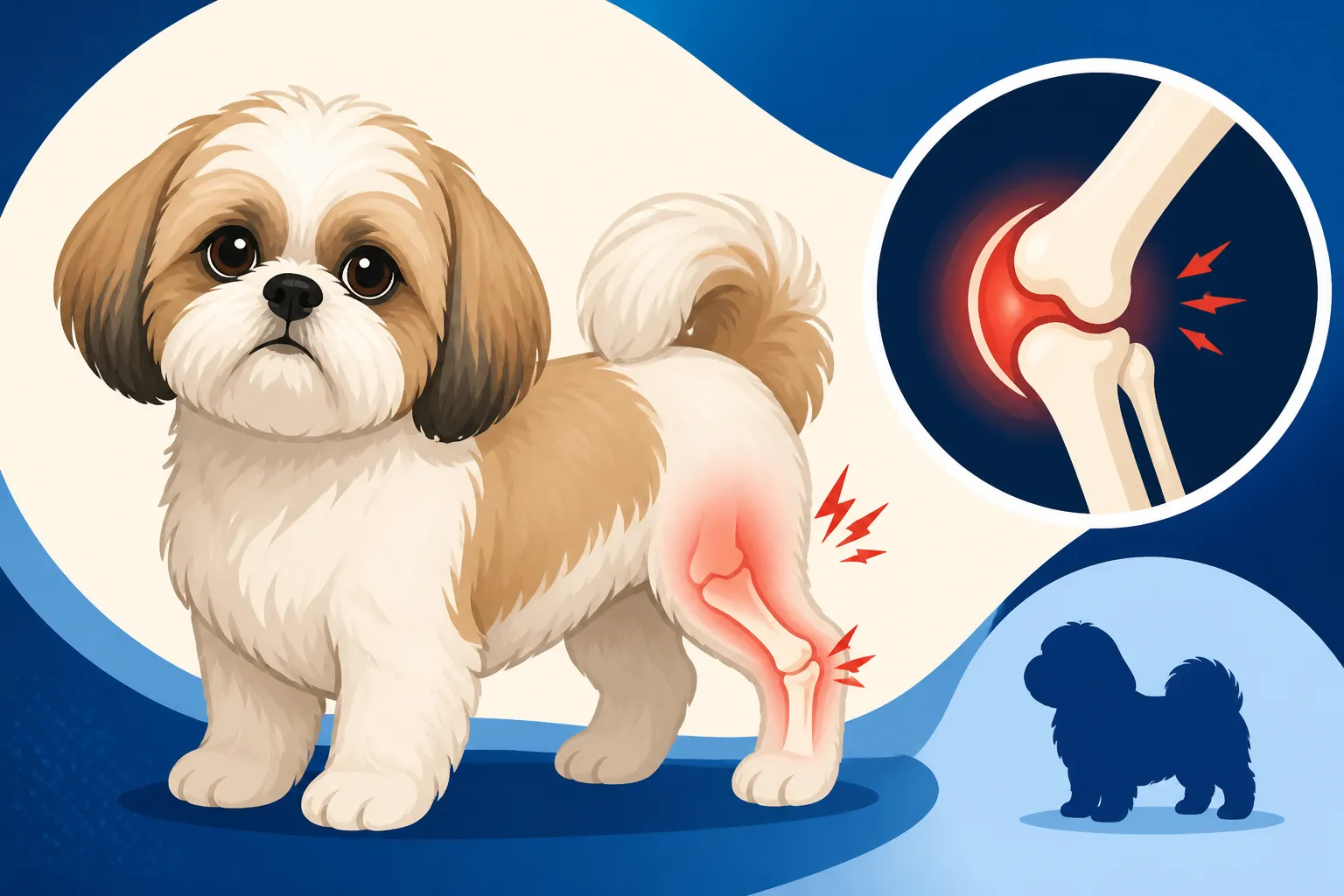
One of the most frequently encountered joint problems in Shih Tzus is patellar luxation, a condition that can sound quite intimidating but essentially means their kneecap (patella) slips out of its normal groove. If you've ever seen your Shih Tzu suddenly skip a step, hold a hind leg up for a few moments, and then act as if nothing happened, you've likely witnessed the tell-tale sign of a luxating patella. It’s a common frustration for owners who just want to see their little ones run and play without interruption.
How a Kneecap Slips and What It Means
The patella normally sits in a groove at the end of the femur (thigh bone), gliding smoothly as the knee bends and straightens. In patellar luxation, this kneecap can slip either to the inside (medial luxation, most common in small breeds) or to the outside (lateral luxation) of the groove. This displacement can be caused by a shallow femoral groove, a misalignment of the bones in the leg, or loose ligaments. When it slips, it causes a momentary locking of the knee joint, which is why your dog might hold up their leg. Once the kneecap pops back into place (often spontaneously), they’re usually back to normal, at least for a while.
The severity of patellar luxation is graded from 1 to 4. A Grade 1 luxation might involve only occasional slipping with minimal pain, often self-correcting. A Grade 4, however, means the kneecap is permanently dislocated and cannot be manually put back into the groove, leading to chronic lameness and significant discomfort. The constant rubbing of the kneecap against the bone and cartilage can lead to inflammation, pain, and eventually, degenerative joint disease or Shih Tzu Arthritis After the Age of Nine. Even a mild luxation can contribute to ongoing wear and tear on the joint, which is why early detection and management are so important. It's not just about the immediate skip; it's about the long-term health of that joint.
Signs, Symptoms, and Diagnosis
Recognizing the signs of patellar luxation is crucial for early intervention. Beyond the characteristic skipping motion, you might observe your Shih Tzu intermittently limping or showing reluctance to put weight on a hind leg. Some dogs might hold their leg up for a minute or two before gingerly putting it back down. In more severe cases, you might notice a bunny-hopping gait, where they use both hind legs together to avoid putting pressure on an affected limb. Over time, you might also see muscle wasting in the affected leg due to disuse. These subtle changes can be easy to miss, especially in a dog with a long, flowing coat, but they are vital clues.
Diagnosing patellar luxation typically involves a thorough physical examination by your veterinarian. They will gently manipulate your Shih Tzu’s knee joint to feel if the kneecap can be moved out of its groove. The grading of the luxation is determined during this examination. X-rays may also be taken to assess the overall bone structure, identify any arthritic changes, and rule out other orthopedic issues that might be contributing to the lameness. It’s not uncommon for a Shih Tzu to have luxation in both knees, even if symptoms are only apparent in one, so a comprehensive check of both hind limbs is standard practice. Your vet might also discuss A Shih Tzu Kneecap That Slips and Skips in greater detail.
Treatment Options for a Slipping Kneecap
Treatment for patellar luxation depends heavily on its severity and the impact it has on your Shih Tzu’s quality of life. For mild cases (Grade 1-2) with minimal symptoms, conservative management might be recommended. This often includes weight management to reduce stress on the joints, controlled exercise to strengthen surrounding muscles, and joint supplements like glucosamine and chondroitin. Anti-inflammatory medications may be prescribed during painful flare-ups. The goal here is to keep the dog comfortable and slow the progression of arthritis.
However, for more severe cases (Grade 2 that causes consistent pain, or Grade 3-4) where the luxation significantly impacts mobility or causes chronic pain, surgical correction is often the best long-term solution. Surgical options aim to deepen the femoral groove, realign the patellar ligament, or tighten the joint capsule to prevent the kneecap from slipping. Shih Tzu Kneecap Surgery and Recovery can be quite effective, often providing a permanent fix. Recovery typically involves several weeks of restricted activity, pain management, and physical therapy to rebuild strength and range of motion. While surgery can seem daunting, for many Shih Tzus, it offers a dramatic improvement in comfort and mobility, allowing them to enjoy a much higher quality of life. Thinking about the costs of potential surgery is also why many owners consider pet insurance from providers like Healthy Paws early on.
Hip Dysplasia in a Toy Breed
When you hear "hip dysplasia," your mind probably conjures images of large breed dogs like German Shepherds or Labradors. It’s true that hip dysplasia is far more prevalent and often more severe in bigger dogs, but it’s a misconception that toy breeds like the Shih Tzu are immune. While less common than patellar luxation, Shih Tzu Hip Dysplasia at Toy Size can indeed affect these small companions, manifesting in its own unique ways and causing its own set of challenges.
The Misalignment of the Hip Joint
Hip dysplasia is a developmental condition where the hip joint doesn't form correctly. Specifically, the ball (femoral head) and socket (acetabulum) don't fit together snugly, leading to a loose, unstable joint. Over time, this poor fit causes abnormal wear and tear, leading to degeneration of the joint, inflammation, pain, and the development of osteoarthritis. In larger breeds, the sheer weight bearing on the joint can accelerate this degeneration, leading to severe lameness. In Shih Tzus, while their lighter weight might somewhat mitigate the impact, the underlying anatomical flaw still causes significant discomfort and can dramatically reduce their mobility and quality of life.
Unlike in large breeds where severe lameness might be obvious, hip dysplasia in a Shih Tzu can present more subtly. They might experience chronic, low-grade pain, reluctance to jump or play, or difficulty with certain movements. The laxity in the joint can lead to micro-trauma, causing pain and inflammation, and eventually, the body tries to stabilize the joint by laying down new bone, leading to a truly arthritic and stiff hip. It's a progressive disease, meaning it tends to worsen over time, making early diagnosis and management paramount.
Subtle Signs and Diagnostic Steps
Detecting hip dysplasia in a Shih Tzu can be tricky because their small size and sometimes stoic nature can mask discomfort. Owners might notice a general reluctance to engage in physical activity, a stiffness in their gait, or difficulty getting up after resting. They might seem less enthusiastic about walks or refuse to climb stairs. Some Shih Tzus might shift their weight more to their front legs to alleviate pressure on their hips, leading to an altered posture. Unlike the dramatic "bunny hop" of severe patellar luxation, the signs of hip dysplasia are often more generalized and insidious.
Diagnosis typically involves a physical examination by a veterinarian, where they will palpate the hip joints and assess range of motion and pain response. However, the definitive diagnosis often requires X-rays. For a Shih Tzu, specific positioning of the X-rays is necessary to get a clear view of the hip joint's integrity. These images allow the vet to evaluate the shape and depth of the hip socket, the fit of the femoral head, and any signs of degenerative changes or osteoarthritis. In some cases, if breeding is a consideration, a dog might undergo official hip evaluations through organizations like the Orthopedic Foundation for Animals (OFA) or PennHIP, although these are more commonly associated with larger breeds, they are available for small breeds as well.
Managing Hip Dysplasia in Small Dogs
Managing hip dysplasia in a Shih Tzu usually involves a multi-faceted approach, tailored to the individual dog's severity and symptoms. For most Shih Tzus, conservative management is the first line of defense. This includes strict weight control to minimize stress on the joints, regular but gentle exercise to maintain muscle mass without overstraining the hips, and a regimen of joint supplements containing ingredients like glucosamine, chondroitin, and omega-3 fatty acids. Non-steroidal anti-inflammatory drugs (NSAIDs) or other pain relievers may be prescribed to manage pain and inflammation during flare-ups, and a vet may talk about Joint Support for a Shih Tzu Back and Knees.
Physical therapy, including hydrotherapy (swimming) or targeted exercises, can also be incredibly beneficial for strengthening muscles and improving joint mobility. In rare, severe cases where conservative methods fail to provide adequate relief, surgical options may be considered, though these are less common for Shih Tzus due to their size. Procedures like Femoral Head Ostectomy (FHO) remove the problematic femoral head, allowing a "false joint" to form, which can eliminate pain. While the idea of surgery is frightening, for a dog in significant pain, it can be a life-changing intervention. Discussing these options with your vet, and having a good pet insurance plan in place, like one from Healthy Paws, can make navigating these decisions much easier.
Intervertebral Disc Disease (IVDD) and Back Problems
Beyond the legs, a Shih Tzu’s long, adorable back is another area prone to significant orthopedic issues, particularly Intervertebral Disc Disease (IVDD). While all dogs have spinal discs, the unique conformation of breeds like the Shih Tzu makes them especially susceptible to disc degeneration and herniation. This condition can go from a mild discomfort to a sudden, paralyzing emergency, making it one of the most frightening joint-related issues an owner might face.
The Delicate Balance of the Shih Tzu Spine
The Shih Tzu's spine is composed of many vertebrae, separated by intervertebral discs that act as shock absorbers, allowing for flexibility and protecting the spinal cord. In breeds prone to IVDD, these discs can degenerate prematurely. This means the soft, jelly-like center of the disc can harden, and the outer fibrous layer can weaken. When this happens, even a simple jump, a wrong twist, or just the stresses of everyday life can cause a disc to bulge or rupture, pressing on the delicate spinal cord. This pressure is what causes pain, nerve damage, and potentially paralysis.
The "long and low" body structure of the Shih Tzu puts extra strain on their vertebral column. Think of it like a bridge: the longer the span, the more potential stress points there are. Every little bounce or jolt impacts these discs. The severity of symptoms depends on how much pressure is put on the spinal cord and where in the spine the problem occurs. Discs in the neck (cervical spine) can cause neck pain and lameness in the front legs, while discs in the middle to lower back (thoracolumbar spine) typically affect the hind legs and even bladder/bowel control. It’s a truly debilitating condition that can come on with shocking speed.
Spotting the Signs of Back Trouble
The signs of Shih Tzu Disc Disease and Sudden Back Pain can vary wildly depending on the location and severity of the disc herniation. Early indicators might be subtle: a reluctance to jump, hesitation before going up or down stairs, or an unusual stiffness in their gait. Your Shih Tzu might cry out in pain when lifted or when you touch their back. They might spend more time lying down, be less active, or even show changes in temperament due to chronic discomfort, becoming withdrawn or irritable. Many owners report their Shih Tzu A Shih Tzu That Will Not Jump on the Sofa, which is a classic early warning.
As the condition progresses, or in acute herniations, the signs become much more severe. You might notice weakness in their hind legs, an unsteady or drunken gait (ataxia), or even complete paralysis of the hind limbs. Some dogs might drag their back paws, leading to scrapes on their toenails. In the most severe cases, they can lose the ability to control their bladder and bowels. If you see any of these neurological signs, it is an absolute emergency. Prompt veterinary attention is crucial, as the prognosis for recovery often depends on how quickly intervention occurs.
Conservative vs. Surgical Management for IVDD
Treatment for IVDD in Shih Tzus ranges from conservative management for mild cases to emergency surgery for severe ones. Conservative treatment typically involves strict Crate Rest for a Shih Tzu With a Slipped Disc for several weeks, often combined with anti-inflammatory medications, pain relievers, and muscle relaxants. The goal of crate rest is to prevent further damage to the disc and allow inflammation to subside, giving the disc a chance to heal. This can be incredibly challenging for active Shih Tzus, but it is critical for success.
For Shih Tzus with severe pain, significant neurological deficits, or those who don't respond to conservative management, surgery may be recommended. The most common surgical procedure, called a hemilaminectomy, involves carefully removing a portion of the bone over the spinal cord to access and remove the herniated disc material, relieving pressure on the nerves. While spinal surgery is a major undertaking, Whether a Shih Tzu Walks Again After Disc Surgery often provides an excellent prognosis, especially when performed early. Post-operative care involves extensive physical therapy, slings for support, and a long recovery period. Many owners find that investing in ramps for furniture, like Ramps for a Shih Tzu With a Long Spine, and reducing stair use can significantly reduce the risk of future IVDD episodes.
Arthritis: The Inevitable Age-Related Joint Wear
Just like humans, as our beloved Shih Tzus age, their joints naturally experience wear and tear. This progressive condition, known as osteoarthritis or degenerative joint disease, is a common reality for many senior dogs, and Shih Tzus are certainly no exception. While not an acute emergency like a sudden disc herniation, arthritis can profoundly impact a Shih Tzu's comfort and mobility over time, gradually diminishing their joy in movement.
The Slow, Relentless Progression of Joint Degeneration
Arthritis occurs when the protective cartilage cushioning the ends of bones in a joint begins to break down. Without this smooth, shock-absorbing layer, bones rub directly against each other, leading to pain, inflammation, stiffness, and reduced range of motion. The body tries to compensate by growing new bone (bone spurs) around the joint, which further restricts movement and increases discomfort. This process is slow and cumulative, often starting subtly and worsening gradually over months or even years.
While arthritis is often associated with old age, it can be accelerated or exacerbated by previous joint injuries, conditions like patellar luxation or hip dysplasia, or even obesity. A younger Shih Tzu who has had a knee surgery for a luxating patella, for instance, is more likely to develop arthritis in that joint earlier in life. Their small size means that even minor arthritic changes can have a significant impact on their ability to move comfortably. It’s a cruel irony that the very joints that brought them so much joy in youth become sources of chronic pain in their golden years.
Recognizing Subtle Arthritic Pain in Seniors
Recognizing arthritis in a senior Shih Tzu can be challenging because the changes are often gradual. Owners might mistakenly attribute their dog's slowing down to "just old age." However, a Shih Tzu who is suddenly reluctant to go for walks, struggles to get up after lying down, or shows stiffness, especially in the mornings or after naps, is likely experiencing arthritic pain. They might limp slightly, be less enthusiastic about playing, or even become irritable or withdrawn because of chronic discomfort. You might notice they are no longer able to jump onto furniture or seem less interested in engaging with the family. These subtle shifts, though heartbreaking to observe, are crucial indicators that your senior Shih Tzu needs a veterinary assessment.
Your vet will conduct a thorough physical examination, assessing your Shih Tzu’s gait, palpating their joints for pain, swelling, and reduced range of motion. X-rays are typically used to confirm the diagnosis, showing characteristic changes like joint space narrowing, bone spurs, and increased bone density around the affected joints. It’s important to remember that the severity of arthritic changes on an X-ray doesn't always directly correlate with the degree of pain your dog is experiencing; some dogs with severe X-ray findings might be quite comfortable, while others with mild changes can be in significant discomfort.
Comprehensive Management for Arthritic Comfort
Managing arthritis in a Shih Tzu focuses on alleviating pain, reducing inflammation, slowing the progression of joint degeneration, and maintaining the best possible quality of life. This usually involves a multi-modal approach:
- Weight Management: Keeping your Shih Tzu at a healthy weight is paramount. Even a pound or two of excess weight puts tremendous strain on already compromised joints. Your vet can help you determine an ideal weight and diet plan, often discussing Feeding a Shih Tzu Past the Age of Ten.
- Medication: Non-steroidal anti-inflammatory drugs (NSAIDs) are commonly prescribed to reduce pain and inflammation. Other pain medications, like gabapentin or tramadol, may be used in conjunction with NSAIDs or for dogs who cannot tolerate them.
- Joint Supplements: Glucosamine, chondroitin, MSM, and omega-3 fatty acids are widely used supplements that can help support cartilage health and reduce inflammation.
- Physical Therapy: Gentle, low-impact exercise, such as short walks on soft surfaces or hydrotherapy, can help maintain muscle mass and joint flexibility. Shih Tzu Mobility Decline in Old Age can be significantly slowed with consistent, appropriate exercise.
- Environmental Modifications: Making your home more arthritic-friendly is key. This includes providing orthopedic beds, using ramps or steps to access furniture, ensuring non-slip flooring, and keeping food/water bowls easily accessible.
- Alternative Therapies: Acupuncture, laser therapy, and massage can offer additional pain relief for some dogs.
The goal is to create a comfortable, pain-free existence for your aging companion, allowing them to enjoy their golden years with dignity and as much mobility as possible. Pet insurance providers, such as Healthy Paws, can be incredibly helpful in covering the ongoing costs of these long-term arthritis management strategies.
Diagnosing Joint Issues: What to Expect at the Vet
When you suspect your Shih Tzu might be experiencing joint pain or mobility issues, that first trip to the vet can feel a bit overwhelming. You're worried, you want answers, and you want your little one to feel better. Understanding the diagnostic process can help ease some of that anxiety and prepare you for what to expect. Your veterinarian will be your primary partner in unraveling the mystery behind your Shih Tzu's discomfort.
The Initial Examination and History Gathering
Your vet visit will always start with a thorough discussion about your Shih Tzu’s medical history and the specific symptoms you've observed. This "history taking" is incredibly important. Be prepared to answer questions about:
- When did you first notice the symptoms? Was it sudden or gradual?
- What exactly are you observing? Limping, skipping, crying out, reluctance to move, changes in gait, difficulty with stairs or jumping?
- Is it consistent or intermittent? Does it happen at specific times, like after rest?
- Has there been any trauma or injury?
- What is your Shih Tzu's general activity level, appetite, and bathroom habits?
- Are they on any medications or supplements?
- What is their weight, and have there been any recent changes?
After the history, your vet will perform a complete physical examination, observing your Shih Tzu’s posture and gait, both walking and sometimes trotting. They will then gently palpate (feel) all the limbs and joints, checking for swelling, heat, pain, and range of motion. For example, to assess for patellar luxation, they’ll manipulate the kneecap. For hip issues, they might perform specific orthopedic tests to check for joint laxity or pain. They'll also check their back, feeling along the spine for any tenderness, stiffness, or muscle spasms. This hands-on exam provides a wealth of information about where the pain might be originating.
Advanced Diagnostics: X-rays and Beyond
While the physical exam can provide strong clues, many joint conditions require further diagnostic imaging for a definitive diagnosis and to assess severity.
-
Radiographs (X-rays): These are the most common and invaluable tools for diagnosing orthopedic issues. X-rays allow your vet to visualize the bones and joints, revealing issues like:
- Arthritic changes: Bone spurs, joint space narrowing, increased bone density.
- Hip dysplasia: Abnormal hip joint formation.
- Patellar luxation: Alignment issues of the kneecap and femoral groove.
- IVDD: Changes in disc space, spinal alignment, or calcified disc material.
- Fractures or dislocations: Though hopefully not the case!
For accurate X-rays, especially of the hips and spine, your Shih Tzu will likely need to be sedated or anesthetized. This ensures they remain perfectly still and can be positioned correctly, which is crucial for obtaining diagnostic quality images. This can sound scary, but it’s a standard and safe procedure, especially when proper pre-anesthetic blood work is done. It’s also wise to consider the Shih Tzu Anesthesia Risk From a Flat Face and discuss any concerns with your vet.
-
Blood Work: While not directly diagnostic for joint issues, blood tests are essential for a complete health picture. They can rule out underlying systemic diseases that might cause lameness (e.g., tick-borne diseases, certain cancers), assess organ function before anesthesia, and help guide the choice of medications.
-
Advanced Imaging (MRI/CT): In some complex cases, particularly for suspected IVDD where nerve compression needs to be precisely located, or if surgery is being considered, your vet might recommend advanced imaging like an MRI (Magnetic Resonance Imaging) or CT (Computed Tomography) scan. These provide much more detailed images of soft tissues (discs, spinal cord) and intricate bone structures than traditional X-rays. These procedures are typically done at specialty veterinary hospitals and can be quite costly, again highlighting the value of pet insurance from a company like Healthy Paws.
-
Joint Fluid Analysis: In some cases, if an infection or inflammatory joint disease (not common in Shih Tzus for these issues, but possible) is suspected, your vet might collect a sample of fluid from the joint for analysis.
By combining a thorough history, physical examination, and appropriate diagnostic imaging, your vet can accurately diagnose the problem, explain the findings, and develop the most effective treatment plan for your Shih Tzu.
Managing Joint Pain: Conservative and Surgical Approaches
Once your Shih Tzu has received a diagnosis for their joint issue, the next step is to embark on a treatment plan. This can feel like a daunting journey, especially if surgery is on the table, but remember that many options exist to alleviate pain and improve their quality of life. The approach your vet recommends will depend on the specific condition, its severity, your Shih Tzu's age and overall health, and your family's circumstances.
Non-Surgical Strategies for Comfort and Mobility
For many Shih Tzus with mild to moderate joint problems, or as a foundational approach alongside surgery, conservative management plays a vital role. The goal here is to reduce pain, slow disease progression, and maintain as much mobility as possible without invasive procedures.
-
Medication Management:
- NSAIDs (Non-Steroidal Anti-Inflammatory Drugs): These are commonly prescribed to reduce pain and inflammation. Medications like carprofen (Rimadyl), meloxicam (Metacam), or firocoxib (Previcox) are examples. It’s crucial to use only vet-prescribed NSAIDs, as human versions can be toxic to dogs. Regular monitoring, including blood work, may be needed, especially for long-term use.
- Pain Relievers: Other drugs like gabapentin (for nerve pain) or tramadol can be used alone or in conjunction with NSAIDs to provide additional pain relief, particularly for chronic conditions or during acute flare-ups.
- Corticosteroids: These are powerful anti-inflammatory drugs, often used for short periods in severe cases, particularly for IVDD. However, they have more side effects and are usually reserved for specific situations.
- Muscle Relaxants: For conditions like IVDD where muscle spasms contribute to pain, muscle relaxants can provide relief.
-
Weight Management: This cannot be stressed enough. Every extra pound on a small Shih Tzu puts disproportionate stress on their joints. Working with your vet to achieve and maintain an ideal body weight is one of the most impactful things you can do to manage joint pain. This often involves a specific diet plan and controlled calorie intake, as discussed in Shih Tzu Obesity on a Sixteen Pound Frame.
-
Joint Supplements: Products containing glucosamine, chondroitin sulfate, and MSM help support cartilage health and reduce inflammation. Omega-3 fatty acids (like those found in fish oil) are also excellent natural anti-inflammatories. While supplements won't cure joint disease, they can significantly improve comfort and slow progression. Always choose high-quality, veterinary-grade supplements.
-
Controlled Exercise and Physical Therapy: While rest is essential during acute phases of injury or IVDD, appropriate, controlled exercise is vital for strengthening muscles that support the joints and maintaining flexibility. This could include short, leashed walks on soft surfaces, gentle range-of-motion exercises, or even hydrotherapy (swimming or underwater treadmill), which offers low-impact exercise. A certified canine rehabilitation therapist can develop a tailored program for your Shih Tzu.
-
Environmental Modifications: Make your home joint-friendly! Provide orthopedic beds, use ramps or steps so your Shih Tzu doesn't jump off furniture, cover slippery floors with rugs, and use elevated food and water bowls if neck or back pain is an issue.
Surgical Interventions: When and Why
When conservative management isn't enough, or for severe conditions that will only worsen without intervention, surgery becomes the best path forward. While the thought of surgery for your small Shih Tzu can be terrifying, advances in veterinary medicine mean these procedures are often very successful.
- Patellar Luxation Surgery: As mentioned, surgery for luxating patellas typically involves deepening the trochlear groove (where the kneecap sits), realigning the patellar ligament, and sometimes tightening the joint capsule. The goal is to ensure the kneecap stays in place, eliminating the painful slipping. What One Shih Tzu Knee Costs to Repair can be significant, but the long-term benefit for your dog's quality of life is immense.
- IVDD Surgery (Hemilaminectomy): For severe disc herniations causing significant pain or neurological deficits, surgery is often performed to remove the herniated disc material that is compressing the spinal cord. This procedure aims to decompress the spinal cord, relieve pain, and restore nerve function. The success rate is high, especially when performed promptly. Recovery is intensive, requiring significant post-operative care and rehabilitation.
- Femoral Head Ostectomy (FHO) for Hip Dysplasia: In cases of severe hip dysplasia that don't respond to conservative management, an FHO involves removing the head of the femur (the "ball" of the ball-and-socket joint). The body then forms a "false joint" of scar tissue, which, while not a true joint, eliminates bone-on-bone rubbing and associated pain. While the affected leg might be slightly shorter, most dogs adapt remarkably well and become pain-free.
Surgical recovery is a significant commitment. It often involves strict crate rest, pain management, physical therapy, and careful monitoring for several weeks or even months. The financial aspect of surgery and rehabilitation can also be substantial, which is where having comprehensive pet insurance, like a plan from Healthy Paws, can be an absolute lifesaver, allowing you to focus on your Shih Tzu's recovery rather than the bill.
Preventative Care and Lifestyle Adjustments
When it comes to Shih Tzu joint health, prevention and proactive management are truly worth a pound of cure. While you can't eliminate all genetic predispositions, you can significantly reduce the risk and impact of joint problems through mindful care and strategic lifestyle adjustments. It’s about creating an environment and routine that supports their unique toy frame.
Nurturing a Healthy Lifestyle from Puppyhood
Building good habits from a young age can lay a strong foundation for lifelong joint health.
- Proper Nutrition and Weight Management: This is perhaps the single most critical preventative measure. From puppyhood, ensure your Shih Tzu is eating a high-quality, balanced diet appropriate for their age and activity level. Avoid overfeeding and resist the urge to give too many high-calorie treats. Obesity is a major risk factor for all joint problems, putting undue stress on hips, knees, and the spine. Regularly monitor your Shih Tzu's weight and body condition score with your vet. A lean, healthy weight can significantly reduce the strain on their delicate joints. You can also refer to Daily Calories for a Twelve Pound Shih Tzu to better manage their intake.
- Controlled Exercise: While exercise is good, inappropriate exercise can be detrimental. For Shih Tzus, high-impact activities like jumping repeatedly, running long distances on hard surfaces, or strenuous agility are generally not recommended. Instead, focus on short, regular walks on soft ground, gentle indoor play, and puzzle toys. Discourage jumping off furniture or down stairs by providing dog ramps or steps. If you have an active puppy, manage their playtime to avoid overexertion or accidental injury.
- Safe Handling: Always support your Shih Tzu's back and hindquarters when picking them up. Avoid quick twists or drops. Teach children how to properly interact with a small dog to prevent rough play that could lead to injury. Rough Play That Puts a Shih Tzu Eye at Risk can also put their joints at risk.
- Regular Veterinary Check-ups: Routine vet visits allow your veterinarian to monitor your Shih Tzu’s overall health, including their joint condition. Early detection of issues like patellar luxation or early signs of arthritis allows for proactive management before the condition becomes severe. Your vet can also advise on appropriate preventative supplements or dietary changes.
Environmental Modifications for Joint Protection
Making your home a safe haven for your Shih Tzu's joints can make a world of difference, especially as they age or if they have a known predisposition to certain conditions.
- Ramps and Steps: Invest in dog ramps or pet stairs for accessing furniture (sofas, beds) that your Shih Tzu frequents. This eliminates the high-impact stress of jumping up and down, which is particularly hard on their knees, hips, and spine. This is a crucial step for preventing conditions like IVDD or worsening existing ones.
- Non-Slip Flooring: Hardwood, tile, and laminate floors can be very slippery for small dogs, leading to slips, falls, and unnecessary strain on joints. Use rugs, runners, or carpet mats in high-traffic areas to provide traction. This is especially important for senior dogs or those with known joint instability.
- Orthopedic Beds: Provide a comfortable, supportive orthopedic bed that cradles their body and relieves pressure on joints. Memory foam beds are excellent choices, offering warmth and cushioning.
- Climate Control: Extreme cold and damp weather can exacerbate arthritic pain. Ensure your Shih Tzu has a warm, dry place to rest, especially in colder months. If they spend time outdoors in winter, consider a dog sweater or coat. Conversely, in warm weather, remember that Why a Shih Tzu Overheats So Easily, which can impact their overall well-being and willingness to move.
- Grooming and Nail Care: Regular grooming is not just for looks; it prevents mats that can pull on skin and restrict movement. Keeping their nails trimmed short and clearing hair from between their paw pads improves traction and balance, reducing the risk of slips and falls. This often gets overlooked but can significantly help with their gait.
By consistently applying these preventative measures and making thoughtful lifestyle adjustments, you can help safeguard your Shih Tzu’s joint health, keeping them comfortable, mobile, and joyful for as many years as possible. It’s about being their advocate and their protector, ensuring their little frames are supported and cherished.
Common Joint Conditions in Shih Tzus: A Quick Reference
Understanding the nuances of each joint condition can be a lot, especially when you're trying to absorb a lot of information at once. To help consolidate the key points, here’s a quick reference table summarizing the most common joint issues we’ve discussed that can affect our beloved Shih Tzus. This table is designed to give you a clear, concise overview, making it easier to identify potential concerns and discuss them confidently with your veterinarian.
| Condition | Common Affected Area | Key Symptoms | Typical Onset Age | Primary Treatment Approaches | Key Preventative Measures |
|---|---|---|---|---|---|
| Patellar Luxation | Kneecap (hind legs) | Skipping gait, holding leg up, intermittent limping | Puppyhood – Young Adult | Conservative (weight, supplements) or Surgical (realignment) | Weight management, discourage jumping, controlled exercise |
| Hip Dysplasia | Hip joint | Reluctance to move, stiffness, difficulty rising, pain | Young Adult – Senior | Conservative (weight, supplements, pain meds, PT) or Surgical (FHO) | Responsible breeding, weight management, controlled exercise |
| IVDD | Spinal discs (neck/back) | Back pain, yelping, hind leg weakness, paralysis, incontinence | Young Adult – Senior | Conservative (strict crate rest, meds) or Surgical (disc removal) | Discourage jumping, use ramps, harness not collar |
| Osteoarthritis | Any joint | Stiffness (especially after rest), limping, reduced activity, pain | Senior | Multi-modal (weight, meds, supplements, PT, environment mods) | Maintain healthy weight, appropriate exercise, joint support |
Beyond the Immediate: Long-Term Well-being and Support
Caring for a Shih Tzu with joint problems is often a long-term commitment, extending far beyond the initial diagnosis and treatment. It requires patience, adaptability, and a deep understanding that their needs will evolve over time. As their primary caregiver, you become their advocate, their physical therapist, and their comfort provider, ensuring their continued well-being.
Adapting to a Changing Landscape
Life with a Shih Tzu experiencing chronic joint issues means a constant state of assessment and adaptation. Their good days might be followed by bad ones, and it's essential to be attuned to these fluctuations. This might involve:
- Regular Vet Check-ups: These become even more critical. Your vet will monitor their pain levels, assess the effectiveness of current treatments, and make adjustments as needed. They might recommend new medications, supplements, or physical therapy modalities as the condition progresses or new symptoms arise.
- Pain Management Adjustments: Chronic pain often requires a flexible approach. What works today might need tweaking tomorrow. Your vet may suggest a combination of medications, adjusting dosages, or rotating different types of pain relievers to keep your Shih Tzu comfortable and to minimize side effects. Don't hesitate to communicate any changes you observe in your dog's pain level or behavior.
- Ongoing Physical Therapy: For many joint conditions, especially post-surgery or for managing arthritis, consistent physical therapy or home exercises are vital. This could involve specific stretches, gentle massage, or low-impact activities prescribed by a canine rehabilitation specialist. This not only maintains mobility but also strengthens supporting muscles, which in turn protects the joints.
- Home Environment Evolution: As your Shih Tzu ages or their condition progresses, you might need to make further modifications to your home. This could mean more ramps, softer bedding, or even a different type of food bowl that is easier on their neck. The goal is always to make their daily life as comfortable and accessible as possible. For more insights on caring for an older dog, you might find Senior Shih Tzu Care Past the Age of Ten particularly helpful.
The Emotional Toll and How to Cope
It's important to acknowledge that witnessing your beloved Shih Tzu in pain or struggling with mobility can take a significant emotional toll on you, the owner. You might feel guilt, sadness, frustration, or helplessness. These feelings are completely normal and valid.
- Seek Support: Talk to your veterinarian, friends who have gone through similar experiences, or online communities dedicated to Shih Tzu owners or pet parents with special needs. Sharing your feelings and experiences can be incredibly cathartic and provide valuable coping strategies.
- Focus on Quality of Life: While it's natural to want to cure the problem, for many chronic joint conditions, the focus shifts to maximizing their quality of life. This means ensuring they are as pain-free as possible, can still enjoy their favorite activities (even if modified), and feel loved and secure. Keep a journal of their good days and bad days to help you objectively assess their overall well-being.
- Celebrate Small Victories: Did your Shih Tzu manage to jump onto their ramp without hesitation today? Did they wag their tail enthusiastically on their short walk? Celebrate these small wins. They remind you of the joy and resilience your companion still possesses and the positive impact of your care.
- Financial Planning: The long-term costs associated with chronic joint care – medications, supplements, physical therapy, special diets, and vet visits – can add up. Planning ahead, and potentially having a robust pet insurance policy from a company like Healthy Paws, can alleviate some of the financial stress, allowing you to prioritize your Shih Tzu’s health without undue burden. It's an investment in their comfort and your peace of mind.
Ultimately, caring for a Shih Tzu with joint problems is a journey of love, commitment, and learning. By staying informed, working closely with your vet, and adapting your care as needed, you can ensure your precious companion enjoys the best possible quality of life, cherishing every moment you have together, even with their little physical quirks.
Disclaimer
This article is intended for informational purposes only and does not constitute veterinary advice. Always consult with a qualified veterinarian for any health concerns or before making any decisions about your Shih Tzu's medical care.