How Slowly a Shih Tzu Should Lose Weight
It’s incredibly common for those adorable, fluffy Shih Tzus to pack on a few extra pounds, and as loving owners, we often don't even realize it until it becomes a real health concern. Seeing your little companion struggle with stairs or pant more than usual can be heartbreaking, and figuring out the right way to help them shed weight without causing more stress is a genuine challenge. This comprehensive guide will walk you through how to safely and effectively help your Shih Tzu lose weight, emphasizing a slow, steady, and sustainable approach for their unique needs.
Understanding Shih Tzu Weight Gain and Its Risks
It’s easy to look at our furry little companions and think a few extra treats or a slightly larger portion won't hurt, especially when they give us those soulful, pleading eyes. But for a tiny breed like the Shih Tzu, even a couple of extra pounds can have a profound impact on their health and overall quality of life. Understanding why they gain weight and the specific risks they face is the first step toward helping them live their best, healthiest life.
Why Those Extra Pounds Creep Up on a Shih Tzu
Let’s be honest, Shih Tzus are masters of looking perpetually hungry. Their small stature makes it incredibly easy for them to become overweight without us even realizing it. Think about it: a single extra biscuit for a 12-pound Shih Tzu is proportionally far more significant than that same biscuit for a 60-pound Labrador. It’s like us having an extra slice of cake every day. It might not seem like much in the moment, but it quickly adds up. Many owners are also incredibly generous with treats, table scraps, or simply overfilling the bowl, not fully appreciating just how few calories a small, relatively low-energy dog actually needs to thrive.
Another factor is the breed's naturally lower exercise drive compared to more active dogs. While they love a good romp, many Shih Tzus are content with shorter walks and plenty of couch time, which means fewer calories are burned naturally. Plus, their glorious, flowing double coat can often hide weight gain for a long time. You might not notice the subtle thickening around their middle until they're already significantly heavier than they should be, making it harder to feel their ribs or see a defined waistline. It really does creep up on them, and on us. What Two Extra Pounds Do to a Shih Tzu might sound minor, but for these little dogs, it's a huge burden.
The Hidden Dangers of Shih Tzu Obesity
Beyond just looking a little pudgy, obesity carries a host of serious health risks for Shih Tzus. Their unique physical characteristics, while endearing, make them particularly vulnerable to weight-related complications.
First and foremost, those extra pounds put immense strain on their delicate joints and long spines. Shih Tzus are already prone to issues like Patellar Luxation in a Shih Tzu, where the kneecap slips out of place, and Shih Tzu Hip Dysplasia at Toy Size. Carrying excess weight exacerbates these conditions, leading to increased pain, inflammation, and an accelerated breakdown of cartilage. Imagine walking around all day with a heavy backpack – now imagine your knees and hips were already a bit wobbly to begin with. It's a recipe for discomfort and early arthritis.
Then there's the elephant in the room – or rather, the extra fat around the airway. Shih Tzus are a brachycephalic breed, meaning they have those adorable flat faces. This comes with inherent breathing challenges, such as Brachycephalic Breathing in a Shih Tzu. Obesity compounds these issues by adding fat deposits around the throat and chest, narrowing already compromised airways. This makes them pant more, struggle to cool down in warm weather, and generally makes breathing a constant effort, sometimes leading to The Snoring That Means a Shih Tzu Airway Problem. This chronic strain can also put stress on their cardiovascular system, increasing the risk of conditions like Shih Tzu Heart Murmurs and Valve Disease.
Furthermore, obesity can lead to a host of other problems, from increased risk during anesthesia for necessary procedures (like a dental cleaning, which is already a concern for this breed as discussed in Anesthesia on a Flat-Faced Shih Tzu) to a higher incidence of diabetes and certain cancers. It can also make it harder for them to groom themselves, potentially leading to skin infections hidden under their coat. And don't forget dental health; while not directly caused by obesity, dogs with reduced mobility or energy from excess weight may have less access to appropriate chews or simply not tolerate dental care as well, contributing to issues like How Dental Disease Weakens a Shih Tzu Jaw. Ultimately, carrying extra weight significantly shortens their lifespan and diminishes their overall quality of life, which is something no loving Shih Tzu owner wants for their cherished companion.
Setting Realistic Weight Loss Goals for Your Shih Tzu
Embarking on a weight loss journey for your Shih Tzu is a commitment to their long-term health, but it's crucial to approach it with patience and realistic expectations. This isn't about crash dieting or drastic changes; it's about making sustainable adjustments that will benefit them for years to come.
Why "Slow and Steady" Wins the Race for Shih Tzus
When it comes to canine weight loss, especially for small breeds like the Shih Tzu, rapid weight loss is absolutely not the goal. In fact, it can be dangerous. Just like in humans, losing weight too quickly can lead to a host of problems, including muscle loss instead of fat loss, and nutrient deficiencies. For tiny dogs, their metabolism is already quite unique, and drastic changes can throw their system into disarray.
Imagine your Shih Tzu's body as a finely tuned engine. If you suddenly cut its fuel too much, it won't just run more efficiently; it might sputter, stall, or even start consuming its own valuable engine parts (muscle, in this case). When dogs lose weight too quickly, their bodies can enter a "starvation mode," making future weight loss even harder. They might also lose crucial muscle mass, which is vital for supporting their joints and maintaining overall strength, especially important for a breed prone to musculoskeletal issues. Furthermore, rapid weight loss can sometimes lead to a serious liver condition called hepatic lipidosis, particularly in overweight cats, but it's a cautionary tale about extreme calorie restriction in any small animal. The aim is a gradual, consistent reduction in body fat while maintaining muscle mass, ensuring your Shih Tzu feels good and stays healthy throughout the process.
Calculating an Ideal Weight and Target Loss
The first and most important step is to consult your veterinarian. They are your best resource for determining your Shih Tzu's ideal body weight and a safe, effective weight loss target. Every dog is an individual, and while breed standards give a general range (often 9-16 pounds for a Shih Tzu), what's healthy for one might not be for another. Your vet will perform a thorough examination, including feeling their ribs, spine, and waistline, to assess their Body Condition Score (BCS).
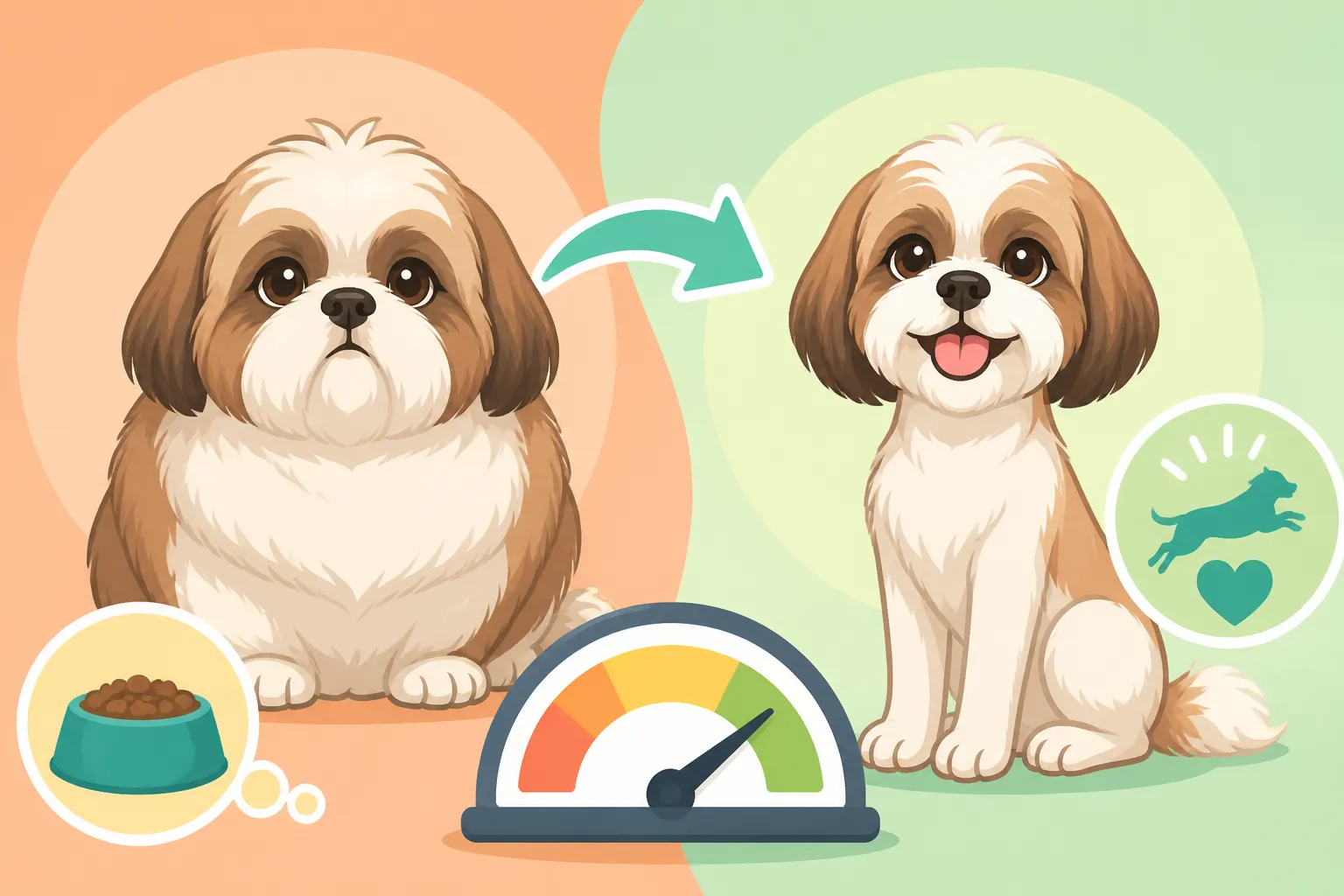
A BCS is a scale, usually from 1 to 9 (with 5 being ideal), that helps objectively assess a dog's fat stores. An ideal Shih Tzu should have a noticeable waist when viewed from above, and when you gently run your hands along their sides, you should be able to feel their ribs without pressing hard, much like described in Finding Shih Tzu Ribs Under All That Hair. If you can't easily feel them, or if their tummy sags, they're likely overweight.
Once the vet has determined their current weight and ideal target, they can help you establish a realistic goal. A general guideline for safe weight loss in dogs is typically 1-2% of their total body weight per week. For a Shih Tzu, this translates to a very small amount. For example, if your Shih Tzu weighs 15 pounds and needs to lose 3 pounds to reach their ideal of 12 pounds, a 1-2% weekly loss would be between 0.15 to 0.3 pounds per week. This means it could take 10-20 weeks (or more) to reach their goal, and that's perfectly okay! Patience is key.
Here’s a simplified table illustrating BCS:
| Body Condition Score (BCS) | Description | Key Indicators for Shih Tzu |
|---|---|---|
| 1 (Emaciated) | Ribs, spine, pelvic bones easily visible from a distance; no discernible body fat. | Extremely rare, usually severe illness. |
| 3 (Thin) | Ribs easily palpable; waist easily noted; minimal fat covering. | Ribs very easy to feel, waist very obvious. |
| 5 (Ideal) | Ribs palpable without excess fat covering; waist observed behind ribs; abdominal tuck evident. | Ribs felt with gentle pressure; clear waist from above; tummy tucked up. |
| 7 (Overweight) | Ribs palpable with difficulty; fat deposits over lumbar area and tail base; waist absent or barely visible. | Hard to feel ribs; no visible waist; some abdominal sag. |
| 9 (Obese) | Massive fat deposits over chest, spine, and tail base; waist absent; abdominal distension. | Ribs impossible to feel; heavy fat deposits; round, sagging belly. |
Your vet will help calculate the exact daily caloric intake needed to achieve this slow, steady loss. This often involves reducing their current intake by about 10-20% initially, then adjusting as needed. This gradual approach minimizes stress on their system and sets them up for long-term success.
Crafting a Safe and Effective Weight Loss Plan
Once you have your vet's guidance and a clear goal in mind, it's time to put a practical plan into action. This isn't just about cutting back; it's about making smart, sustainable choices in both diet and activity that honor your Shih Tzu's unique needs.
Dietary Adjustments: What and How Much to Feed
This is often the most impactful part of any weight loss plan. It’s not just about what you feed, but critically, how much.
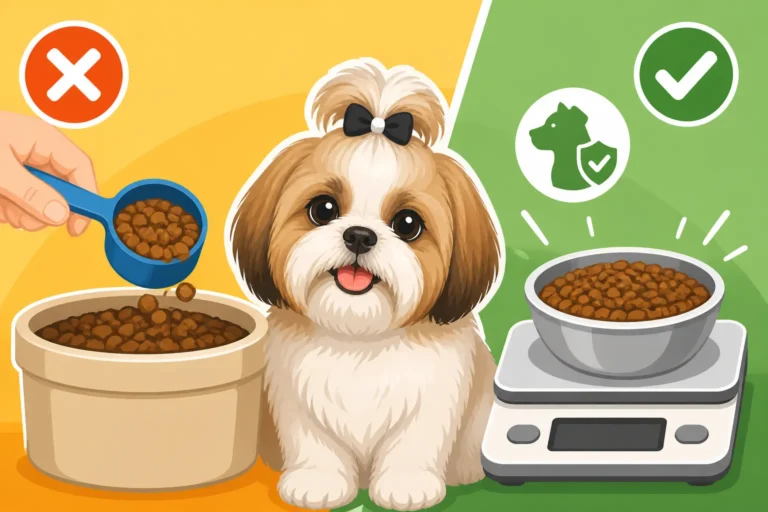
Portion Control is Paramount: For a small Shih Tzu, even an extra tablespoon of kibble a day can contribute to weight gain over time. The biggest mistake many owners make is "eyeballing" portions or following bag recommendations too loosely. Kibble bags provide general guidelines, but your dog's specific metabolism, activity level, and weight loss goal might require less.
- Weigh, Don't Scoop: Invest in a small digital kitchen scale. Measuring food by weight (grams or ounces) is far more accurate and consistent than using a scoop, which can vary wildly with how tightly packed the kibble is. Your vet will give you a target caloric intake, and you can then measure out the exact amount of food to meet that. This discipline is covered in more detail in Weighing Shih Tzu Food Instead of Scooping.
- Choose the Right Food: Your vet might recommend a specific "weight management" or "prescription diet" food. These foods are typically lower in calories and fat, but higher in fiber and sometimes protein, to help your dog feel full and maintain muscle mass while reducing overall caloric intake. If you're not going with a prescription diet, look for high-quality, whole-ingredient foods. Many excellent options can be found on platforms like Chewy or Amazon. Some owners also explore fresh food options, which can be easier to portion precisely and often have fewer fillers, from services like Ollie. Always introduce new foods gradually over 7-10 days to avoid stomach upset.
- Treat Smart, Not Often: Treats are often hidden calorie bombs. If your Shih Tzu is on a weight loss plan, treats should be significantly reduced or replaced with healthier, low-calorie alternatives.
- Healthy Swaps: Instead of commercial biscuits, offer small pieces of plain cooked chicken breast (no skin or bones), green beans, baby carrots, or apple slices (no seeds). Always check with your vet for safe fruit and vegetable options.
- Training Treats: If you use treats for training, break them into tiny, pea-sized pieces. Remember, the dog doesn't care about the size; they care about the reward. Treats Small Enough for a Shih Tzu Session is a great philosophy to adopt.
- Account for Calories: Any treat given must be factored into their daily caloric allowance. If you give a treat, take a tiny bit of kibble out of their next meal.
- No Table Scraps: This is a hard one, but crucial. Table scraps are often high in fat, sugar, and sodium, and many human foods are toxic to dogs. Even a tiny bite of cheese or a piece of fatty meat can derail a Shih Tzu's diet for the entire day.
- Multiple Small Meals: Instead of one or two large meals, consider splitting their daily food allowance into three or four smaller meals. This can help keep them feeling fuller throughout the day and regulate their blood sugar. This strategy is also helpful when you are Trimming a Shih Tzu Ration While Keeping Meals because it makes them feel like they're still getting plenty of food, just spaced out.
Gentle Exercise for a Brachycephalic Breed
Exercise is vital for burning calories, building muscle, and boosting metabolism. However, for a brachycephalic breed like the Shih Tzu, exercise needs to be approached with caution and intelligence.
- Short, Frequent Walks: Long, strenuous walks are usually not suitable for Shih Tzus due to their breathing challenges and potential for overheating. Instead, aim for multiple short, gentle walks throughout the day. Think two to three 10-15 minute walks rather than one 30-minute power walk. The goal is consistent, low-impact movement. The Short Walks a Shih Tzu Is Built For are more effective than trying to push them too hard.
- Mind the Weather: Shih Tzus are highly susceptible to overheating, especially when exercising. Avoid walks during the hottest parts of the day in summer or when humidity is high. Early mornings and late evenings are often best. Always carry water for them and be vigilant for signs of heat stress like excessive panting, drooling, or lethargy. Why a Shih Tzu Overheats So Easily is a critical piece of knowledge for any Shih Tzu owner.
- Indoor Play is Your Friend: On hot, cold, or rainy days, indoor play can provide excellent exercise. Engage them with puzzle toys (like those found on Amazon that dispense kibble, making them "work" for their food), fetch games down a hallway, or gentle tug-of-war. Interactive play not only burns calories but also provides mental stimulation. Indoor Play for a Shih Tzu is a fantastic way to keep them active and engaged regardless of outdoor conditions.
- Stair Safety: While stairs can be good exercise, be mindful of your Shih Tzu's back. Their long backs are prone to disc issues, so excessive jumping up and down stairs should be limited, especially if they are carrying extra weight. Consider ramps for furniture they like to jump on and off of.
- Consult Your Vet: Before increasing any exercise regimen, especially if your Shih Tzu is significantly overweight or has pre-existing conditions (like joint issues or heart murmurs), always get your vet's approval. They can help you tailor an exercise plan that's safe for your individual dog.
The Importance of Consistent Monitoring
A weight loss plan isn't a "set it and forget it" endeavor. Regular monitoring is essential to ensure the plan is working effectively and to make adjustments as needed.
- Weekly Weigh-Ins: Get a reliable digital pet scale if your Shih Tzu is small enough, or use your own bathroom scale (weigh yourself, then weigh yourself holding your Shih Tzu, and subtract the difference). Weigh your Shih Tzu at the same time each week (e.g., Sunday mornings before breakfast) to get consistent readings. Keep a log of their weight and any changes you notice.
- Body Condition Checks: In addition to weight, continue to perform weekly body condition checks. Can you feel their ribs more easily? Is their waist becoming more defined? This visual and tactile assessment complements the scale readings.
- Track Food and Exercise: Keep a simple journal or use a pet app to track every meal, treat, and walk. This helps you identify patterns, pinpoint where extra calories might be sneaking in, and ensure you're sticking to the plan.
- Regular Vet Check-ups: Schedule follow-up appointments with your vet every 4-6 weeks during the active weight loss phase. They can assess your Shih Tzu's progress, make adjustments to the caloric intake or exercise plan, and rule out any underlying medical conditions that might be hindering weight loss. They can also provide encouragement and guidance, which is incredibly helpful when you feel like you're not seeing progress.
Overcoming Common Weight Loss Challenges
Let's face it, getting a Shih Tzu to lose weight isn't always a straight line. There will be bumps, plateaus, and those moments where you question if you're doing anything right. It's totally normal, and understanding these common challenges can help you navigate them successfully.
Dealing with a Stubborn Shih Tzu Appetite
Our Shih Tzus are smart, and they often know how to work us! When you start restricting calories, they might suddenly become the most convincing beggars you've ever seen. This can be incredibly tough, especially if you're used to giving them little bits of your food or extra treats.
- Make Diet Food More Appealing: If your Shih Tzu isn't thrilled with their new diet food, try a few tricks. You can add a tiny bit of low-sodium chicken broth (ensure it has no onion or garlic!), a spoonful of canned pumpkin (plain, not pie filling!), or even warm water to their kibble to enhance its aroma and palatability. Sometimes, mixing a small amount of their old food with the new food for a longer transition period can help them accept it more readily. If you're using a fresh food service like Ollie, they might already find the meals more appealing due to the natural ingredients.
- Use Puzzle Feeders and Slow Feeders: These are fantastic tools for both mental stimulation and slowing down mealtime. A puzzle feeder makes your Shih Tzu "work" for their food, extending the meal and making them feel more satisfied. A slow feeder bowl, which has obstacles inside, prevents them from gobbling down their meal too quickly, which can reduce begging afterward. Slow Feeders for a Shih Tzu That Gulps are a real game-changer if your pup eats too fast. Many varieties are available on Amazon or Chewy.
- Ignore Begging: This is tough, but consistency is key. If you give in even once, your Shih Tzu learns that persistent begging eventually pays off. Instead of reacting to begging, redirect their attention with a toy or a short play session. Make sure everyone in the household (and any visitors!) is on the same page about not giving table scraps or extra treats.
- Increase Fiber: Foods higher in fiber can help your Shih Tzu feel fuller for longer. Many weight management dog foods are formulated with this in mind, but you can also discuss adding small, safe amounts of extra fiber (like pureed green beans or specific supplements) with your vet.
Avoiding Plateaus and Staying Motivated
You're doing everything right, and then suddenly, the scale isn't moving. Or maybe your Shih Tzu is losing weight, but it feels incredibly slow, and you're losing steam. Plateaus and motivation dips are common.
- Recognize Plateaus Are Normal: Weight loss is rarely linear. It's completely normal for a Shih Tzu (or any animal, or human!) to hit a plateau where their weight stays steady for a week or two. Don't get discouraged and don't make drastic changes. Stay consistent with your plan.
- Re-evaluate the Plan with Your Vet: If a plateau lasts for more than 2-3 weeks despite strict adherence to the diet and exercise plan, it's time for another vet visit. Your vet can reassess their metabolism, rule out any underlying health issues (like hypothyroidism, though less common in Shih Tzus, it can affect metabolism), and adjust their caloric intake or exercise goals. Sometimes, a tiny reduction in food or a slight increase in activity is all that's needed to kickstart weight loss again.
- Celebrate Non-Scale Victories: Don't just focus on the number on the scale. Is your Shih Tzu more energetic? Are they playing more? Do they pant less on walks? Can you feel their ribs a little easier? These "non-scale victories" are just as important indicators of success and can be huge motivators. Maybe they can jump onto a favorite chair more easily now, when before it was a struggle because A Shih Tzu That Will Not Jump on the Sofa could be a sign of discomfort from excess weight.
- Stay Positive and Patient: Remember, this is a journey for both of you. Your Shih Tzu senses your stress. Keep training sessions positive, make walks enjoyable, and reinforce good behavior (like choosing a chew toy over begging) with praise and attention, not just food. Consistent effort, even when progress feels slow, will pay off in the long run with a healthier, happier Shih Tzu.
Conclusion
Helping your Shih Tzu achieve a healthy weight is one of the most loving things you can do for them. It’s a journey that demands patience, consistency, and a keen eye for their unique needs, but the rewards are immense. By understanding the risks of obesity, setting realistic, slow and steady goals, and diligently managing their diet and exercise with your vet’s guidance, you're not just trimming their waistline – you're extending their vibrant life, improving their mobility, and deepening the bond you share. Every tiny step, every healthy snack, and every gentle walk contributes to a happier, more comfortable life for your cherished companion.
Disclaimer
This article is for general informational purposes only and does not constitute professional advice. Laws, prices and regulations vary by location and change over time. Consult a qualified professional for guidance on your specific situation.