Shih Tzu Eye Placement and Expression
One of the first things anyone notices about a Shih Tzu is their captivating, expressive eyes. While these large, round eyes contribute immensely to their charm and often earn them the nickname "chrysanthemum dogs," their prominent placement also makes them uniquely vulnerable to a host of health issues and daily irritations. This guide will walk you through everything you need to know about your Shih Tzu's beautiful but delicate eyes, from understanding their unique anatomy to providing the best possible daily care to keep them healthy and bright.
The Unique Appeal of the Shih Tzu's Eyes
There's something truly special about the way a Shih Tzu looks at you, isn't there? Their eyes are often described as dark, liquid pools that seem to look right into your soul. This isn't just a coincidence; it's a defining feature of the breed that has been cherished for centuries. But beyond the undeniable cuteness, there's a specific anatomy at play that makes their eyes so distinct.
Why Their Eyes Are So Prominent
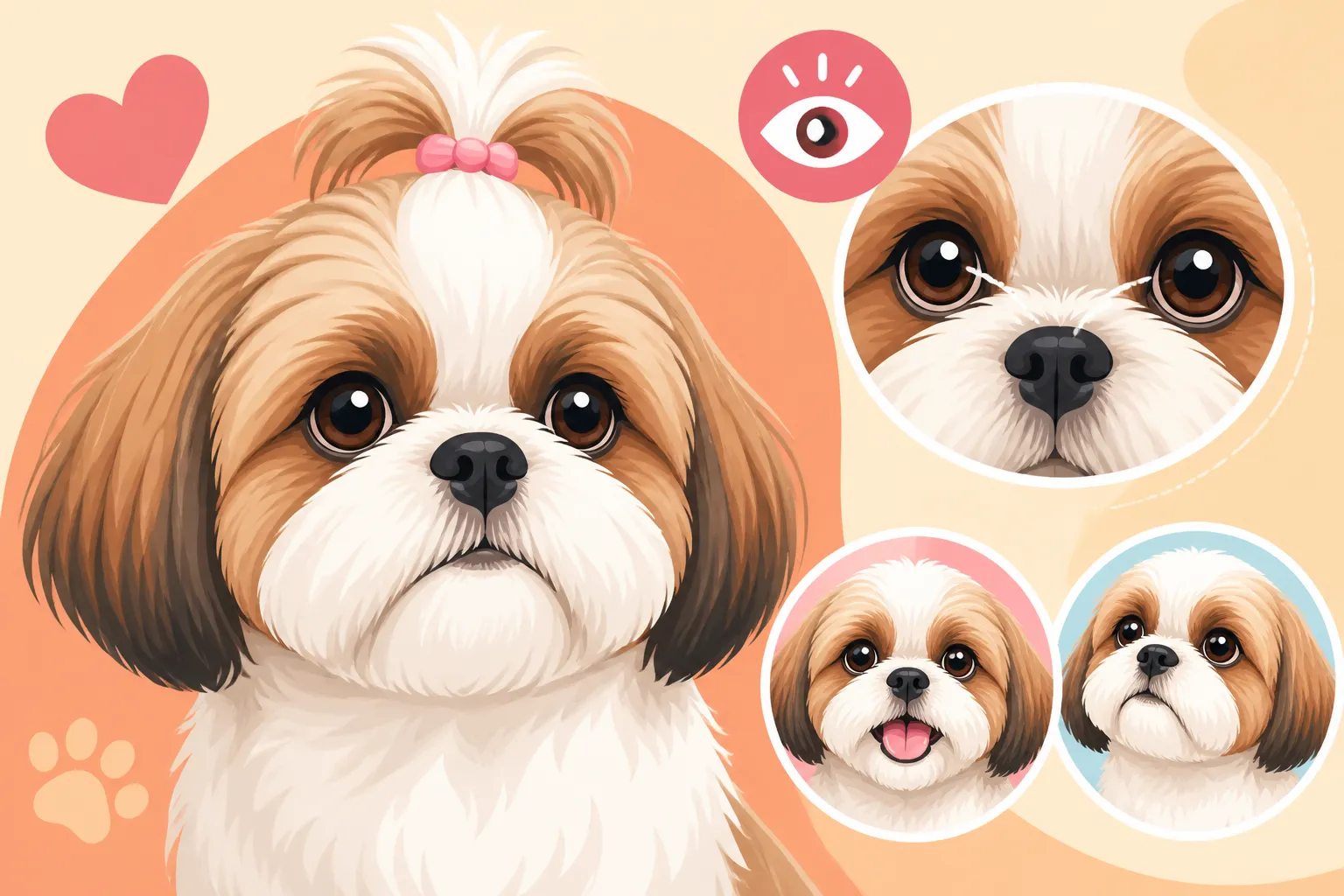
The Shih Tzu's signature "melting" or "doe-eyed" expression stems directly from their brachycephalic (flat-faced) skull structure. Unlike breeds with longer muzzles that offer more bony protection, a Shih Tzu has relatively shallow eye sockets. This means their eyes protrude more than in many other breeds, giving them that wide-eyed, endearing look that we all adore. It's a key part of their charm, but it's also the root of many of the unique care considerations we need to give them.
This prominent placement means the eyes are less recessed and therefore more exposed to the world. Think of it like comparing a deeply set window to one that sticks out from the side of a house – the latter is simply more vulnerable to the elements and accidental bumps. This anatomical reality dictates much of the special attention a Shih Tzu's eyes require, from daily cleaning to careful handling, all to safeguard those beautiful, expressive features.
The Desired Expression in the Breed Standard
If you've ever looked at the official breed standard for the Shih Tzu, you'll know that their eyes are described in very specific terms. The ideal Shih Tzu eye is large, dark, round, and set well apart, giving a warm, soulful, and friendly expression. The whites of the eyes should not be overly visible, as this can give a surprised or frightened look, which isn't characteristic of the breed's gentle nature.
Pigmentation is also a big deal. Dark eye rims, eyelids, and nose leather are preferred to frame those lovely eyes, adding to their expressive quality. This isn't just about aesthetics; strong pigmentation can offer a tiny bit more protection from the sun, although it doesn't change the underlying shallow socket issue. Ultimately, the Shih Tzu's eye expression is meant to convey their affectionate and regal personality, a look that has captivated owners for generations.
Understanding Potential Vulnerabilities Due to Eye Placement
While we all adore the unique look of a Shih Tzu's eyes, it’s crucial to understand that their prominent placement comes with increased risks. As devoted Shih Tzu parents, being aware of these vulnerabilities helps us be proactive in their care and know when to seek professional help. It’s not about fear-mongering, but about being realistic and prepared.
The Shallow Eye Socket and Its Risks
The most significant vulnerability for a Shih Tzu's eyes is the shallow nature of their eye sockets. This anatomical trait means there's less bone around the eye to protect it from injury. A slight bump, a misstep during play, or even incorrect handling can have serious consequences. We've heard too many heartbreaking stories of accidental eye injuries that could have been prevented with more awareness. This is why discussions around Shih Tzu Eye Proptosis, the Emergency Owners Miss are so vital for owners.
In severe cases, the eye can even proptose, meaning it literally pops out of the socket. This is a terrifying emergency that requires immediate veterinary attention. While it sounds extreme, it's a real risk for the breed due to their unique skull structure. Understanding Shih Tzu Proptosis and How It Happens can help owners react quickly and appropriately if this nightmare scenario ever occurs. It's not something any of us want to think about, but being informed is the best defense.
Common Eye Issues Related to Prominent Eyes
Beyond the acute risk of proptosis, the exposed nature of a Shih Tzu's eyes also makes them prone to a range of chronic and common eye conditions. Because their eyes protrude, they're constantly exposed to environmental irritants like dust, wind, and even pollen, which can lead to dryness and irritation. This constant exposure can contribute to conditions such as Shih Tzu Corneal Ulcers From a Shallow Socket, where the delicate surface of the eye is easily damaged.
Another prevalent issue is Dry Eye in a Shih Tzu and Lifelong Drops. Many Shih Tzus don't produce enough tears to keep their prominent eyes properly lubricated, leading to chronic dryness, discomfort, and a higher risk of infection. Owners might notice their Shih Tzu squinting, rubbing their eyes, or having thick, mucus-like discharge. Furthermore, their eyelids themselves can sometimes be problematic. Conditions like entropion (eyelids rolling inward) or ectropion (eyelids rolling outward) are more common in brachycephalic breeds, which can lead to further irritation or exposure. You can learn more about these specific issues and their potential treatments in articles such as Shih Tzu Eyelash and Eyelid Problems and Shih Tzu Entropion and Eyelid Surgery. Early detection and consistent management are key to preventing these issues from becoming more serious.
Daily Care and Prevention for Shih Tzu Eyes
Taking care of your Shih Tzu's eyes isn't just about reacting when there's a problem; it's about a consistent, loving routine that prevents issues before they start. Because their eyes are so prominent and vulnerable, daily attention is non-negotiable for keeping them healthy and happy. It's a small investment of time that pays off huge dividends in their comfort and well-being.
Regular Cleaning and Inspection
Daily eye care should be a cornerstone of your Shih Tzu's routine. Think of it like brushing your own teeth – it's something you just do every day without fail. At least once, ideally twice, a day, you should gently clean around their eyes. This involves using a soft, damp cloth or a specialized pet eye wipe to remove any discharge, crust, or tear stains. A quick wipe with a product you can find at pet stores like Chewy can make a huge difference. For more detailed instructions, check out Wiping a Shih Tzu Face Twice a Day.
While you're cleaning, take a moment to really look at their eyes. Are they clear and bright? Is there any redness, cloudiness, or excessive tearing? Are the eyelids looking normal? This daily inspection is your best tool for catching minor issues before they escalate. It also gives you a chance to make sure that pesky hair isn't falling into their eyes, causing irritation, a topic thoroughly covered in Trimming Face Hair Away From Shih Tzu Eyes. Consistency here is key – a quick check and clean can prevent a world of discomfort for your furry friend.
Environmental Considerations for Eye Health
Because their eyes are so exposed, a Shih Tzu can be particularly sensitive to environmental factors. Dusty environments, strong winds, and even certain allergens can cause irritation and lead to excessive tearing or dryness. If you live in a particularly dry climate, or if your home runs dry, a humidifier can sometimes help keep their eyes more comfortable by adding moisture to the air.
Similarly, be mindful of where your Shih Tzu plays or rests. Avoid areas with high dust or pollen counts, especially on windy days. If they love sticking their head out the car window (and whose Shih Tzu doesn't love that breeze?), consider a pair of "doggles" to protect their eyes from wind and debris. Even simply keeping their living space clean and free of excessive dust can go a long way in preventing eye irritation. Remember, their eyes are their windows to the world, and we want to keep those windows as clear and comfortable as possible. This is also where understanding Shih Tzu Tear Stains and What Causes Them can help you address recurring issues.
When to Seek Veterinary Attention
No matter how diligent you are with daily care, there will be times when a professional opinion is needed. It’s crucial to know the signs that warrant an immediate trip to the vet, as eye issues can escalate very quickly in a Shih Tzu due and potentially lead to permanent damage or vision loss. Never try to self-diagnose or treat a serious eye problem at home.
| Sign of Concern | What It Might Indicate | Action |
|---|---|---|
| Sudden Squinting/Pain | Corneal ulcer, foreign body, injury, glaucoma | Immediate vet visit |
| Excessive Redness | Inflammation, conjunctivitis, allergy, injury | Vet visit (urgent if severe) |
| Cloudiness or Film | Corneal ulcer, cataracts, glaucoma | Vet visit (urgent if sudden) |
| Thick/Colored Discharge | Infection (bacterial, fungal), severe dry eye | Vet visit |
| Swelling Around Eye | Injury, infection, allergic reaction | Immediate vet visit |
| Eye Protruding More | Proptosis (emergency), tumor, severe swelling | IMMEDIATE EMERGENCY VET |
| Persistent Tearing | Blocked tear duct, irritation, allergy | Vet visit (non-emergency first) |
| Vision Loss Signs | Blindness, severe disease progression | Immediate vet visit |
If you notice any sudden changes in your Shih Tzu's eyes, especially squinting, excessive redness, cloudiness, or unusual discharge, don't wait. It's always better to be safe than sorry, and an early diagnosis can make all the difference in preserving your beloved companion's vision and comfort. This is particularly true given that Why Hair in the Eye Damages a Shih Tzu Cornea, for example, can become a serious problem very quickly if not addressed.
Living with a Shih Tzu's Distinctive Gaze
Embracing the unique beauty of your Shih Tzu's eyes also means adopting a lifestyle that prioritizes their protection. From how we groom them to how we play, every interaction can impact the health of those delicate orbs. It's about creating a safe environment and routines that allow their personality to shine through without compromising their well-being.
Grooming Practices to Protect the Eyes
Grooming isn't just about keeping your Shih Tzu looking fabulous; it's a critical part of their eye health. The long, flowing hair that is characteristic of the breed can easily fall into their eyes, causing constant irritation, scratching, and even ulcers. This is why keeping the hair around their eyes meticulously trimmed or tied back is so important. Many owners choose a signature The Shih Tzu Topknot and Keeping Hair Out of the Eyes, a practical and adorable solution.
If a topknot isn't your style, regular trims are essential. A good groomer understands the importance of keeping the face clear, or you can learn to do gentle trims at home. Just be sure to use blunt-nosed scissors and exercise extreme caution. Some owners opt for Trimming a Shih Tzu Fringe Instead of Tying It to achieve a clear line of sight without the need for bands or bows. Regardless of the method, the goal is always the same: keep that hair out of their eyes! You can often find specialty blunt-nosed scissors and combs for face trims at places like Chewy.
Safe Handling and Play to Avoid Injury
Given the vulnerability of their prominent eyes, safe handling and careful play are paramount for any Shih Tzu owner. It's easy for an accidental poke or bump to cause serious damage. When picking up your Shih Tzu, always support their body and avoid any pressure near their head or eyes. Teach children to interact gently, showing them how to stroke rather than grab or pull at their face. These lessons are vital, especially since Rough Play That Puts a Shih Tzu Eye at Risk is a genuine concern.
Similarly, be mindful during playtime. Avoid games that involve objects swinging near their face or roughhousing that could lead to head trauma. Even playing with other dogs requires supervision, especially if the other dog is much larger and plays exuberantly. Understanding proper methods for Restraining a Shih Tzu Without Popping an Eye is also a key skill, particularly for grooming or vet visits. By being consistently vigilant in these small ways, we can significantly reduce the risk of eye injuries and ensure our Shih Tzus enjoy a lifetime of clear vision and comfortable, expressive gazes.
Disclaimer
This article is for general informational purposes only and does not constitute professional advice. Laws, prices and regulations vary by location and change over time. Consult a qualified professional for guidance on your specific situation.