The Height a Show Shih Tzu Must Reach
It's incredibly frustrating when you're trying to understand the intricacies of a purebred dog, especially something as specific as breed standards, and all you find is vague information or contradictory claims. For those of us who adore Shih Tzus, whether we're aspiring to show our beautiful companions or simply want to ensure they meet healthy breed ideals, knowing the precise height requirements set by kennel clubs is crucial. This guide will meticulously break down the standard height for a show Shih Tzu, delve into why these measurements are so important, and help you understand what to look for in your own fluffy friend.
Understanding the Breed Standard for Shih Tzu Height
When you look at a Shih Tzu, you see a charming, compact companion, but beneath that flowing coat, there's a very specific blueprint that reputable breeders and show judges adhere to. This blueprint isn't just about aesthetics; it's deeply tied to the breed's history, health, and overall well-being. Knowing these standards helps you appreciate the breed's heritage and ensure your dog embodies the best of what a Shih Tzu should be.
The AKC and Other Registry Requirements
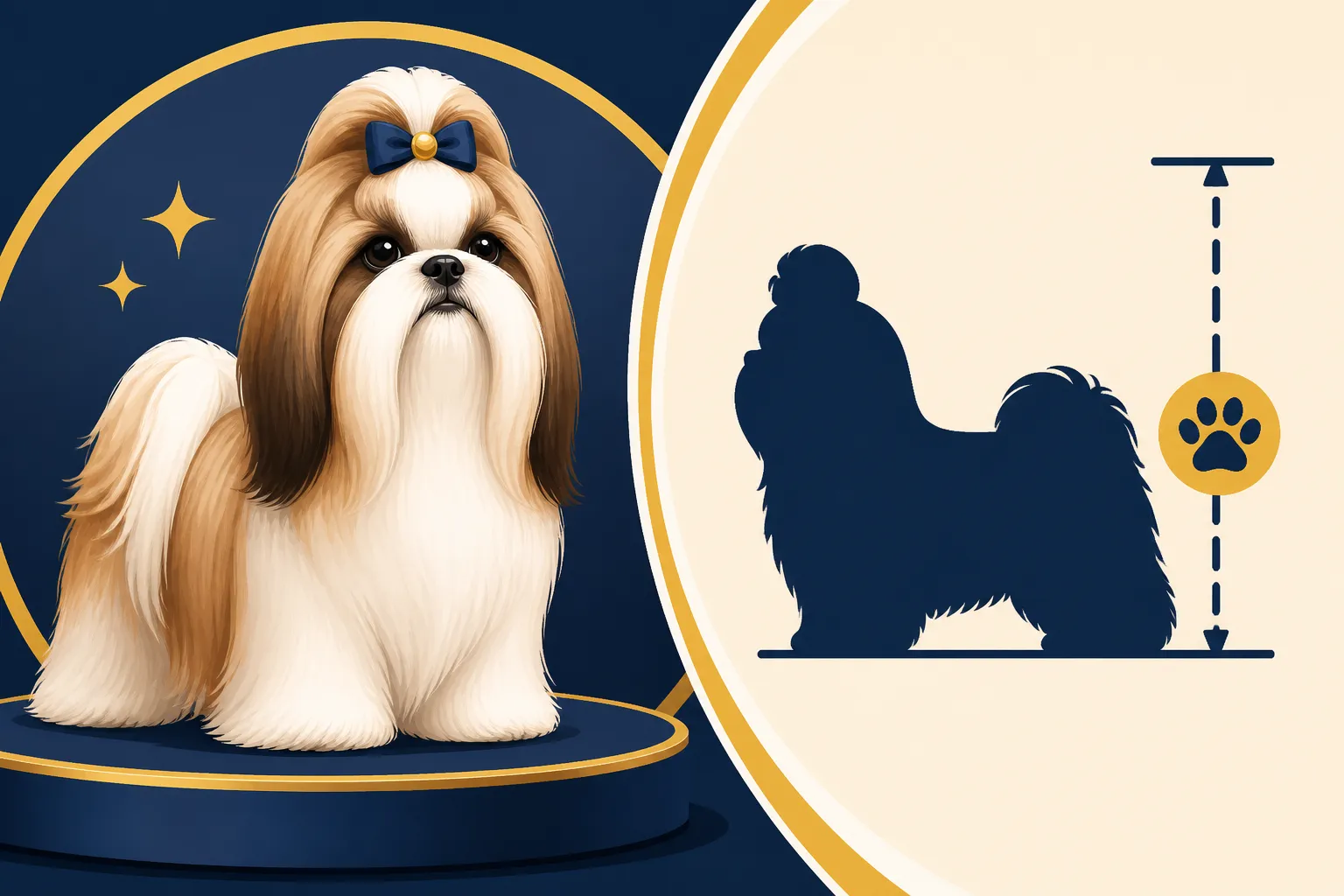
For any dog aspiring to the show ring, adherence to the breed standard is paramount. In the United States, the American Kennel Club (AKC) sets these guidelines, and they are quite precise for the Shih Tzu. The standard clearly states that the ideal height for a mature Shih Tzu, measured from the ground to the highest point of the shoulder, or "withers," should be between nine and ten and a half inches. Anything outside of this range, whether significantly smaller or larger, is considered a deviation from the ideal and can impact a dog's performance in the show ring.
It's a narrow window, isn't it? Just an inch and a half separates the shortest acceptable show dog from the tallest. This strict measurement ensures uniformity within the breed, so judges are comparing apples to apples, so to speak. Other major registries around the world, like The Kennel Club in the UK, have very similar standards, reinforcing a global consensus on what an ideal Shih Tzu should look like. This consistency is vital for maintaining the breed's distinct characteristics across different countries. You can read more about these specific measurements in Nine to Ten and a Half Inches at the Shoulder.
Why the Standard Matters for Breed Integrity
You might wonder why such exact measurements are so critical for a dog whose primary purpose is companionship. The truth is, breed standards are the cornerstone of responsible breeding. They are designed to preserve the unique traits, health, and temperament that define a particular breed. For the Shih Tzu, a breed steeped in history, originating from Tibetan temples and refined in the Chinese imperial courts, maintaining its distinct size and structure is about honoring its legacy. Imagine the confusion if every Shih Tzu looked wildly different in size! The standard provides a consistent goal for breeders, ensuring that future generations continue to exhibit the beloved qualities of the breed.
Deviation from the standard, particularly in height and proportional weight, can sometimes indicate underlying health issues or irresponsible breeding practices. A Shih Tzu that is significantly too large might have different joint issues than one within the standard, and one that is too small might struggle with bone density or organ development. This standard isn't just about winning ribbons; it's about aiming for robust, healthy dogs that fit the historical and functional description of the breed. It protects the health and future of these wonderful dogs, ensuring they remain the charming, sturdy companions they were bred to be. It’s a vital part of The Shih Tzu From Tibetan Temples to American Homes.
How to Accurately Measure Your Shih Tzu
Getting an accurate measurement of your Shih Tzu can feel a bit like trying to measure a wiggle worm, especially if they’re not used to standing still. But with a bit of patience and the right technique, you can determine if your furry friend fits within the official breed height standard. This isn't just for show potential; it helps you understand your dog's build and spot any unusual growth patterns.
Tools and Techniques
Measuring your Shih Tzu's height involves finding the highest point of their shoulders, known as the withers, and measuring straight down to the floor. You'll need a flat, level surface – a sturdy grooming table is ideal, but a kitchen counter or even a non-slip mat on the floor can work. A measuring stick or a ruler that can stand vertically and has clear markings is essential. You might even find specialized measuring tools or breed-specific grooming guides on sites like Chewy that can assist with this.
First, gently encourage your Shih Tzu to stand squarely, with all four paws directly under their body and their head held naturally, not stretched up or tucked down. This "stacking" position is important for an accurate reading. Once they are standing still, place the measuring stick or ruler directly behind their front legs, aligning it with their withers. Look horizontally from the top of the stick to the highest point of their shoulder blades. This is easier if you have someone else gently hold your dog, or distract them with a favorite treat. Take a couple of measurements to ensure consistency. It's a skill that improves with practice, much like any aspect of pet care.
When to Measure
It's crucial to understand that a Shih Tzu puppy's height is not indicative of its adult show height. Shih Tzus, like most dog breeds, continue to grow and develop until they reach maturity. Typically, a Shih Tzu will reach its full height somewhere between 8 to 12 months of age, though some may fill out a bit more until 18 months. Trying to gauge show potential before this age can be misleading.
For accurate show measurements, you should wait until your Shih Tzu is fully grown. A vet check-up around their first birthday is a great time to casually ask about their height and weight in relation to breed standards. Remember, the AKC standard is for mature dogs. Puppies, even from champion lines, will vary in their growth rates. Focus on providing proper nutrition and care during their growth phase, perhaps looking for appropriate puppy food on Chewy, rather than stressing over exact measurements too early. Understanding The Age a Shih Tzu Stops Growing can help manage expectations.
Common Misconceptions About Shih Tzu Size
The world of dog breeds, especially popular ones like the Shih Tzu, is unfortunately rife with myths and misinformation, particularly when it comes to size. It's easy to get caught up in marketing terms that sound fancy but actually deviate from what's healthy and recognized for the breed. As responsible owners, it's vital to differentiate fact from fiction.
The "Imperial" and "Teacup" Myth
One of the most persistent and damaging myths circulating about Shih Tzu size revolves around terms like "Imperial Shih Tzu" or "Teacup Shih Tzu." These are not recognized by any reputable kennel club, including the AKC, and breeders who use these labels are often prioritizing extreme smallness over health and breed integrity. There is no such thing as a distinct "Imperial" or "Teacup" variety of Shih Tzu; they are simply marketing terms used to command higher prices for undersized dogs. You can delve deeper into this phenomenon in Where the Word Imperial Shih Tzu Came From.
Often, these "Imperial" or "Teacup" dogs are simply the runts of a litter, or they may be the result of breeding two undersized dogs together in an attempt to create extremely small puppies. While a smaller Shih Tzu might seem appealing to some, these dogs often come with a host of health problems that can lead to significant vet bills and heartbreak. Issues can include fragile bones, organ problems, difficulty regulating blood sugar, and a heightened risk during anesthesia. This practice is entirely contrary to the goal of responsible breeding, which seeks to produce healthy, robust dogs that meet the established breed standard. For comprehensive information on the risks, see Teacup Shih Tzus and the Health Risk Behind Them.
Health Implications of Deviating from Standard Size
While the breed standard for height (9-10.5 inches at the shoulder) might seem like an arbitrary number, it exists for very good reasons connected to the Shih Tzu's overall health and well-being. Dogs bred to be significantly outside this range, whether too large or too small, often face unique health challenges that are less common in standard-sized Shih Tzus.
For example, an undersized Shih Tzu (often labeled "teacup") can suffer from chronic issues. Their tiny frames may not adequately support their organs, leading to conditions like liver shunts, heart problems, or patellar luxation – where the kneecap slips out of place, common in toy breeds but exacerbated by extreme smallness. They might have a harder time maintaining body temperature or regulating their blood sugar, making them prone to hypoglycemia. Conversely, an oversized Shih Tzu, while less common for severe health issues directly related to height, might still experience increased strain on their joints, especially their spine, given the breed's predisposition to Shih Tzu Back Problems and Disc Disease. They may also be more prone to obesity if their diet isn't carefully managed, which puts further stress on their bodies. Ensuring your Shih Tzu is within the ideal weight range is just as important as height; learn more about this in What a Shih Tzu Should Weigh Fully Grown.
Breed standards, including height and weight, are developed with generations of observation to outline the healthiest and most functional physical traits for a breed. Responsible breeders screen for health conditions that can be affected by size and conformation. When you consider adding a Shih Tzu to your family, understanding these standards isn't just for show purposes; it's a critical part of choosing a healthy companion and providing them with the best possible life. When it comes to feeding a Shih Tzu to maintain a healthy weight and support proper growth, browsing the extensive selection of quality dog foods on Chewy can be incredibly helpful. For a show dog, every detail matters, right down to the food bowl that supports their correct posture, which you can often find from brands available on Chewy.
The Overall Conformation of a Show Shih Tzu
Beyond just height, the overall conformation—or the physical structure and appearance—of a Shih Tzu is what a judge evaluates in the show ring. It's a holistic assessment of how well the dog aligns with the detailed written standard, ensuring that every part contributes to the picture of an ideal Shih Tzu. It’s not just about one measurement; it’s about the harmonious balance of all its features.
The Rectangular Outline and Proportions
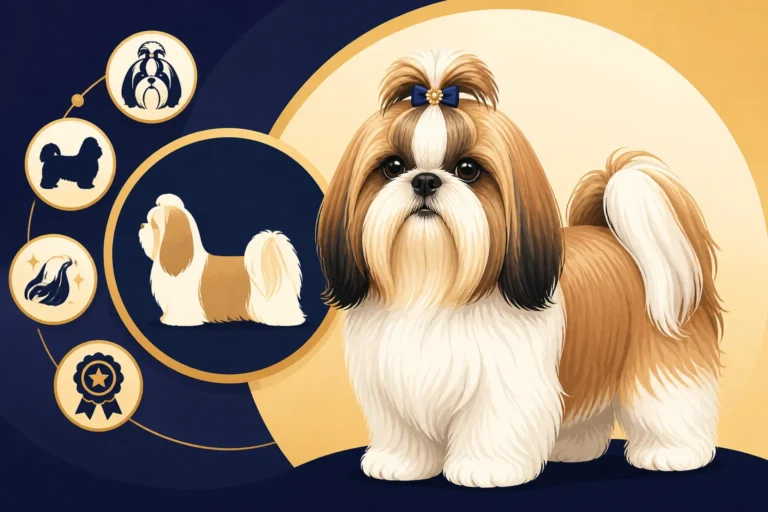
The AKC standard describes the Shih Tzu as having a "sturdy body" that is "slightly longer than it is tall." This creates what's often referred to as a rectangular outline. This means that while the height at the shoulder is a critical measurement, the length from the point of the shoulder to the point of the rump is equally important. A dog that is too square (meaning its height and length are roughly equal) or too long can deviate from this ideal proportion.
This rectangular shape provides the balance and sturdy build characteristic of the breed. It allows for the unique, jaunty gait that Shih Tzus are known for, often described as an "arrogant carriage." Every part of their body contributes to this overall silhouette – from the well-laid-back shoulders to the powerful hindquarters. This specific body shape is believed to contribute to the breed's agility and robustness, allowing them to move freely and gracefully despite their small size and abundant coat. The importance of this outline is further explained in The Rectangular Outline the Standard Wants.
Other Key Physical Traits for Show Quality
While height and overall body shape are fundamental, a Shih Tzu in the show ring is judged on a multitude of other specific physical traits. These details ensure that the dog embodies the complete picture of the breed standard.
Let's talk about the head, for example. The Shih Tzu's head should be broad and round, with a distinctive "chrysanthemum" face, meaning the hair around the muzzle grows upward and outward. The eyes should be large, dark, and round, set well apart, giving an alert and friendly expression. The nose should be black, and ideally, level with or slightly below the lower eyelid. Their muzzle should be short, not wrinkled like some other brachycephalic breeds. The bite is also specified as an undershot bite, meaning the lower jaw protrudes slightly beyond the upper jaw. Even the ears are important; they should be large, set slightly below the crown of the head, and heavily feathered to blend with the neck hair.
And then there's that magnificent tail! It should be set high, carried gracefully over the back in a loose curve, and heavily plumed. This high-set, plumed tail is one of the breed's signature features and contributes to its elegant silhouette. All these elements, from The Shih Tzu Head and Chrysanthemum Face to the tail set, are crucial in a judge's assessment. Any deviation or fault in these areas, even if the height is perfect, can lead to deductions. It truly highlights the comprehensive nature of judging in the show ring, where the entire dog is evaluated against a very specific, detailed ideal. Ensuring your Shih Tzu has appropriate sized toys and accessories, easily sourced from retailers like Chewy, is also part of responsible ownership, as it contributes to their healthy development and overall happiness, even if they aren't show dogs.
Here’s a quick overview of some key Shih Tzu breed standard parameters:
| Trait | AKC Standard Description | Why it Matters |
|---|---|---|
| Height | 9 to 10.5 inches at the withers | Ensures consistent breed type, proportional build, and reduces risk of size-related health issues. |
| Weight | 9 to 16 pounds | Supports ideal height, prevents obesity or fragility, maintains sturdiness. |
| Body Shape | Sturdy, slightly longer than tall (rectangular outline) | Provides balance, allows characteristic gait, supports spinal health. |
| Head | Broad, round, wide-set eyes, short muzzle, undershot bite | Defines the "chrysanthemum" face, affects breathing, eye health, and breed expression. |
| Tail | High-set, carried over back in a loose curve, heavily plumed | A signature aesthetic trait, indicates proper spinal conformation. |
| Movement | Arrogant, smooth, effortless, good reach and drive | Reflects overall structural soundness and fitness, crucial for show performance. |
| Coat | Long, flowing double coat, dense, good texture, all colors permissible | Protective, aesthetic, requires significant grooming, Brushing a Shih Tzu Double Coat Every Day. |
Ultimately, while the height a show Shih Tzu must reach is a non-negotiable part of the breed standard, it's just one piece of a much larger, intricate puzzle. Every aspect of the Shih Tzu, from its plumed tail to its cheerful demeanor, is considered when evaluating its adherence to the ideal. This dedication to standards ensures that the Shih Tzu remains the healthy, charming, and distinctive companion we all know and love. And if you're ever in doubt about what your Shih Tzu needs, from joint supplements to grooming supplies, resources like Chewy offer a vast array of products designed with breed-specific needs in mind.
Disclaimer
This article is for general informational purposes only and does not constitute professional advice. Laws, prices and regulations vary by location and change over time. Consult a qualified professional for guidance on your specific situation.