Why Pugs Overtook Shih Tzus in the 1800s
It’s fascinating how the tides of popularity turn, isn’t it? Many of us adore our little Shih Tzus today, celebrating their playful spirit and devoted companionship. But rewind a couple of centuries, and you might be surprised to learn that another flat-faced friend, the Pug, commanded far more attention and prestige, particularly in Western society. This deep dive will explore the captivating historical backdrop and cultural nuances that led to the Pug's surge in prominence over the Shih Tzu in the 1800s, shedding light on their unique journeys from ancient courts to global recognition.
The Distinct Origins of Two Imperial Breeds
To truly understand why Pugs captured the imagination of the 19th century more readily than Shih Tzus, we need to go back to their respective roots. Both breeds share a common thread of being cherished companion dogs, originating from the East and holding esteemed positions in royal courts. However, their paths diverged quite significantly before the 1800s, setting the stage for one to outshine the other in Western eyes.
The Shih Tzu: A Hidden Imperial Treasure
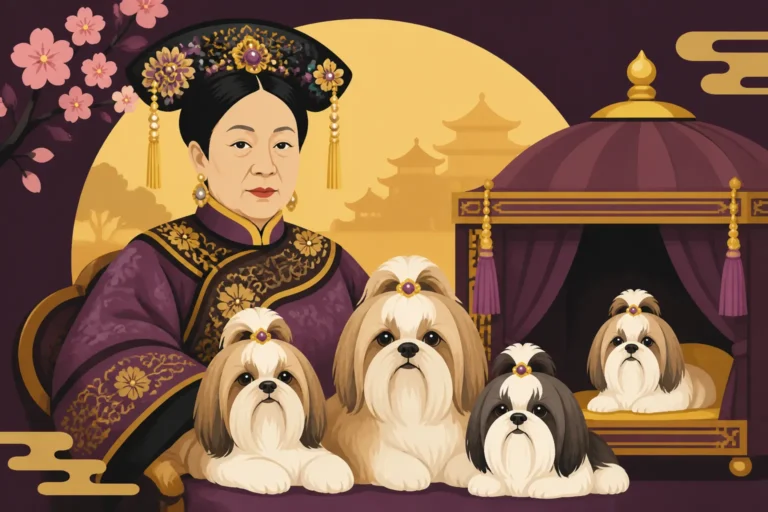
Our beloved Shih Tzus trace their ancestry back to the ancient Tibetan plateaus, where they were considered sacred "lion dogs" by Buddhist monks. These charming canines were often presented as gifts to Chinese emperors, becoming highly prized residents within the Forbidden City. For centuries, the Shih Tzu remained largely confined to the imperial palaces of China, particularly thriving during the Qing Dynasty under the doting patronage of emperors and, most notably, the Dowager Empress Cixi in the late 19th century.
These dogs were bred for their beauty, their luxurious flowing coats, and their endearing, aristocratic demeanor. They were literally lap warmers and companions, living lives of immense privilege behind palace walls. Because of this exclusivity, the Shih Tzu was virtually unknown to the outside world. It wasn't until the early 20th century, well after the period we're discussing, that they truly began to make their way to Western shores. This secretive, highly protected existence meant that as the 1800s unfolded, the Shih Tzu was still a magnificent mystery to most of the world. The Shih Tzu From Tibetan Temples to American Homes delves further into their fascinating lineage.
The Pug: From Chinese Nobility to European Royalty
In contrast, the Pug had a much earlier and more extensive journey into the West. While also originating in ancient China, the Pug's history of travel and interaction with European cultures began centuries before the Shih Tzu's. Pugs were initially favored by Chinese royalty, much like the Shih Tzu, but by the 16th century, Dutch traders brought them to Europe.
Their compact size, distinctive wrinkled face, and charming, often mischievous personality quickly endeared them to European nobility and royalty. They became mascots of the House of Orange in the Netherlands, were introduced to England, and even journeyed with Napoleon's wife, Josephine. By the 18th century, Pugs were firmly established as fashionable companions across many European courts, an impressive feat for a dog from so far away. This long-standing presence gave them a significant head start in Western recognition and popularity.
The Shifting Tides of Royal and Public Favor
The 1800s were a time of great change, and public taste, heavily influenced by royalty and the burgeoning middle class, played a huge role in which breeds became fashionable. The established presence and certain distinct characteristics of the Pug gave it an undeniable advantage.
Pug's Established Niche in Western Society
By the 1800s, the Pug was not a novelty; it was an established, beloved fixture in European society. Portraits from the era frequently depict Pugs lounging with their aristocratic owners, showcasing their status as symbols of wealth and good taste. Their unique look – the round head, expressive eyes, and compact body – was familiar and adored. They were seen as miniature companions, perfectly suited for the drawing rooms and carriages of the elite. This long history meant that by the time other Asian breeds might have been trickling out of the East, the Pug already had a well-defined and widely celebrated place.
Furthermore, Pugs were bred to be companion animals, much like the Shih Tzu. However, their temperament, often described as charmingly docile yet full of character, resonated with the era's sensibilities. They were small enough to be portable but sturdy enough to interact in busy households. The familiarity bred affection, and by the 19th century, Pugs had cemented their place in Western culture. Shih Tzus Compared With Other Small Companions can provide some interesting context on how different breeds gained their reputations.
The Shih Tzu's Late Arrival and Exclusivity
Meanwhile, the Shih Tzu remained almost exclusively within the confines of the Chinese imperial court for much of the 1800s. While Dowager Empress Cixi was maintaining extensive kennels of Shih Tzus, meticulously breeding and overseeing their care, the political climate in China was complex. The breed was still largely considered a national treasure, not to be easily shared with outsiders.
This meant that while a few individuals might have been introduced to Westerners through diplomatic gifts or less official channels, the Shih Tzu breed as a whole had not yet experienced the widespread exposure that the Pug had enjoyed for centuries. Their "rediscovery" by the West, particularly after the fall of the Qing Dynasty in the early 20th century, came much later. The journey of how these magnificent dogs eventually made their way to other parts of the world is a story in itself, as explored in What Happened to the Breed After 1908.
East Meets West: Cultural Exchange and Accessibility
The differing rates of cultural exchange between China and the West for these two breeds also significantly contributed to the Pug's dominance in the 1800s.
Openness to Trade and Diplomatic Gifts
Historically, trade routes and diplomatic relationships played a crucial role in the movement of animals between continents. While China maintained a largely isolationist stance for much of its history, specific periods saw more openness to trade with European nations. It was during some of these earlier periods that Pugs found their way to Europe. Their introduction wasn't always straightforward, but compared to the strict protection of the Shih Tzu, the Pug had a more accessible path to the West.
The demand for exotic goods from the East was high in Europe, and small, distinctive dogs like the Pug fit this desire perfectly. They were seen as luxurious items that added to the prestige of their owners. The very nature of the Pug's initial export allowed it to become a known entity, evolving from an exotic curiosity to a fashionable companion over a span of centuries.
The Shih Tzu's Imperial Protection
The Shih Tzu, on the other hand, was fiercely protected within the imperial court. During the 1800s, the breed was still viewed as sacred and uniquely Chinese. Exporting them was not common practice, and instances of them leaving China were rare and often under highly controlled circumstances, such as being presented as gifts between heads of state or arriving via intrepid travelers much later. The notion of a "Shih Tzu as a Wedding Gift to China" highlights their value and the specific nature of their movements.
Consider the challenges: the sheer distance, the difficulty of transport, and the imperial decree guarding these dogs. It simply wasn't easy for the average European to acquire a Shih Tzu, or even know of their existence, during the 19th century. This exclusivity, while preserving the breed within China, simultaneously prevented its wider adoption and popularity in the West until much later. The meticulous breeding and care within these imperial settings meant they were literally hidden from the world. The Shih Tzu in the Qing Imperial Court details the lives of these majestic dogs.
Visual Appeal and Breed Standards
While both breeds are undeniably charming, their aesthetic qualities, and how they were perceived in the context of emerging breed standards, also played a part in the Pug's favor.
The Pug's Distinctive, Easily Recognizable Features
The Pug's appearance is quite striking and, crucially, very consistent. Their compact, muscular bodies, short coats, deeply wrinkled faces, and curled tails make them instantly recognizable. By the 1800s, as dog shows and formal breed clubs were beginning to take shape, the Pug’s clearly defined characteristics made it an easy subject for standardization and appreciation. Its unique silhouette was distinctive and could be easily replicated in art and portraiture, contributing to its iconic status.
This clear, manageable set of physical traits also made them appealing for breeding programs aimed at preserving and refining the breed. Their short coat meant less intensive grooming compared to a long-haired breed, which could also be a factor in their practicality for a wider audience.
The Shih Tzu's Elaborate Coat and Varied Presentation
The Shih Tzu, with its luxurious, double coat and flowing hair, presented a very different picture. While undeniably beautiful, maintaining such a coat requires significant dedication and grooming. In the 1800s, without modern grooming tools or widespread knowledge of Shih Tzu care, this would have been a considerable undertaking for anyone outside of an imperial palace with dedicated staff.
Furthermore, the Shih Tzu's "chrysanthemum face" and full topknot are defining features, but their appearance can vary greatly depending on grooming styles. While beautiful, this elaborate presentation might have made them seem more challenging or less uniformly "classic" to Western eyes unfamiliar with their specific aesthetic and care requirements. The descriptions of The Shih Tzu Standard and What Judges Look For highlight the importance of these traits in a formal context that evolved much later.
Cultural Context of the 1800s and Beyond
The prevailing cultural attitudes and global events also contributed to the differing fates of these two charming breeds.
Western Fascination with the Exotic Yet Accessible
The 1800s in Europe saw a growing fascination with the Orient, but this interest often focused on items that could be readily acquired and assimilated into Western life. Pugs, having already been in Europe for centuries, had moved beyond being merely "exotic" to becoming a part of the European fabric. They represented a digestible, charming piece of the East that was already familiar and integrated.
Their smaller size made them ideal pets for city dwellers and a population where working dogs were still the norm, but companion animals were gaining traction. The Pug's cheerful and robust nature also made it a more practical choice for the burgeoning middle class than a delicate, high-maintenance dog largely unknown.
| Characteristic | Shih Tzu (1800s Perception) | Pug (1800s Perception) |
|---|---|---|
| Origin | Imperial China / Tibet | Imperial China |
| Western Presence | Extremely rare, largely unknown | Well-established for centuries |
| Accessibility | Virtually inaccessible; protected in palaces | Obtainable, integrated into noble households |
| Appearance | Luxurious, long-coated; high maintenance implied | Distinctive, short-coated; manageable grooming |
| Recognition | None outside of imperial circles | Widely recognized in art and society |
| Symbolism | Sacred imperial treasure (in China) | Fashionable companion, status symbol (in West) |
The Dawn of Modern Breed Recognition
While dog fancy and formal breed clubs were nascent in the 1800s, the groundwork was being laid for what would become modern breed standards and registries. Pugs, with their established presence and clear characteristics, were natural candidates for early recognition and popularity in these emerging circles. They were actively being bred and exhibited, further cementing their place in the public consciousness.
The Shih Tzu's time for widespread recognition would come, but it required significant efforts in the early 20th century to bring them out of China, establish breeding programs, and introduce them to a public that had never seen them before. The journey from imperial secret to popular pet was a longer, more arduous one for our beloved "lion dog." The history of How the Shih Tzu Reached the West is a testament to the dedication of those who introduced them to new audiences.
In essence, the Pug’s head start, established presence, and ease of assimilation into Western society, combined with the Shih Tzu’s imperial exclusivity and late introduction, are the primary reasons why Pugs enjoyed such a surge in popularity in the 1800s, while the Shih Tzu patiently waited for its moment to shine on the world stage.
Disclaimer
This article is for general informational purposes only and does not constitute professional advice. Laws, prices and regulations vary by location and change over time. Consult a qualified professional for guidance on your specific situation.