Shih Tzus in Ming Dynasty Paintings
It's absolutely fascinating to look back at ancient artwork and wonder about the lives of the dogs depicted, especially when those dogs are the ancestors of our own beloved Shih Tzus. Many of us see old paintings or read historical accounts and wish we could glimpse into the daily existence of these royal companions. This guide will take you on a journey through time, exploring how Shih Tzus were immortalized in Ming Dynasty paintings, what these artistic treasures reveal about their historical significance, and how these centuries-old depictions connect to the charming dogs that grace our homes today.
The Historical Context of the Ming Dynasty and Its Canine Companions
Before we dive into the brushstrokes and colors, it's crucial to understand the vibrant world in which these dogs lived and were painted. The Ming Dynasty, which spanned from 1368 to 1644, was a remarkable era in Chinese history. It was a time of immense cultural and artistic achievement, known for its intricate porcelain, stunning landscapes, and sophisticated court life. In such an environment, everything, even the smallest detail, held significance, including the presence of beloved companion animals.
China's Golden Age and Imperial Dogs
During the Ming Dynasty, China experienced a period often referred to as a "golden age" for its flourishing arts, stable governance, and societal advancements. Within this grandeur, dogs held a special, long-standing place, particularly those bred within the imperial courts. They weren't merely pets in the modern sense; these dogs were often symbols of status, wealth, and even believed to possess protective qualities or bring good fortune. Imagine the opulent palaces, the bustling courtyards, and within them, these small, revered creatures moving with an air of quiet dignity, sometimes almost indistinguishable from the mythical 'lion dogs' they were often compared to.
The tradition of keeping small, ornate dogs stretched back centuries in China, with many breeds developed specifically for companionship within the imperial family and nobility. These dogs were seen as living works of art themselves, cherished for their beauty and their gentle temperaments. They were pampered, adored, and their presence was a testament to the owner's elevated position. It's a connection that deeply roots our modern Shih Tzus in a majestic past.
The Role of Small Dogs in the Palace
The lives of these imperial dogs were far removed from that of working dogs. They lived lives of unparalleled luxury, waited upon by dedicated staff. Historical records and artistic depictions strongly suggest that the ancestors of the Shih Tzu were among these privileged few. Often, eunuchs within the Forbidden City were tasked with managing elaborate imperial kennels, ensuring the dogs received the finest food, grooming, and medical care. It wasn't just a casual responsibility; it was an integral part of court operations.
Their primary role was, unequivocally, companionship. They offered comfort, amusement, and unwavering loyalty to emperors, empresses, and other members of the royal household. In a world of strict protocol and political intrigue, these dogs provided an unconditional affection that was undoubtedly treasured. Their presence in art, therefore, wasn't just a decorative element; it was a reflection of their profound importance and integration into the fabric of imperial life. When you see a small, fluffy dog curled beside a Ming empress in a painting, you're looking at a creature that was loved, valued, and a true member of the inner circle. It really makes you think about how our own Shih Tzus continue that tradition of bringing joy and solace, centuries later.
Deciphering Shih Tzu Depictions in Ming Art
Now, let's get to the heart of it: what do these incredible paintings actually show us about the Shih Tzu of the Ming Dynasty? The artists of this era were skilled observers, and their works provide a visual time capsule, giving us clear insights into the appearance and characteristics of these ancient dogs.
Characteristics of the "Lion Dog" in Paintings
When you study Ming Dynasty paintings that feature dogs, you'll be struck by how many of them depict creatures with flowing, abundant coats, distinctive brachycephalic (flat-faced) features, large, expressive eyes, and tails carried proudly over their backs, often described as "plumed." These aren't just generic fluffy dogs; the consistency of these features across various works points strongly to the presence of the Shih Tzu's direct ancestors, known then as "lion dogs" or "chrysanthemum-faced dogs." The attention to detail in the fur, often painted with delicate, individual strands, highlights the luxuriousness of their coats.
These artistic representations vividly capture the essence of what we recognize as a Shih Tzu today. The broad, round head, the sweet yet somewhat inquisitive expression, and the often somewhat bug-eyed appearance are all there. It's truly amazing to see Shih Tzu Eye Placement and Expression mirrored so perfectly in art created hundreds of years ago. The symbolism of the "lion dog" was also deeply ingrained, reflecting the Buddhist lion, which was considered a protector and a bringer of good fortune. Artists emphasized this connection, often depicting the dogs with a majestic, albeit miniature, bearing, reinforcing their revered status within the court.
Artistic Styles and Their Influence on Portrayal
Ming Dynasty artists worked across various mediums, from elaborate silk scroll paintings and delicate album leaves to intricate porcelain designs and vibrant portraits. Each style offered a unique way to capture the spirit of these dogs. Scroll paintings might show them frolicking in imperial gardens, their long coats flowing as they move, while a more intimate portrait might focus on the tenderness between a noblewoman and her cherished companion. The artists clearly aimed to capture not just physical accuracy but also the dogs' lively and affectionate nature.
The use of vibrant colors, particularly within court paintings, and intricate details served to highlight the beauty and inherent value of these animals. Think of the rich reds, deep blues, and shimmering golds used to depict the robes of their human companions, and how the dogs themselves are often rendered with equal care, their coats a symphony of natural colors. Specific poses, like a dog resting its head on a lady's lap or peeking out from behind a screen, provide anecdotal evidence of their daily interactions and integration into the human world. These weren't just background elements; they were active participants in the scenes, often drawing the viewer's eye with their charm and charisma. It’s a testament to their enduring appeal that they featured so prominently.
Life for a Shih Tzu in the Ming Court (as Inferred from Art)
While paintings can't tell us everything, they offer valuable clues about the practicalities of caring for these imperial dogs and their place within society. The visual evidence strongly suggests a life of immense privilege and attentive care.
Grooming and Care Reflected in Paintings
One of the most striking features of the "lion dogs" in Ming Dynasty paintings is their magnificent, flowing coats. This luxuriant fur, often depicted cascading to the ground, immediately tells us that extensive grooming was an absolute necessity. There’s no way such a coat could maintain itself without dedicated daily care. Imagine the imperial staff, likely eunuchs or specialized dog-keepers, spending hours each day brushing, combing, and tending to these animals. It would have been a labor-intensive endeavor, requiring patience and skill. This kind of elaborate coat maintenance underscores the dogs' pampered existence; only the wealthiest households could afford the time and resources for such detailed care.
While they didn't have access to the modern shampoos, conditioners, and specialized brushes we find on platforms like Chewy today, they certainly would have had some form of rudimentary combs and perhaps even oils to keep the coats healthy and free of tangles. The very appearance of these dogs in the art implies an ongoing, diligent routine, a practice that mirrors the dedication of modern Shih Tzu owners. We know that Brushing a Full Coat Shih Tzu Every Single Day is essential to prevent matting, and this would have been even more true in a time before sophisticated grooming tools. The paintings also hint at the importance of keeping hair out of their eyes, as many depictions show the long facial hair carefully managed, sometimes even tied back, a precursor to the modern The Shih Tzu Topknot and Keeping Hair Out of the Eyes. This level of commitment to their appearance speaks volumes about their status.
Companionship and Social Status
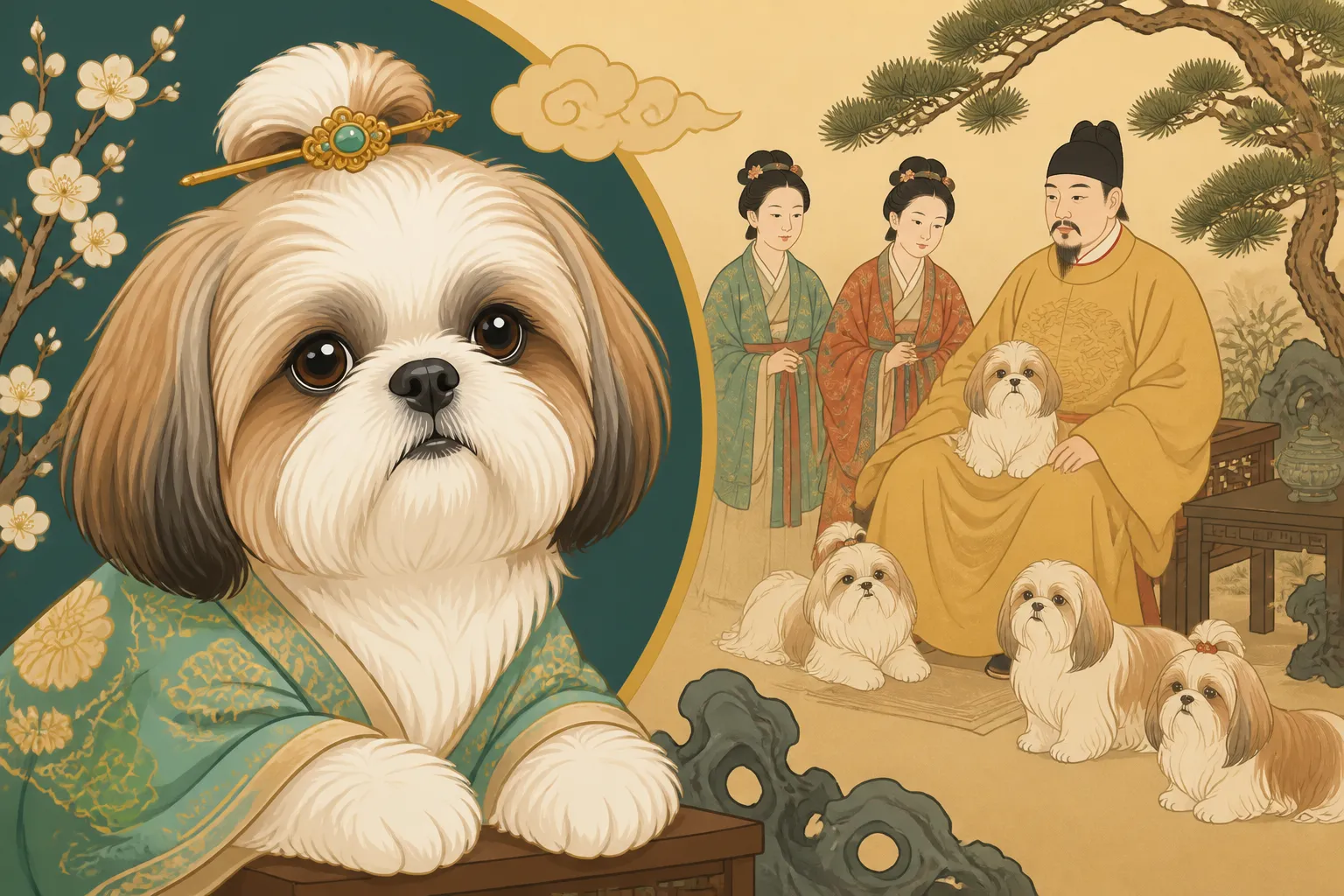
Beyond their physical appearance, the way Shih Tzus are positioned and interact with human figures in Ming paintings speaks volumes about their role as companions and symbols of social status. It's common to see them nestled on their owner's laps, gazing up affectionately, or accompanying them during leisurely strolls through intricate gardens. These intimate portrayals reinforce the idea that these dogs were cherished members of the family, providing emotional support and joy, much like our Shih Tzus do for us today. They weren't relegated to kennels or working outside; their place was firmly within the domestic sphere, often at the very heart of courtly life.
Their presence alongside high-ranking individuals wasn't merely coincidental; it was a subtle yet powerful declaration of the owner's status and wealth. Only someone of considerable means and influence could afford to keep such an exquisitely groomed, non-working dog. The dogs served as living accessories, embodying the refined taste and prosperity of their human companions. Why a Shih Tzu Was Bred to Sit on a Lap is clearly illustrated in these historical artworks, showing a continuous thread of purpose for the breed across centuries. Their comfort and proximity to the ruling elite cemented their elevated position in society, turning them into miniature, breathing symbols of luxury and affection.
| Feature | Seen in Ming Dynasty Paintings | Modern Shih Tzu Standard |
|---|---|---|
| Coat | Long, flowing, often touching the ground | Double coat, long, dense, with good undercoat |
| Face | Flat, "chrysanthemum-like" | Brachycephalic, short muzzle, broad head |
| Eyes | Large, prominent, often dark and expressive | Large, round, dark, set well apart |
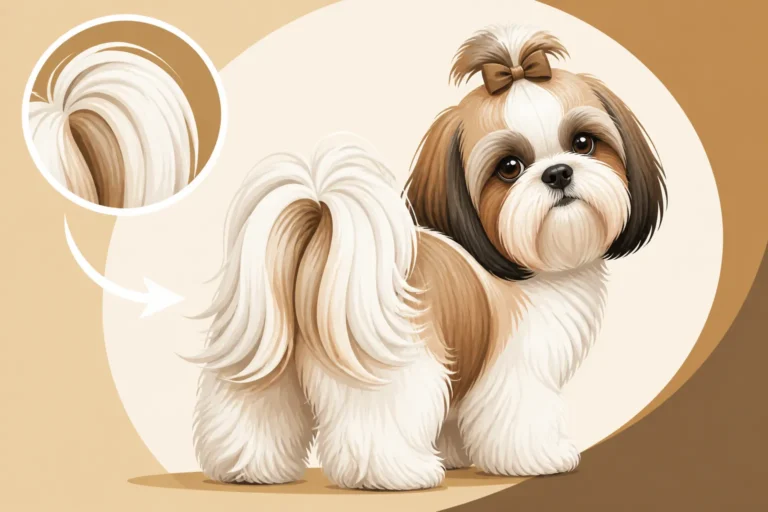
| Tail | Carried high, plumed, arching over the back | Carried high, heavily plumed, arching over the back |
| Build | Compact, sturdy, small | Sturdy, well-built, compact, solid bone |
| Purpose | Companion, symbol of status | Companion |
| Grooming Implied | Extensive daily care for long coat | Extensive daily grooming required for full coat |
The Legacy of Ming Dynasty Shih Tzus
The enduring images of Shih Tzus in Ming Dynasty paintings are more than just historical curiosities; they are a vital part of the breed's heritage, connecting the past to our present-day companions.
Connecting Ancient Art to Modern Breed Standards
These early artistic records offer an invaluable visual lineage for the Shih Tzu. What's truly remarkable is the consistency of key physical traits over centuries. The "lion dog" depicted in a 15th-century scroll bears an undeniable resemblance to the Shih Tzu we see today, from its distinctive facial structure to its proud tail carriage. This historical evidence underscores the careful and consistent breeding practices that must have been in place within the imperial kennels. It shows that the desired aesthetic and physical characteristics were maintained with great fidelity.
When you look at The Shih Tzu Standard and What Judges Look For in modern dog shows, you can almost trace these requirements back to the preferences of the Ming emperors and artists. The ideal Shih Tzu today, with its specific coat, eye placement, and overall compact form, is a direct descendant, both genetically and aesthetically, of the dogs admired in those ancient courts. It gives us a deeper appreciation for the historical continuity of the breed and reminds us that our furry friends carry a truly noble and ancient heritage.
Cultural Significance Beyond the Court
The image and significance of the Shih Tzu, so richly shaped by its imperial past and its portrayal in art, certainly didn't vanish with the Ming Dynasty. This perception of the breed as a treasured, aristocratic companion continued to influence its journey as it eventually made its way beyond China's borders and into Western homes. The sheer charm and distinct appearance of the "lion dog," preserved in these artistic masterpieces, fueled fascination and desire, ensuring the breed's survival and eventually its global popularity. It's no wonder that even today, when someone sees a Shih Tzu, there's often an immediate sense of its regal bearing and unique history.
Owning a Shih Tzu today, then, isn't just about having a delightful pet; it's about connecting to a rich cultural tapestry. Every wag of their plumed tail, every adoring glance from those big, dark eyes, carries a whisper of the imperial courts of ancient China. From The Shih Tzu From Tibetan Temples to American Homes, their journey has been one of consistent companionship, pampered existence, and undeniable charm. They are living pieces of history, reminding us that beauty, loyalty, and a little bit of sass have been captivating hearts for a very long time. And while we might not have court eunuchs, we do have wonderful resources like Chewy to help us keep our little emperors and empresses looking and feeling their best, providing the royal treatment they’ve always deserved.
Disclaimer
This article is for general informational purposes only and does not constitute professional advice. Laws, prices and regulations vary by location and change over time. Consult a qualified professional for guidance on your specific situation.