The Shih Tzu Against a Cavalier King Charles
Choosing between a Shih Tzu and a Cavalier King Charles Spaniel can feel like navigating a delightful but confusing maze of fluffy adorableness. Many prospective dog parents find themselves weighing the pros and cons, wondering which breed will truly fit their lifestyle and offer the companionship they dream of. This guide is here to untangle the nuances of these two beloved toy breeds, helping you understand their distinct personalities, care requirements, and health considerations so you can make an informed decision that brings years of joy.
Temperament and Companionship: How Do They Differ?
At the heart of any decision to bring a dog into your life is understanding their personality. Both the Shih Tzu and the Cavalier King Charles Spaniel are celebrated for their affectionate natures, but they express that love and interact with their families in uniquely different ways. It’s not just about how cute they are; it’s about how they integrate into your daily rhythm and what kind of bond you're looking for.
The Shih Tzu: Affectionate and Spirited Companion
The Shih Tzu, with its regal origins as a companion to Chinese royalty, truly embodies the spirit of a "lap dog" but with a wonderfully spirited twist. These dogs were bred to be charming and endearing, content to spend their days by their human's side, whether that's on a silken cushion or snuggled on the sofa. They thrive on human interaction and genuinely love being part of family activities. You’ll often find your Shih Tzu following you from room to room, just wanting to be near. They're often described as playful, even mischievous, with a real zest for life. A Shih Tzu might suddenly zoom around the house, play-bowing at you, or demand a rousing game of fetch with their favorite squeaky toy.
However, their strong sense of self means they can also have a streak of independence, sometimes interpreted as stubbornness. This isn't malice; it's just their ancient lineage shining through, reminding you they were once pampered nobility! They can be quite discerning about who they give their full attention to, but once you've earned it, their loyalty is unwavering. When it comes to living with children, a well-socialized Shih Tzu can be a wonderful family member, particularly if the children are taught how to interact gently and respectfully with a small dog. They typically enjoy a calm, predictable environment but are adaptable enough to enjoy bustling family life too, as long as they get their fair share of attention and quiet cuddle time.
The Cavalier King Charles Spaniel: Gentle and Eager to Please
The Cavalier King Charles Spaniel, on the other hand, is often described as a true "love sponge." These dogs were historically bred as companions to European nobility and are renowned for their incredibly gentle, sweet, and affectionate dispositions. They live to please their people and are happiest when they are snuggled up close, often seeking out laps and leaning into cuddles. Cavaliers are notoriously bad at being alone; they genuinely crave constant human company and can be prone to separation anxiety if not properly prepared for alone time. They're incredibly sensitive and responsive to their owners' moods, often offering a comforting presence just when you need it most.
Their eagerness to please makes them generally more trainable than many other toy breeds, as they are highly motivated by praise and affection. Cavaliers tend to be very adaptable dogs, fitting well into almost any household, from bustling families with gentle children to quiet retirees. They are typically good with strangers and other animals, rarely showing aggression, making them excellent therapy dogs or ideal companions for multi-pet households. You'll find a Cavalier always ready for a walk in the park or a quiet evening on the sofa, as long as they're with you. Their "go with the flow" attitude and boundless affection are truly what makes them shine.
Socialization Needs for Both
Regardless of their inherent temperaments, both Shih Tzus and Cavalier King Charles Spaniels benefit immensely from early and ongoing socialization. This means exposing your puppy to a wide variety of sights, sounds, people, and other well-behaved dogs in a positive and controlled manner during their critical developmental period. For a Shih Tzu, early socialization can help temper any natural suspicion they might have towards strangers and ensure they are comfortable with grooming and handling, which is crucial for their long coats. You want them to be confident, not fearful, and early exposure to novel experiences helps build that resilience.
For a Cavalier, socialization reinforces their naturally friendly disposition and helps prevent shyness or fearfulness, particularly if they are predisposed to being a bit more sensitive. It also helps them learn appropriate play manners with other dogs and teaches them that new experiences are fun, not scary. Puppy classes are an excellent way to achieve this, offering a structured environment for safe interactions and basic obedience training. Remember, a well-socialized dog, whether a spirited Shih Tzu or a gentle Cavalier, is generally a happier, more confident, and better-adjusted companion, making life easier and more enjoyable for everyone. Investing time in their early experiences pays dividends in their adult behavior.
Grooming and Coat Care: Understanding the Commitment
When you look at a Shih Tzu or a Cavalier King Charles Spaniel, their beautiful coats are one of the first things you notice. However, that beauty comes with a responsibility, and the level of commitment for each breed is quite different. Understanding these differences before bringing one home is crucial to avoid frustration and ensure your dog is comfortable and healthy.
Shih Tzu Coat: The Daily Ritual
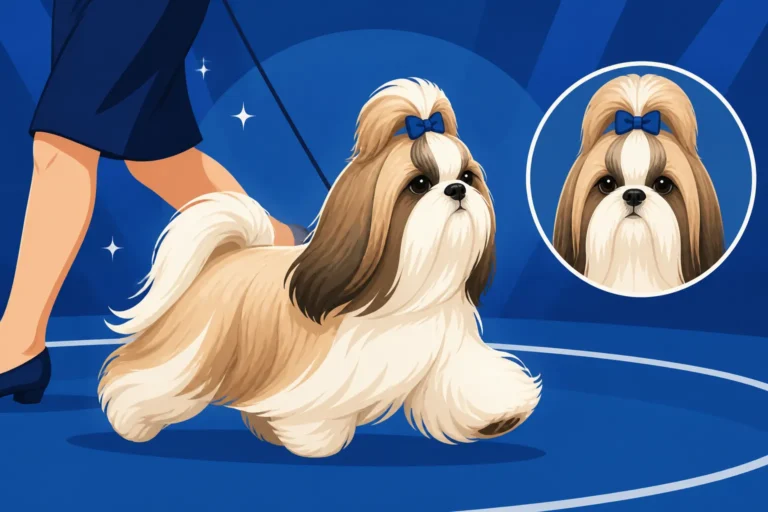
The Shih Tzu's double coat is truly magnificent when well-maintained, but it demands serious dedication. They have a long, flowing outer coat and a soft, woolly undercoat that, while beautiful, is highly prone to matting. I've seen countless Shih Tzus come into the rescue looking like a collection of felted dreadlocks because their owners simply underestimated the grooming needs. To keep their coat free of mats and tangles, a Shih Tzu needs to be brushed daily. This isn't a quick once-over; it's a methodical process of working through sections of hair, ensuring you reach down to the skin. Missing a day or two can quickly lead to painful mats that pull at their skin, especially behind the ears, under the legs, and in their "armpits."
Many owners opt for a shorter "puppy cut" to make daily maintenance more manageable, but even a shorter coat still requires regular brushing and professional grooming every 4-6 weeks. Neglecting this will lead to shaving down the entire dog, which can be traumatic for both pet and owner. Besides body grooming, the Shih Tzu's face requires special attention. Their hair grows long around their eyes and mouth, often needing to be tied up in a topknot or trimmed short to prevent irritation and infection. The Shih Tzu Topknot and Keeping Hair Out of the Eyes is vital to their comfort and eye health. Frequent face cleaning, especially after meals, is also necessary to prevent food from getting trapped in their beard, which can lead to skin issues and odors. Stocking up on good quality brushes, combs, detangling sprays, and tear stain removers from places like Chewy will become part of your regular routine.
Cavalier Coat: Manageable Elegance
The Cavalier King Charles Spaniel also possesses a beautiful coat, but its maintenance is considerably less intensive than a Shih Tzu's. Cavaliers have a single coat that is medium-length, silky, and typically straight or slightly wavy, with charming feathering on their ears, chest, legs, and tail. This coat is not nearly as prone to matting as a Shih Tzu's double coat, which is a huge relief for many owners. While they still require regular brushing, typically 2-3 times a week, it's usually enough to keep their coat free of tangles and remove loose hair. During shedding seasons, you might need to increase brushing frequency, but overall, it's a much lighter grooming load.
Professional grooming for a Cavalier is often less about intricate cuts and more about tidying up. Many owners choose to have their Cavalier's feathering trimmed to keep it neat, and a sanitary trim is always a good idea. Baths are usually needed every few weeks or as necessary, depending on how adventurous your Cavalier is in the great outdoors. The focus for Cavaliers tends to be more on keeping their long, silky ears clean and free of debris, as well as trimming the hair between their paw pads to prevent slipping and discomfort.
Preventing Common Coat and Skin Issues
For both breeds, proper grooming isn't just about aesthetics; it's about health and comfort. Regular brushing helps distribute natural oils, keeping the skin healthy and the coat shiny. It also allows you to check for any skin irritations, lumps, bumps, or parasites that might be hiding under their fur. For Shih Tzus, neglecting grooming can lead to severe mats that require veterinary intervention to remove, often under sedation, because they can be so painful. These mats can also hide serious skin infections. Shih Tzu Ear and Skin Infections Under the Coat are common if the coat isn't properly aerated or kept clean. Their facial folds (if present) also need regular cleaning to prevent dermatitis.
Cavaliers, with their long, pendulous ears, are more susceptible to ear infections. Regular cleaning with a vet-approved ear cleaner is essential, and keeping the hair around the ear canal trimmed can improve air circulation. Both breeds can suffer from allergies that manifest as skin issues, so being diligent with grooming helps you spot these problems early. Investing in high-quality grooming tools from reputable suppliers like Chewy and learning the proper techniques for your chosen breed will make the grooming experience a positive one for both you and your furry friend. Many Shih Tzu owners, for instance, find that a good slicker brush and metal comb are indispensable.
Health Considerations: A Look at Breed-Specific Concerns
Every breed comes with its own set of potential health challenges, and both the Shih Tzu and the Cavalier King Charles Spaniel are no exception. Being aware of these breed-specific conditions is paramount for responsible pet ownership, allowing you to choose a reputable breeder who performs health testing and to prepare for potential veterinary care down the line.
Shih Tzu Health: Brachycephalic and Beyond
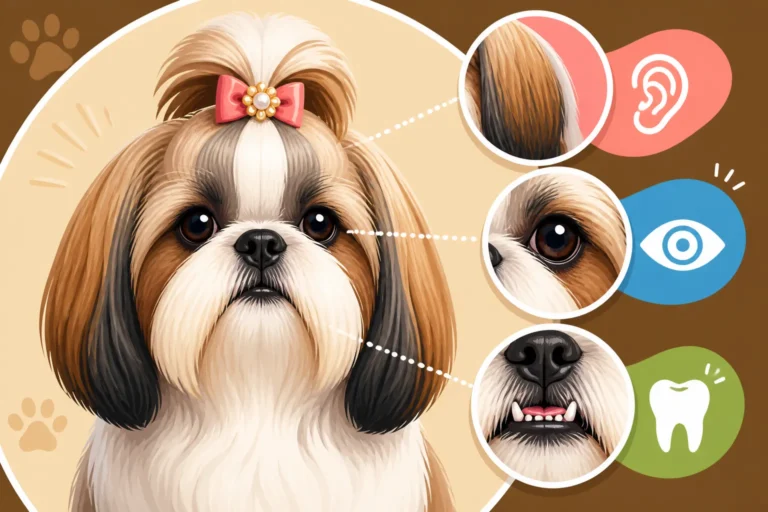
The Shih Tzu's charming flat face, while endearing, is also the source of several breed-specific health concerns, falling under the umbrella of "brachycephalic syndrome." Their shortened snouts can lead to Brachycephalic Breathing in a Shih Tzu, causing noisy breathing, snoring, and difficulty regulating body temperature. This makes them highly susceptible to overheating, especially in warm weather or during strenuous exercise. Owners must be vigilant about keeping their Shih Tzu cool and limiting activity during hot parts of the day. Keeping a Flat-Faced Shih Tzu Cool is not just a comfort measure; it's a life-saving one.
Their prominent, often bulging eyes are also vulnerable. Shih Tzu Eye Proptosis, the Emergency Owners Miss is a serious condition where the eyeball pops out of its socket, often due to trauma or even vigorous handling. Other common eye issues include corneal ulcers from irritation (often from hair or eyelashes), dry eye, and cataracts. Regular eye checks and preventative care, like keeping facial hair trimmed, are crucial. Additionally, Shih Tzus are prone to Shih Tzu Dental Disease at 13 Percent of the Breed due to their crowded jaws, which often don't have enough space for all 42 teeth. This crowding can lead to tartar buildup, gum disease, and tooth loss, requiring frequent professional dental cleanings. Their long backs in proportion to their legs also make them susceptible to Shih Tzu Back Problems and Disc Disease, so limiting jumping and providing ramps is important.
Cavalier Health: Cardiac and Neurological Concerns
Cavalier King Charles Spaniels are, unfortunately, known for several significant health issues, with heart disease being a primary concern. Mitral Valve Disease (MVD) is extremely common in the breed, often developing at a younger age than in other dogs. It's a progressive condition that can eventually lead to heart failure. Responsible breeders will have their breeding dogs regularly checked by a veterinary cardiologist and participate in programs to monitor heart health. Regular vet check-ups for your Cavalier, including listening carefully to their heart, are essential from a young age.
Another serious concern for Cavaliers is Syringomyelia (SM), a neurological condition where fluid-filled cavities develop in the spinal cord, often due to a malformation of the skull that crowds the brain. Symptoms can range from mild discomfort (scratching at the air near their neck) to severe pain and neurological deficits. Patellar luxation, where the kneecap slips out of place, is also seen in Cavaliers, as is hip dysplasia, although less commonly than in larger breeds. Certain eye conditions, while not as dramatic as Shih Tzu proptosis, can also occur, such as cataracts and multifocal retinal dysplasia. Because of these prevalent issues, finding a breeder who performs comprehensive health testing, including cardiac evaluations and potentially MRI screening for SM, is absolutely vital.
Proactive Health Management
For both breeds, proactive health management is the best defense against unforeseen issues. This starts with selecting a puppy from a reputable breeder who openly shares the health clearances of the parent dogs. For Shih Tzus, this means eye certifications and patella evaluations. For Cavaliers, cardiac clearances, eye exams, patella evaluations, and potentially MRI screenings for SM are crucial. Don't be afraid to ask for proof of these screenings – it's a testament to the breeder's commitment to the breed's health.
Once your furry friend is home, regular veterinary check-ups are non-negotiable. Your vet can monitor for early signs of breed-specific conditions, recommend preventative care, and advise on appropriate diets. For instance, a Shih Tzu might benefit from regular dental cleanings to combat their crowded teeth, while a Cavalier might need ongoing monitoring for heart murmurs. Diet plays a significant role in overall health; high-quality dog food appropriate for their life stage and activity level, perhaps even specialized diets available through retailers like Chewy, can support their well-being. Keeping both breeds at a healthy weight is also critical to minimize stress on their joints and organs. Being informed and proactive allows you to give your beloved companion the best chance at a long, healthy, and happy life.
Exercise, Training, and Lifestyle Fit
While both Shih Tzus and Cavalier King Charles Spaniels are small companion dogs, their energy levels, training temperaments, and ideal living situations can differ, making one a better fit for your household than the other. It's about finding that sweet spot where their needs align with your lifestyle.
Activity Levels: More Than Just Lapdogs
Despite their "toy breed" classification, neither the Shih Tzu nor the Cavalier is a complete couch potato – though they both excel at being excellent lap warmers! The Shih Tzu typically has a low to moderate energy level. They enjoy short, leisurely walks around the neighborhood, playful romps in a securely fenced yard, or engaging in indoor games of fetch. A couple of 15-20 minute walks a day, combined with some indoor playtime, is usually sufficient to keep them happy and physically conditioned. Too much strenuous exercise, especially in warm weather, can be dangerous for their brachycephalic respiratory systems. They often have bursts of energy, affectionately known as "zoomies," but are generally content to then settle down for a good nap.
Cavalier King Charles Spaniels, while also enjoying their cuddle time, generally have a slightly higher, more consistent energy level. They are spaniels at heart, which means they enjoy exploring, sniffing, and retrieving. They thrive on longer, moderate walks, typically 30-45 minutes daily, and would happily accompany you on gentle hikes or even some beginner agility courses if introduced properly. Their natural curiosity and love for the outdoors mean they enjoy having varied experiences. They’re usually eager to play and engage, making them great companions for active families or individuals who enjoy being out and about. It's important to remember that they are scent hounds, so a secure leash or fenced area is crucial when outside, as their nose might lead them on an adventure!
Training Approaches: Patience and Positive Reinforcement
When it comes to training, both breeds respond best to positive reinforcement methods. Harsh corrections or punishment can easily damage their sensitive spirits and make them shut down. However, their inherent motivations for learning can vary. The Shih Tzu, with their independent streak, can sometimes be described as stubborn. They are intelligent and capable of learning, but they often need you to convince them that training is worthwhile and fun. Treats, praise, and short, engaging sessions are key. Shih Tzu Training Month by Month emphasizes consistency and patience. House training, in particular, can be a challenge for Shih Tzus and may take longer than for some other breeds, often requiring meticulous scheduling and reinforcement. They sometimes have a habit of marking indoors, especially males, which might necessitate belly bands.
Cavalier King Charles Spaniels are generally more eager to please and, as such, tend to be more responsive to training. They love to learn new things, especially if it involves spending time with their favorite person and earning praise or a tasty treat. This makes them relatively easy to train in basic obedience and even more advanced tricks. Their desire for companionship means they thrive on interaction and look to you for guidance. House training is usually straightforward with consistent effort. Cavaliers are often excellent candidates for puppy kindergarten and obedience classes, as they enjoy the mental stimulation and social interaction. However, even with their eager-to-please nature, consistency is always the most important ingredient for success.
Ideal Living Environments
Both Shih Tzus and Cavalier King Charles Spaniels are highly adaptable and can thrive in various living situations, from small apartments to larger homes with yards. Their small size makes them ideal apartment dwellers. However, there are a few considerations based on their breed-specific traits. For a Shih Tzu, climate control is critical due to their brachycephalic nature. An air-conditioned home in summer is not a luxury; it's a necessity. They also appreciate a comfortable, quiet spot where they can retreat when they need some downtime, although they’ll usually prefer it to be near you. Their grooming needs also mean you’ll want a dedicated space for daily brushing sessions.
Cavaliers are also excellent apartment dogs, but their social nature means they truly suffer if left alone for long periods. If you work long hours, a Cavalier might not be the best fit unless you have arrangements for a dog walker or doggy daycare. They thrive on constant companionship and can become anxious or destructive if bored and isolated. Their generally quiet nature makes them good neighbors, and their adaptability means they can easily join you on outings to pet-friendly cafes or visits to friends and family. Both breeds are wonderful choices for seniors, families with respectful children, or individuals seeking a devoted, affectionate companion, provided their specific needs regarding grooming, health, and companionship are met.
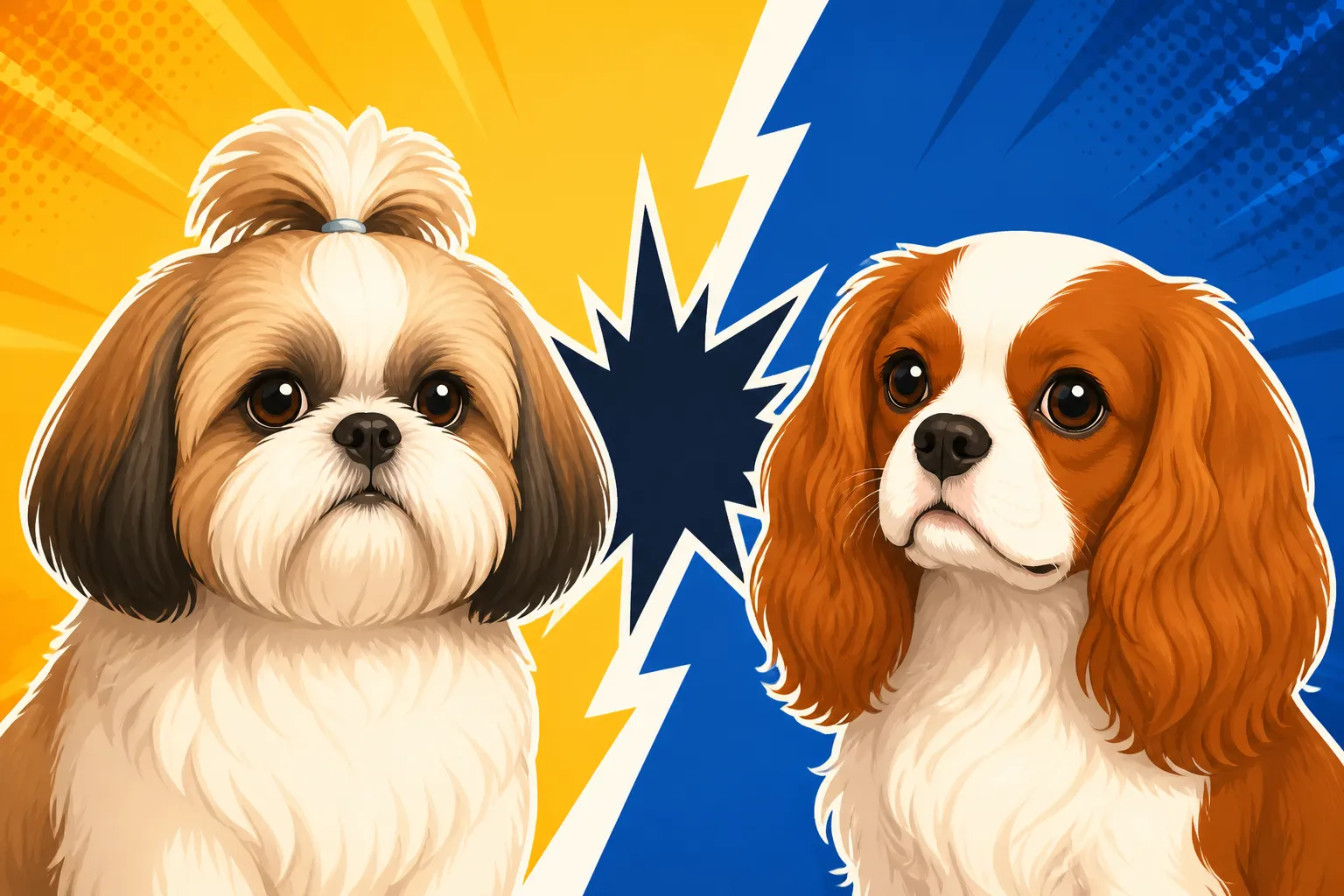
| Feature | Shih Tzu | Cavalier King Charles Spaniel |
|---|---|---|
| Temperament | Spirited, affectionate, sometimes stubborn, playful | Gentle, extremely affectionate, eager to please, loving |
| Grooming Needs | High: Daily brushing, professional grooming every 4-6 weeks, topknot/face trims crucial. | Moderate: 2-3 times/week brushing, less professional grooming, focus on ears/paws. |
| Coat Type | Long, double coat, prone to matting | Medium-length, silky, single coat, feathered |
| Brachycephalic? | Yes, significant concerns | No |
| Key Health Concerns | Brachycephalic Syndrome (breathing, heat), Eye Proptosis, Dental Disease, Back Problems | Mitral Valve Disease (MVD), Syringomyelia (SM), Patellar Luxation |
| Energy Level | Low to Moderate | Moderate |
| Exercise | Short walks (15-20 min/day), indoor play | Moderate walks (30-45 min/day), varied activities |
| Trainability | Intelligent but can be stubborn, requires patience, positive reinforcement. | Eager to please, generally easier to train, responsive to positive reinforcement. |
| Alone Time | Tolerates moderate alone time with preparation | Prone to separation anxiety, prefers constant companionship |
Ultimately, both the Shih Tzu and the Cavalier King Charles Spaniel are truly wonderful breeds, each bringing a unique blend of charm, affection, and companionship to their human families. The "best" choice really depends on what you're looking for in a dog and what you're prepared to offer. If you're enchanted by a spirited, somewhat independent little lion dog who thrives on a structured grooming routine and cozy cuddles, the Shih Tzu might be your perfect match. If you dream of a gentle, utterly devoted "love sponge" who lives to be by your side and is generally more adaptable to training, then the Cavalier King Charles Spaniel could be the dog for you. Take the time to consider their distinct personalities, health predispositions, and care requirements, and you'll undoubtedly find the perfect furry friend to enrich your life.
Disclaimer
This article is for general informational purposes only and does not constitute professional advice. Laws, prices and regulations vary by location and change over time. Consult a qualified professional for guidance on your specific situation.