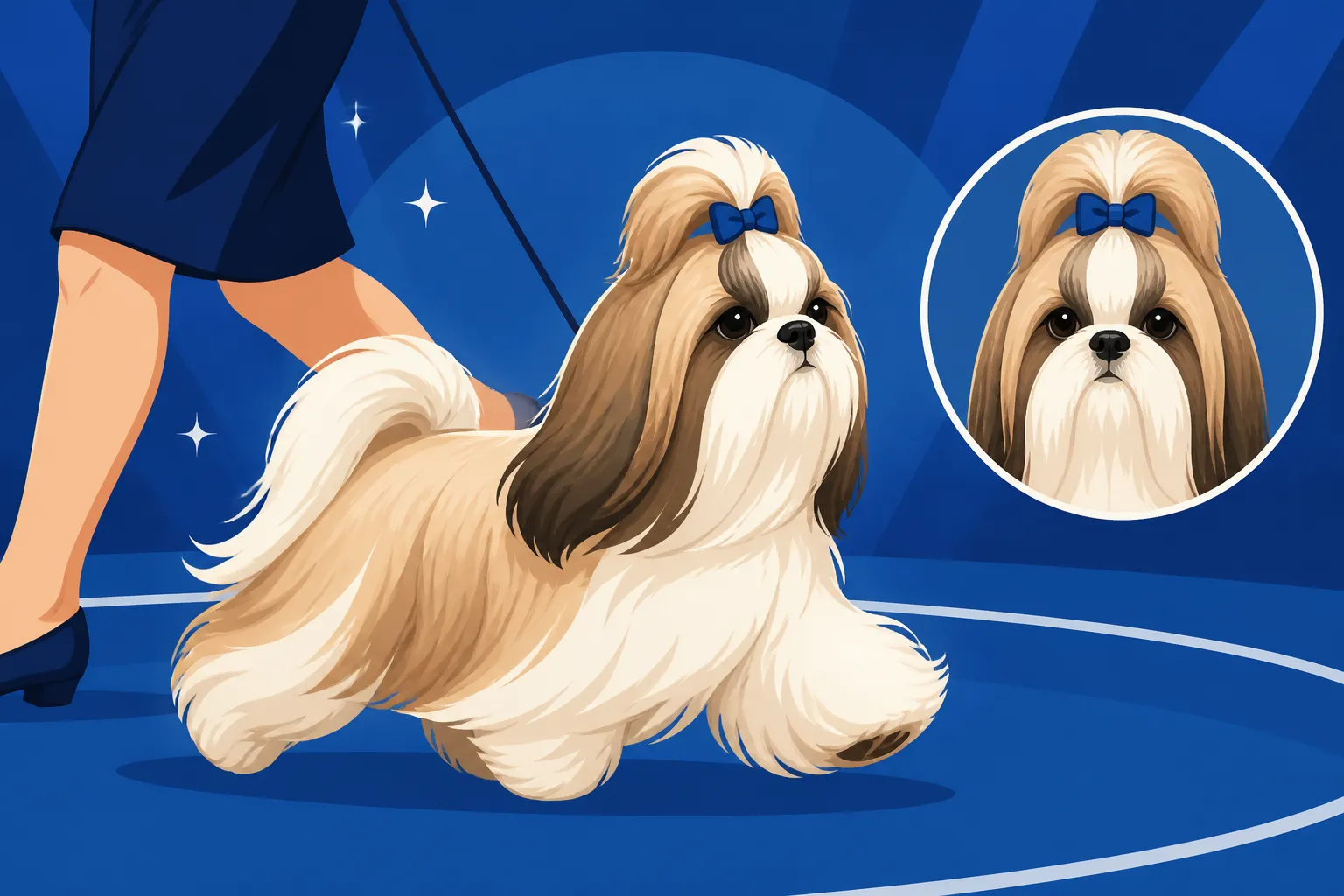
How a Shih Tzu Should Move Across the Ring
For those of us who adore the Shih Tzu, watching them glide across a show ring can be a truly captivating experience. But what exactly are the judges looking for, and how does that "ideal" movement translate to the healthy, happy scamper we want to see from our furry companions every day? It’s not just about a pretty face; a Shih Tzu's movement tells a story about its structure, health, and overall well-being. This guide will help you understand the nuances of the Shih Tzu gait, what makes it distinctive, and how to spot both perfect form and potential issues, whether you’re in the ring or just enjoying a stroll in the park.
Understanding the Ideal Shih Tzu Gait
The Shih Tzu breed standard describes a very particular way of moving, one that speaks to their unique history as pampered companions meant to carry themselves with dignity. It's not the athletic stride of a working dog, but something far more charming and deliberate.
The Characteristic "Arrogant" Walk
When a Shih Tzu moves correctly, it's often described as an "arrogant" or "haughty" gait. This isn't a negative trait; rather, it refers to the proud, self-assured way they carry themselves. Imagine a tiny monarch surveying their kingdom – that's the attitude we're talking about! The head is held high, the plumed tail arcs gracefully over the back, and there's a certain confidence in each step.
This "arrogant" walk isn't just about posture; it’s a reflection of balanced structure. Their short legs are well-boned and move in a straight line, neither turning in nor out. The steps are light and free, covering ground with surprising efficiency for such a small dog. You won't see exaggerated reach or drive like in some larger breeds; instead, it's a flowing, smooth motion that appears effortless. It should give the impression of a little dog full of self-importance, gliding rather than trotting. This specific carriage is a hallmark of the breed, differentiating it from other toy dogs. For more on breed specifics, check out The Shih Tzu Standard and What Judges Look For.
Reach and Drive in a Compact Frame
Despite their compact size, a Shih Tzu should exhibit good reach and drive, meaning their front legs extend forward gracefully and their hind legs push off with power. However, this reach and drive are proportional to their small frame. You won't see a huge, sweeping stride. Instead, the forelegs should extend straight out from the shoulder, and the hind legs should push cleanly from the hip, driving the dog forward without any wasted motion.
The key here is balance and efficiency. Each step should be moderate, allowing the dog to cover ground smoothly without overreaching or under-reaching. The pads of the feet should show when they lift, indicating proper foot placement. When observing from the side, the back should remain level, and the topline should not bounce or dip excessively. A healthy, well-conditioned Shih Tzu will maintain this elegant, balanced movement, even during a brisk walk. This elegant appearance ties directly into The Rectangular Outline the Standard Wants, which emphasizes their well-proportioned body.
Why Balance is Key
Balance in movement is absolutely paramount for a Shih Tzu. Their unique structure, with a slightly longer body than tall and a proud tail set, requires careful equilibrium. When they move, their body should remain level, not tipping from side to side or bouncing up and down excessively. This evenness demonstrates strong musculature and proper alignment throughout the spine and limbs.
A balanced gait allows the Shih Tzu to move gracefully and comfortably, reducing strain on their joints and back. Any wobbling, shuffling, or unevenness can be a sign of underlying structural issues or even pain. Think of it like a perfectly tuned engine; all parts work together harmoniously. Without this balance, their characteristic "arrogant" stride simply falls apart, and they cannot present themselves to the best of their ability, whether in the show ring or just trotting to their food bowl. Even the way The Plumed Tail on a Shih Tzu Back is carried contributes to this overall sense of balance and presentation.
Common Movement Faults in a Shih Tzu
Even the most adored Shih Tzu can sometimes exhibit movement quirks or outright faults that can detract from their appearance in the ring or signal a health concern. Understanding these common issues can help owners and judges alike.
Stiff or Stilted Gaits
A stiff or stilted gait is one of the more common movement faults you might observe in a Shih Tzu. Instead of the flowing, effortless motion, the dog’s steps might appear short, choppy, and lacking in elasticity. They might seem to lift their paws reluctantly or move their legs like pistons rather than with a natural swing. This can sometimes be confused with their naturally moderate stride, but a truly stilted gait lacks fluidity.
This kind of movement can indicate several things. In a show setting, it might simply mean the dog is nervous or not properly conditioned. However, it can also be a red flag for underlying discomfort or pain, especially in the joints or back. Conditions like Shih Tzu Joint Problems in a Toy Frame or even early signs of Shih Tzu Back Problems and Disc Disease can manifest as a stiff gait. It’s crucial to differentiate between a dog that’s just a bit unsure on the lead and one that is genuinely uncomfortable. For daily care, providing ramps can help prevent back strain, as discussed in Ramps for a Shih Tzu With a Long Spine.
Paddling, Weaving, or Crabbing
These terms describe specific deviations from a straight-line, balanced movement.
- Paddling occurs when the front legs swing out in an arc rather than moving straight forward. It's like they're trying to paddle through water.
- Weaving is when the dog's legs cross over or brush against each other during movement, creating an unnatural crisscross pattern.
- Crabbing (or side-winding) happens when the dog moves at an angle, with their body slightly askew, rather than moving in a straight line with their head directly over their shoulders.
These faults are often structural in origin, pointing to issues with shoulder or hip alignment, or even foot conformation. They can also be compensatory movements if a dog is trying to alleviate pressure on a painful area. For instance, a dog with discomfort in one hip might crab to shift weight. These issues affect overall efficiency and can put undue stress on other parts of the body over time. Regular observation, especially during walks, can help you catch these subtle signs early.
The Impact of Structural Issues
Structural issues are at the root of many movement faults. Because a Shih Tzu is built for companionship and not high-impact activities, their skeletal structure is designed for grace and comfort, not speed or endurance. Deviations from the breed standard, such as incorrect angulation of the shoulders or hips, a short upper arm, or an overly long loin, can all impact movement.
For example, a common issue in smaller breeds is Patellar Luxation in a Shih Tzu, where the kneecap slips out of place. A dog with luxating patellas might skip steps, hold a leg up, or exhibit a sudden lameness, which profoundly affects their gait. Similarly, conditions like hip dysplasia, though less common in toy breeds, can also lead to an uneven, painful stride. These structural concerns aren't just aesthetic; they can lead to chronic pain and reduced quality of life if not addressed. Early detection and consultation with a veterinarian are vital for managing these issues.
| Movement Characteristic | Ideal Shih Tzu Gait | Common Faults | Potential Cause |
|---|---|---|---|
| Head Carriage | High, proud, confident | Low, tucked, darting | Nervousness, discomfort, poor conditioning |
| Topline | Level, steady, no excessive bounce | Bouncing, dipping, rolling | Weak core, poor muscle tone, back pain |
| Foreleg Action | Straight, moderate reach, fluid extension | Paddling (swinging out), short strides, weaving | Structural faults (shoulders, elbows), pain in front limbs |
| Hindleg Action | Straight, moderate drive, strong push | Crabbing (moving sideways), cow-hocked (hocks close together), weak drive | Structural faults (hips, knees), patellar luxation, weakness |
| Foot Placement | Clean, purposeful, pads showing on lift | Dragging feet, stumbling, turning in/out | Nail length, weak pasterns, neurological issues, pain |
| Overall Impression | Effortless, balanced, "arrogant" grace | Stiff, stilted, uncoordinated, hesitant | Pain, fear, poor conditioning, structural defects |
Preparing Your Shih Tzu for the Ring
If you’re planning to show your Shih Tzu, preparing their movement is just as important as grooming their coat. Even if you're not showing, these tips can help ensure your Shih Tzu moves comfortably and confidently in everyday life.
Leash Training for the Show Gait
Leash training for the show ring is a specific skill that differs from a casual walk around the block. The goal is to teach your Shih Tzu to move briskly and smoothly at your side, keeping a consistent pace that allows the judge to properly assess their gait. This means no sniffing, no pulling, and no lagging behind.
Start with short, positive sessions. Use a lightweight show lead and collar, or a comfortable harness that doesn't interfere with their movement or mat their coat – Chewy offers a great selection of harnesses suitable for smaller breeds that don't chafe or pull delicate hair. Practice walking in a straight line, making clean turns, and doing "down and back" patterns, which judges often use. Reward your dog lavishly for maintaining the correct pace and posture. Remember, consistency is key, and patience will help build your dog's confidence. For more on how to manage their enthusiasm, look into Shih Tzu Leash Pulling and Harness Choice.
Conditioning for Optimal Movement
Just like human athletes, show dogs benefit from physical conditioning. While a Shih Tzu isn't a marathon runner, good muscle tone and stamina are essential for them to move at their best for extended periods in the ring. This doesn't mean intense workouts, but rather regular, controlled exercise.
Daily walks at a moderate pace, combined with some structured play, can build strength and endurance. Focus on activities that encourage full range of motion without over-stressing their delicate backs and joints. Gentle inclines or declines can build hindquarter strength, and short bursts of fetch can improve responsiveness. Avoid high-impact jumps or rough play that could lead to injury. A balanced diet, perhaps with supplements for joint health, can also contribute to overall physical fitness. Ensuring What a Shih Tzu Should Weigh Fully Grown is also critical for comfortable movement, as excess weight puts strain on joints and spine.
Practice Makes Perfect
There's no substitute for regular practice when it comes to refining your Shih Tzu's movement. Find a quiet space that mimics a show ring environment, if possible, and run through your patterns. If you have a friend, have them pretend to be the judge to get your dog used to being examined and moving under scrutiny.
Practice should also include stacking – posing your dog in a stationary position that highlights their best features. A well-trained Shih Tzu will transition seamlessly from a stack to a trot and back again, holding their composure throughout. The more exposure they have to these routines, the more confident and natural they will appear. Even if you're not showing, practicing good leash manners and consistent walking can prevent everyday movement issues and keep your Shih Tzu healthy and agile.
Beyond the Ring: Everyday Movement and Health
Understanding the ideal show gait is valuable, but it's equally important to observe your Shih Tzu's everyday movement for signs of health and well-being. Their daily scamper can tell you a lot about how they're feeling.
Recognizing Healthy Everyday Movement
A healthy Shih Tzu, even when not "on parade," should move with ease and enthusiasm. Their steps should be relatively light and springy, their tail should be carried happily (though not necessarily in the perfect show curve), and there should be no obvious limping, stiffness, or reluctance to move. They should be able to navigate their environment, including stairs or small jumps onto furniture (though it's always best to discourage jumping to protect their backs), without visible discomfort.
Watch how they play. Do they chase toys with joy? Do they greet you with a happy bounce? These are all indicators of good health and sound movement. Pay attention to changes in their usual gait. A slight decrease in activity, a hesitation before jumping, or a new stiffness in the morning could be subtle clues that something is amiss. Chewy also carries many products designed to support overall health, from joint supplements to specific diets that can help maintain mobility. Their natural movement during The Short Walks a Shih Tzu Is Built For should always be a pleasure, not a chore.
How Age and Health Affect Gait
As Shih Tzus age, their movement naturally changes, just like ours does. Senior dogs might slow down, their steps might become a little less springy, and they might show some stiffness, especially after resting. This is a normal part of the aging process, but it's still important to monitor. Gradual changes are typical, but sudden lameness or a dramatic shift in gait warrants a vet visit.
Beyond age, various health conditions can significantly impact a Shih Tzu's movement. Arthritis, disc disease, patellar luxation, and even dental pain can alter how they walk. For example, a dog with severe dental issues might adjust its head carriage to avoid jarring its mouth, which subtly impacts its gait. Obesity can also heavily burden their small frames, leading to a labored, waddling gait and increased risk of joint problems. Regular vet check-ups, even for healthy seniors, can catch these issues early and provide interventions to keep your Shih Tzu moving comfortably for as long as possible.
Supporting Natural Movement at Home
Creating a safe and supportive home environment can go a long way in preserving your Shih Tzu's natural movement and preventing injuries. One of the most important steps is managing access to high places. Discourage jumping on and off furniture or beds, as the impact can be detrimental to their long backs. Instead, use pet ramps or stairs to provide safe access.
Ensure your home has good traction, especially if you have slippery floors. Rugs or runners can prevent slips and falls, which can lead to sprains or more serious injuries. Keep their nails trimmed short to ensure proper foot placement. Long nails force their toes up, affecting their gait and potentially causing discomfort. A nutritious diet tailored to their life stage and activity level, combined with appropriate exercise, will help maintain a healthy weight and strong muscles, which are fundamental for sound movement throughout their lives.
Disclaimer
This article is for general informational purposes only and does not constitute professional advice. Laws, prices and regulations vary by location and change over time. Consult a qualified professional for guidance on your specific situation.