The Rectangular Outline the Standard Wants
When you picture a Shih Tzu, your mind probably conjures an image of a fluffy, adorable cloud with big, soulful eyes. And while that's certainly part of their charm, the official breed standard actually describes a very specific body shape that's more about function and historical purpose than just cuteness. This guide will take a deep dive into what that "rectangular outline" truly means, why it's so important for the breed, and how it translates to the everyday life and well-being of your precious companion.
Understanding the Breed Standard's Ideal Shih Tzu Shape
It might sound a bit technical, but the breed standard for the Shih Tzu, as laid out by organizations like the AKC, uses terms like "compact" and "solidly built" while also specifying proportions that create a "rectangular" overall appearance. This isn't just about aesthetics for the show ring; it speaks to the dog's historical role and how it should move and carry itself. Forget the idea of a perfectly square dog like some other breeds; the Shih Tzu has a distinct length-to-height ratio that's crucial.
What a Rectangular Body Proportions Means
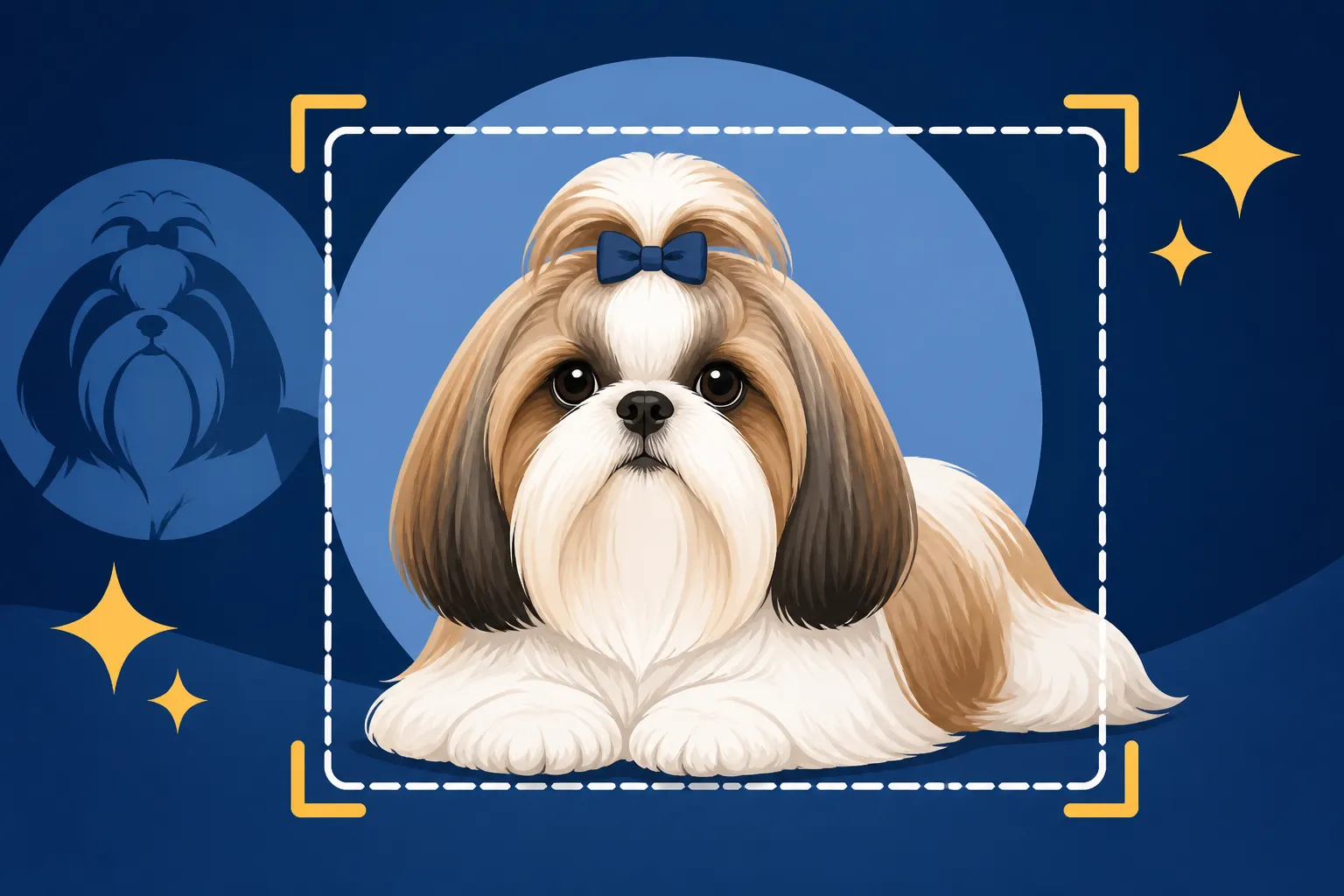
Imagine drawing a box around your Shih Tzu. For a well-proportioned dog, that box shouldn't be a perfect square. Instead, it should be longer than it is tall, giving it that "rectangular" look. Specifically, the body should be slightly longer from the point of the shoulder to the point of the buttock than the height measured at the highest point of the withers (the ridge between the shoulder blades). This isn't a massive difference, but a subtle one that creates balance. A dog that is too short in body might look stubby, while one that is excessively long can appear stretched or weak in the back. This subtle elongation is a hallmark of the breed's structure.
This proportion is particularly important because of their long, flowing coats. It can be easy for a thick coat to create the illusion of a different shape, making a dog appear squarer or even shorter than they actually are. A seasoned judge or a knowledgeable breeder will know to feel through the coat to assess the underlying bone structure. When you're looking at a Shih Tzu, whether in person or in photos, try to mentally strip away the fluff and picture the skeleton beneath. That's where the true rectangular outline reveals itself. For more on how they're assessed, you might want to read The Shih Tzu Standard and What Judges Look For.
Why Proportions are Crucial for a Toy Breed
You might wonder why such precise measurements matter for a breed whose main job is to be a loving companion. The truth is, good conformation directly impacts a dog's health and ability to move comfortably throughout its life. A well-balanced, rectangular body helps distribute weight properly, reducing strain on joints and the spine. For a breed already prone to certain structural issues, like Shih Tzu Back Problems and Disc Disease or Shih Tzu Joint Problems in a Toy Frame, having a correctly proportioned body can contribute significantly to their overall well-being.
Consider a dog with a body that's too short relative to its height. This can lead to a compressed appearance and potentially impact the way their internal organs are situated, or affect their gait. Conversely, a body that's too long might put excessive stress on the lumbar region of the spine, increasing the risk of disc problems. The rectangular outline isn't just a pretty picture; it's a blueprint for a dog designed to be healthy and functional within its toy breed limitations. It ensures they can run, play, and navigate your home with relative ease, despite their small stature and sometimes abundant hair.
Evaluating the Shih Tzu's Length and Height
For those of us who aren't dog show judges, how do we actually "see" this rectangular outline? It comes down to understanding where to measure and what to look for. It's not about pulling out a tape measure every day, but more about developing an eye for proper balance in your Shih Tzu.
From Withers to Tail Set: Defining Body Length
To assess body length, you need to consider two key points: the withers and the point of the buttocks. The withers, as mentioned, are the highest point of the shoulder blades. From there, you'll mentally draw a line along the top of the spine to the point where the tail set begins, at the very base of the tail, before it plumes up over their back. This segment defines the body length. The breed standard dictates that this length should be slightly greater than the height. It's this slight elongation that gives them that distinct rectangle, rather than a square.
This length also needs to be supported by a strong, level back. A dipped or roached back can throw off the entire outline and indicate structural weaknesses. The tail itself, with its high set and plume, is also an important characteristic, as described in The Plumed Tail on a Shih Tzu Back, and its correct placement contributes to the overall silhouette. A low-set tail, for instance, could make the dog appear longer in the back than it truly is, disrupting the intended visual balance.
Leg Length and Body Depth: Defining Height
The "height" of a Shih Tzu is measured from the ground up to the top of the withers. For perspective, the breed standard generally calls for a height between Nine to Ten and a Half Inches at the Shoulder for mature dogs. This height also has a direct relationship with their body depth, which is the measurement from the top of the withers down to the lowest point of the chest. A well-proportioned Shih Tzu will have a good depth of chest that extends down to or slightly below the elbow.
The legs, both front and rear, should be sturdy and well-boned, but not excessively long or short. Legs that are too long would make the dog appear square or even leggy, losing that desirable rectangular proportion. On the other hand, legs that are too short for the body depth can make them look cumbersome and impact their movement. It's all about a harmonious blend, where each part contributes to the overall balanced picture. When you observe your Shih Tzu moving, their stride should be unhindered and relatively graceful for a small dog, which is a direct reflection of good leg and body structure.
The Impact of Good Conformation on Health and Movement
While the rectangular outline might seem like a superficial detail for dog shows, it's actually deeply rooted in promoting a healthy, comfortable life for your Shih Tzu. A dog that deviates too far from this ideal can face various challenges that go beyond just looks.
Avoiding Exaggeration: What to Watch Out For
Just like any breed standard, the "rectangular outline" can be misinterpreted or exaggerated, sometimes leading to problems. For example, some breeders might strive for an excessively long back, which can put undue stress on the spine and increase the risk of intervertebral disc disease (IVDD). Others might prioritize a very compact body that ends up being too short for its height, leading to a "cobby" appearance that restricts natural movement or crowds internal organs. These exaggerations are where health problems often begin.
A truly well-bred Shih Tzu will embody the standard without extremes. Their body will be slightly longer than tall, but not so much that it looks stretched or delicate. Their legs will be proportionate, neither too long nor too short, allowing for fluid movement. This is why it's so important to choose a reputable breeder who prioritizes health and correct conformation over trends or extreme features. They understand that the structural integrity described in the standard is there to ensure a happy, mobile dog. This also plays into avoiding issues like Shih Tzu Hip Dysplasia at Toy Size, where correct joint alignment is paramount.
Graceful Movement for a Happy Shih Tzu
When a Shih Tzu has the correct rectangular outline and overall balanced conformation, their movement should reflect this harmony. They should move with a smooth, unencumbered gait. This doesn't mean they'll be winning agility competitions (they weren't bred for that!), but they should walk with purpose and confidence. Their short, sturdy legs should allow them to carry their compact body without strain. You won't see them struggling to keep up on a short walk, or appearing awkward when they trot.
Instead, a well-built Shih Tzu will have a surprising amount of stamina for their size. They should be able to enjoy their daily strolls and indoor play without discomfort. If you notice your Shih Tzu struggling to climb stairs, reluctant to jump (even from low heights), or showing stiffness, it could be a sign of underlying structural issues that might stem from poor conformation. The way a Shih Tzu moves is a living, breathing testament to its underlying structure. For more insights on this, take a look at How a Shih Tzu Should Move Across the Ring.
Beyond the Outline: How the Coat Can Affect Perception
The Shih Tzu is famous for its luxurious, flowing double coat, and this can be both a blessing and a challenge when it comes to perceiving their true body shape. Owners often joke that their dog is 90% hair, and sometimes it feels that way!
The Illusion of a Square Dog
It's truly amazing how a full, expertly groomed Shih Tzu coat can create an optical illusion. The profuse hair, especially when meticulously brushed out and flowing, can make a slightly rectangular dog appear much squarer or more robust than their actual skeletal structure dictates. The deep chest and broad loin, covered in layers of hair, can look like a solid block. This is often the goal in the show ring, where groomers use their skills to enhance the appearance of a compact, well-balanced dog, even if the underlying bone structure is technically longer than it is tall.
However, this also means that owners need to be careful not to mistake the "fluff factor" for true conformation. A very fluffy dog might look stocky, but if you were to give them a very short "puppy cut," their true body shape would become evident. This is why hands-on examination is crucial when assessing a Shih Tzu's structure. Understanding The Shih Tzu Coat the Standard Describes can help you appreciate this interplay between hair and frame.
Grooming to Highlight (or Obscure) the Shape
Grooming plays a monumental role in how a Shih Tzu's outline is presented. For show dogs, every strand is placed to emphasize the breed's characteristics, including its rectangular body. Groomers might strategically trim or style the coat to visually shorten a slightly long back or add depth to a chest. This is a skilled art form, but for the average pet owner, it's more about practicality and comfort.
Many pet Shih Tzus wear a "puppy cut" or a shorter trim, which reveals much more of their natural physique. This can be quite liberating for the dog and the owner, as it reduces the daily grooming demands of Brushing a Shih Tzu Double Coat Every Day. When considering Choosing Between a Full Coat and a Puppy Cut, remember that a shorter cut will give you a clearer picture of your dog's actual body proportions. Whether your Shih Tzu is adorned with a flowing mane or a sporty short clip, their underlying rectangular outline remains a testament to generations of careful breeding focused on health and breed type. And no matter the cut, a happy, healthy Shih Tzu will always be a joy to have around, perhaps with a treat from Chewy to reward their patience after a good brush!
| Feature | Ideal Rectangular Outline | Less Ideal (Too Square) | Less Ideal (Too Long) |
|---|---|---|---|
| Body Length | Slightly longer than tall | Equal to height | Significantly longer than tall |
| Back | Level, strong | Can appear compact, "cobby" | Can appear weak, dipped |
| Legs | Moderate, sturdy, proportionate | Can appear short or compressed | Can appear long or spindly |
| Chest Depth | Good, to or slightly below elbow | Can be shallow or excessively deep | Can be shallow, not matching length |
| Overall Look | Balanced, elegant, sturdy | Stocky, squat | Stretched, fragile |
Disclaimer
This article is for general informational purposes only and does not constitute professional advice. Laws, prices and regulations vary by location and change over time. Consult a qualified professional for guidance on your specific situation.