Why Tibetan Monks Held the Breed Sacred
For many of us who adore our Shih Tzus today, they are beloved family members, little furry shadows who bring immense joy and a fair share of grooming challenges! But have you ever stopped to think about the incredible journey this breed has taken, tracing back to ancient Tibet where these fluffy companions weren't just pets, but revered creatures held in deep spiritual regard? This guide will take you on a fascinating historical and cultural exploration, revealing why these "lion dogs" were considered sacred by Tibetan monks and how that reverence shaped their very existence for centuries.
The Spiritual Significance of Dogs in Tibetan Buddhism
It's hard to imagine our modern Shih Tzus, with their cheeky personalities and demanding cuddle sessions, as spiritual symbols, but in ancient Tibet, dogs held a unique and deeply revered place within the Buddhist faith. Unlike many Western cultures where animals might be seen purely as livestock or companions, in Tibetan Buddhism, the connection between humans and all living beings is profound, steeped in principles of reincarnation and compassion.
Animals as Sacred Beings and Reincarnation
In Tibetan Buddhist philosophy, all sentient beings are interconnected, and the cycle of reincarnation means that any living creature, including an animal, could be a reborn relative or even a spiritual teacher. This belief fosters an incredible sense of respect and care for animals. A dog wasn't just a dog; it was a soul on its own journey, perhaps even one working towards enlightenment. This perspective meant that harming an animal was seen as a grave act, and treating them with kindness was paramount. For the monks, nurturing and caring for these dogs was not merely a duty but a path to accumulating good karma and practicing the core tenets of their faith. Imagine living in a community where every animal you encountered was treated with this level of profound respect and understanding – it truly transforms the way you interact with them.
The Lion Dog Symbolism in Tibetan Culture
The term "Shih Tzu" itself translates to "little lion," and this isn't just a cute nickname. The lion holds immense symbolic weight in Buddhism, representing courage, majesty, and the roar of the Dharma (Buddhist teachings) that awakens beings from ignorance. The Buddha himself was often depicted with a lion. Therefore, a dog that resembled a miniature lion, with its flowing mane-like coat and proud demeanor, was seen as a living embodiment of this powerful symbol. These "lion dogs" were not meant to be fierce guardians in the conventional sense, but rather spiritual ones, reflecting the fierce compassion and wisdom of the Buddha. They were a constant, tangible reminder of these sacred principles within the monastery walls. You can read more about this connection in Tibetan Lion Dogs and the Shih Tzu Line.
Dogs as Protectors and Companions to Monks
While not guard dogs in the intimidating Rottweiler or German Shepherd sense, these small lion dogs played a vital protective role. Their keen senses and vocal nature meant they were excellent alarms. Imagine a quiet monastery, perhaps high in the Himalayas; any unusual sound would be quickly picked up by these alert little canines. Their barks would warn the monks of approaching strangers or potential dangers, acting as an early warning system. Beyond this practical purpose, they were also cherished companions. Monastic life, while spiritually rich, could be solitary. The constant, loving presence of a dog offered comfort, warmth, and an outlet for affection, enriching the emotional lives of the monks who dedicated themselves to spiritual pursuits. This companionship was a testament to the belief that even in the pursuit of enlightenment, the simple joy of a dog's presence was deeply valued.
The Mythical Origins of the Shih Tzu in Tibet
The history of the Shih Tzu is interwoven with legends and ancient lore, particularly concerning their mythical connections to revered Buddhist figures. These stories aren't just fanciful tales; they underscore the profound spiritual reverence with which these dogs were regarded.
Legends of the Lion Dog and Buddha
One of the most enduring legends links the Shih Tzu, or "lion dog," directly to the Buddha. The story goes that these dogs accompanied the Buddha on his earthly travels. When bandits or dangers approached, these little dogs would transform into powerful lions, protecting him fiercely before shrinking back to their adorable, fluffy forms once the threat passed. This myth elevates the Shih Tzu beyond a mere pet to a divine protector, a creature capable of supernatural feats in service of spiritual purity. It’s a powerful narrative that highlights their inherent goodness and protective spirit, even in their tiny packages. This legend certainly helped solidify their sacred status.
The Connection to Avalokiteshvara and Manjushri
Beyond the Buddha himself, Shih Tzus were also closely associated with important bodhisattvas, enlightened beings who postpone their own nirvana to help others. Avalokiteshvara, the Bodhisattva of Compassion, and Manjushri, the Bodhisattva of Wisdom, are frequently depicted with small lion-like dogs. These depictions aren't just artistic flourishes; they symbolize the profound wisdom and boundless compassion that these bodhisattvas embody, with the dogs serving as their loyal and astute companions. The presence of these dogs in such sacred iconography further cemented their status as blessed creatures, bringing spiritual merit and insight to those who encountered them. The Shih Tzu From Tibetan Temples to American Homes delves into how these dogs eventually made their way beyond these sacred origins.
The Journey from Tibet to the Chinese Imperial Court
While often revered in Tibetan monasteries, the Shih Tzu’s journey didn't end there. They were frequently gifted as tribute from Tibet to the Chinese Imperial Court, becoming highly prized possessions of emperors and empresses. This movement was more than just a change of address; it was a cultural exchange that spread the breed’s legendary status. In China, they continued to be associated with good fortune and royalty, pampered within the palace walls. The Chinese took great pride in refining the breed, focusing on their distinctive appearance and charming temperament. This transition from sacred monastery dog to imperial companion solidified their place in history as a breed of exceptional pedigree and significance, adored by both spiritual leaders and powerful rulers alike.
Guardians of the Monasteries: Shih Tzus Beyond Companionship
It might seem contradictory to consider a small, fluffy breed like the Shih Tzu as a "guardian," especially when we think of larger, more imposing breeds typically assigned such roles. However, in the unique context of Tibetan monasteries, their guarding duties were perfectly suited to their nature and the environment.
Alertness and Their Role as "Little Sentinels"
Shih Tzus are naturally alert and possess surprisingly keen hearing, a trait that proved invaluable in the quiet, often remote settings of Tibetan monasteries. Their primary role wasn't to physically fend off intruders, but to act as early warning systems. Imagine a monk deep in meditation, the silence of the mountains broken only by the wind. Suddenly, a Shih Tzu would emit a sharp, insistent bark. This alert, much like a tiny, furry alarm bell, would immediately signal the approach of someone or something unfamiliar long before it became visible. This vigilance allowed the monks to prepare, whether for welcoming guests or addressing an unexpected situation. Their small size meant they could move quietly and discreetly, but their voices carried a surprising authority when needed.
Protecting Sacred Spaces and Scrolls
Within the monasteries, valuable religious texts, artifacts, and sacred relics were often kept. While these might not have been targeted by common thieves in the way a modern bank might be, the presence of any unwelcome animal or person could disrupt the sanctity of the space or even damage delicate scrolls. The Shih Tzus, with their constant presence and watchful eyes, contributed to the overall security and preservation of these important items. They helped maintain an atmosphere of peace and order, discouraging small pests or curious creatures from entering forbidden areas. Their protective instincts, combined with their spiritual significance, meant they were seen as more than just pets; they were integral to the daily life and safeguarding of the monastery's spiritual and material treasures.
The Small Size, Big Voice Advantage
It's a common misconception that a guardian must be large. For the Shih Tzu in the monastery, their small stature was actually an advantage. They were agile, could easily navigate tight spaces, and, most importantly, they were quiet until a threat emerged. When they did bark, it was with purpose and volume, startling enough to draw attention. A pack of these "lion dogs," even small ones, creating a chorus of barks would be a formidable deterrent to anyone approaching with ill intent. Furthermore, their small size meant they consumed less, were easier to house, and posed less of a threat to the peaceful, contemplative atmosphere when not on alert. It’s a beautiful example of how a breed’s characteristics perfectly aligned with the specific needs of their unique environment, making them effective guardians in their own right.
The Shih Tzu as a Living Symbol of Fortune and Serenity
The reverence for Shih Tzus in Tibet went far beyond their practical uses as alarm systems. They were imbued with a mystical quality, seen as living conduits for positive spiritual energy and omens of good fortune. This belief transformed them into cherished members of the monastic community, embodying principles of peace and prosperity.
Manifestations of Good Luck and Prosperity
In many Asian cultures, certain animals are considered harbingers of good luck and prosperity, and the Shih Tzu was certainly among them. Their lion-like appearance, a symbol of strength and protection, naturally extended to the idea that they would bring good fortune to their owners or the establishment they resided in. For the monks, having these dogs within the monastery walls wasn't just about companionship; it was believed to enhance the spiritual aura of the place, inviting blessings and positive energy. Owning or even simply interacting with a Shih Tzu was thought to be a way to attract auspicious circumstances and promote well-being. This made them deeply valued, not just for what they did, but for what they represented to the community.
Bringing Calm and Joy to Monastic Life
While monastic life emphasizes spiritual discipline and contemplation, it doesn't mean an absence of joy or the need for emotional connection. The gentle, affectionate nature of the Shih Tzu, even in ancient times, would have been a source of immense comfort and joy for the monks. Their playful antics, their soft fur inviting a comforting stroke, and their unwavering loyalty provided a grounding presence amidst the rigors of spiritual practice. They offered moments of lightheartedness and warmth, helping to alleviate the stresses of daily life and fostering a sense of calm and well-being. A wagging tail or a gentle nudge can do wonders for the spirit, even in a monastery, reminding everyone of the simple, pure happiness found in companionship.
Their Appearance as a Reflection of Inner Beauty
The distinctive appearance of the Shih Tzu—with their long, flowing coats, round eyes, and "chrysanthemum" faces—was not merely aesthetically pleasing; it was seen as a reflection of their inner spiritual beauty. Their regal bearing and often serene expressions seemed to embody the very qualities of peace and harmony that the monks sought to cultivate. The very act of grooming their magnificent coats, much like we might carefully brush our dogs today with products from a store like Chewy, could have been a meditative practice, a way to connect with and honor the sacredness of the animal. Their physical form was considered an outward manifestation of their blessed nature, reinforcing their status as sacred creatures deserving of profound respect and adoration. The Shih Tzu Head and Chrysanthemum Face explores this unique appearance further.
Life in the Monasteries: The Role of Shih Tzus
Life in a Tibetan monastery was structured, disciplined, and deeply spiritual. For the Shih Tzus living within these walls, their existence was far removed from the pampered lives many enjoy today, yet it was filled with profound respect and a unique place within the community.
Daily Care and Reverence for the Dogs
Despite their sacred status, these dogs were still living creatures with daily needs. Monks would have been responsible for feeding them, providing shelter, and ensuring their well-being. This care wasn't a chore, but an act of devotion, consistent with Buddhist principles of compassion for all sentient beings. Imagine a monk meticulously brushing the long coat of a Shih Tzu, not just for cleanliness, but as a mindful practice, appreciating the beauty of the creature. While modern conveniences like specific kibble formulas or fancy beds weren't available, the dogs would have been fed simple, wholesome food and given warm, safe places to rest. Their care was a demonstration of the monks' commitment to kindness and the reverence they held for these special companions. It speaks to a level of dedication that resonates even today when we think about our own dog's needs, from their dental care Daily Toothbrushing in a Crowded Shih Tzu Jaw to their nutrition Feeding a Shih Tzu at Nine to Sixteen Pounds.
Interaction with Monks and Their Environment
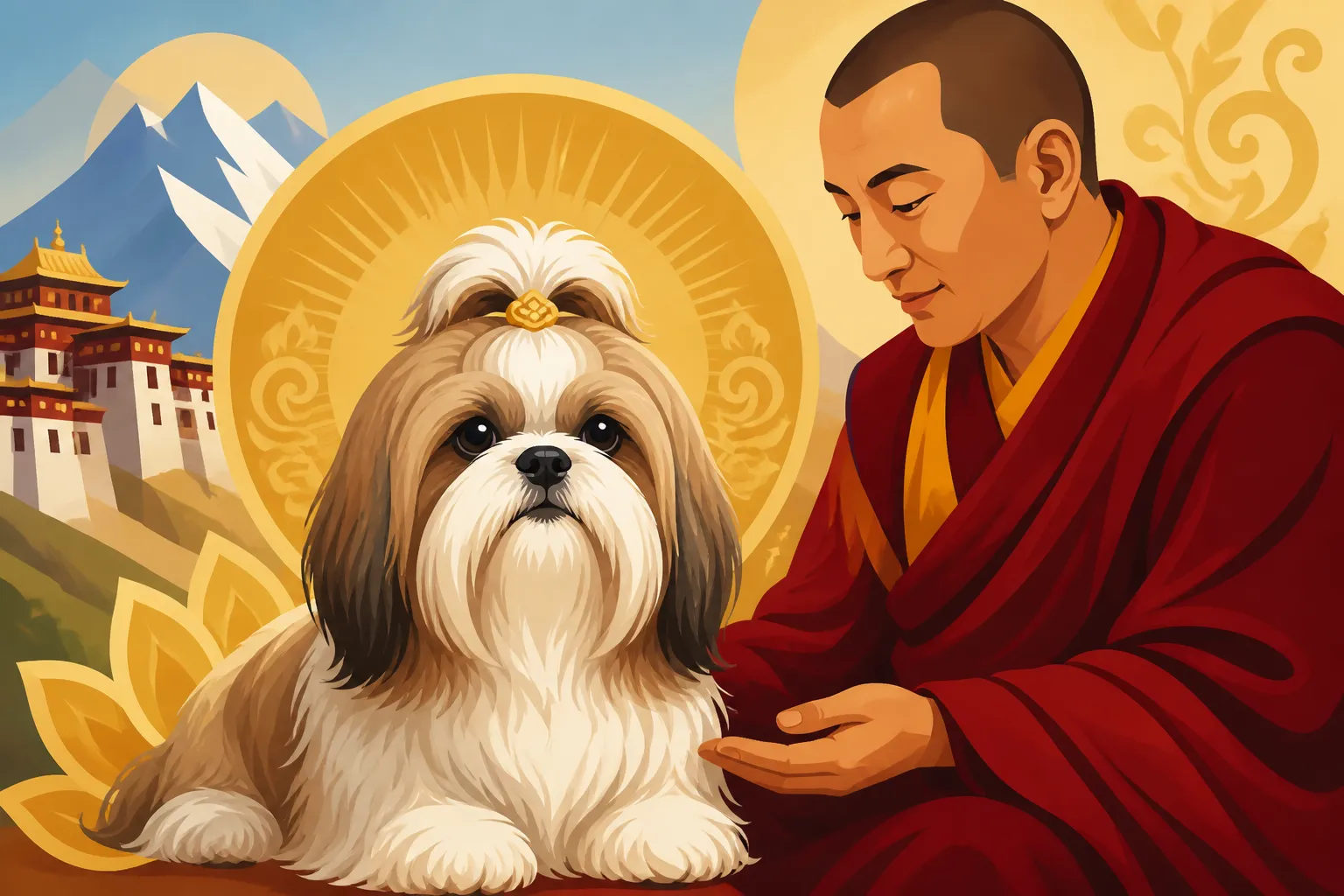
The interaction between monks and Shih Tzus would have been constant and intimate. These dogs would have moved freely within the monastery, often sitting alongside monks during meditation, accompanying them on their daily routines, or simply resting nearby as lessons were taught. They were not confined to kennels but were integrated into the communal life, absorbing the peaceful and contemplative atmosphere. Their presence would have offered a quiet comfort, a silent form of companionship that respected the contemplative nature of monastic life. It wasn't about boisterous play, but rather a calm, symbiotic relationship where the dogs offered their gentle presence and alertness, and the monks offered unwavering care and affection. This close bond would have been fundamental to their shared existence.
The Sacred Bond and Spiritual Partnership
Ultimately, the relationship between Tibetan monks and Shih Tzus was a spiritual partnership. These dogs were more than just pets or symbols; they were seen as fellow travelers on the path to enlightenment, albeit in a different form. The monks believed that caring for these sacred dogs brought spiritual merit and that their presence facilitated a deeper connection to Buddhist teachings. This bond was a living testament to the Buddhist ideal of universal compassion and interconnectedness. It wasn't a one-sided relationship of ownership, but a mutually enriching exchange, where humans provided care and reverence, and the Shih Tzus offered silent protection, joy, and a constant reminder of the sacredness of all life. This profound respect laid the foundation for the beloved companion we know today.
Comparing the Sacred Past to Modern Companionship
It's truly remarkable to consider how the Shih Tzu, once a revered "lion dog" in Tibetan monasteries, has evolved into the cherished companion we know today. While the specific rituals and spiritual context have changed, many underlying traits and our affection for the breed remain.
| Aspect | Ancient Tibetan Monastery Shih Tzu | Modern Shih Tzu Companion |
|---|---|---|
| Primary Role | Sacred symbol, spiritual companion, alert sentinel | Beloved family pet, emotional support, source of joy |
| Living Environment | Monasteries, often high in remote mountains | Homes, apartments, urban and suburban settings |
| Diet | Simple, traditional foods shared with monks | Specialized kibble (e.g., from Chewy), wet food, treats |
| Grooming | Monks meticulously caring for coats, a meditative act | Professional grooming, home grooming, "puppy cuts" |
| Spiritual Status | Embodiment of Buddhist lion, bringer of good luck | Cherished member of family, often brings emotional "luck" |
| Alertness | Barking to warn of intruders, wildlife | Barking at doorbells, squirrels, mail carriers |
| Companionship | Quiet, constant presence during meditation/daily life | Cuddling on laps, playful interactions, constant attention |
The table above illustrates some fascinating shifts, but also how much remains the same. The essence of the Shih Tzu as a loyal, loving, and surprisingly alert companion has carried through centuries. While we might not believe they transform into actual lions, many owners still feel a profound, almost spiritual, connection to their little lion dogs. Their capacity for unconditional love and their ability to bring peace and happiness into our lives echo the ancient reverence they once received. From monastery guardian to modern-day couch potato, the Shih Tzu’s journey is a testament to the enduring power of the human-animal bond. The Shih Tzu From Tibetan Temples to American Homes further bridges this gap between past and present.
Disclaimer
This article is for general informational purposes only and does not constitute professional advice. Laws, prices and regulations vary by location and change over time. Consult a qualified professional for guidance on your specific situation.