Tibetan Lion Dogs and the Shih Tzu Line
Many Shih Tzu owners look at their fluffy companions and see nothing but pure joy, but few realize the incredible depth of history that lies behind those soulful eyes. It's easy to forget that these adorable lapdogs trace their lineage back thousands of years, to a time of mystics and emperors in far-off lands. This guide will take you on a journey through time, exploring the fascinating origins of the Shih Tzu, from its revered status as a "Lion Dog" in the ancient monasteries of Tibet to its pampered life in the opulent Chinese imperial courts.
The Ancient Roots of the Shih Tzu
When you cuddle your Shih Tzu today, you're holding a living piece of history, a dog whose ancestors were cherished in ways most modern pets can only dream of. Their story doesn't begin in a modern kennel but in the high, cold mountains of Tibet, steeped in spiritual significance and shrouded in mystique. These weren't just dogs; they were symbols, companions to monks, and precious gifts between powerful rulers.
Early Mentions and Symbolic Importance
The earliest records and legends of small, lion-like dogs in Asia date back centuries, with many narratives originating from Tibet. These dogs were not merely pets; they held profound symbolic importance within Buddhist culture. Imagine monks in ancient monasteries, surrounded by crisp mountain air, sharing their simple lives with these tiny, shaggy dogs. They were seen as sacred creatures, often associated with Buddhist deities, particularly Manjushri, the Bodhisattva of Wisdom, who was depicted riding a lion, with a smaller "lion dog" often by his side. This connection elevated their status far beyond that of a common animal, making them revered companions believed to bring good fortune and act as spiritual guardians. Their very presence was thought to ward off evil spirits and signify prosperity.
Why Tibetan Monasteries Kept Small Dogs
There were practical and spiritual reasons Why Tibetan Monasteries Kept Small Dogs. In the often harsh environments of Tibetan monasteries, small, hardy dogs were ideal. They were easier to care for than larger breeds, requiring less food and space, and their robust double coats protected them from the biting mountain cold. Spiritually, these dogs were considered living manifestations of sacred animals, embodying virtues like courage and wisdom. They served as alert sentinels, their keen senses and surprisingly loud barks providing an early warning system against intruders, both human and animal, despite their small size. Beyond their protective role, they offered immense companionship and comfort to the isolated monks, forming deep bonds that transcended mere pet ownership. They were quiet, unobtrusive, and intensely loyal, perfectly suited for the contemplative life.
The "Lion Dog" Moniker: Tibetan Origins
The name "Shih Tzu" itself means "lion dog," a direct nod to its ancient heritage. This isn't just a cute nickname; it’s a designation that ties the breed deeply into Tibetan folklore and the deliberate efforts of early breeders to cultivate a specific, revered image.
The Myth and Mystique of the Lion Dog
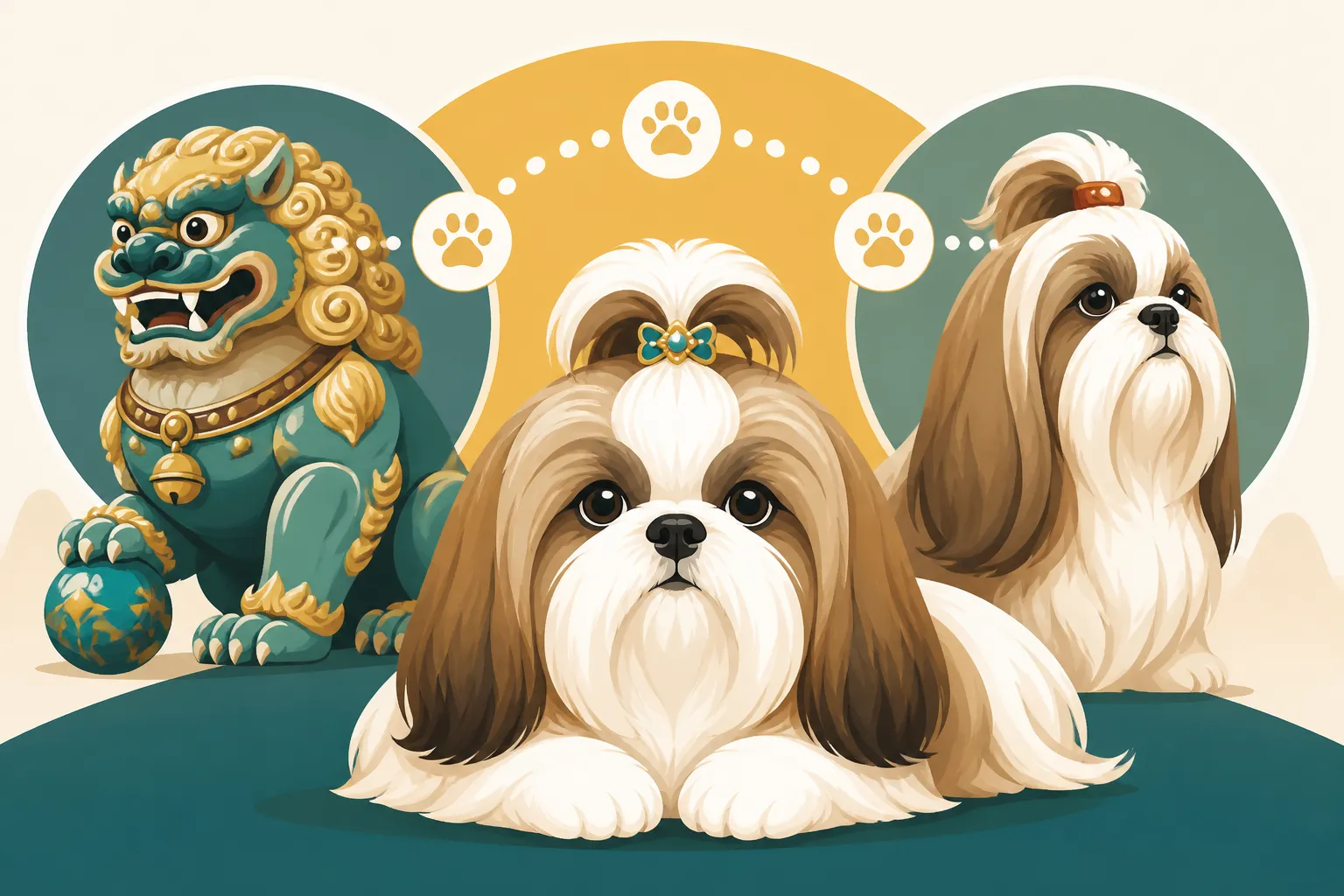
In Tibetan Buddhism, the lion is a potent symbol of power, courage, and nobility. It's not the actual African lion, but a mythological, majestic creature, often depicted with a flowing mane and fierce demeanor. The small dogs kept in the monasteries and imperial palaces were specifically bred to evoke this imagery. Their profuse, luxurious coats around their heads and faces, their proud tail carried over their back, and their sometimes assertive (though affectionate) temperament were all cultivated to mimic these revered "snow lions" of Tibet. This wasn't about creating a miniature lion to hunt, but a living embodiment of the lion's spiritual essence, a guardian of sacred spaces and a symbol of good fortune. Imagine a tiny dog, full of spirit, looking up at you with large, dark eyes, its hair flowing like a mane – it's easy to see how the myth took hold.
Physical Characteristics Reflecting the Lion
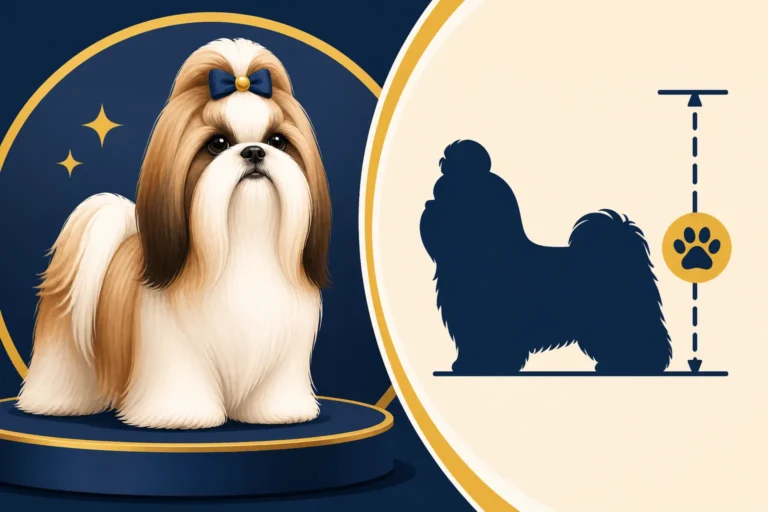
The Shih Tzu's distinctive appearance is no accident; it's the result of centuries of selective breeding aimed at creating a miniature "lion." Think about the classic Shih Tzu look: the broad, round head framed by abundant hair that cascades down the face, often forming a "chrysanthemum" pattern around the nose. This is precisely what evokes the majestic mane of a lion. Their strong, compact bodies and the way their heavily plumed tail curls over their back further enhance this lion-like silhouette. Even the proud, confident way a Shih Tzu carries itself, despite its diminutive size, echoes the king of beasts. This physical resemblance wasn't just aesthetic; it reinforced their symbolic role and made them instantly recognizable as the sacred "lion dogs" throughout the lands they inhabited.
The Journey to the Chinese Imperial Court
While their origins lie in Tibet, the Shih Tzu as we know it today was truly refined and flourished within the lavish confines of the Chinese Imperial Court. Their journey from the mountain monasteries to gilded palaces is a tale of diplomacy, prestige, and unparalleled pampering.
The Ten Month Journey From Tibet to Peking
The trip these little dogs made from the high altitudes of Tibet to the imperial capital of Peking (modern-day Beijing) was no small feat. Often presented as precious gifts or tribute from Tibetan Lamas to Chinese Emperors, these animals endured a The Ten Month Journey From Tibet to Peking through treacherous mountain passes and vast plains. This arduous journey highlighted their immense value; only the most revered and robust specimens would survive such a trek. Imagine the care taken by their handlers, ensuring these delicate creatures were protected from the elements and fed appropriately, knowing that their safe arrival could solidify diplomatic ties or bring great favor to the giver. Each dog represented a bond between cultures, a living emblem of respect and peace.
Court Records of Shih Tzus in the Yuan Dynasty
Once ensconced in the Chinese Imperial Court, these "lion dogs" found their true calling as beloved companions to emperors and their families. Their presence is historically noted as early as the Yuan Dynasty, which was established by Kublai Khan in the 13th century. It was during this era that Shih Tzus Given as Tribute to Chinese Emperors became a treasured tradition, with the dogs quickly adapting to a life of luxury. Historical accounts, even if sometimes embellished, describe these dogs as being pampered beyond measure, living in silk-lined quarters, fed on gourmet meals, and attended by eunuchs. They weren't just animals; they were members of the imperial household, held in such high esteem that their images began to appear in court paintings and artifacts, solidifying their place in Chinese history and culture.
The Shih Tzu in the Qing Imperial Court
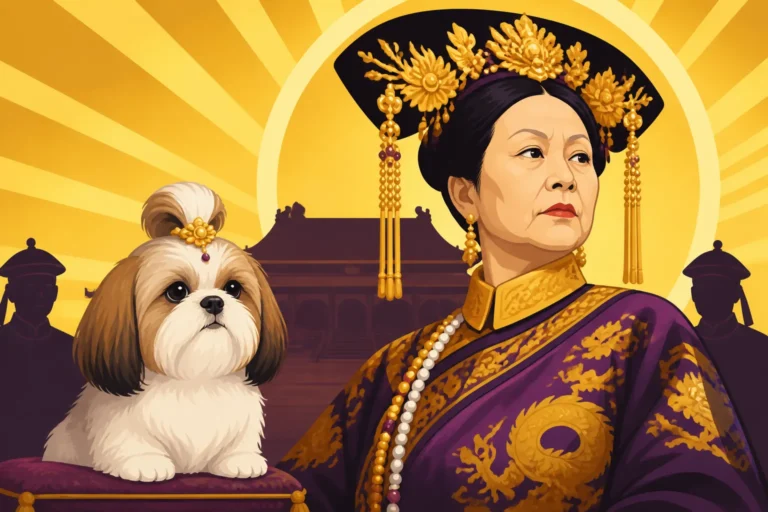
The peak of the Shih Tzu's imperial reign undoubtedly occurred during the Qing Dynasty, particularly under the formidable Dowager Empress Cixi (1835-1908). She was an ardent dog lover, and her kennels were legendary, housing hundreds of dogs, with the Shih Tzu (along with Pekingese and Pugs) being her absolute favorites. Dowager Empress Cixi and Her Shih Tzu Kennel was meticulously managed, with eunuchs and palace staff dedicated solely to the care, feeding, and breeding of these esteemed animals. The Empress had a keen eye for breeding and even dictated specific grooming rituals, believing certain colors brought good luck. Her meticulous records and passion for the breed ensured their survival and refinement, though her reign also saw the breed become intensely guarded, rarely leaving the palace walls. This period cemented the Shih Tzu's image as an aristocratic companion, a regal lapdog with an undeniable air of dignity.
Early Development and Crossbreeding Influences
The development of the Shih Tzu in China wasn't a static process; it involved careful selection and, likely, some strategic crossbreeding to achieve the desired traits that make the breed so distinct today. The nuances of its appearance and temperament were refined over centuries.
Influences from Pekingese and Lhasa Apsos
While the exact breeding history is somewhat clouded by time and imperial secrecy, it's widely believed that the Shih Tzu's development involved influence from other small, revered Asian breeds, most notably the Pekingese and the Lhasa Apso. The Pekingese, another "lion dog" of China, contributed to the distinctive flat face, large eyes, and abundant coat. Meanwhile, the Lhasa Apso, also originating from Tibet, shared traits like a dense double coat, a sturdy body, and a confident demeanor. The long, sweeping hair of the Lhasa Apso, designed to protect them from the Tibetan elements, likely played a role in the Shih Tzu's signature flowing coat. It’s fascinating to compare these breeds; if you've ever wondered How a Shih Tzu Differs From a Lhasa Apso, you'll notice the slight differences in head shape, tail set, and even attitude, all products of centuries of selective breeding. Similarly, understanding The Shih Tzu Crossed With a Pekingese in England gives insight into how these separate but related lineages eventually contributed to the modern Shih Tzu. These subtle blends and careful selections over generations ensured the Shih Tzu retained its unique charm while embodying the best traits of its close relatives.
Why Pugs Overtook Shih Tzus in the 1800s
Like any trend, royal preferences for dog breeds could shift. While the Shih Tzu enjoyed immense popularity within the imperial courts for centuries, other breeds occasionally captured the fancy of Chinese royalty and nobility. By the 1800s, there's evidence that the Pug, with its distinct wrinkled face and curled tail, began to gain significant favor, sometimes even overshadowing the Shih Tzu. This wasn't necessarily a slight against the Shih Tzu itself, but rather a natural evolution of taste and the introduction of new, equally charming breeds into the imperial circles. The Pug offered a different aesthetic and perhaps a slightly different temperament that appealed to some at the time. This shift meant that while Shih Tzus continued to be bred, their prominence might have dipped slightly, making them perhaps a little less numerous or sought after compared to earlier centuries, paving the way for the challenges that would later almost lead to their extinction.
The Shih Tzu's Near Extinction and Revival
The majestic imperial existence of the Shih Tzu came to an abrupt halt with the tumultuous changes in early 20th-century China. The breed faced a real threat of vanishing entirely, only to be resurrected by the dedication of a few individuals.
How Shih Tzu Breeding Scattered After 1908
The death of Dowager Empress Cixi in 1908 marked the beginning of the end for the lavish imperial kennels and, consequently, a period of immense uncertainty for the Shih Tzu breed. With the collapse of the Qing Dynasty and the subsequent political and social upheaval in China, the carefully maintained palace dog populations were dispersed. Many dogs, once guarded treasures, were either lost, died, or were taken by various individuals as the imperial system crumbled. What Happened to the Breed After 1908 was a chaotic period, and the meticulous breeding programs that had sustained the Shih Tzu for centuries ceased to exist. It became increasingly difficult to find purebred Shih Tzus within China, and their numbers dwindled dramatically, placing them on the brink of extinction within their native land.
The Small Founding Group Behind Every Shih Tzu
Miraculously, a handful of Shih Tzus had found their way out of China before this period of unrest, primarily brought to Europe by diplomats, travelers, and military personnel in the 1930s. These few individuals became the literal lifeline for the entire breed. It's a truly remarkable fact that most modern Shih Tzus alive today can trace their lineage back to a mere How Fourteen Dogs Rebuilt the Shih Tzu. This small gene pool, consisting of just seven males and seven females, formed the foundation stock for all subsequent breeding efforts in the West. This historical bottleneck highlights the incredible fragility of breed preservation and the immense importance of these initial exports. Without these specific dogs, the Shih Tzu as we know it might have been lost to history forever, a testament to the dedication of those who recognized their unique value.
Shih Tzus Smuggled Out of China
The export of these precious "lion dogs" from China wasn't always a straightforward process; in some instances, it involved secretive and even daring acts. During periods when it was forbidden to take imperial dogs out of the country, some Shih Tzus were effectively "smuggled" out. Imagine foreign dignitaries or wealthy travelers, captivated by these exotic beauties, finding ways to conceal them or persuade officials to allow their passage to the West. These stories, though perhaps embellished over time, underscore the perceived value and unique charm of the Shih Tzu. They arrived in Europe, particularly England and Norway, as exotic novelties, where a small but dedicated group of enthusiasts began the painstaking work of establishing and registering the breed. These intrepid individuals, whether diplomats or adventurers, unknowingly played a pivotal role in ensuring the Shih Tzu's survival and global legacy.
Distinguishing Traits and Modern Lineage
From the ancient monasteries to our living rooms, the Shih Tzu has maintained many of its distinctive qualities, making it instantly recognizable and deeply cherished. Understanding its lineage helps us appreciate these traits even more.
The Modern Shih Tzu's Ancestral Echoes
Even today, when you look at a well-bred Shih Tzu, you can see the undeniable echoes of its ancient past. The proud, almost aristocratic carriage, the flowing double coat, and that unmistakable "chrysanthemum" face are all direct links to their revered "lion dog" ancestors. The breed standard, meticulously developed by kennel clubs, aims to preserve these historical traits. For example, The Shih Tzu Standard and What Judges Look For emphasizes features like the broad head, dark, round eyes, and the high-set, plumed tail carried over the back, all of which reflect the desired lion-like appearance. Their temperament, too, often reflects their imperial upbringing: outgoing, affectionate, and sometimes a little bit stubborn, they demand attention and love, just as their ancestors did in the palaces of emperors.
DNA Studies on Shih Tzu Ancestry
Modern science has even confirmed the ancient lineage of the Shih Tzu, placing it among some of the oldest dog breeds on Earth. DNA Studies on Shih Tzu Ancestry have provided fascinating insights, revealing that the Shih Tzu is part of a group of breeds with a very long genetic history, suggesting their divergence from wolves occurred thousands of years ago. This scientific validation only adds to the mystique and historical significance of your furry friend. It's truly incredible to think that the genetic blueprint for your little companion has been passed down through such an extensive and storied lineage, tracing back to the earliest domesticated dogs. These studies not only confirm their ancient roots but also offer valuable information for understanding breed health and genetic predispositions, ensuring the longevity of this precious lineage.
Finding Resources for Heritage Breeds
For those of us who appreciate the deep history behind our Shih Tzus, learning more about their heritage can be a truly enriching experience. Whether you're curious about ancient grooming techniques that helped achieve that "lion" look, or you want to understand the dietary influences from their time in imperial courts, there are resources available. You might find specialized books on ancient dog breeds, historical accounts of Chinese dynasties, or even specific grooming tools designed for their long, double coats that reflect historical practices. Many owners seek out high-quality, breed-appropriate food that acknowledges their delicate digestive systems, a nod to their pampered past. Websites like Chewy, for instance, offer a wide array of specialized foods, grooming supplies, and even books on breed history that can help you connect with your Shih Tzu's extraordinary background. It’s a wonderful way to honor the thousands of years of history living right there in your home, and ensure your modern Shih Tzu benefits from the best care, celebrating their journey from temple dog to cherished family member.
| Era/Location | Key Event/Role | Significance to Shih Tzu |
|---|---|---|
| Ancient Tibet | "Lion Dogs" in monasteries | Spiritual guardians, sacred companions, first physical resemblance to lions |
| Yuan Dynasty (China) | Tribute gifts from Tibet | Introduction to imperial courts, pampered existence begins |
| Ming Dynasty (China) | Presence in imperial art | Continued favoritism, documented through paintings |
| Qing Dynasty (China) | Empress Cixi's breeding program | Peak of imperial patronage, refined breeding standards, increased numbers |
| Early 20th Century | Export to Europe | Survival of the breed outside China, foundation stock for Western development |
| Post-1949 China | Near disappearance | Political upheaval led to loss of many bloodlines within China |
| Modern West | Kennel club recognition | Global popularization, standardized breeding, widespread companion animals |
Disclaimer
This article is for general informational purposes only and does not constitute professional advice. Laws, prices and regulations vary by location and change over time. Consult a qualified professional for guidance on your specific situation.