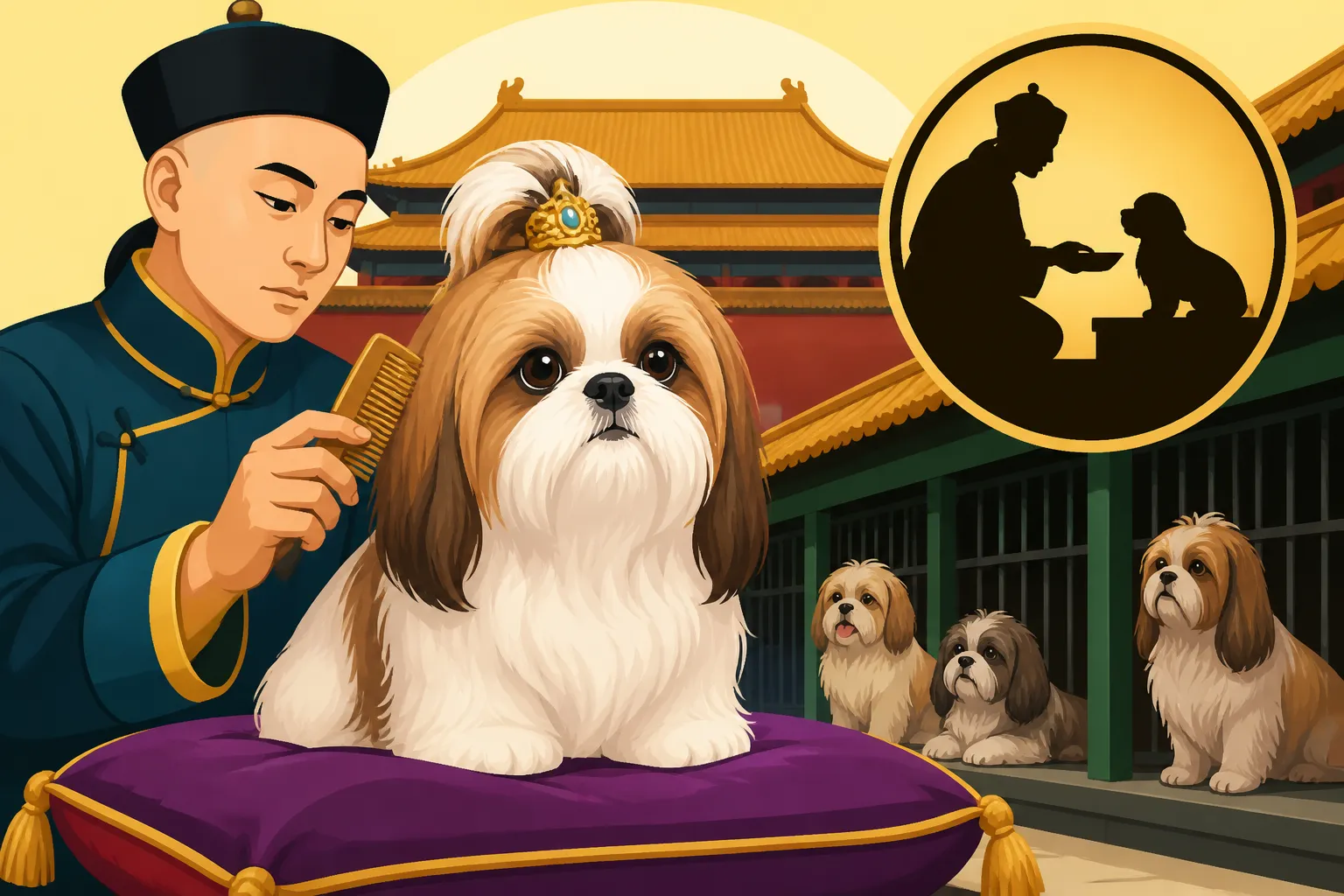
What Eunuchs Did in the Imperial Dog Kennels
For anyone fascinated by the regal history of our beloved Shih Tzus, it’s natural to wonder about the lavish lives they led in the imperial palaces of ancient China. Far from being simple house pets, these "Lion Dogs" were treasures, and their care was an intricate operation handled by a specific, often misunderstood, group of individuals: the imperial eunuchs. This guide will take you deep into the Forbidden City to uncover the critical, dedicated, and often demanding role these eunuchs played in maintaining the health, beauty, and lineage of the Emperor's cherished companions.
The Imperial Court and Its Canine Companions
Imagine a world where your dog wasn't just a beloved family member, but a living, breathing symbol of status, spirituality, and even imperial power. That was the reality for Shih Tzus within the walls of the Forbidden City. These weren't just any dogs; they were dogs of the highest order, demanding a level of care and attention that few modern pets could ever dream of receiving.
The Significance of Dogs in the Forbidden City
In ancient China, particularly during the Ming and Qing Dynasties, dogs, and especially the long-haired breeds like the Shih Tzu, held a profound cultural and symbolic significance. They weren't merely companions; they were seen as miniature lion-dogs, bringing good fortune and protecting the imperial household with their watchful eyes and gentle dispositions. These dogs were literally bred to be companions, an intrinsic part of the imperial family's daily life, embodying an elegance that mirrored the court itself. Their presence was often captured in intricate paintings and described in detailed court records, showcasing their exalted status. They were a testament to the Emperor's wealth and prestige, living a life of unparalleled luxury within the palace walls. It's truly fascinating to trace The Shih Tzu From Tibetan Temples to American Homes and see how their role evolved, but their imperial roots are undeniable.
The Dowager Empress Cixi and Her Canine Obsession
No discussion of imperial Shih Tzus would be complete without mentioning Dowager Empress Cixi. She was, without a doubt, one of the most fervent and influential patrons of the Shih Tzu breed. Her love for these dogs was legendary, bordering on obsession. Cixi maintained elaborate kennels within the Forbidden City, overseeing a vast breeding program with a meticulous eye for detail. Her passion ensured that the Shih Tzu breed flourished, preserving their distinct features and delightful temperaments. She believed her dogs brought her good luck and even conversed with them, treating them with a reverence that elevated their standing far beyond that of typical animals. It was under her watchful eye that the breed standards were refined, laying the groundwork for the Shih Tzu we know today. Her dedicated kennel staff, composed largely of eunuchs, were charged with the monumental task of fulfilling her every wish regarding her cherished canine companions. Learning about The Empress Who Bred Shih Tzus in the Forbidden City truly sheds light on this remarkable period.
The Role of Eunuchs in the Imperial Dog Kennels
The Imperial Dog Kennels were not simply a collection of dog houses; they were meticulously managed operations, and the eunuchs were the dedicated workforce who made it all function. Their lives were intrinsically tied to the welfare of these revered dogs, and their duties were comprehensive, demanding absolute devotion and precision.
Daily Care and Management
The daily lives of the eunuchs tasked with caring for the Shih Tzus were incredibly structured and demanding. Their routine started at dawn, ensuring each dog was fed a specially prepared diet, often consisting of finely chopped meats, rice, and vegetables – a far cry from simply pouring kibble into a bowl. Imagine the logistical challenge of sourcing and preparing fresh, balanced meals for dozens, if not hundreds, of imperial dogs every single day without the convenience of modern pet stores or delivery services like Chewy.
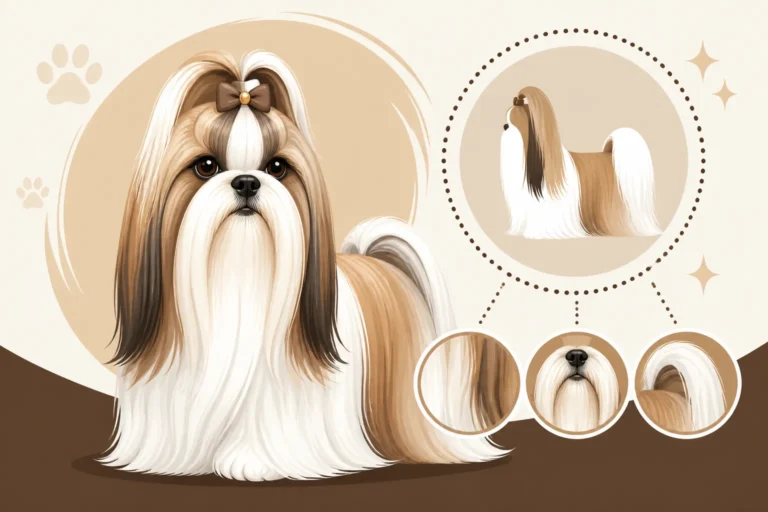
Beyond feeding, the eunuchs were responsible for meticulous grooming. Shih Tzus, with their flowing double coats, require extensive daily care to prevent matting and maintain their luxurious appearance. This involved hours of brushing, combing, and cleaning to ensure every hair was in place, ready for the Empress's inspection. They would also carefully clean their eyes, noses, and ears, tending to every detail. Their duties extended to ensuring the kennels were spotless, providing clean bedding, and supervising the dogs' exercise and social interactions within the palace grounds. It was a 24/7 commitment, underscoring the value placed on these magnificent creatures.
Breeding Programs and Lineage Keeping
Perhaps one of the most critical roles eunuchs played was in managing the imperial breeding programs. This wasn't a haphazard affair; it was a highly controlled and strategic operation designed to preserve the specific traits that made the Shih Tzu so unique and desirable. Eunuchs would be responsible for selecting suitable mates, overseeing the breeding process, and then meticulously documenting the lineage of each puppy. They were the keepers of the Shih Tzu's history, tracking bloodlines to avoid inbreeding and to enhance desired physical characteristics and temperaments.
This level of detail was crucial because the purity of the breed was a point of immense pride for the imperial family. The eunuchs would keep detailed "dog books," noting birth dates, parentage, coat colors, and any distinguishing marks. This careful record-keeping was not just for practical purposes; it contributed to the breed's mystique and exclusivity. They were, in essence, the original Shih Tzu pedigree keepers, ensuring that the legacy of these royal dogs would continue. This historical dedication to lineage is a stark contrast to casual breeding, highlighting the importance of Health Testing a Shih Tzu Breeder Should Do in modern times.
The Intricacies of Imperial Dog Keeping
The level of care provided to the imperial Shih Tzus went far beyond basic needs. It was an art form, a demonstration of devotion and skill that few breeds in history have ever received.
Grooming as an Art Form
For an imperial Shih Tzu, grooming wasn't just about hygiene; it was an elaborate ritual that showcased the dog's inherent beauty and the family's wealth. The eunuchs became master groomers, spending countless hours ensuring each dog's long, flowing coat was immaculate. Imagine the delicate work involved in managing a double coat that could reach the floor, preventing tangles and mats that would quickly form in a lesser-maintained dog. This wasn't a quick brush; it was a methodical process, often taking hours per dog, every single day.
They were skilled in tying the iconic Shih Tzu topknot, a practical necessity to keep the long hair out of the dog's eyes, but also a beautiful adornment. This intricate styling required patience and a steady hand, as the Empress herself might personally inspect the results. It was a testament to their dedication that these dogs were always presented in perfect condition, their coats gleaming, their faces clear. We talk a lot about Brushing a Shih Tzu Double Coat Every Day or The Shih Tzu Topknot and Keeping Hair Out of the Eyes for modern owners, but imagine having to do it without modern tools or shampoos!
Health and Well-being
Given the era, the eunuchs' knowledge of canine health would have been based on observation, experience, and traditional remedies. While they didn't have veterinarians or advanced medical diagnostics, they would have been acutely aware of the delicate nature of these flat-faced dogs. They would have monitored their breathing, appetite, and general demeanor, understanding subtle changes that might indicate illness.
Diet played a huge role, not just for nutrition but also for perceived health benefits. Special broths and herbal mixtures might have been part of the daily regimen. They would have addressed common issues like eye irritation from long facial hair, cleaning around the eyes diligently. While they couldn't perform advanced surgeries, their preventative care through meticulous grooming and attentive observation was paramount. Today, we know so much more, for instance, about Shih Tzu Dental Disease at 13 Percent of the Breed or the importance of Daily Toothbrushing in a Crowded Shih Tzu Jaw, but the eunuchs did their best with what they had, using natural means to maintain the dogs' overall vitality and comfort.
Life Beyond the Kennel: The Eunuchs' Influence
The eunuchs in the imperial dog kennels weren't just servants; they were integral to the daily life and symbolism of the Forbidden City. Their position, while specialized, carried both advantages and significant risks.
Status and Hierarchy within the Forbidden City
Within the complex social structure of the Forbidden City, the eunuchs who attended to the Empress's most cherished pets held a unique and often envied position. Their proximity to the imperial family, especially to someone as powerful and dog-obsessed as Dowager Empress Cixi, granted them a certain level of influence and privilege. They were trusted caretakers, privy to intimate details of the Empress's routine and mood. This closeness meant they could sometimes subtly influence decisions or at least gain favors.
However, this elevated status also came with immense pressure. Any perceived failing in the care of the imperial dogs could lead to severe punishment, even death. They were constantly under scrutiny, and their careers, if not their lives, depended on the flawless health and presentation of their canine charges. It was a tightrope walk between privilege and peril, highlighting the intense dedication required for their role.
The Legacy of Their Work
The painstaking efforts of these imperial eunuchs in the dog kennels left an indelible mark on the Shih Tzu breed. Their unwavering commitment to meticulous care, selective breeding, and detailed record-keeping was instrumental in preserving the breed's distinct characteristics for centuries. Without their dedication, it's entirely possible that the Shih Tzu, as we know it today, might not exist or would be drastically different.
They were the unsung heroes who ensured the continuation of this magnificent breed, passing down knowledge and techniques through generations of kennel masters. The beautiful, robust, and charming Shih Tzus we welcome into our homes today are, in many ways, a living testament to the legacy of these ancient caretakers. Their work allowed the Shih Tzu to endure political upheavals and eventually reach the Western world, where they captivated new audiences and secured their place as beloved companions globally. It's a powerful reminder of how historical events, and the dedicated individuals involved, shaped the very dogs we share our lives with.
| Aspect of Care | Eunuchs' Imperial Kennel (Historical) | Modern Shih Tzu Owner (Contemporary) |
|---|---|---|
| Diet | Hand-prepared fresh meats, rice, vegetables; herbal supplements. | Commercial kibble, wet food, fresh diets; supplements from brands like Chewy. |
| Grooming | Hours of daily brushing, combing, topknot styling by hand. | Daily brushing, professional grooming every 4-6 weeks; modern tools and products. |
| Health | Observational care, traditional remedies, limited veterinary knowledge. | Regular vet check-ups, vaccinations, advanced diagnostics, specific treatments. |
| Housing | Dedicated palace kennels, comfortable bedding within the Forbidden City. | Comfortable beds, crates, secure home environment. |
| Breeding | Meticulous lineage tracking, selective breeding for imperial traits. | Ethical breeder choices, DNA testing, health clearances (e.g., The DNA and OFA Tests for a Shih Tzu Litter). |
| Exercise | Supervised walks within palace gardens, indoor play. | Daily walks, indoor play, structured exercise. |
| Socialization | Interaction primarily with palace staff and imperial family. | Early socialization with people, other pets, varied environments. |
Disclaimer
This article is for general informational purposes only and does not constitute professional advice. Laws, prices and regulations vary by location and change over time. Consult a qualified professional for guidance on your specific situation.