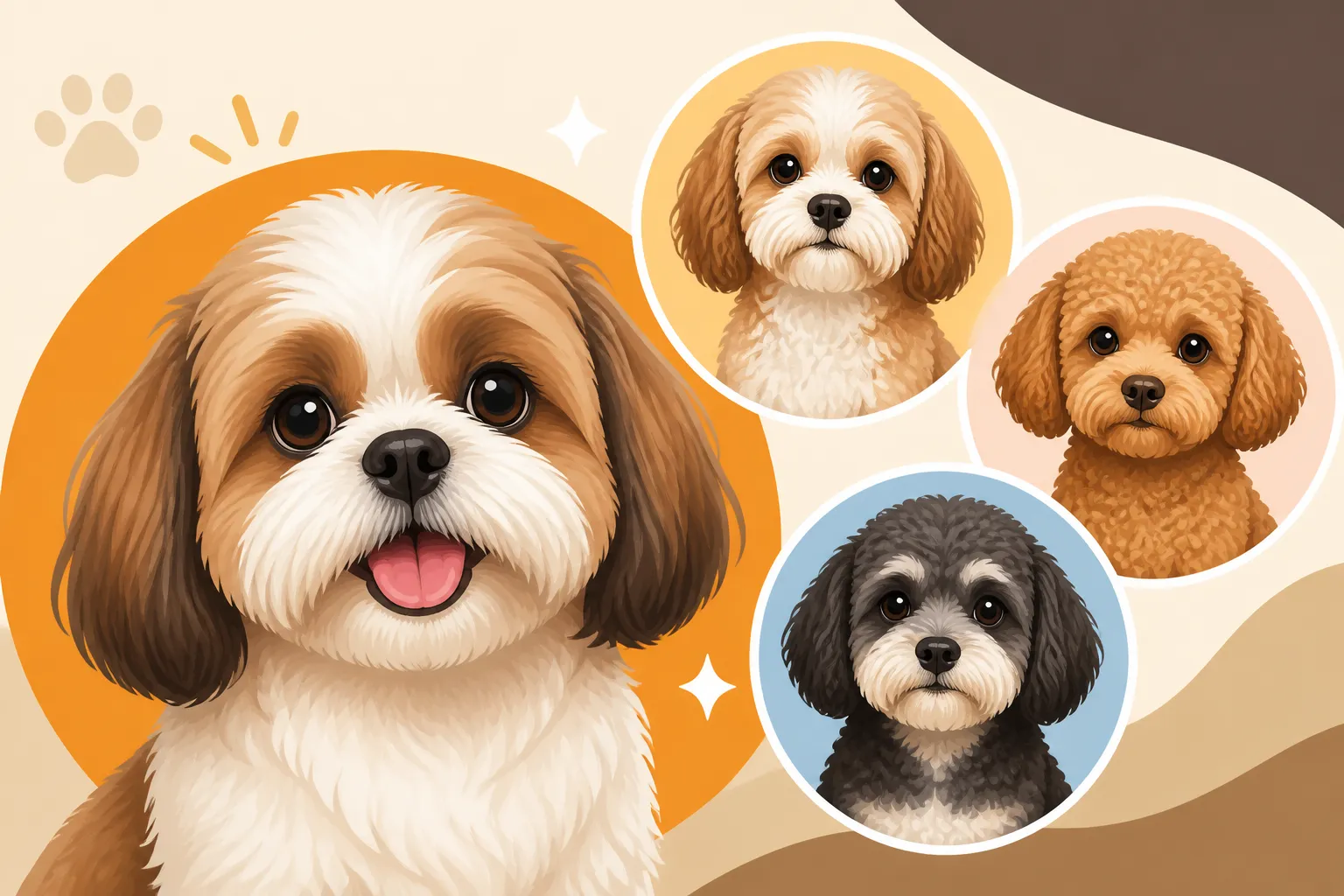
Shih Tzu Poodle Crosses and Their Coats
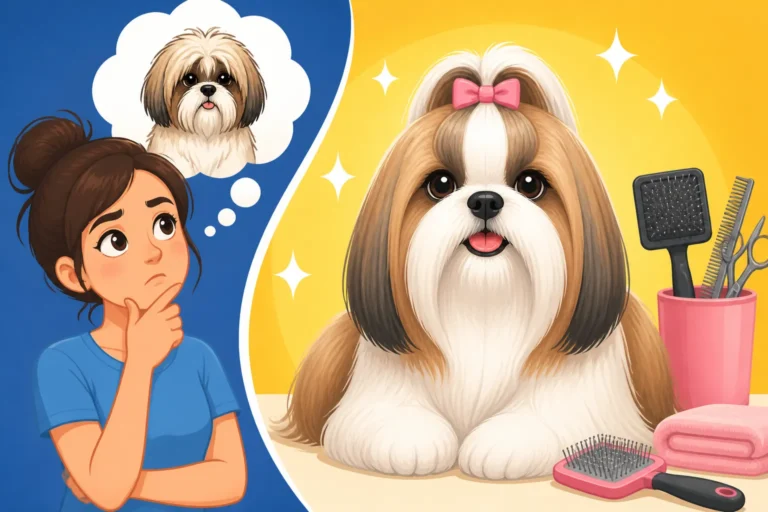
One of the biggest head-scratchers for folks considering a designer dog like a Shih-Poo is figuring out what kind of coat they're actually going to get. It's not like purebreds where you know exactly what you're signing up for! This guide will dive deep into the fascinating world of Shih Tzu Poodle crosses, specifically focusing on the variety of coats they can inherit and what that means for your daily life with your furry friend.
Understanding the Shih-Poo Crossbreed and Its Origins
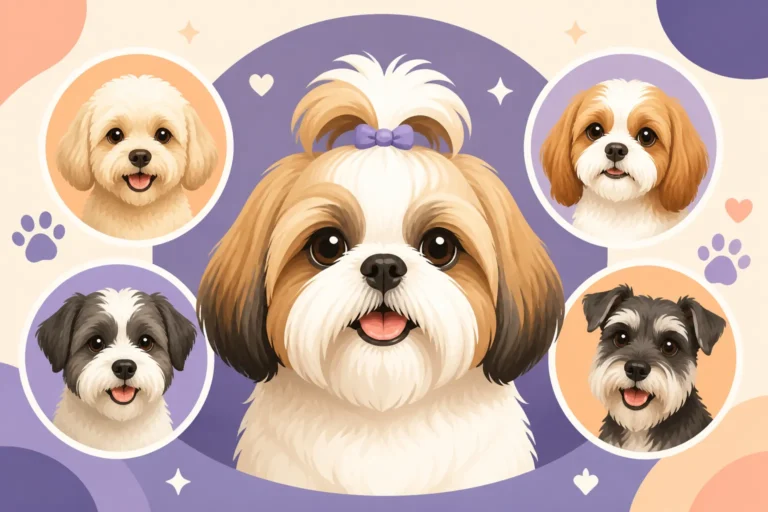
Before we dig into the glorious world of their coats, let's chat a moment about what a Shih-Poo actually is. It’s a hybrid dog, a cross between a purebred Shih Tzu and a purebred Poodle, usually a Miniature or Toy Poodle. Unlike purebred dogs, which have been bred for generations to consistently produce certain traits, a Shih-Poo is a first-generation cross (F1), or sometimes a second-generation (F2) or multigen cross where Shih-Poos are bred to other Shih-Poos. This mix means you get a delightful blend of characteristics from both parent breeds, which is part of their charm, but also where some of the unpredictability comes in, especially with their appearance.
The allure of designer breeds like the Shih-Poo often stems from the hope of combining the best traits of both parents. For instance, the Shih Tzu is beloved for its affectionate, outgoing temperament and its beautiful, long flowing coat, which was historically tied up in an elaborate topknot. The Poodle, on the other hand, is renowned for its intelligence, trainability, and its low-shedding, often hypoallergenic, curly coat. Owners often hope for a dog with the sweet nature of a Shih Tzu and the intelligence and non-shedding qualities of a Poodle.
However, the "designer" label doesn't guarantee a perfect 50/50 split of traits. Each puppy in a litter can inherit a unique combination of genes from its parents. This genetic lottery is particularly evident when it comes to their coat. You might find puppies that look more like one parent than the other, or a truly unique blend. It's this beautiful variability that makes each Shih-Poo a true individual, but it also means you need to be prepared for a range of grooming needs.
The Genetic Lottery of the Shih-Poo Coat
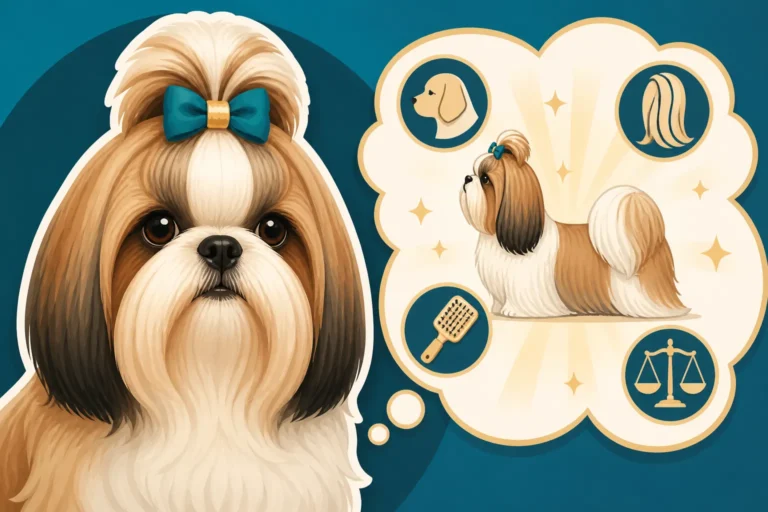
When you cross two breeds, their puppies inherit a random assortment of genes. This is particularly true for coat type, which is governed by several different genes. The Shih Tzu has a long, flowing double coat that is very hair-like and sheds minimally, though it requires extensive grooming to prevent matting. Brushing a Shih Tzu Double Coat Every Day is a routine most owners know well. The Poodle, conversely, has a dense, curly single coat that is famous for being low-shedding and often more suitable for people with allergies.
Because of this genetic mix-and-match, a Shih-Poo's coat can land anywhere on a spectrum between the two parent types. You won't know for sure until the puppy grows a bit, and even then, some coats change texture and density as the dog matures. This means that while some Shih-Poos might have that sought-after low-shedding, curly coat, others might end up with something much closer to the Shih Tzu's hair-like texture, or even a blend that combines aspects of both in unexpected ways.
Understanding the genetics is helpful, but practically speaking, it means being ready for anything. Some breeders might test parent dogs for certain coat genes to try and predict outcomes, but it's never a guarantee with a first-generation cross. This unpredictability is a trade-off for the delightful blend of personalities and potential health benefits that come from hybrid vigor. What you can count on is that whatever coat your Shih-Poo gets, it will be absolutely adorable and will need consistent care.
Common Shih-Poo Coat Types You Might Encounter
Given the genetic variability, Shih-Poos can display a fascinating array of coat types. It's not uncommon to see a litter where puppies have distinctly different coats from each other, making each one a unique little surprise package.
Wavy, Loose Curl Coat
This is perhaps the most common and often desired coat type for a Shih-Poo. It’s a lovely blend, taking the best of both worlds: a soft, wavy texture from the Shih Tzu with some of the Poodle's curl. Think of it as a loose, beachy wave that isn't as tightly curled as a Poodle's, but also not as straight and fine as a Shih Tzu's.
The beauty of this coat is that it often still sheds minimally, appealing to those with allergy concerns, while being a bit easier to manage than a full Poodle curl or a full Shih Tzu flowing coat. However, don't let the "easier" part fool you; this coat is still prone to matting, especially behind the ears, under the legs, and where a harness might sit. Regular brushing, ideally daily or every other day, is absolutely essential. Imagine trying to untangle a human's long, wavy hair after a windy day – it's similar! You'll want to stock up on good brushes and combs, perhaps from a reputable online retailer like Chewy, to keep ahead of the knots.
Curly, Poodle-Like Coat
Some Shih-Poos hit the genetic jackpot (for some owners!) and inherit a coat that is very much like a Poodle's: dense, tightly curled, and low-shedding. This is often the goal for those seeking a "hypoallergenic" dog, as the tight curls tend to trap any shed hair rather than releasing it into the environment.
While this coat type might mean less vacuuming, it certainly doesn't mean less grooming. In fact, it might demand even more diligent attention to prevent mats. Those tight curls can become a dense felt very quickly if not brushed and combed through regularly. Moisture, static, and friction from collars or harnesses can create mats that are tough to remove. Professional grooming every 6-8 weeks is typically a must for this coat type, along with daily brushing at home. These dogs often look absolutely adorable in a shorter puppy cut, which can make daily care more manageable while still showcasing their delightful curls.
Straight, Shih Tzu-Like Coat
On the other end of the spectrum, some Shih-Poos will lean heavily towards their Shih Tzu parentage, developing a long, straight, often silky double coat. This coat sheds minimally, just like a purebred Shih Tzu, but it has that distinct, hair-like texture that can grow very long if left untrimmed.
While stunning when maintained, this coat is the most demanding in terms of daily grooming. It acts very much like human hair and needs to be brushed through to the skin every single day to prevent tangles and mats from forming. Neglecting it for even a day or two can result in painful mats that may require professional dematting or even shaving. Brushing a Full Coat Shih Tzu Every Single Day isn't just a suggestion, it's a necessity. This coat type is usually the most prone to tear staining around the eyes and food getting caught in the beard, requiring diligent face wiping and cleaning. You might find specialized tear stain products or gentle facial cleansers readily available on Chewy that can make this chore a bit easier.
Here's a quick comparison of the common Shih-Poo coat types:
| Coat Type | Texture Description | Shedding Level | Matting Potential | Grooming Frequency (Home) | Professional Grooming |
|---|---|---|---|---|---|
| Wavy/Loose Curl | Soft, flowing waves, moderate density | Low | High | Daily to every other day | Every 6-8 weeks |
| Curly/Poodle-Like | Dense, tight curls, can feel coarse | Very Low | Very High | Daily | Every 4-6 weeks |
| Straight/Shih Tzu-Like | Long, silky, fine, hair-like double coat | Low | High | Daily | Every 8-10 weeks |
Caring for a Shih-Poo's Diverse Coat
No matter which coat type your Shih-Poo inherits, one thing is certain: consistent grooming is non-negotiable. Their mixed heritage almost guarantees a coat that is prone to tangling and matting, even if it doesn't shed much.
Daily Brushing Routine
For all Shih-Poo coat types, daily brushing is the golden rule, especially if you want to keep their coat any length beyond a very short puppy cut. This isn't just about aesthetics; mats can pull on the skin, causing pain, irritation, and even skin infections.
When brushing, you need to use the right tools. A good quality slicker brush is essential for getting through the top layers and stimulating the skin, while a metal comb with both fine and wide teeth is crucial for finding and working out any smaller tangles close to the skin. Always brush in sections, working from the bottom up, to ensure you reach all layers of the coat. Don't just skim the surface! A conditioning spray can help prevent breakage and static, making the process smoother for both you and your dog. You can find a wide range of these tools and sprays at pet supply stores or online at Chewy. Remember the phrase "line brushing" – part the hair and brush a small section at a time, making sure you can see the skin.
Pay special attention to areas where mats love to hide: behind the ears, under the armpits, in the groin area, and where their collar or harness sits. These friction points are mat magnets! The Mats That Form Behind Shih Tzu Ears are particularly common, and often painful if left untended.
Regular Bathing and Drying
Bathing a Shih-Poo needs to be a regular part of your routine, typically every 2-3 weeks, or as needed if they get particularly dirty. Use a gentle, dog-specific shampoo and conditioner. Conditioner is incredibly important for their coat, helping to detangle and protect the hair strands.
The most critical part of bathing, however, is the drying process. A damp Shih-Poo coat, especially a curly or wavy one, is an open invitation for mats to form almost instantly. You need to thoroughly dry your dog's coat right down to the skin, using a low-heat setting on a dog-specific forced-air dryer or even a regular human hairdryer if it has a cool setting. As you dry, continue brushing through the coat to ensure every strand is separated and fully dry. Allowing a Shih-Poo to air dry is almost guaranteed to result in a matted mess. Damp Shih Tzu Hair and How Fast It Knots is a real phenomenon that every owner needs to understand.
Professional Grooming Schedule
Even with diligent home care, most Shih-Poo owners will rely on professional groomers. These skilled professionals have the tools and expertise to keep your dog's coat in tip-top shape. How often you need to visit the groomer depends on the coat type and the length you prefer.
For a curly or wavy Shih-Poo, a full groom every 6-8 weeks is usually sufficient. This includes a bath, blow-dry, brush-out, haircut, nail trim, and ear cleaning. If your Shih-Poo has a straighter, Shih Tzu-like coat that you want to keep long, you might extend professional grooming to every 8-10 weeks, but you must be doing extensive daily brushing at home. Many owners opt for a shorter "puppy cut" or "teddy bear cut" for their Shih-Poo, regardless of coat type. This keeps the hair shorter, making home maintenance much easier and reducing the frequency of severe matting. The Puppy Cut and What It Saves is a common choice for this very reason. Discuss your lifestyle and grooming capabilities with your groomer to find the best schedule and style for your particular Shih-Poo.
Maintaining Coat Health and Preventing Common Issues
Beyond the regular brushing and bathing, a few other considerations can significantly impact the health and appearance of your Shih-Poo's coat.
Nutrition for a Healthy Coat
A healthy coat starts from the inside out. Providing your Shih-Poo with a high-quality diet rich in essential fatty acids (like Omega-3 and Omega-6) is crucial for skin and coat health. Look for dog foods that list real meat as the first ingredient and contain supplements like flaxseed, fish oil, or sunflower oil. Sometimes, adding a fish oil supplement to their food can make a noticeable difference in coat shine and skin condition.
If your Shih-Poo has dry, flaky skin or a dull coat, consult your veterinarian. They might suggest a specific diet or supplement tailored to their needs. Remember, a poor diet can manifest as a poor coat, so what goes into their bowl truly matters.
Addressing Tear Staining and Face Care
Shih-Poos, like their Shih Tzu ancestors, often have prominent eyes and can be prone to tear staining. This reddish-brown discoloration around the eyes is caused by porphyrins, pigments found in tears, saliva, and urine. While largely cosmetic, severe or neglected staining can lead to skin irritation.
Regular face wiping, sometimes multiple times a day, is key. Use a soft, damp cloth or specialized pet eye wipes to gently clean the area around their eyes. Keeping the hair around the eyes trimmed short can also help, preventing tears from wicking into long strands and becoming a breeding ground for yeast, which can worsen the staining. Shih Tzu Tear Stains and What Causes Them provides more insight into this common issue. Similarly, after meals, wipe their beard to prevent food from drying and crusting in the hair, which can lead to mats and skin problems.
Seasonal Considerations and Hot Spots
The Shih-Poo's coat can be affected by the seasons. In warmer months, ensuring your dog stays cool is vital. Their dense coats, especially those with Poodle-like curls, can easily lead to overheating. A shorter summer cut can help, as can avoiding walks during the hottest parts of the day. Why a Shih Tzu Overheats So Easily is something to keep in mind, even for a crossbreed.
Hot spots, which are acute moist dermatitis, can occur if moisture gets trapped in the coat, especially in denser areas or if your dog licks or scratches excessively due to allergies or irritation. They appear as red, raw, often oozing sores. Regular grooming helps prevent hot spots by keeping the coat clean and dry, allowing air circulation to the skin. If you notice your Shih-Poo scratching more than usual, it could be a sign of skin allergies. Shih Tzu Skin Allergies and Hot Spots are a real concern for any long-coated breed. Identifying and treating the underlying cause, whether it's environmental allergies, food sensitivities, or fleas, is crucial.
Ultimately, bringing a Shih-Poo into your life means committing to consistent grooming. While their coats can vary widely, each type requires attention and care. Embracing the grooming routine will ensure your beloved companion stays comfortable, healthy, and absolutely gorgeous for years to come.
Disclaimer
This article is for general informational purposes only and does not constitute professional advice. Laws, prices and regulations vary by location and change over time. Consult a qualified professional for guidance on your specific situation.