Black and White Shih Tzus
There's just something so striking about a black and white Shih Tzu, isn't there? You see those vibrant, contrasting patches of color, and it just grabs your heart. Many prospective owners dream of a dog with this classic, eye-catching combination, often imagining that perfect yin-and-yang pattern or a sleek black body with elegant white accents. This guide will walk you through everything you need to know about these beautiful pups, from how they get their distinctive coats to the special care they might need, helping you appreciate the true beauty and uniqueness of a black and white Shih Tzu.
The Striking Allure of Black and White Shih Tzus
It’s easy to understand why the black and white Shih Tzu holds such a special place in many people's hearts. This particular color combination isn't just pretty; it often carries a certain elegance and timeless charm. When you picture a Shih Tzu, you might instantly think of that flowing, luxurious coat, and when it’s presented in crisp black and white, it truly stands out. It's a classic look that harkens back to some of the earliest depictions of the breed.
Why This Color Combination Captivates
For many, the appeal lies in the stark contrast. A solid black Shih Tzu is stunning, and a pure white one is angelic, but when you combine them, you get a dynamic visual that's incredibly engaging. The black patches can be deep and lustrous, providing a beautiful backdrop for the bright, often fluffy white sections. This contrast makes their features, especially those dark, soulful eyes, even more prominent. Owners often describe their black and white Shih Tzus as looking like living works of art, or even little panda bears, which just adds to their charm and appeal. It's a pattern that photographs wonderfully and always seems to draw admiring glances when you're out and about. Plus, it’s a versatile color scheme that looks great whether they're sporting a long, flowing show coat or a practical, adorable puppy cut. The Shih Tzu Coat Colors You Will See delves into the full spectrum, but black and white is undeniably a perennial favorite.
The Variety Within Black and White Patterns
When we talk about a black and white Shih Tzu, it’s not always one uniform look. There’s a wonderful spectrum of patterns within this color pairing. You might encounter a dog with large, distinct black patches against a predominantly white body, often referred to as a parti-color. Then there are those with more intricate markings, where the black might be scattered in smaller spots or speckles, creating a unique tapestry. Some might have a primarily black body with white "socks," a white chest, and that characteristic white blaze running up their forehead, often complemented by a white plume on their tail. Each dog truly is an individual masterpiece, even within this specific color family. This variation means that while you might be looking for a "black and white" Shih Tzu, you'll be delighted by the sheer diversity of patterns and expressions this combination offers. It's never just a cookie-cutter appearance; it's always something special and unique.
Understanding Shih Tzu Coat Genetics and Patterns
When you fall in love with a black and white Shih Tzu, you’re often admiring what the fancy calls a "parti-color" dog. It’s not simply a matter of two solid colors coming together; there's a fascinating bit of genetics that creates these beautiful, often asymmetrical, patterns. Understanding this can help you appreciate your pup even more and even explain why some markings appear where they do.
The Genetics Behind Parti-Color Coats
Most black and white Shih Tzus are parti-color, which means they have patches of color on a white background. This pattern is controlled by a specific gene, often called the "S" locus in canine genetics, responsible for white spotting. A dog with two copies of the parti gene will express these distinct color patches. Without getting too deep into the science, think of it as a base color (in this case, black) that is prevented from appearing in certain areas by the white spotting gene. The size, shape, and distribution of these black patches are often quite variable, making each parti-color Shih Tzu truly one-of-a-kind.
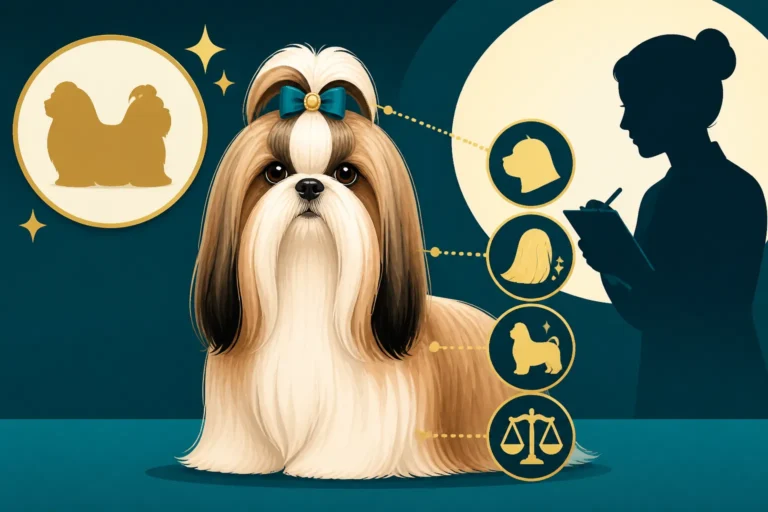
The intensity of the black can also be influenced by other genes, leading to rich, inky black patches or sometimes a softer, charcoal black. What's often overlooked is that the "white" areas aren't just an absence of color; they are genetically determined areas where pigment cells simply didn't migrate during development. This is why you see such clear lines between the black and white sections. It's a common and much-loved pattern in the breed, fully recognized by breed standards. The Shih Tzu Standard and What Judges Look For often includes a nod to these beautiful and varied coats.
Common Black and White Marking Variations
Within the black and white spectrum, you'll see a delightful array of markings. Here are some of the most common ways this striking combination manifests:
- Irish Spotting: This pattern typically features a solid-colored body (black, in this case) with white on the chest, feet, and tail tip, and often a white blaze on the face. It's a very symmetrical and appealing look.
- Piebald/Parti-Color: This is the classic black and white, with irregular patches of black on a white base. The patches can range from large and bold to smaller, more scattered spots. Many Shih Tzus fall into this category, showcasing unique, almost painterly designs.
- Tuxedo: While not a formal genetic term, it's a popular description for a primarily black Shih Tzu that has a distinct white chest, often extending up the chin and a little bit down the legs, making them look like they're dressed for a formal event.
- "Cow" or "Panda" Markings: These are often very distinct, large black patches, sometimes symmetrically placed around the eyes and ears, giving the dog a charming resemblance to a cow or a panda bear.
It’s important to remember that these are just descriptive terms, and your Shih Tzu might have a blend of these or something entirely unique. The beauty is in the individuality! You might notice the famous Shih Tzu Markings and the White Blaze as a common feature across many of these patterns, adding to their distinctive charm.
Here's a quick look at how different white spotting patterns typically appear:
| Pattern Type | Description | Appearance | Common Black & White Example |
|---|---|---|---|
| Solid | No white spotting at all. | Entire coat is a single, uniform color. | Pure solid black Shih Tzu (rarely pure white without any underlying color) |
| Irish Spotting | White restricted to certain areas (chest, feet, tail tip, blaze). | Mostly colored body with symmetrical white "trim." | Black body with white chest, paws, and white line on face. |
| Parti-Color | Irregular patches of color on a white background. | Variable, often large, asymmetrical color patches on a white base. | Classic black and white Shih Tzu with distinct black patches all over a white body. |
| Extreme White | Predominantly white with very minimal color patches. | Almost entirely white with only small, often hard-to-see, color spots. | Mostly white Shih Tzu with tiny black dots or minimal black patching on ears/tail. |
Care Considerations for a Black and White Coat
Taking care of a Shih Tzu's coat is a commitment, no matter the color. But when you have a beautiful black and white pup, there are a few extra things to consider that can help keep their contrasting colors looking their best. From the way dirt shows up to maintaining that vibrant sheen, their coat needs a little specific attention.
Grooming a Multi-Colored Coat
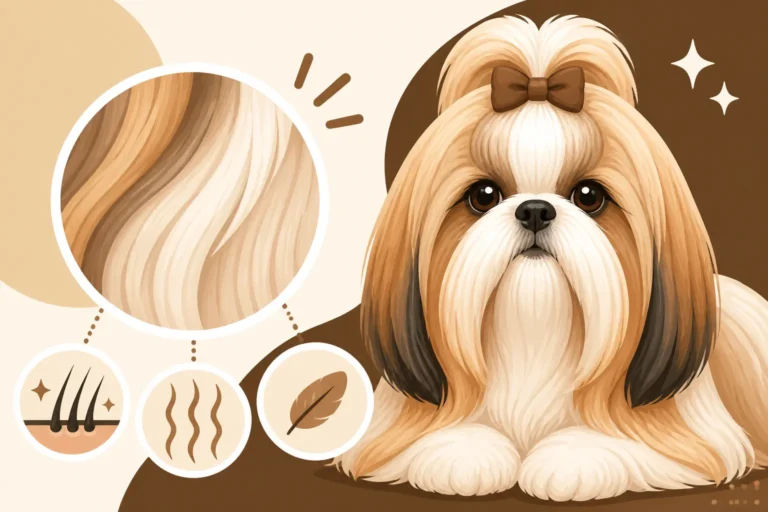
The famous Shih Tzu double coat, with its long outer layer and soft undercoat, is prone to matting, especially when kept long. For a black and white dog, mats can sometimes be more noticeable in the white areas or even hidden within the denser black patches. Daily brushing is absolutely non-negotiable if you want to prevent painful tangles and maintain their gorgeous appearance. You'll need a good slicker brush to get through both layers, followed by a metal comb to check for any missed knots. Places like Chewy offer an excellent selection of grooming tools, from sturdy brushes to detangling sprays that can make this daily ritual a little easier. Brushing a Shih Tzu Double Coat Every Day is a comprehensive guide on making this routine effective and even enjoyable for your dog.
When it comes to bathing, a good quality shampoo and conditioner are essential to keep both the black and white sections healthy and vibrant. Some owners even opt for specialized shampoos—a whitening shampoo for the white parts and a color-enhancing one for the black—though a single, high-quality shampoo for double coats usually does the trick. Always make sure to dry your Shih Tzu thoroughly after a bath, right down to the skin, as damp undercoats are a prime breeding ground for mats and skin issues. Whether you prefer a full, flowing coat or a more manageable Choosing Between a Full Coat and a Puppy Cut, consistent grooming is key to preventing discomfort and keeping those colors popping.
Managing Tear Stains and Discoloration
One of the most common grooming challenges for many Shih Tzus, and particularly visible on a white face, is tear staining. Those reddish-brown streaks under their eyes can really stand out against pristine white fur. It's often caused by excessive tearing (which can be due to shallow eye sockets common in brachycephalic breeds, irritants, or even diet) and the presence of yeast and bacteria in the moist fur.
Regular face cleaning is paramount for a black and white Shih Tzu. Aim to gently wipe their face, especially under the eyes and around the mouth, at least once or twice a day. You can use a damp cloth, or specialized eye wipes available from places like Chewy. Keeping the hair around their eyes trimmed short can also help prevent irritation and make cleaning easier. Diet can play a role, so ensuring your dog is on a high-quality food and has plenty of fresh water can sometimes help minimize staining. Addressing the underlying cause with your vet is crucial, but consistent cleaning helps manage the visible effects. Shih Tzu Tear Staining and What Causes Them offers more in-depth information on this common issue.
Sun Exposure and Coat Health
While all dogs need protection from excessive sun, lighter areas of a black and white Shih Tzu’s coat, particularly on the nose or ears where the fur might be thinner, can be more susceptible to sunburn. Conversely, prolonged sun exposure can sometimes cause the black areas to take on a reddish or brownish tint, fading that deep, rich black you love.
It's a delicate balance. On one hand, you want them to enjoy the outdoors; on the other, you need to protect their coat and skin. During peak sun hours, try to limit their direct exposure. If your Shih Tzu loves lounging in a sunny spot indoors, consider placing a comfortable bed in a shaded area as an alternative. Using a dog-specific sunscreen on sensitive, non-furred areas like the nose can be beneficial during extended outdoor sessions, but always check with your vet first. Protecting their skin and coat not only keeps them looking fabulous but, more importantly, keeps them healthy. Whether a Short Shih Tzu Cut Risks Sunburn is a good read if you decide to keep your pup in a shorter style.
Finding a Healthy Black and White Shih Tzu
When you're ready to welcome a black and white Shih Tzu into your family, it's easy to get swept away by their adorable looks. However, focusing solely on color can sometimes lead you down the wrong path, especially if you encounter breeders who prioritize aesthetics over the dog's well-being. The most crucial factor should always be the health and temperament of the puppy and its parents.
Prioritizing Health Over Color
A reputable breeder will always put health first. While they might breed for certain desirable traits, including coat colors, they will never do so at the expense of genetic health. Unfortunately, some less scrupulous breeders might specifically market "rare" colors or patterns, sometimes implying a higher price or exclusivity, without having done the necessary health screenings on their breeding stock. This can lead to puppies with predispositions to inherited conditions common in Shih Tzus, such as eye problems, hip dysplasia, or patellar luxation.
When you're looking for a black and white Shih Tzu, ask about the health testing performed on the parents. A good breeder will be transparent and eager to share results for conditions like eye certifications (through organizations like OFA Eye Certification or CERF), hip and elbow evaluations, and patella checks. They should be able to explain the genetic background of their dogs and how they choose pairings to produce healthy, well-adjusted puppies. Remember, a stunning coat is wonderful, but a healthy, happy dog is truly priceless. Health Testing a Shih Tzu Breeder Should Do offers essential questions to ask any potential breeder.
What to Look For in a Reputable Breeder
Finding an ethical breeder is paramount, regardless of the coat color you desire. A responsible breeder will be passionate about the breed as a whole, not just specific markings. Here are some signs of a reputable breeder:
- Transparency: They welcome questions, allow visits to meet the parents (if possible) and see the living conditions, and provide detailed health records. They should never push for a quick sale or make you feel uncomfortable asking for information.
- Health Clearances: As mentioned, they will have verifiable health clearances for the parent dogs, specifically for conditions known to affect Shih Tzus. They'll understand Why a Health-Tested Shih Tzu Litter Costs More and be able to explain the value.
- Knowledge and Support: They should be knowledgeable about the Shih Tzu breed, its temperament, and its needs. They'll also offer ongoing support and be available to answer your questions even after you take your puppy home.
- Limited Litters: Responsible breeders typically have a limited number of litters per year and are not constantly breeding. They focus on quality over quantity.
- Socialization: Puppies should be raised in a clean, stimulating environment and be well-socialized from a young age, interacting with people and getting used to household sounds.
- Contracts and Guarantees: They often provide a written contract that outlines health guarantees, spay/neuter agreements, and a commitment to take the dog back if you can no longer care for it, at any point in its life.
Avoid any breeders who advertise "rare" colors without health testing, offer to ship puppies without an interview, or refuse to let you see where the puppies are raised. It's always worth waiting for the right puppy from the right breeder, even if it means waiting a bit longer for that perfect black and white Shih Tzu. When you bring your puppy home, you can find a wide range of essential supplies, from nutritious food to cozy beds, conveniently at Chewy. Finding a Shih Tzu Breeder Worth the Wait can help you navigate this crucial process.
Adopting a Black and White Shih Tzu from Rescue
If your heart is set on a black and white Shih Tzu but you're concerned about finding a reputable breeder or want to give a deserving dog a second chance, breed-specific rescues are an excellent option. Many wonderful Shih Tzus of all colors and ages, including black and white, end up in rescue through no fault of their own. Sometimes owners can no longer care for them, or they come from less-than-ideal situations.
Rescue organizations often have a thorough intake process, including vet checks, temperament assessments, and even foster homes, so you get a good understanding of the dog's personality and any known health issues. Adopting a rescue Shih Tzu means you're giving a dog a loving home and often receiving a companion who is already house-trained or has some basic manners. While you might not get a puppy, the love and gratitude from an adult rescue dog are immeasurable. It's a truly rewarding experience, and you might just find your perfect black and white companion waiting for you. Shih Tzu Rescue and Where the Dogs Come From is a great resource if you're considering this path.
Disclaimer
This article is for general informational purposes only and does not constitute professional advice. Laws, prices and regulations vary by location and change over time. Consult a qualified professional for guidance on your specific situation.