What the Standard Says About Shih Tzu Coat Texture
As a Shih Tzu parent, you know that glorious, flowing coat is part of what makes our little "lion dogs" so regal and charming. But let's be honest, trying to understand what the official breed standard actually means when it talks about coat texture can feel like reading a secret code. It's not just about how long it is; the actual feel and quality of that hair are paramount, both for show dogs and for simply keeping your beloved companion comfortable and beautiful. This guide is here to demystify what the Shih Tzu breed standard says about coat texture and why it makes such a difference.
The Ideal Shih Tzu Coat: Luxurious and Flowing
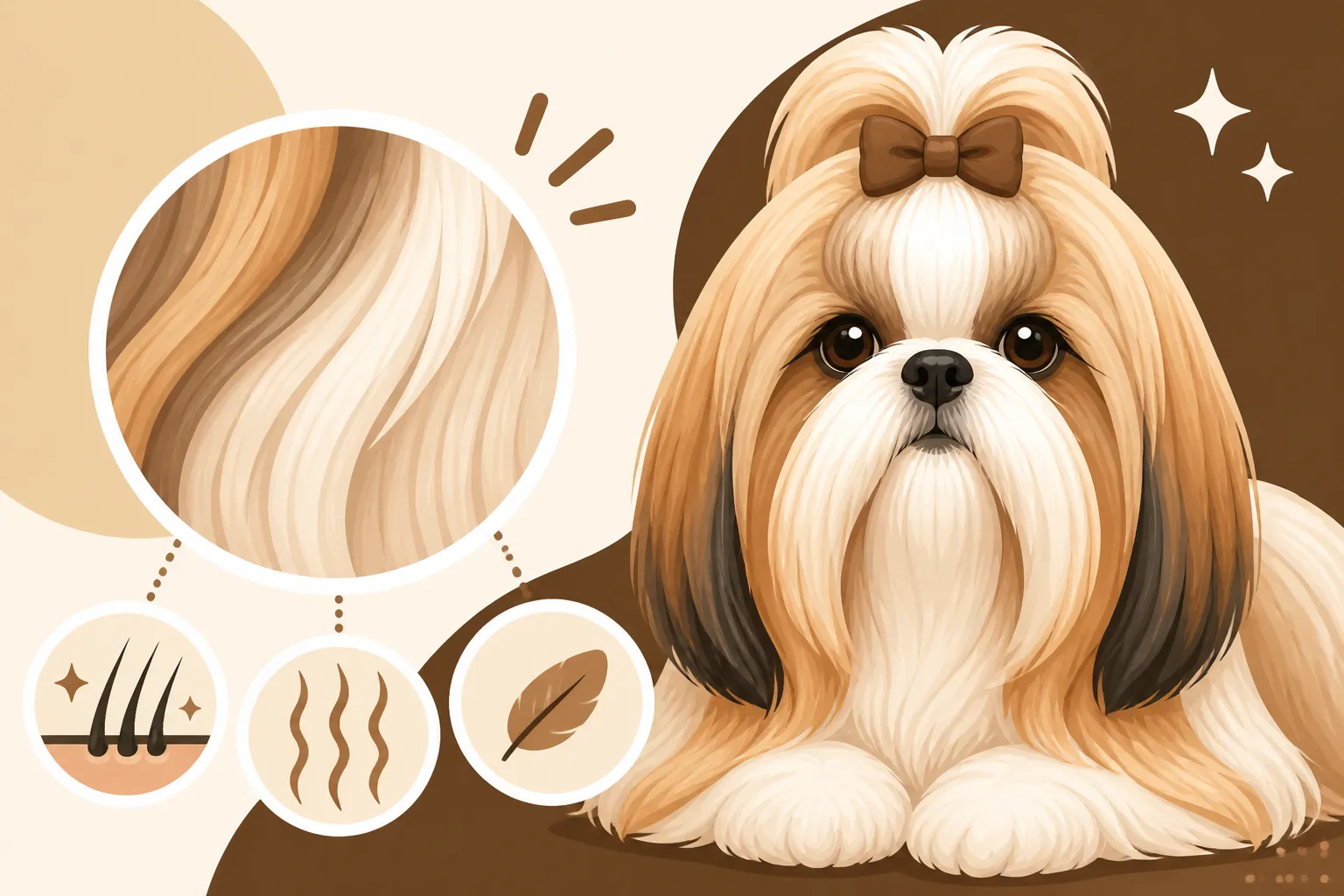
When you picture a Shih Tzu, you probably envision a cascade of long, silky hair. That image isn't just for aesthetics; it's exactly what the breed standard aims for. This particular texture is a hallmark of the breed, a legacy from their origins, and it plays a huge role in both their appearance and how manageable their coat is day-to-day.
Defining "Double Coat" and "Non-Shedding"
First, let's talk about the structure. A true Shih Tzu possesses a double coat. This means they have two distinct layers of hair: a soft, downy undercoat that provides insulation, and a longer, silken outer coat that drapes over it. Many people mistakenly think Shih Tzus are "non-shedding" because they don't leave tumbleweeds of fur like some other breeds. While they do shed significantly less into the environment, they absolutely shed. The hair that sheds often gets caught within the existing long coat, rather than falling out onto your furniture. This is why regular grooming is so critical, because if that shed hair isn't brushed out, it quickly combines with the living hair to form mats. Understanding What the Undercoat Does on a Shih Tzu helps explain why these two layers are so important and how they interact. The ideal outer coat should be long, dense, and flowing, never sparse or patchy, which would detract from their signature appearance.
The Texture that Judges Look For
When a judge runs their hand over a Shih Tzu's coat in the show ring, they're looking for a very specific tactile experience. The standard emphasizes a coat that is "luxurious," "long," and "dense," but crucially, it also describes the texture as "not curly." It should feel silken and smooth, like fine human hair, rather than coarse, wiry, or woolly. Imagine running your fingers through a silk scarf versus a wool blanket—that's the difference we're talking about. This texture allows the coat to fall elegantly, parting naturally down the back and flowing with the dog's movement, rather than standing out stiffly or forming tight curls. It should have a natural sheen, not a dull or dry appearance. This "hair not fur" distinction is what gives the Shih Tzu its unique look and feel, separating it from breeds with a more coarse or woolly texture. It's all part of The Shih Tzu Standard and What Judges Look For when assessing a dog's overall breed characteristics.
Why Texture Matters Beyond the Show Ring
While the breed standard might seem like something only competitive dog owners need to worry about, the truth is that coat texture profoundly impacts your daily life with a Shih Tzu. It affects how easily their coat mats, how well it protects them, and even the overall health of their skin.
Matting and Manageability
The primary reason coat texture is so vital for every Shih Tzu owner is its direct impact on matting. Even with the ideal silken coat, Shih Tzus are notorious for matting. Their long, fine hair, combined with a dense undercoat, creates the perfect recipe for tangles and knots, especially in areas of friction like behind the ears, under the legs, and around the collar. If your Shih Tzu has a woolly or cottony coat, the problem is exponentially worse. This type of coat has more "grab" to it, meaning individual hairs are more likely to intertwine and lock together. What might be a small tangle in a silky coat can become a dense, felted mat in a woolly one in a fraction of the time. This makes daily brushing a struggle, often turning what should be a pleasant bonding experience into a frustrating chore. It’s no wonder Why a Shih Tzu Double Coat Mats So Fast is such a common concern for owners; the texture is a huge part of the battle. You’ll find yourself needing to Brushing a Shih Tzu Double Coat Every Day just to keep up, and a challenging texture makes that even harder.
Protection and Comfort
Beyond aesthetics and grooming ease, the correct coat texture also plays a role in your Shih Tzu's comfort and protection. Historically, the Shih Tzu’s dense double coat was crucial for insulating them against the harsh, cold climates of Tibet. The ideal silky outer coat helps shed dirt and moisture, acting as a natural barrier. A woolly coat, on the other hand, can absorb more moisture, staying damp longer and potentially leading to skin irritation or hot spots if not dried thoroughly. The correct texture also allows for better air circulation closer to the skin, which is essential for temperature regulation. When the coat is too coarse or prone to extreme felting, it can restrict airflow, trapping heat in warmer weather and making it harder for your flat-faced friend to cool down. Maintaining the coat's integrity, guided by its natural texture, helps ensure it can fulfill its protective role. This is particularly important given that Shih Tzus can be prone to skin issues, and a poorly managed coat can exacerbate problems like Shih Tzu Ear and Skin Infections Under the Coat.
Common Coat Texture Deviations and Their Challenges
While the breed standard describes the ideal, not all Shih Tzus will have that perfect silken flow. Many beloved companions have coats that deviate from the standard, and it's important for owners to understand what these variations mean for grooming and care.
The Woolly or Cottony Coat
This is perhaps the most common deviation from the ideal silky texture. A woolly or cottony coat feels much softer than the silken type, almost like a fluffy cloud. While it might sound appealing at first – who doesn't love a soft dog? – it comes with significant grooming challenges. Instead of individual hairs lying smoothly, they tend to have a slightly crimped or "grippy" quality. This means they interlock with each other much more readily, leading to faster and tighter matting. Brushing through a woolly coat can feel like trying to untangle a ball of yarn, even with the right tools. It's incredibly difficult to get a comb smoothly through from root to tip. Owners of Shih Tzus with this coat type often find themselves needing professional grooming more frequently or having to resort to very short "puppy cuts" to keep the matting at bay. The constant battle against mats can be disheartening, and it’s a big reason why owners eventually opt for Choosing Between a Full Coat and a Puppy Cut to ease the grooming burden.
The Coarse or Wiry Coat
On the other end of the spectrum, some Shih Tzus may have a coat that feels coarse or wiry. This deviation is less common than the woolly texture but is equally undesirable according to the breed standard. A coarse coat typically lacks the softness and luxurious feel that defines the breed. The hairs might feel stiff or brittle, rather than flowing freely. This texture doesn't usually mat as densely or quickly as a woolly coat, but it can still tangle, and the coarser strands are often more prone to breakage. A wiry coat also tends to stand away from the body more, failing to achieve that elegant, draping appearance. It might also lack the natural sheen of a truly healthy, silky coat. For pet owners, while matting might be less severe, maintaining the coat's health can still be a challenge, as coarse hair can be more susceptible to dryness and damage, requiring extra conditioning to keep it supple.
Maintaining the "Standard" Feel at Home
Whether your Shih Tzu has the ideal silky coat or a more challenging texture, proper home care is essential to keep them looking their best and feeling comfortable. While you can't change your dog's genetics, you can certainly influence the health and appearance of their coat through diligent grooming.
Choosing the Right Products
The products you use make a world of difference in maintaining your Shih Tzu's coat texture. Opt for high-quality shampoos and conditioners specifically formulated for long-haired, double-coated breeds. These products are designed to clean thoroughly without stripping natural oils, and conditioners are crucial for softening the hair, preventing tangles, and adding a healthy sheen. Look for ingredients that promote hydration and elasticity, which helps keep the hair supple and less prone to breakage. For instance, you'll find a great selection of nourishing shampoos and conditioners on Chewy that cater specifically to these needs. Remember, Why a Shih Tzu Coat Needs Conditioner isn't just about softness; it's about protecting each strand from damage and matting. Beyond bathing, invest in a good detangling spray to use during your daily brushing sessions. These sprays lubricate the hair, allowing your brush or comb to glide through more easily and reduce static, further helping to maintain that silky texture.
Regular Brushing and Grooming Practices
Consistent, thorough brushing is the cornerstone of Shih Tzu coat care. For a full-coat Shih Tzu, this needs to happen every single day. Don't just skim the surface; you need to work in sections, using a pin brush to gently separate the hair and then a metal comb to ensure you've reached down to the skin. Pay special attention to areas prone to matting, such as behind the ears, under the armpits, and where the harness sits. Neglecting these spots for even a day or two can lead to tight mats that are difficult and painful to remove. As you brush, you're not just preventing tangles; you're also distributing natural oils, which contributes to the coat's healthy texture and shine.
Regular bathing, typically every two to three weeks, is also important. Use the right Shampoo That Suits a Shih Tzu Double Coat and follow up with a good conditioner. The most critical step after bathing is thorough drying. You must dry the coat completely, using a dog-specific dryer on a cool or low-heat setting, brushing as you go. Damp Shih Tzu Hair and How Fast It Knots is a real phenomenon; any lingering dampness will encourage matting and can lead to skin problems. Proper drying ensures the coat lies flat and smooth, preserving its desired texture and making subsequent brushing much easier. Even if your Shih Tzu has a challenging coat texture, these practices can significantly improve its condition and your ability to manage it.
| Coat Texture Aspect | Breed Standard Ideal | Common Deviations |
|---|---|---|
| Outer Coat Feel | Silky, smooth, luxurious, flowing | Woolly, cottony, coarse, wiry, brittle |
| Undercoat Feel | Soft, dense | Can be sparse, or overly thick/felted with woolly outer |
| Matting Tendency | Prone, but manageable with daily care | Highly prone, difficult to detangle, mats quickly |
| Overall Appearance | Drapes elegantly, moves freely, natural sheen | Puffy, holds shape, dull, looks unkempt faster |
| Grooming Effort | High, but rewarding to maintain | Extremely high, often frustrating, may require shaving |
| Protection Qualities | Insulating, sheds dirt/moisture, good airflow | May absorb moisture, poor airflow, prone to skin issues |
Disclaimer
This article is for general informational purposes only and does not constitute professional advice. Laws, prices and regulations vary by location and change over time. Consult a qualified professional for guidance on your specific situation.