Gold and White Shih Tzus
It’s easy to feel a little overwhelmed when trying to describe your beautiful Shih Tzu’s coat color, especially with all the nuances and variations out there. You might see a stunning gold and white Shih Tzu and wonder exactly what makes their coloring so distinct, or how it might change over time. This guide is here to demystify the charming world of gold and white Shih Tzu coats, helping you understand their unique features, what to expect as they grow, and how to best care for their striking appearance.
What Defines a Gold and White Shih Tzu?
When we talk about a gold and white Shih Tzu, we're typically referring to a dog whose coat displays a clear combination of two distinct colors: gold, which can range from a very light, almost cream hue, to a rich, deep reddish-gold, and white. This isn't just a casual description; it's one of the most recognized and cherished color combinations within the breed standard. The magic often lies in the distribution of these colors, creating patterns that are as individual as each dog.
Many Shih Tzus in this color category will have significant patches of white, often on their chest, belly, and legs, sometimes extending up their muzzle and as a blaze between their eyes. The gold fills in the rest, creating a striking contrast that really highlights their charming features. It’s a classic look that harkens back to the breed’s regal origins, making them look like little emperors or empresses themselves. Unlike some solid color Shih Tzus, the bi-color pattern means you’re seeing a clear delineation, which can be absolutely stunning. For example, a crisp white muzzle against a warm gold face gives them an almost painted appearance.
The term "gold and white" is quite broad, and you'll find that within this classification, there's a lovely spectrum. Some dogs will have a very light, almost champagne gold, while others boast a deep, fiery gold that truly pops. It’s this variation that makes each gold and white Shih Tzu unique. While some might think "gold" is just one shade, it really encompasses a range that adds incredible depth and character to their overall look. Understanding this helps you appreciate the subtle differences even within the same litter.
The Spectrum of Gold in Shih Tzu Coats
The "gold" in a gold and white Shih Tzu isn't a single, monolithic color. Far from it! It’s actually a beautiful spectrum of hues, from the palest cream that borders on white to a vibrant, almost reddish-gold that could be mistaken for auburn. This variability is one of the most fascinating aspects of the Shih Tzu coat. When your puppy is tiny, its gold might appear one shade, only to deepen or lighten subtly as they mature into adulthood. This color transformation is a common experience for many Shih Tzu owners.
From Cream to Rich Gold
Imagine holding a tiny Shih Tzu puppy whose gold patches look incredibly light, almost like a warm, creamy off-white. This is a common starting point for many gold and white Shih Tzus. As they grow, however, you might notice those lighter areas begin to develop more pigment, gradually transitioning into a more distinct gold. This happens as their adult coat comes in, replacing the softer puppy fuzz. Conversely, a puppy with a vivid, darker gold might mellow slightly, becoming a softer, more mellow gold as their coat sheds and regrows. It’s like watching a painting come to life, with new layers of color emerging over time. This is why even when you're choosing a puppy, it's often a bit of a pleasant surprise to see how their final adult coloring turns out!
Some Shih Tzus also exhibit what's known as "sable" markings within their gold areas. Sable refers to hair shafts that are tipped with black, giving the gold a smoky, shadowed effect. This is particularly common on the tips of their ears, along their back, or around their tail. As the dog ages, these black tips can sometimes fade, especially with exposure to sunlight, leaving behind a purer gold. This contributes to the overall richness and depth of their coat. You might notice these subtle sable tips when brushing your Shih Tzu, particularly on the longer strands.
Factors Affecting Gold Color Intensity
Several factors can influence the intensity and shade of a Shih Tzu's gold color. Genetics, of course, play the primary role. A puppy inherits its color genes from its parents, and these genes dictate the potential range of its coat color. If both parents carry genes for deeper gold tones, it's more likely their offspring will exhibit similar rich hues. However, environmental factors also play a part. Prolonged exposure to sunlight, for example, can naturally lighten or "bleach" a gold coat over time, making it appear softer or more faded. It's similar to how human hair gets sun-kissed in the summer!
Diet and overall health can also contribute to coat quality and color vibrancy. A well-nourished Shih Tzu with a healthy coat will often display a richer, more lustrous gold. If you're noticing a dullness to your Shih Tzu's gold, it might be worth discussing their diet with your vet. Sometimes, specific supplements, like omega fatty acids, can enhance coat health and shine. The use of certain shampoos or conditioners can also influence how vibrant the gold appears; some products are formulated to brighten colors or prevent fading. Always make sure to use dog-specific products, which you can easily find on platforms like Chewy, to ensure they are safe for their delicate skin and coat.
Here’s a quick look at the range of gold you might encounter:
| Gold Shade Description | Appearance | Common Age Variation |
|---|---|---|
| Pale Cream Gold | Very light, almost off-white with warm undertones | Often seen in puppies, may deepen slightly with age |
| Light Gold / Champagne | Soft, sunny yellow-gold, not overly intense | Tends to remain consistent, or deepen to true gold |
| True Gold | Classic, clear golden hue, vibrant and warm | A stable color, may lighten slightly with sun |
| Deep Gold / Red-Gold | Rich, intense gold with reddish undertones | Can soften from puppyhood, or stay strong |
| Sable Gold | Gold with black-tipped hairs, creating a shadowed look | Black tips often fade as the dog matures |
You can often see how much Whether a Shih Tzu Coat Color Changes With Age. It's a journey!
Caring for a Gold and White Shih Tzu Coat
Maintaining the stunning look of a gold and white Shih Tzu coat requires a consistent grooming routine. Because of their double coat and the presence of white areas, they can be particularly prone to matting and staining. Many new owners are surprised by how much effort goes into keeping that beautiful coat pristine, but with the right tools and habits, it becomes a bonding experience.
Brushing and Detangling Regularly
The Shih Tzu's double coat, especially when kept long, is a magnet for tangles and mats. The "gold" parts tend to be dense, and the "white" parts often feel silkier but are equally susceptible. Daily brushing is not just recommended; it's practically essential to prevent small tangles from turning into large, painful mats that might require shaving. Mats form quickly, often within a couple of days if brushing is neglected. It’s helpful to understand Why a Shih Tzu Double Coat Mats So Fast – it’s just the nature of their luxurious hair!
When brushing, always work in sections, making sure to get down to the skin. A good quality slicker brush and a metal comb are your best friends here. Start from the bottom layers and work your way up, misting the coat with a detangling spray to minimize breakage. Pay special attention to areas prone to matting: behind the ears, under the legs, and where a harness might sit. If you find a mat, don't try to rip through it. Gently work it out with your fingers, a mat splitter, or the tines of a comb, always being mindful of your dog’s comfort. Regular sessions, even short ones, are far more effective than trying to tackle a massive matting problem once a month. You can find excellent detangling sprays and brushes from places like Chewy that are specifically designed for long-haired breeds.
Keeping White Areas Bright and Stain-Free
The white sections of a gold and white Shih Tzu's coat are undeniably beautiful, but they can also be a challenge to keep pristine. Tear stains, food residue around the mouth, and general dirt can easily discolor these lighter areas. Many owners find themselves constantly wiping their Shih Tzu’s face after meals and throughout the day. This proactive approach is key to preventing stubborn stains from setting in.
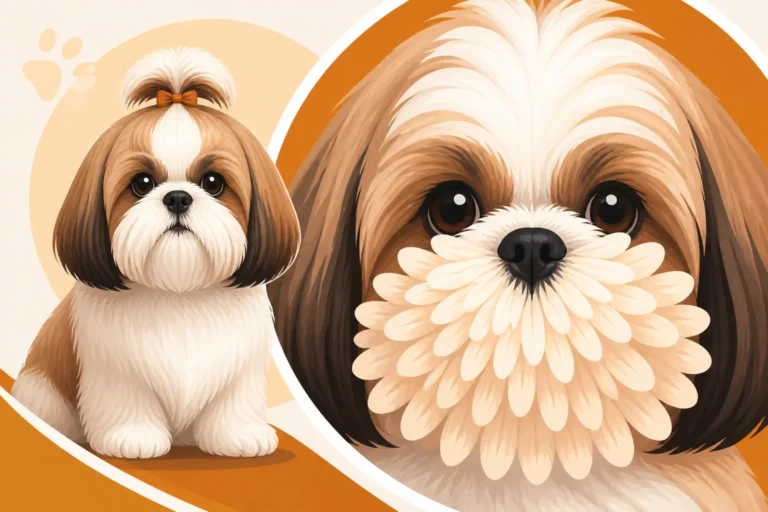
Tear stains, those reddish-brown streaks below the eyes, are a common issue. While genetics and eye structure play a role, consistent cleaning can make a huge difference. Use a damp cloth or specialized tear stain wipes daily to gently clean around the eyes. Some owners also opt for tear stain removers, but it’s crucial to use products specifically formulated and safe for pets, avoiding anything that might irritate their sensitive eyes. Regularly trimming the hair around the eyes also helps to minimize irritation and prevents moisture from accumulating, which contributes to staining. The Shih Tzu Topknot and Keeping Hair Out of the Eyes is also a critical part of keeping their face clean.
Similarly, the white hair around their mouth and beard can become discolored from food and water. After every meal, take a moment to wipe their face with a damp cloth. Some owners even use snoods during meal times to keep their Shih Tzu’s beard out of their food bowl. Choosing kibble that is small enough for their unique bite and feeding wet food in moderation can also help reduce mess. You might even find special shampoos designed to brighten white coats, which can be used during their regular baths to really make those white patches sparkle.
Grooming Choices for Gold and White Coats
When it comes to grooming, owners of gold and white Shih Tzus have a few options, each with its own pros and cons, especially concerning maintenance and appearance. Deciding between a full, flowing coat and a more practical puppy cut often comes down to lifestyle and how much time you can dedicate to daily grooming.
The Full Coat vs. The Puppy Cut
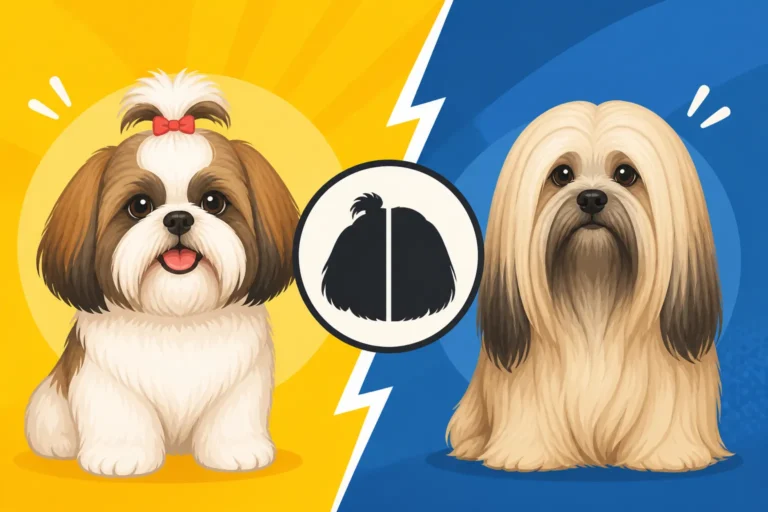
A full-length coat on a Shih Tzu is undeniably stunning. It showcases the luxurious texture and beautiful flow of their gold and white colors, embodying the regal look they were bred for. However, maintaining a full coat is a significant commitment. It requires daily, thorough brushing, careful bathing, and regular trims to keep the ends healthy and prevent matting. If you dream of seeing your Shih Tzu with long, elegant hair, be prepared for the time investment. You'll need high-quality grooming tools and potentially more frequent professional grooming appointments. Choosing Between a Full Coat and a Puppy Cut involves a lot of consideration for both you and your dog.
For many active families or owners who prefer less daily upkeep, a "puppy cut" is a fantastic alternative. This involves keeping the coat trimmed to a shorter, uniform length all over, typically anywhere from half an inch to two inches. The puppy cut still allows the beautiful gold and white colors to shine, but it drastically reduces the risk of matting and makes bathing and drying much quicker. While you'll still need to brush regularly to maintain coat health and keep an eye on those white areas for staining, the daily commitment is far less intense. This cut also helps your Shih Tzu stay cooler in warmer weather, which is a major plus for a brachycephalic breed. When purchasing grooming supplies, whether it's clippers for home use or specialized shampoos, Chewy offers a wide array of options to suit either grooming style.
Professional Grooming Schedule
Regardless of whether you choose a full coat or a puppy cut, professional grooming is often a valuable part of a Shih Tzu's care routine. Even with diligent home grooming, a professional groomer can tackle those hard-to-reach spots, give a precise cut, and ensure your Shih Tzu's coat and skin are in top condition. For a full coat, appointments might be every 4-6 weeks for trims and maintenance baths. For a puppy cut, maintenance trims might be needed every 6-8 weeks to keep the length consistent and tidy.
A professional groomer can also provide valuable advice on specific products for tear staining or coat brightening for your gold and white Shih Tzu. They have access to professional-grade tools and shampoos that can really make the gold pop and the white gleam. They can also address any minor mats before they become major problems, providing a fresh start for your home grooming efforts. It's a partnership that ensures your Shih Tzu always looks their best and remains comfortable, whether they're a fluffy show dog or a sporty, short-haired companion. Taking the time to properly groom them is part of The Shih Tzu Standard and What Judges Look For when it comes to coat condition.
Misconceptions About Gold and White Shih Tzus
When it comes to specific coat colors, there are often myths and misunderstandings that circulate, and gold and white Shih Tzus are no exception. It's important to separate fact from fiction to have a realistic understanding of your dog and their breed.
"Rare" Colors and Pricing
One common misconception is that certain color combinations, like a particular shade of gold and white, are "rare" and therefore command a much higher price tag. While some colors might be less common than others, it's crucial to understand that "gold and white" is a very standard and accepted color combination within the Shih Tzu breed. It's not a rare or exotic coloring that would inherently justify an exorbitant price. Breeders who market puppies with claims of "rare" colors for inflated prices might not always be prioritizing health or adherence to breed standards.
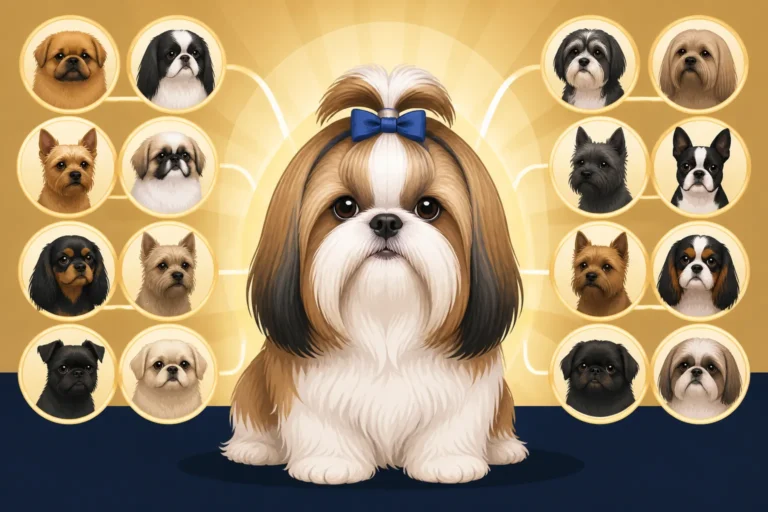
Reputable breeders focus on health, temperament, and conformity to the breed standard, which describes the accepted appearance of a Shih Tzu, including its coat. The Shih Tzu standard allows for a wide array of colors and patterns. While individual breeders might have preferences or certain lines that produce more striking gold and white patterns, this doesn't make the color inherently "rare" in a way that should drastically affect the cost beyond the standard range for a well-bred Shih Tzu puppy. Shih Tzu Puppy Prices and Where the Money Goes gives a good overview of what factors genuinely influence pricing, and "rare color" is rarely a legitimate one.
Color Purity and Genetics
Another area of confusion can arise around "color purity." Some owners might worry if their gold and white Shih Tzu has a few black hairs mixed in, or if the gold isn't a perfectly uniform shade. As we discussed, sable markings (black-tipped hairs) are quite common, especially in gold coats, and they often fade with age. This doesn't make the dog any less "pure" or less of a gold and white Shih Tzu. The genetic expression of color can be complex, and subtle variations are entirely normal and part of what makes each dog unique.
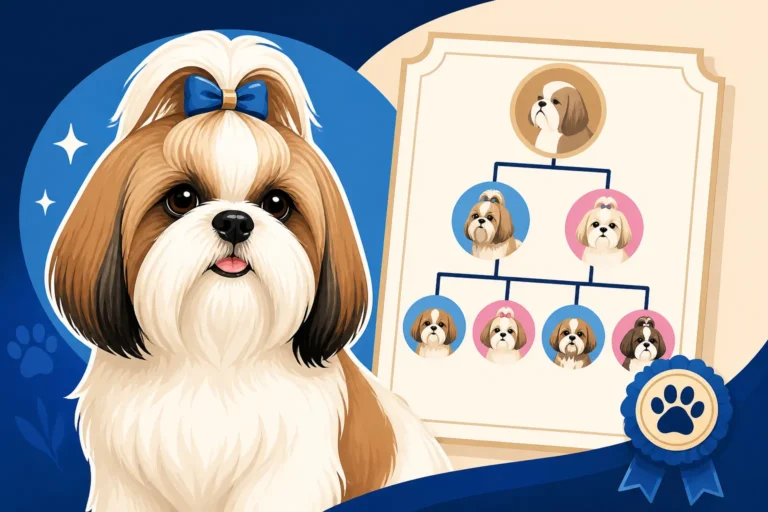
Understanding the genetics of Shih Tzu coat colors means appreciating that their genes can produce a fascinating array of shades and patterns. A gold and white Shih Tzu is simply one manifestation of these genetics, a beautiful result of specific pigment combinations. There's no single "pure" gold shade; rather, it’s a spectrum. Focusing on the health, temperament, and overall well-being of your Shih Tzu is far more important than obsessing over the exact shade of their gold or the crispness of their white patches. These dogs are wonderful companions, regardless of the exact tone of their beautiful coats.
Disclaimer
This article is for general informational purposes only and does not constitute professional advice. Laws, prices and regulations vary by location and change over time. Consult a qualified professional for guidance on your specific situation.