Whether a Shih Tzu Coat Color Changes With Age
It's incredibly common for new Shih Tzu parents, and even seasoned ones, to be surprised when their adorable puppy's coat starts to shift in color as they grow. You picked out that gorgeous little furball, imagining its vibrant hues would stay exactly the same forever, only to find the black patches are fading, the gold is lightening, or white hairs are subtly appearing where they weren't before. This guide is here to shed some light on why your Shih Tzu's coat color can, and often does, change with age, helping you understand these natural transformations.
The Surprising Truth About Shih Tzu Coat Color Stability
When you first bring home a Shih Tzu puppy, their coat color often seems so distinct and rich. You might have a pup with striking black and white markings, or a deep golden hue that shimmers in the light. It’s natural to assume this is the color they’ll carry throughout their life, but the reality is quite different for many Shih Tzus. Their coats are much more dynamic than most people realize, constantly evolving and revealing new shades.
Why Your Shih Tzu's Puppy Coat Isn't Permanent
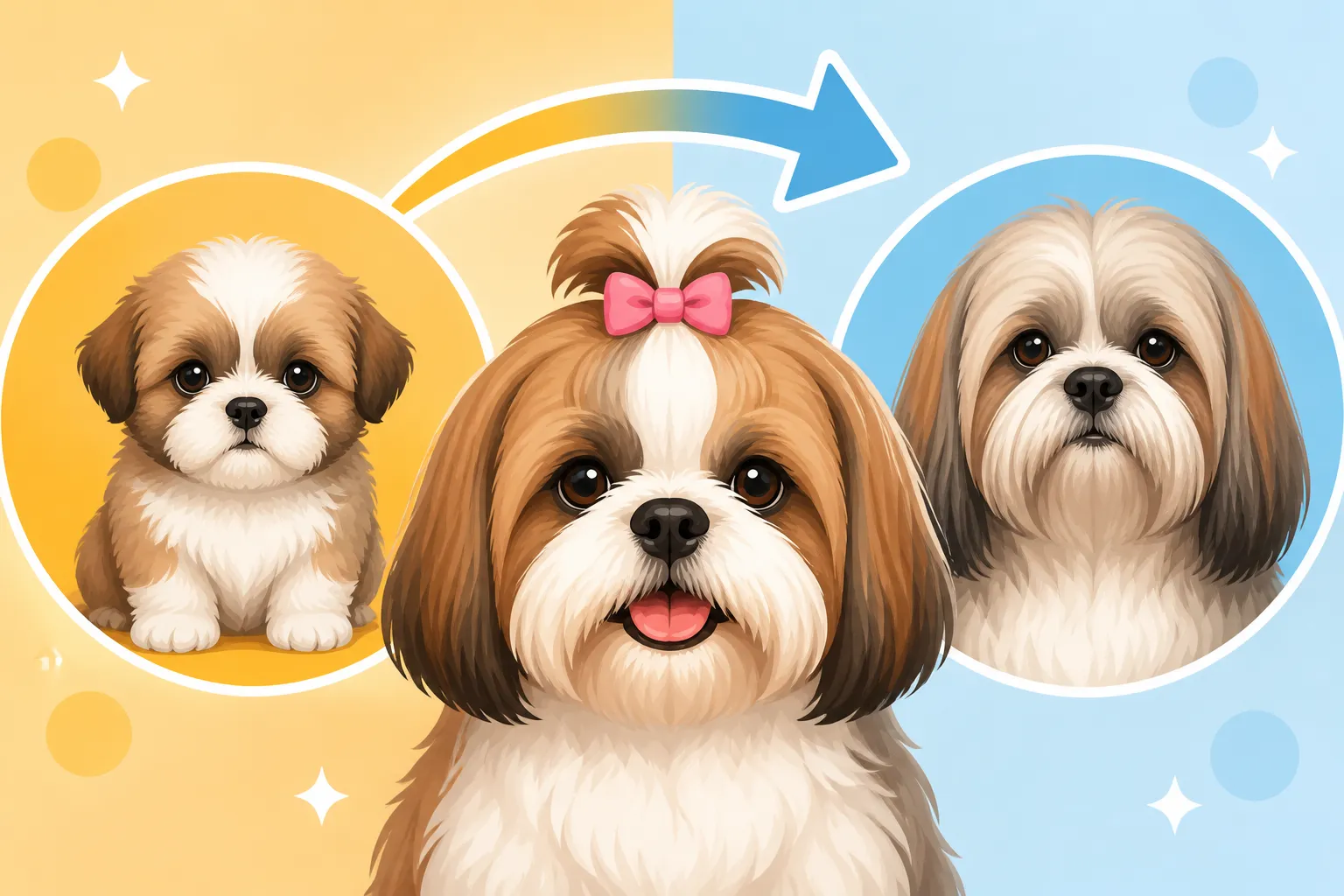
Think of a Shih Tzu puppy's coat as a first draft. It's beautiful, but it's not the final masterpiece. Many breeds, especially those with double coats like our beloved Shih Tzus, undergo a significant "coat change" as they transition from puppyhood to adolescence. This isn't just about the texture becoming thicker or the length growing out; it's profoundly about the pigmentation. The soft, fine puppy fur is gradually replaced by a coarser, denser adult coat, and with this replacement often comes a different color expression. What looked like a solid black patch might lighten to a charcoal gray, or a vibrant gold could soften to a creamy beige. It's all part of their unique development, like a caterpillar turning into a butterfly – albeit a fluffy, adorable one.
The Genetic Factors at Play
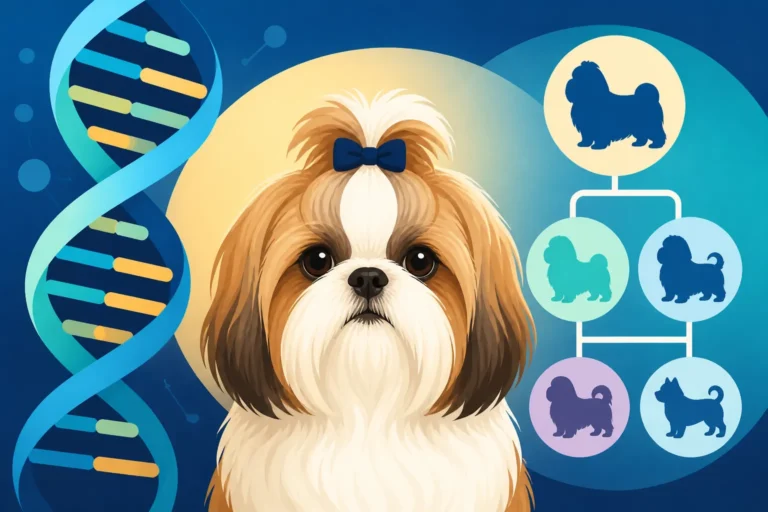
The main reason for these fascinating color shifts lies deep within their genetics. Shih Tzus carry a complex array of genes that dictate coat color, and some of these genes don't fully express themselves until the dog matures. For instance, the "G" locus gene is responsible for progressive graying, meaning a dog born black can gradually turn gray over time. Similarly, genes like the "I" locus can cause dilution, turning what might have been intended as a deep red into a lighter apricot or cream. Breeders often have a good idea of what colors might emerge based on the parents' genetics, but even they can be surprised by the extent of a puppy's transformation. It's a testament to the incredible genetic diversity packed into these little bundles of joy. Understanding these underlying genetic traits helps set expectations and allows us to appreciate the beauty of their evolving coats. You might even find yourself looking up Shih Tzu Coat Colors You Will See to better anticipate potential changes.
Common Color Transformations as Your Shih Tzu Ages
As your Shih Tzu progresses from a playful puppy to a dignified adult, and then into their wise senior years, their coat is likely to undergo several fascinating changes. These shifts are often gradual, sometimes making it feel like one day you wake up and notice a completely new shade on your furry friend.
Fading and Lightening: The Most Common Change
The most frequently observed coat color change in Shih Tzus is a general fading or lightening, particularly noticeable in darker colors. A deep black coat might soften to a smoky gray or even a silvery hue. Rich chocolate browns often mellow into lighter sable or cream tones. This phenomenon is often referred to as "clearing." It's not uncommon for a dark-eared puppy to grow up with much lighter ears, or for patches that were once stark black to become a lighter silver. This lightening can occur across the entire coat or in specific areas, like around the muzzle or on the legs. It’s a completely natural process, and it doesn't mean anything is wrong with your dog's health. In fact, many Shih Tzu owners adore the sophisticated, often unexpected, shades that emerge.
Darkening and 'Grizzling' in Later Years
While lightening is common, some Shih Tzus can experience areas of darkening, especially in multi-colored coats where certain pigments become more dominant. More often, though, as Shih Tzus enter their senior years, you might notice a phenomenon akin to "grizzling" or graying, much like humans do. Fine white or silver hairs begin to sprinkle through their existing coat, particularly around their muzzle, eyes, and sometimes across their back. This isn't the same as the puppy coat lightening; it's the natural sign of aging. A once vibrant black face might develop a distinguished white "beard," adding character to their already charming appearance. Senior Shih Tzu Care Past the Age of Ten often includes recognizing these changes as part of their graceful aging process.
Unexpected Color Shifts in Multi-Colored Coats
Shih Tzus with multi-colored coats, like tri-colors or those with extensive white markings, can display some of the most dramatic and surprising transformations. A black and white puppy might eventually have gray and white markings, or a gold and white pup might develop more cream or even darker red patches as the original "gold" pigment matures. The interplay of different color genes can be quite unpredictable. Sometimes, colors that were barely visible as a puppy, like faint brindling or subtle shading, can become much more pronounced as the adult coat fully develops. It's like having a living piece of art that subtly changes its palette over time. You might brush your Shih Tzu every day, as recommended in Brushing a Shih Tzu Double Coat Every Day, and still be surprised by the new shades you uncover.
Environmental and Health Factors Influencing Coat Appearance
While genetics play the biggest role in your Shih Tzu's changing coat color, external factors can also subtly influence how those colors appear, their vibrancy, and even their texture. It’s a delicate balance of nature and nurture, and understanding these elements can help you maintain the best possible coat for your furry companion.
Sunlight and Seasonal Effects on Pigmentation
Just like human hair can lighten in the sun, a Shih Tzu's coat can also be affected by prolonged exposure to UV rays. Dogs with darker coats, especially blacks and browns, might experience a reddish or rusty tinge when exposed to a lot of sunshine. This isn't a permanent genetic change but rather a temporary bleaching effect on the hair shafts. Conversely, a Shih Tzu's coat might appear richer and darker in winter when they spend less time outdoors, or if they have a thicker coat in colder weather. The intensity of sunlight can even influence the vibrancy of lighter colors, making creams appear almost white or deepening golden tones. Protecting your Shih Tzu from excessive sun, especially with their flat faces and delicate skin, is always important.
Diet, Supplements, and Coat Vibrancy
What goes into your Shih Tzu's bowl can certainly impact the health and luster of their coat, which in turn can affect how their color is perceived. A diet rich in essential fatty acids, particularly Omega-3 and Omega-6, can promote a healthy, shiny coat that reflects light beautifully, making colors appear more vibrant. Many high-quality dog foods, available at places like Chewy, are formulated with these nutrients specifically for coat health. If your Shih Tzu isn't getting enough of these beneficial fats, their coat might look duller, and colors could seem less vivid. Supplements like fish oil, often discussed in Fish Oil for a Shih Tzu Double Coat, are popular for boosting coat health. While diet won't fundamentally change their genetic color code (a black dog won't turn white because of food), it can absolutely optimize the appearance of their existing color.
Health Conditions and Medications That Alter Coat Color
In some rare cases, changes in your Shih Tzu's coat color or quality can be a signal of an underlying health issue. For example, certain conditions like hypothyroidism can lead to a dull, dry, and thinning coat, which might make colors appear faded or sparse. Thyroid Disease Thinning a Shih Tzu Coat explains this in more detail. Skin infections or allergies, which Shih Tzus can be prone to, can also cause discoloration, redness, or even patchy hair loss that alters the perceived coat color. Additionally, some medications, particularly long-term treatments, can have side effects that include changes in coat texture or pigmentation. If you notice a sudden, drastic, or unhealthy-looking change in your Shih Tzu's coat color or quality, especially if accompanied by other symptoms like itching, lethargy, or skin irritation, it's always best to consult your veterinarian. These instances are usually distinct from the slow, natural genetic color shifts.
Managing and Understanding Your Shih Tzu's Evolving Look
Embracing the changes in your Shih Tzu's coat color is part of the wonderful journey of having them in your life. It’s about appreciating their individuality and understanding that their beauty unfolds over time, rather than remaining static.
Embracing the Natural Progression of Color
It’s easy to feel a little wistful when your puppy's distinct markings begin to soften or change, but these transformations are a hallmark of the Shih Tzu breed. Rather than lamenting the loss of their "original" puppy color, many owners learn to cherish the subtle shifts and unique patterns that emerge. Each new shade and tone adds another layer of character to their already charming personality. Imagine the surprise and delight of seeing a solid black puppy gradually develop beautiful silver streaks, or a bright gold turning into a sophisticated cream. It's a reminder that beauty isn't just about initial impressions, but about growth and evolution. Think of it as your Shih Tzu revealing different facets of their inherent charm over time.
Grooming Practices and Perceived Color
Proper grooming plays a significant role in how vibrant and true your Shih Tzu's coat color appears. A matted, dirty coat can mask true colors, making them look dull or uneven. Regular brushing, using quality shampoos and conditioners, and keeping their coat free of tangles and debris will allow their natural colors to shine through. For instance, a dirty white coat might look dingy, but after a thorough bath with a brightening shampoo, its true brilliance is revealed. Similarly, proper drying, as outlined in Drying a Shih Tzu Right Through the Undercoat, helps maintain coat health and prevents dullness that can hide true pigmentation. If you opt for a Choosing Between a Full Coat and a Puppy Cut, the shorter length can sometimes make color changes more noticeable, or conversely, make a faded coat appear more uniform. Tools like those found on Chewy for grooming can make a world of difference in maintaining their coat's best appearance.
When to Consult Your Vet About Coat Changes
While most coat color changes are perfectly normal, there are times when it's wise to have your veterinarian take a look. If the color change is sudden, appears unhealthy, is accompanied by hair loss, skin irritation, or other symptoms, it warrants a professional opinion. For example, severe red staining around the mouth or paws could indicate yeast infections, and a patch of discolored, thinning fur might point to a skin condition rather than a natural pigment change. A vet can rule out underlying medical issues such as allergies, fungal infections, or hormonal imbalances that might manifest as coat abnormalities. It's about differentiating between the beautiful, natural evolution of their coat and a symptom that requires attention. Maintaining open communication with your vet about any significant changes in your Shih Tzu’s health or appearance is always a good practice.
Here's a quick overview of common Shih Tzu coat color changes:
| Original Puppy Color | Common Adult/Senior Changes | Why It Happens (Primary Reason) |
|---|---|---|
| Deep Black | Softens to charcoal, silver, or blue-gray | Genetic "clearing" or progressive graying genes |
| Rich Brown/Chocolate | Lightens to lighter brown, sable, cream, or 'liver' | Genetic dilution and pigment fading |
| Vibrant Gold/Red | Fades to cream, apricot, or lighter gold | Genetic dilution and pigment fading |
| Dark Brindle | Brindle pattern becomes more distinct or can fade | Genetic expression of multiple coat colors |
| Black and White | Black areas lighten to gray, white remains constant | Genetic clearing of black pigment |
| Red and White | Red areas lighten to cream/apricot, white remains constant | Genetic dilution of red pigment |
| Solid White | Usually remains white, may show slight yellowing from environment | Stable pigment, less genetic change |
Disclaimer
This article is for general informational purposes only and does not constitute professional advice. Laws, prices and regulations vary by location and change over time. Consult a qualified professional for guidance on your specific situation.