What the Standard Says a Shih Tzu Should Be
It’s easy to get swept up in the adorable fluffiness of a Shih Tzu puppy or fall in love with the serene gaze of an older dog. But if you’ve ever wondered what truly makes a Shih Tzu a Shih Tzu beyond just their charming looks, you’ve likely stumbled upon the idea of a "breed standard." This guide will walk you through exactly what that means for our beloved little lions, explaining what makes them unique in the eyes of the experts.
Understanding the Shih Tzu Breed Standard: More Than Just a Show Ring Guide
When you hear "breed standard," it might sound like something only serious dog show enthusiasts or breeders need to worry about. And, honestly, for a long time, I thought the same thing! It felt a bit intimidating, like a secret language only spoken by those in the know. But the truth is, understanding the breed standard offers a fascinating glimpse into the very essence of the Shih Tzu, revealing why they look and act the way they do, and why certain physical traits are so important for their health and well-being.
What a Breed Standard Actually Is
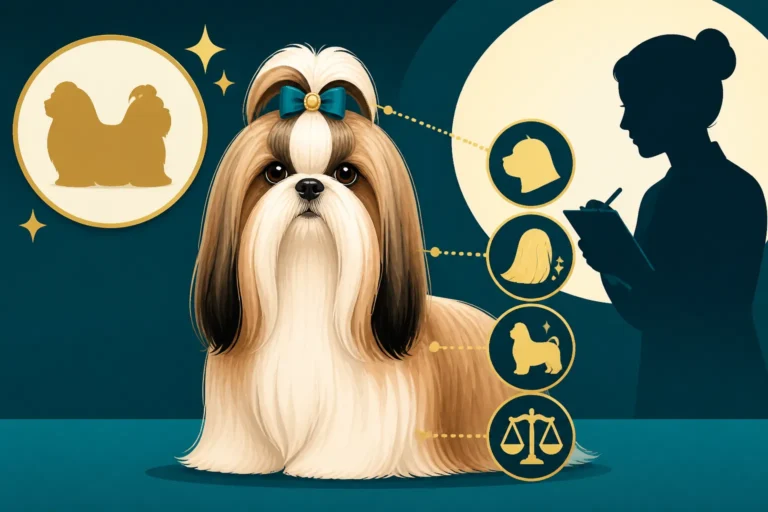
Imagine a blueprint for the perfect Shih Tzu – that’s essentially what a breed standard is. It’s a detailed, written description established by national kennel clubs, like the American Kennel Club (AKC) here in the US, outlining the ideal characteristics of a purebred Shih Tzu. This includes everything from their general appearance, size, proportion, and coat to their temperament, head structure, and how they move. It’s a historical document, too, preserving the vision for the breed as it was first recognized and refined. For judges in the show ring, it’s the definitive guide against which every dog is measured. Think of it as the ultimate reference book that defines The Shih Tzu From Tibetan Temples to American Homes.
This standard isn't just about superficial beauty, though. It’s also deeply rooted in the breed’s historical purpose and health. For the Shih Tzu, who were bred purely as companions in Tibetan monasteries and later Chinese imperial palaces, their standard emphasizes a robust, healthy structure, a charming temperament, and distinctive features that make them unique. It helps ensure that breeders are working towards a consistent type that embodies the spirit and physical traits intended for the breed. Without it, you’d see a much wider variation in what people consider a "Shih Tzu," potentially losing some of the beloved traits that define them.
Why the Shih Tzu Standard Matters to Every Owner
Even if you have no intention of ever stepping foot in a dog show, the breed standard is incredibly relevant to you as a Shih Tzu owner. It provides a framework for understanding your dog's unique traits and potential health considerations. For instance, knowing that the standard calls for a strong, level back can help you understand Why a Shih Tzu Spine Is Built to Slip and why careful handling is crucial. It informs why they have that particular "chrysanthemum" face, which, while adorable, also comes with specific grooming needs around their eyes and nose.
Beyond aesthetics, the standard often has implications for health. A well-bred Shih Tzu adhering to the standard typically has a better chance at a healthy life because their physical structure is designed for soundness, not exaggeration. When breeders deviate significantly from the standard, particularly by breeding for extreme features like excessively flat faces or unnaturally small sizes, it can introduce or exacerbate health problems. So, in essence, the standard is a guide not just to what a Shih Tzu should look like, but to what a Shih Tzu should be to thrive as a companion. It shapes what many responsible breeders aim for, and you can learn more about finding them in Finding a Shih Tzu Breeder Worth the Wait.
The Ideal Shih Tzu: Size, Proportions, and That Signature Personality
When you first see a Shih Tzu, there’s an immediate impression they give off – a confident, regal air despite their small size. The breed standard captures this essence, describing not just precise measurements but the overall vibe they present. It aims for a dog that is sturdy and alert, without being delicate or fragile.
Getting the Height and Weight Right
The breed standard specifies a particular range for height and weight to ensure the Shih Tzu maintains its sturdy, compact build. An ideal Shih Tzu should stand between Nine to Ten and a Half Inches at the Shoulder, with a weight typically ranging from 9 to 16 pounds. This isn't just an arbitrary number; it speaks to their robust, hardy nature as a toy breed. They should feel substantial for their size, not spindly.
Think about it this way: a Shih Tzu that is significantly smaller, often labeled "Teacup," might be marketed as cute, but these dogs often fall outside the healthy weight range and can be prone to more health issues. Conversely, an oversized Shih Tzu might lose some of the distinctive toy breed characteristics. The standard emphasizes a solid, well-balanced body that allows them to carry their magnificent coat with ease and move freely. This careful balance ensures they are truly "lion dogs" in miniature, perfectly proportioned and well-built. You can explore this further in What a Shih Tzu Should Weigh Fully Grown.
The Outgoing Nature the Standard Demands
While physical attributes are crucial, the breed standard places equal importance on temperament. A Shih Tzu isn't just a pretty face; they are defined by their delightful personality. The standard describes them as outgoing, affectionate, and friendly. They should be confident and carry themselves with an air of importance, yet never be snobbish or aloof. This is a breed that genuinely enjoys human company and thrives on being part of the family.
This inherent cheerfulness and desire to connect is one of the most beloved traits of the breed. Imagine your Shih Tzu enthusiastically greeting you at the door, wiggling their whole body with joy – that’s the temperament the standard celebrates. They are generally good with children and other pets, provided they are properly socialized. This isn't to say every Shih Tzu is exactly the same, but the standard sets the benchmark for the breed’s characteristic charm and resilience. It's a testament to Shih Tzu Temperament and the Companion It Was Bred to Be.
The Crown Jewel: Shih Tzu Head, Face, and Expressive Features
If there’s one part of a Shih Tzu that captures everyone’s heart, it’s often their expressive face. The head is truly the "crown jewel" of the breed, and the standard details every aspect from their skull shape to their unique bite. These features define their ancient, regal look.
The Round Broad Shih Tzu Head and Chrysanthemum Face
The standard calls for a broad, round head, with a good distance between the eyes. This isn’t just about looking cute; it's a critical part of their brachycephalic (flat-faced) structure. Their muzzle should be short, squarely set, and unwrinkled, sitting low. The term "chrysanthemum face" comes from the way the hair grows outward from the center of the face, resembling the petals of the flower. This unique facial structure, paired with a distinct underbite, creates that undeniably endearing Shih Tzu expression.
This specific head shape contributes to their charming appearance but also requires thoughtful care. For instance, the short muzzle means their breathing might sound a bit different, and you might hear The Snoring That Means a Shih Tzu Airway Problem. Owners often need to trim around the eyes to prevent irritation, which is a daily task that some find easier with good quality, small grooming scissors you might find on Chewy. The breed standard helps us appreciate these characteristics as hallmarks, guiding us in their proper care.
Shih Tzu Eye Placement and Expression
A Shih Tzu’s eyes are often described as large, round, and set well apart, giving them a warm, friendly, and intelligent expression. They should be dark in color, though lighter eyes can be seen in liver or blue Shih Tzus. Crucially, they should be set straight and not bulge, though their prominent nature is a characteristic of the breed. The standard emphasizes a soulful, direct gaze that communicates their sweet and engaging personality. This is detailed in Shih Tzu Eye Placement and Expression.
Their prominent eyes, however, also mean they are prone to certain issues. Hair falling into the eyes, for example, can cause irritation or even corneal ulcers. This is why careful grooming and sometimes a topknot are essential, as discussed in The Shih Tzu Topknot and Keeping Hair Out of the Eyes. The breed standard acknowledges these features while implicitly reminding owners of the responsibility to protect such a vital and characteristic part of their dog.
Shih Tzu Ears, Eyes and Bite in the Standard
Let's dive deeper into a few other key facial features that the standard highlights. Their ears are another distinguishing trait: large, set low, and heavily feathered, blending seamlessly with the neck hair. When groomed, they often appear to merge with the luxurious mane. The placement and carriage of these ears contribute to the overall dignified look.
When it comes to their mouth, the standard calls for an undershot bite, meaning the lower jaw protrudes slightly beyond the upper jaw, with the teeth fitting neatly together. This gives them that distinctive "chomp" or "scowl" that is part of their unique charm. The teeth themselves should be strong and sound, even if crowded in their tiny mouths, which is a common issue for the breed. Shih Tzu Tooth Crowding in a Tiny Jaw is something all owners should be aware of and is why regular dental care, perhaps with dental chews available from Chewy, is so vital. This specific bite contributes to their unique profile and is a key identifier of the breed. You can find more specific information on this in The Shih Tzu Undershot Bite in the Standard.
From Luxurious Coat to Plumed Tail: The Shih Tzu Body and Its Maintenance
The Shih Tzu’s luxurious double coat and distinctive tail carriage are undoubtedly among its most iconic features, contributing significantly to its "lion dog" appearance. The breed standard meticulously describes these elements, ensuring that the breed retains its aristocratic bearing.
The Shih Tzu Coat the Standard Describes
The Shih Tzu is famous for its long, flowing double coat, which the standard describes as dense and well-furnished, with a good undercoat. It should be straight or slightly wavy, reaching the ground in mature dogs. The ideal texture is neither harsh nor woolly, but rather soft and fine. All colors and markings are permissible and considered equally beautiful. This incredible coat is what gives the Shih Tzu its regal appearance and offers protection. You can learn more about its characteristics in The Shih Tzu Coat the Standard Describes.
Maintaining this magnificent coat is a significant commitment, as any Shih Tzu owner will tell you. Daily brushing is not just a suggestion; it's a necessity to prevent matting and tangles, especially in areas like behind the ears or under the legs. Many owners opt for a "puppy cut" to make daily grooming more manageable, but even then, consistent care is paramount. Good quality brushes and combs, readily available from retailers like Chewy, are indispensable tools for keeping a Shih Tzu's coat in tip-top condition, reflecting the breed standard's emphasis on a well-kept appearance.
The Plumed Tail on a Shih Tzu Back
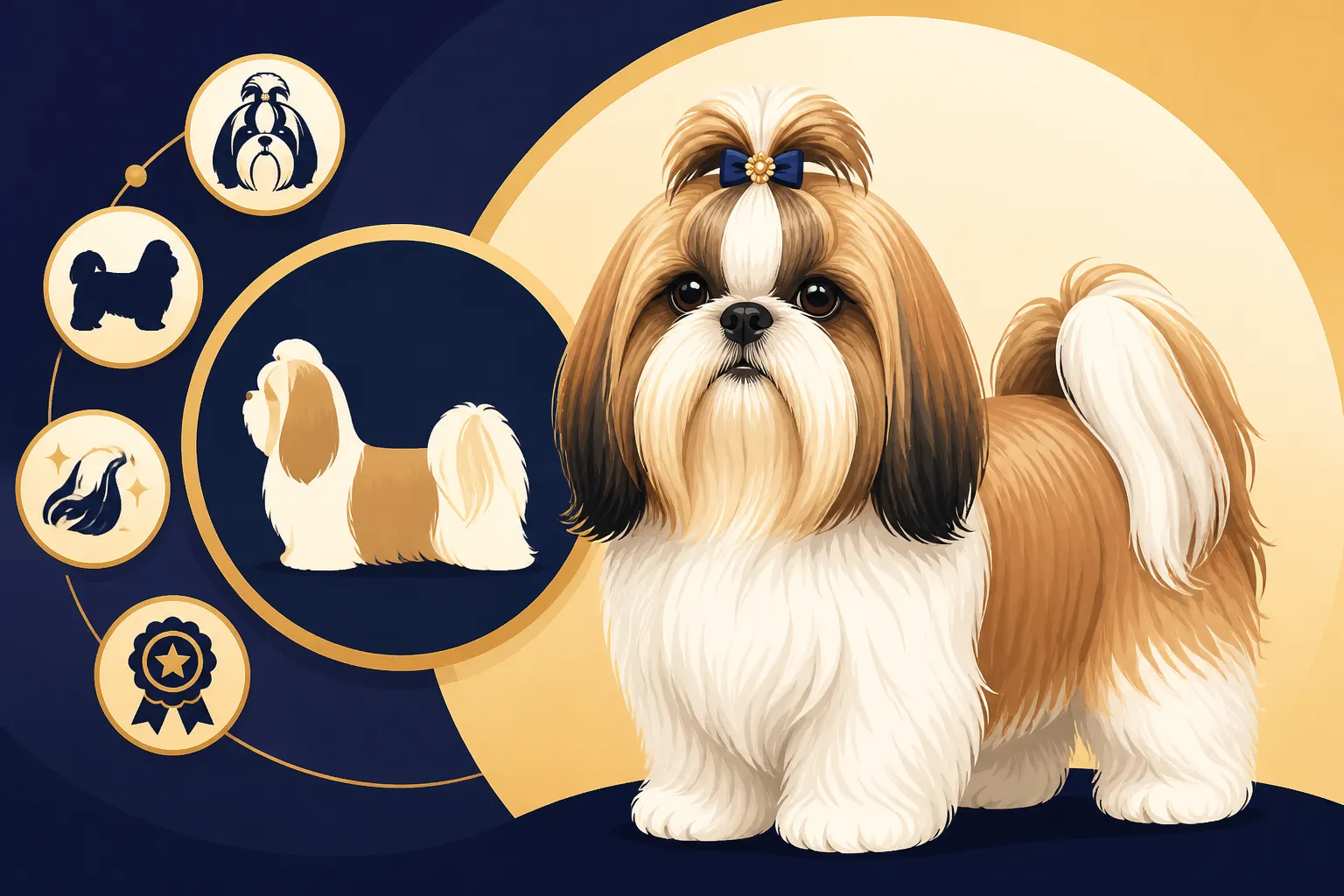
Another hallmark of the Shih Tzu breed is its beautifully plumed tail, which should be set high and carried gaily, curving over the back. This isn't just a cute quirk; the way the tail arches over their body adds to their dignified and balanced silhouette. The standard dictates that the tail should be so heavily plumed that it forms a literal "plume," enhancing their overall majestic look. The Plumed Tail on a Shih Tzu Back is a key characteristic that sets them apart.
The high-set tail emphasizes the compact, sturdy body and contributes to the impression of balance and pride. It's an active tail, often wagging and expressing the dog's joyful nature, but its physical structure is a crucial part of the breed's defined outline. When you see a Shih Tzu moving confidently with its tail held high, it’s a living embodiment of the standard’s description.
The Rectangular Outline the Standard Wants
Beyond individual features, the standard outlines the overall body shape, describing the Shih Tzu as slightly longer than tall, giving them a distinct rectangular outline. This proportion is vital for their balance and movement. The body should be solid and well-ribbed, with a level topline. They should not appear square like some other breeds, nor overly long like a Dachshund. This specific proportion gives them their characteristic sturdy and balanced appearance.
This rectangular shape is part of what allows them to move with an unhurried, flowing gait. It provides the necessary space for internal organs while maintaining a compact form suitable for a lap companion. The emphasis on a robust, well-muscled body underneath all that hair ensures that they are not just pretty, but truly sound and capable of enjoying a full, active life within their limits.
Graceful Gait and Overall Soundness: The Shih Tzu in Motion
While a Shih Tzu often spends its days lounging on a soft cushion, the breed standard also describes how they should move. This isn't just for the show ring; it speaks to the overall soundness and health of the dog. A correct gait indicates proper structure and contributes to their well-being throughout their lifespan.
How a Shih Tzu Should Move Across the Ring
The standard describes the Shih Tzu's gait as arrogant and smooth, with good reach and drive. This means they should move with a confident, effortless stride, giving the impression of dignity and fluidity. Their feet should move straight forward, without any crossing or crabbing, and their back should remain level. How a Shih Tzu Should Move Across the Ring is a careful balance of elegance and robustness.
This particular movement is a direct result of their balanced proportions and sturdy build. While they aren't built for marathons, a healthy Shih Tzu should be able to trot comfortably for short periods, enjoying their daily walks. Any stiffness, lameness, or awkwardness in gait could indicate an underlying structural issue, such as Shih Tzu Hip Dysplasia at Toy Size or Patellar Luxation in a Shih Tzu, which are not in line with the breed's ideal soundness.
Shih Tzu Faults That Cost Points
Within the breed standard, certain deviations from the ideal are considered "faults." These are characteristics that detract from the overall quality of the dog, and in the show ring, they would result in points being deducted. Some common faults for the Shih Tzu include an overly long or short body, a snipey (too pointed) muzzle, light-colored eyes (unless the coat color dictates it), or a tail that doesn't curve properly over the back. Extremes in temperament, such as shyness or aggression, are also considered serious faults, as they go against The Outgoing Nature the Standard Demands.
Understanding these faults isn't about judging every Shih Tzu you meet; it's about recognizing what the breed experts consider less than ideal for the breed's integrity and long-term health. For example, a mouth that is severely overshot or crooked can impact their ability to eat comfortably. Shih Tzu Faults That Cost Points gives insights into why certain traits are undesirable, often tying back to health or the historical purpose of the breed.
Why Soundness Benefits Every Shih Tzu
Ultimately, the entire breed standard, from head to tail and temperament to movement, is geared towards promoting the overall soundness of the Shih Tzu. Soundness means a dog is structurally healthy, moves efficiently, and possesses the stable temperament characteristic of its breed. A sound Shih Tzu is one that can live a comfortable, happy life, free from pain or chronic issues caused by poor breeding choices.
When you choose a Shih Tzu from a reputable breeder who strives to meet the breed standard, you're investing in a dog whose lineage has been carefully considered for health and temperament. This attention to detail can potentially save you from significant heartache and veterinary bills down the road. It ensures that the adorable, fluffy companion you bring home has the best possible foundation for a long and joyful life as your beloved "lion dog."
| Characteristic | Ideal Description (Standard) | Importance to Owner |
|---|---|---|
| Size | 9-16 lbs; 9-10.5 inches at shoulder | Ensures sturdy build, avoids fragility or excessive size. |
| Temperament | Outgoing, affectionate, friendly, confident | Guarantees a delightful, engaging companion. |
| Head | Broad, round, short, square muzzle, "chrysanthemum" face | Defines classic look; requires attention to eye/nose area care. |
| Eyes | Large, round, dark, set well apart, soulful expression | Highly expressive; prone to issues if not groomed carefully. |
| Bite | Undershot, jaw square and strong | Characteristic; watch for dental crowding. |
| Ears | Large, set low, heavily feathered, blending with neck hair | Part of their elegant head; requires occasional cleaning. |
| Coat | Long, dense double coat, straight or wavy, all colors | Iconic feature; demands daily brushing to prevent mats. |
| Tail | Set high, carried gaily, heavily plumed over back | Adds to regal appearance and balance. |
| Body Shape | Slightly longer than tall, rectangular, sturdy | Promotes balanced movement and overall soundness. |
| Gait | Arrogant, smooth, good reach and drive, level back | Indicates healthy structure and ability to move comfortably. |
Disclaimer
This article is for general informational purposes only and does not constitute professional advice. Laws, prices and regulations vary by location and change over time. Consult a qualified professional for guidance on your specific situation.