The Shih Tzu Coat the Standard Describes
Ah, the Shih Tzu coat! It's one of the first things that draws us to these adorable little lion dogs, isn't it? That luxurious, flowing hair, the proud topknot—it's truly magnificent. But for many new Shih Tzu owners, the sheer volume and specific requirements of that gorgeous coat can feel a little overwhelming, even confusing. You might wonder how on earth show dogs achieve that floor-length glamour, or what "correct" coat texture even means when you're battling tangles daily. This guide is all about demystifying the Shih Tzu coat, exploring what the breed standard truly describes, and what that means for owners navigating daily grooming and appreciating the unique beauty of their furry friend.
Understanding the Shih Tzu Double Coat
When you look at a Shih Tzu, you see a magnificent mane, but what you might not immediately realize is that this isn't just one layer of hair; it's a complex double coat. This is a crucial distinction that impacts everything from how often you brush to how quickly your beloved pup can get matted. Many owners don't fully grasp the implications of a double coat until they're knee-deep in tangles, wondering why their brushing efforts seem to disappear so fast.
The Inner Layers: Undercoat and Topcoat
The Shih Tzu's double coat consists of two distinct layers. First, there's the undercoat: this is typically softer, finer, and denser. Its primary job, historically, was to provide insulation against the cold mountain air of Tibet. Think of it as a thick, downy sweater. Above this lies the topcoat, which is longer, coarser, and should have a slightly harsher texture. The topcoat is what gives the Shih Tzu its flowing, silky appearance when properly maintained. It's meant to cascade over the body, protecting the undercoat and the skin beneath. Together, these layers create that characteristic dense, luxurious feel that defines the breed. Understanding these two layers is the first step to tackling the grooming demands of a Shih Tzu. It's not just hair; it's a finely tuned system!
Why the Coat is Prone to Matting
With two layers of hair, especially one that's fine and dense like the undercoat, the Shih Tzu is inherently predisposed to matting. When loose undercoat hair gets trapped by the longer topcoat, it quickly twists and knots, forming dense clumps that can pull at the skin and cause discomfort. Everyday activities like rolling around, playing, or even just sleeping can contribute to mats. Humidity can make matters worse, as can friction from harnesses, collars, or even just the movement of their own legs. It’s a constant battle, and one that requires diligence. Many owners find themselves frustrated, thinking their dog just had a bath or a good brush, only to discover new mats forming seemingly overnight. This isn't a sign of poor ownership; it's simply the nature of this breed's coat. That’s why daily attention is non-negotiable for a Shih Tzu with any length of coat beyond a very short clip. If you've ever stared in dismay at a new tangle, you're not alone in that feeling. Why a Shih Tzu Double Coat Mats So Fast offers more insight into this common challenge.
The Standard's Ideal Texture
The Shih Tzu breed standard calls for a "long, dense, not curly, with good undercoat, not excessively woolly." This description is key. "Not excessively woolly" is particularly important because a woolly or cottony coat, while soft, tends to mat even more easily and doesn't shed dirt and debris as effectively as the desired silkier texture. A correct Shih Tzu coat should feel relatively smooth and flowing, even with its density, rather than coarse or wiry. The slight "harshness" often described refers to the topcoat's quality, allowing it to fall properly. A coat that is too soft or woolly can be a nightmare to maintain, often leading to more frequent matting and a lack of the elegant drape desired in the show ring. When breeders talk about "coat quality," they're often referring to this texture, aiming for that perfect balance of density and manageability. You can delve deeper into this by reading What the Standard Says About Shih Tzu Coat Texture.
The Full, Flowing Coat: A Look at the Ideal Length
One of the most striking features of a show-quality Shih Tzu is its incredible, floor-length coat. This isn't just for aesthetics; it's a direct reflection of the breed's origins and the specific requirements laid out in the breed standard. Achieving and maintaining this length is a monumental task, and it's something that defines the public perception of the breed.
How Length Contributes to the Breed's Look
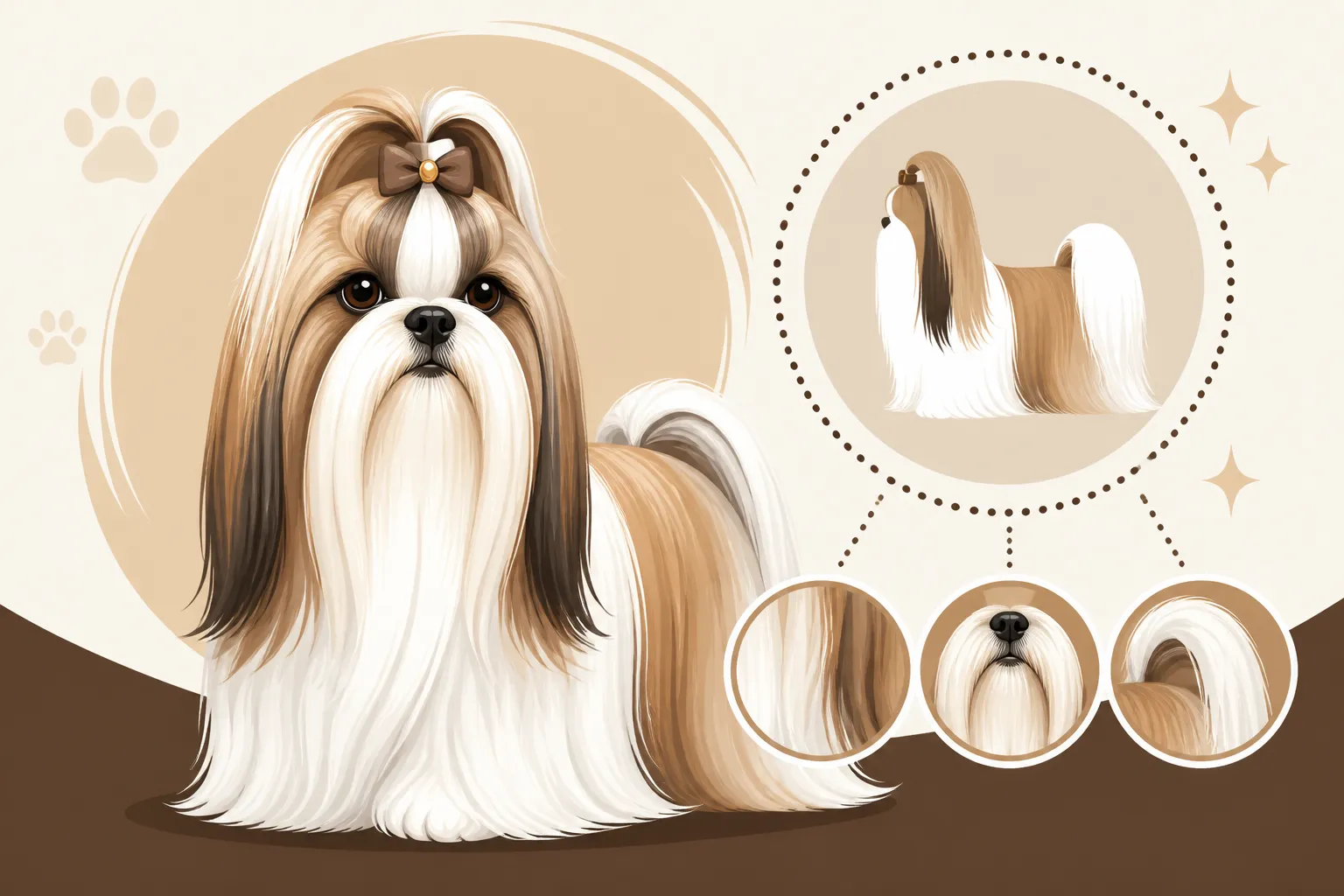
The standard explicitly asks for a "long" coat, implying that the ideal Shih Tzu should appear as a flowing mass of hair. This length, when well-maintained, contributes significantly to the breed's regal, almost lion-like appearance, which is central to its historical "lion dog" moniker. The hair should be long enough to touch the ground if possible, creating an impression of substance and elegance. It should drape beautifully over the body, obscuring the outline of the dog itself, save for the proud head and tail. This flowing silhouette is what truly distinguishes a Shih Tzu in the show ring, making it a living, breathing work of art. Without that length, much of the breed's characteristic charm and majesty, as envisioned by the standard, is lost.
Considerations for Maintenance at Show Length
Maintaining a Shih Tzu coat at show length is an incredibly time-consuming and dedicated endeavor. It requires daily, meticulous brushing, often taking an hour or more, to prevent mats from forming. The coat must be bathed frequently, often weekly, using high-quality shampoos and conditioners designed to hydrate and protect the hair. After bathing, the coat needs to be thoroughly dried with a forced-air dryer, section by section, to ensure every strand is dry from root to tip. Then, protective wraps or "papillotes" are often used to keep sections of hair off the ground, out of the way, and free from breakage and tangles between grooming sessions. This level of care isn't just about making the dog look good; it's about preventing discomfort from mats and ensuring the coat remains healthy. It's a lifestyle commitment for both the dog and the owner.
The Practicalities for a Companion Shih Tzu
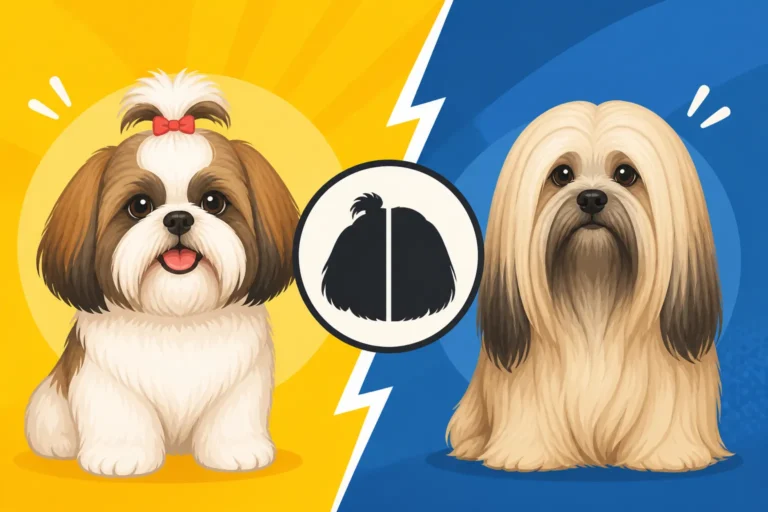
While the full, flowing coat is the show ideal, it's simply not practical for most companion Shih Tzus and their owners. Life happens! Dogs run, play in the yard, get muddy, and interact with children or other pets. A full coat would quickly become a tangled, debris-laden mess, causing discomfort and potential skin issues for the dog, and endless frustration for the owner. This is why many companion Shih Tzus sport a "puppy cut" or a shorter, more manageable clip. This allows the dog to live a happy, active life without constant grooming demands, while still looking adorable. It's a compromise that prioritizes the dog's comfort and the owner's sanity, acknowledging that the show ring ideal isn't always the best fit for everyday living. Choosing Between a Full Coat and a Puppy Cut can help you weigh your options.
Permitted Coat Colors and Markings
One of the delightful things about Shih Tzus is the incredible variety of colors and patterns they come in. Unlike some breeds where color is very strictly limited, the Shih Tzu boasts a spectrum that makes each dog feel truly unique. This kaleidoscope of hues is part of their charm and adds to the joyful personality they exude.
The Rainbow of Shih Tzu Hues
The Shih Tzu breed standard is very inclusive when it comes to color, stating that "all colors are permissible." This means you can find Shih Tzus in nearly every imaginable dog coat color: solid black, white, gold, silver, red, liver, blue, and various shades of brindle. They also come in bi-color combinations, such as black and white, gold and white, or liver and white. The standard does not specify a preference for any particular color, nor does it penalize any color. This broad allowance celebrates the diversity within the breed and means that whether you love a classic gold and white, a striking solid black, or a unique brindle, there's a Shih Tzu for you. It's truly a visual feast of canine artistry. For a deeper dive, check out Which Shih Tzu Colors the Registry Allows.
The Importance of a White Blaze and Tail Tip
While all colors are permissible, the standard does mention specific markings that are "highly desirable": a white blaze on the forehead and a white tip on the tail. These markings are not mandatory for a Shih Tzu to be considered excellent, but they are often sought after by breeders and judges as they add to the traditional aesthetic of the breed. The white blaze, running up the forehead between the eyes, is sometimes referred to as "Buddha's Kiss" or "Heaven's Kiss," linking back to mythical tales of the breed's origins. A white tail tip, on the other hand, adds a touch of elegance to the high-set, plumed tail. These markings are seen as finishing touches that enhance the overall balance and appeal of the dog's appearance, making them particularly charming.
How Color is Judged in the Ring
In the show ring, while "all colors are permissible," the condition of the coat and the quality of the hair are far more important than the specific color itself. A judge will not favor a gold and white Shih Tzu over a solid black one purely because of its color. Instead, they will assess how healthy, clean, and well-maintained the coat is, how well it meets the texture requirements, and whether it has been presented according to the standard. Color simply adds to the individual beauty of each dog. Any staining, matting, or poor coat condition, regardless of color, would be penalized. This means an owner of a rare colored Shih Tzu, like a blue or liver, has just as much a chance to excel in the ring as an owner of a more common gold and white, provided the coat itself is exemplary.
Coat Presentation and Grooming in the Standard
The Shih Tzu's coat isn't just about its natural state; it's also about how it's presented. The breed standard dictates not only what the coat should be but also how it should look when entering the show ring. This means specific grooming practices are ingrained into the very definition of the breed's ideal appearance.
Tying the Topknot: Functional and Aesthetic
One of the most iconic elements of a Shih Tzu's presentation is the topknot. The breed standard states, "Hair on head, tied up." This isn't just a cute accessory; it serves a vital purpose: to keep the long hair out of the dog's eyes. Without a topknot, the hair could irritate the eyes, obstruct vision, and even lead to corneal ulcers. In the show ring, the topknot is meticulously gathered and tied high on the head, often adorned with a small bow or band that matches the coat or is a tasteful color. It's meant to draw attention to the face and prevent any visual obstruction. For companion Shih Tzus, the topknot is equally important for comfort and eye health, even if it's a simpler band and not quite as elaborately styled. Learning how to tie a topknot correctly is an essential skill for any Shih Tzu owner, whether they plan to show or not. The Shih Tzu Topknot and Keeping Hair Out of the Eyes is an excellent resource for this skill.
Cleanliness and Condition for Show
A show-quality Shih Tzu coat must be immaculate. This means absolutely no mats, tangles, or debris. The coat needs to be sparkling clean, free of any staining, especially around the eyes and mouth, which are prone to tear and food stains. The hair should be conditioned to a silky, flowing texture that allows it to move freely. A judge will run their hands through the coat, feeling for texture, density, and any hidden mats. Any sign of neglect, such as dullness, dryness, or breakage, will detract from the dog's overall presentation. This meticulous standard of cleanliness and condition demands a consistent and rigorous grooming routine, ensuring the coat reflects optimal health and care. It's about presenting the dog as a shining example of the breed.
Grooming Tools and Techniques for the Standard Look
Achieving and maintaining the standard Shih Tzu coat requires a specific arsenal of tools and techniques. A pin brush, a metal comb, and a slicker brush are indispensable for working through the dense double coat. Detangling sprays are often used to help ease through knots without causing breakage. A high-velocity forced-air dryer is crucial for drying the coat completely and straightening it after baths, ensuring that desired flowing look. For the topknot, small latex bands are typically used, sometimes covered with decorative bows. Owners of full-coated Shih Tzus often invest in a grooming table and arm to make the process easier and safer for both dog and groomer. Even if you're not aiming for a show ring, having the right tools makes home grooming so much more effective. When I'm looking for grooming supplies, I often check out Chewy; they have a fantastic selection of brushes, combs, and detanglers specifically designed for long-haired breeds, making it easier to find what you need to keep that gorgeous coat in top shape. Brushing a Shih Tzu Double Coat Every Day provides a great starting point for daily care routines.
Common Coat Challenges and Deviations from the Standard
While the breed standard paints a picture of the ideal Shih Tzu coat, not every dog will perfectly conform to this description. There are common variations and challenges that owners encounter, which can sometimes make grooming even more demanding. Understanding these deviations can help you manage your Shih Tzu's coat effectively and without frustration.
Soft, Cottony Coats and Their Difficulties
One of the most common deviations from the ideal texture is a coat that is too soft or "cottony." Instead of the desired silky, slightly harsh topcoat, these dogs have hair that feels more like fine cotton. While undeniably soft to the touch, this type of coat is notoriously difficult to maintain. It mats incredibly easily, sometimes just by looking at it! The fine strands cling to each other, forming tight knots that are hard to brush out without causing pain or breakage. This can lead to a cycle of matting, shaving, and re-matting, causing distress for both the dog and the owner. If your Shih Tzu has a cottony coat, you'll find that detanglers and leave-in conditioners become your best friends, and even more frequent brushing is required. Many owners with these coat types opt for a permanent short clip to keep their dog comfortable.
Excessive or Sparse Coats
The standard calls for a "dense" coat, indicating a good volume of hair with a healthy undercoat. However, some Shih Tzus can have coats that are either excessively abundant or surprisingly sparse. An excessively dense coat, while impressive in volume, can be even more challenging to groom due to the sheer amount of hair and the increased risk of overheating, especially in warmer climates. On the other hand, a sparse coat, lacking adequate undercoat or density, might not offer the traditional "lion-like" silhouette. While easier to brush, it can also leave the dog more vulnerable to the elements and doesn't quite meet the breed's aesthetic standard. Both extremes present unique challenges that owners must adapt to, whether it's managing extra volume or ensuring proper protection for a thinner coat.
Dealing with Mats and Tangled Hair
Mats are the bane of every Shih Tzu owner's existence, regardless of coat quality. When hair becomes severely tangled, it forms dense, solid clumps that can pull at the skin, restrict movement, and lead to skin infections if moisture gets trapped underneath. Dealing with mats effectively requires patience and the right tools. Never try to brush out a dry, tightly matted coat; always use a detangling spray first to lubricate the hair and make it easier to separate. Work slowly, section by section, starting from the outside of the mat and working your way in. For very severe mats, it's often kinder to the dog to have them professionally shaved out by a groomer. Attempting to forcefully brush out large mats can be incredibly painful and create a negative association with grooming. Remember, prevention is always better than cure, so daily brushing is key. If you're looking for quality detangling sprays or wide-toothed combs to help with mats, Chewy has a great selection. You can find excellent advice on this topic in Mats Where a Harness Sits on a Shih Tzu.
Maintaining the Shih Tzu Coat for Health and Happiness
Regardless of whether your Shih Tzu is a show contender or a cherished couch companion, consistent coat care is vital for their health and happiness. A well-maintained coat is a comfortable coat, and a comfortable dog is a happy dog. It's about establishing a routine that works for both of you.
Daily Brushing Routines
For any Shih Tzu with a coat longer than an inch or two, daily brushing is non-negotiable. This isn't just a quick once-over; it's a thorough session designed to prevent mats and distribute natural oils. You'll need a good quality pin brush or slicker brush and a metal comb. The key is to brush in sections, starting from the bottom layers of hair and working your way up. Use a detangling spray to make the process easier and prevent breakage. Pay special attention to areas prone to matting: behind the ears, under the legs, on the belly, and where a harness rubs. Even if your Shih Tzu has a short "puppy cut," a quick daily brush helps keep the coat healthy and free of debris. Think of it as a bonding time, not a chore. Having a sturdy, ergonomic brush from a place like Chewy can make a huge difference in making these daily sessions more effective and less strenuous on your hands.
Bathing and Drying Best Practices
Bathing a Shih Tzu needs to be done regularly, typically every two to four weeks, depending on coat length and lifestyle. Use a gentle, dog-specific shampoo and follow up with a good conditioner to moisturize the hair and prevent tangles. The most critical step after bathing is thorough drying. A damp coat, especially a double coat, will mat almost instantly. Use towels to absorb excess water, then a forced-air dryer on a cool or low-heat setting, brushing the hair as you dry. Make sure the undercoat is completely dry, right down to the skin. Any residual dampness can lead to matting, skin irritation, or even hot spots. Proper drying helps keep the coat straight and flowing, and minimizes the risk of painful mats forming after their bath. Shampoo That Suits a Shih Tzu Double Coat can guide you in choosing the right products.
Professional Grooming vs. Home Care
Many Shih Tzu owners choose to combine home care with professional grooming. Daily brushing and eye cleaning are tasks best done at home, fostering a strong bond and addressing immediate needs. However, a professional groomer brings expertise, specialized equipment, and a fresh eye. They can expertly clip nails, clean ears, perform sanitary trims, and tackle any budding mats you might have missed. For owners who prefer a shorter, practical "puppy cut," regular professional grooming appointments (every 4-6 weeks) are essential to maintain the desired length and shape. Even if you love grooming at home, an occasional professional session can give your Shih Tzu a deep clean, a thorough check-over, and a perfect trim, ensuring they look and feel their very best. It's not an "either/or" situation; often, it's a beneficial partnership. How a Groomer Should Hold a Shih Tzu's Head gives insight into the professional handling your Shih Tzu might experience.
| Coat Feature | Breed Standard Description | Practicalities for Companion Shih Tzus | Grooming Impact |
|---|---|---|---|
| Coat Type | Long, dense, double coat, not curly | High maintenance for full length; shorter clips common for manageability | Daily brushing, thorough drying, specific tools needed |
| Texture | Silky topcoat, good undercoat, not excessively woolly | Woolly coats common, require more effort to prevent matting | Detangling sprays, conditioners, patient brushing |
| Length | Floor-length, flowing, obscuring body outline | Rarely achieved by companions; often kept in short, practical "puppy cuts" | Frequent professional trims or diligent home clipping |
| Color/Markings | All colors permissible; white blaze/tail tip desirable | No practical impact on grooming; purely aesthetic | No change in grooming routine based on color |
| Topknot | Hair on head tied up | Essential for comfort to keep hair out of eyes, regardless of coat length | Daily re-tying, use of appropriate bands/bows |
| Cleanliness | Spotless, free of mats/stains | Regular bathing crucial; special attention to tear/beard stains | Dedicated face wipes, specific shampoos |
Disclaimer
This article is for general informational purposes only and does not constitute professional advice. Laws, prices and regulations vary by location and change over time. Consult a qualified professional for guidance on your specific situation.