Why the Shih Tzu Has No Working History
It’s easy to look at many dog breeds and instantly picture their historical "job" – the Border Collie herding sheep, the Labrador retrieving ducks, or the German Shepherd guarding property. But when you look at a charming, fluffy Shih Tzu, it can feel a little different. Many new Shih Tzu owners, and even those who've loved the breed for years, often wonder about their origins: what exactly did these delightful little lion dogs do? The truth is, the Shih Tzu’s "work" was far more refined, focused entirely on companionship and luxury, making their story quite unique. This guide will delve into the fascinating historical role of the Shih Tzu and explain why their history isn't rooted in traditional labor, but rather in the laps of royalty.
From Sacred Temples to Imperial Laps: A History of Pampering
To understand why the Shih Tzu has no traditional "working history," we have to go back to their roots, which are steeped in luxury and spiritual significance, not strenuous labor. These aren't dogs that ever saw a field or a hunt; they were always destined for softer, silkier surroundings.
The Tibetan Connection: Sacred Companions
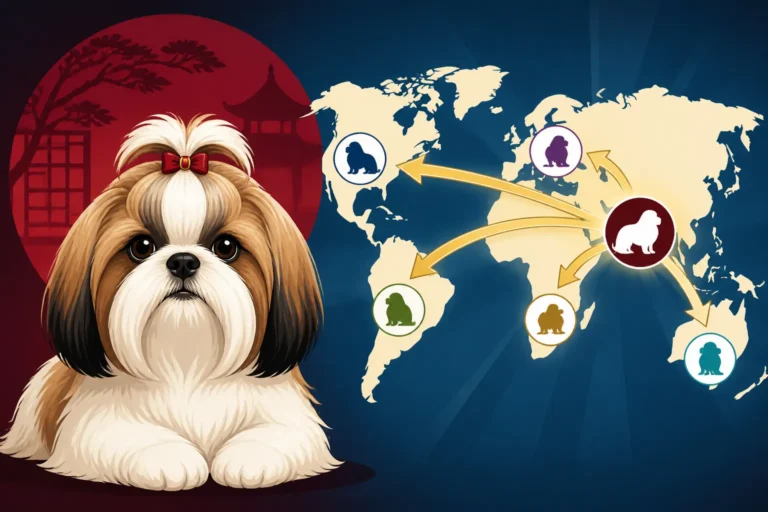
Our journey begins high in the Himalayas, in the ancient monasteries of Tibet. Here, small, lion-like dogs were considered sacred. Monks cherished them, believing they embodied the "little lion" and were companions to the Buddha himself. These dogs, ancestors to our modern Shih Tzus, were not used for herding yak, guarding against wolves, or hunting game. Their purpose was purely spiritual and companionate. They were kept warm within the monastery walls, revered for their charming dispositions and their striking, flowing coats that reminded people of the mythical snow lion. They brought comfort and a sense of divine connection to their human counterparts. This early role established a precedent: these dogs were for devotion and companionship, not for tasks or chores.
The Chinese Imperial Court: Status Symbols and Cuddlers
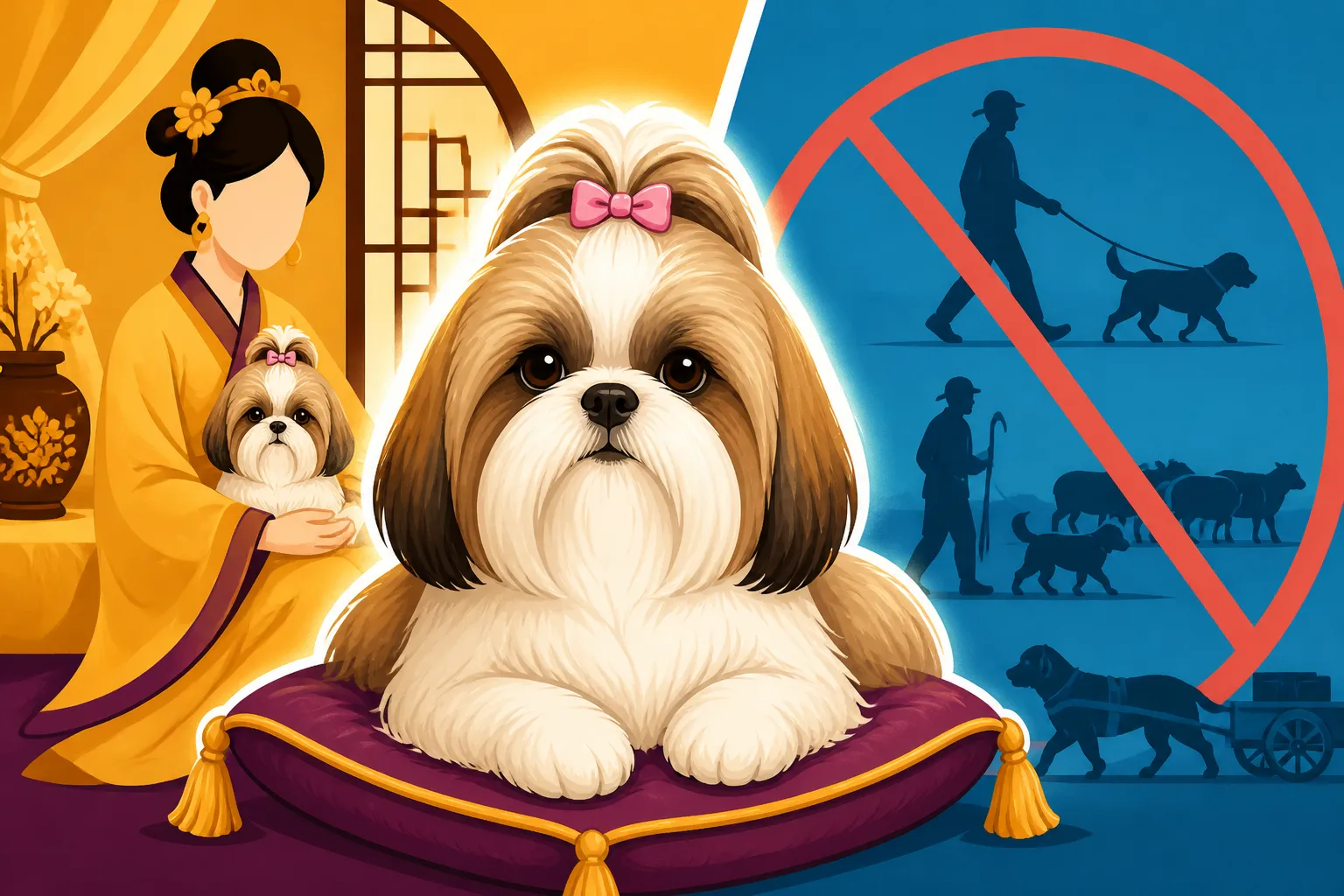
The true flourishing of the Shih Tzu as a non-working breed came when they were gifted to the Chinese imperial court as tribute from Tibet. Imagine these little dogs, with their magnificent coats and captivating expressions, arriving in the opulent palaces of emperors and empresses. They quickly became the ultimate lapdogs, beloved pets of the Chinese royalty. Their sole "job" was to bring joy, warmth, and companionship to their privileged owners.
Life in the Forbidden City for a Shih Tzu was one of immense pampering. They lived in lavish quarters, often cared for by eunuchs dedicated solely to their well-being. They slept on silk cushions, ate the finest foods, and were groomed meticulously to maintain their exquisite coats. The Empress Who Bred Shih Tzus in the Forbidden City highlights the absolute devotion these dogs received. Their value wasn't in any practical skill, but in their ability to charm, amuse, and provide unconditional affection. They were living, breathing works of art, symbolic of wealth, status, and refined taste. This was their golden age of leisure, cementing their identity as a companion animal above all else.
Physical Traits Unsuited for Traditional Work
When we think of working dogs, certain physical characteristics often come to mind: robust builds, strong legs, keen eyesight, and endurance. The Shih Tzu, bless their adorable hearts, embodies none of these traits, and for very good reason – they were never bred to.
The Brachycephalic Face and Breathing Challenges
One of the most defining features of a Shih Tzu is their charming, flat face. While incredibly endearing, this brachycephalic (short-nosed) structure means they often have Brachycephalic Breathing in a Shih Tzu. Their shorter snouts, elongated soft palates, and sometimes stenotic nares (narrow nostrils) mean they aren't built for sustained physical exertion. A dog bred to herd or hunt needs open airways to cool down quickly and maintain stamina. A Shih Tzu, on the other hand, can quickly overheat or struggle for breath with intense activity.
Think about a typical farm dog running for hours in various weather conditions; a Shih Tzu simply couldn't, nor should they ever be asked to. Their delicate respiratory system makes them vulnerable in situations that a working breed would consider standard. This physical reality inherently limits them from any role requiring prolonged physical effort or exposure to extreme weather. You might see a little Shih Tzu panting happily after a short walk, then collapsing onto a plush bed from Chewy for a long nap, and that’s exactly how it should be!
Delicate Frame and Long, Flowing Coat
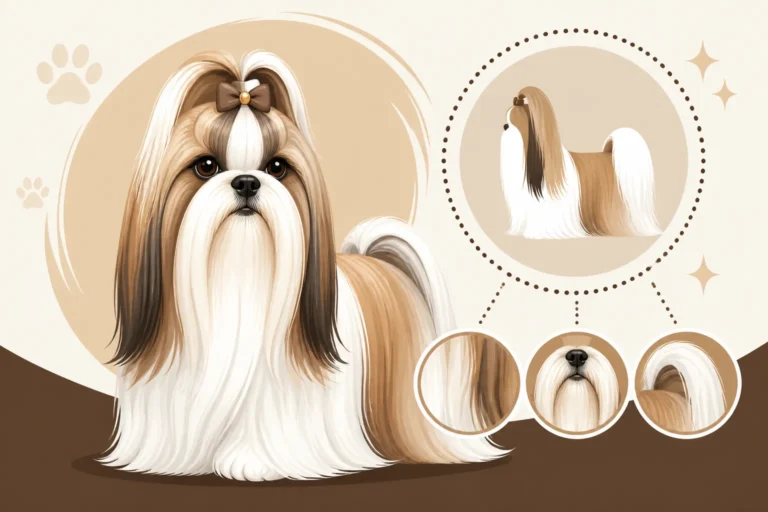
Beyond their breathing, a Shih Tzu's entire physical conformation screams "luxury companion," not "rugged laborer." They are a toy breed, typically weighing between 9 and 16 pounds, and standing only 9 to 10.5 inches at the shoulder. Their small, sturdy yet delicate frame is perfectly suited for laps and soft carpets, but not for rough terrain, heavy lifting, or chasing game. Their long, flowing double coat, while beautiful, is also a magnet for dirt, burrs, and tangles in any outdoor, working environment. Imagine a Shih Tzu with a full, show-length coat trying to navigate a thorny bush or a muddy field – it would be a grooming nightmare and a miserable experience for the dog. Brushing a Shih Tzu Double Coat Every Day is a commitment, and it was originally managed by human attendants, not something the dog could maintain while "working."
Their physical limitations also extend to their eyes. With their prominent, often large eyes, Shih Tzus are more prone to certain eye issues. Shih Tzu Eye Proptosis, the Emergency Owners Miss is a serious concern, and any activity involving rough play or potential impact would put them at undue risk. This again underscores that they were bred for gentle handling and a sheltered existence.
What "Work" Means for a Shih Tzu Today
Given their history and physical traits, it’s clear that traditional working roles were never meant for the Shih Tzu. However, that doesn’t mean they don’t have a profound "purpose" or contribute meaningfully to our lives. Their purpose is simply different, and no less valuable.
The Art of Companionship and Affection
A Shih Tzu’s greatest gift, and indeed their historical purpose, is pure companionship. They excel at being loving, loyal, and devoted members of the family. They are bred to be attentive, to curl up next to you, and to offer comfort and joy. This "work" of brightening human lives is something they perform with unparalleled dedication.
For many people, a Shih Tzu is precisely what they need – a warm, fuzzy presence that offers unconditional love and a calming influence. They are excellent emotional support animals, providing a constant source of affection and easing loneliness. Their cheerful disposition and playful antics can bring laughter and lightness to any home. In a world often filled with stress, the Shih Tzu’s specialty is to reduce it, one snuggle at a time. This is a job they take very seriously, and they are masters of it.
Modern "Activities" and Canine Sports
While a Shih Tzu isn't going to be a sheepdog, that doesn't mean they can't be active and engaged. Many Shih Tzus enjoy participating in various canine sports and activities that suit their size and temperament. Agility, for example, can be adapted for smaller breeds, focusing on lower jumps and shorter courses. Rally obedience or canine freestyle (dog dancing) are also popular choices, where their intelligence and desire to please can shine.
Even seemingly simple acts, like learning new tricks, going on short, leisurely walks, or engaging in indoor puzzle games, constitute their "work" in a modern context. Shih Tzu Exercise for a Low-Energy Toy emphasizes that their physical needs are moderate, perfectly aligned with short bursts of activity and plenty of rest. These activities provide mental stimulation and physical exercise without putting undue strain on their bodies. You can find all sorts of interactive toys and enriching feeders on Chewy to keep their bright minds busy!
Here’s a quick comparison of what defines a traditional "working dog" versus our beloved Shih Tzu:
| Trait / Category | Traditional Working Dog (e.g., Border Collie) | Shih Tzu |
|---|---|---|
| Purpose | Perform specific tasks (herding, guarding, hunting, search & rescue) | Provide companionship, comfort, and joy; historically a lapdog and status symbol |
| Physical Build | Robust, muscular, agile, good stamina | Small, delicate frame, bred for luxury and indoor living |
| Respiratory System | Long snout, open airways for endurance and cooling | Brachycephalic (flat-faced), prone to breathing challenges, easily overheats |
| Coat Maintenance | Often self-sufficient or low-maintenance for field work | High-maintenance double coat requiring daily grooming, often clipped for practicality |
| Temperament | High drive, independent problem-solver, focused on tasks | Affectionate, adaptable, people-oriented, enjoys comfort and attention |
| Environment | Fields, farms, varied outdoor conditions | Palaces, homes, soft furnishings, climate-controlled environments |
| Exercise Needs | High, requires extensive physical and mental stimulation | Moderate, enjoys short walks and indoor play; prone to overheating |
Why This History Matters for Owners
Understanding the Shih Tzu's lack of a traditional working history isn't just a fun fact; it helps us as owners to appreciate them for who they are and to meet their specific needs. It teaches us not to expect them to be something they're not and to avoid putting them in situations that could be detrimental to their health or happiness.
Instead of trying to force a Shih Tzu into roles they were never designed for, we embrace their true nature. We celebrate their gentle spirit, their unwavering affection, and their unique ability to bring peace and laughter into our lives. We recognize that their "work" is to love us completely, and that is a job they perform flawlessly every single day. For more on how their lineage shaped them, check out The Shih Tzu From Tibetan Temples to American Homes. Knowing their origins helps us provide the best care, whether that's in choosing the right diet, selecting grooming tools from Chewy, or simply giving them the cuddles they were truly born for. Shih Tzu Temperament and the Companion It Was Bred to Be really sums up their core essence.
Disclaimer
This article is for general informational purposes only and does not constitute professional advice. Laws, prices and regulations vary by location and change over time. Consult a qualified professional for guidance on your specific situation.