Gold, Black, Liver and Every Shih Tzu Shade
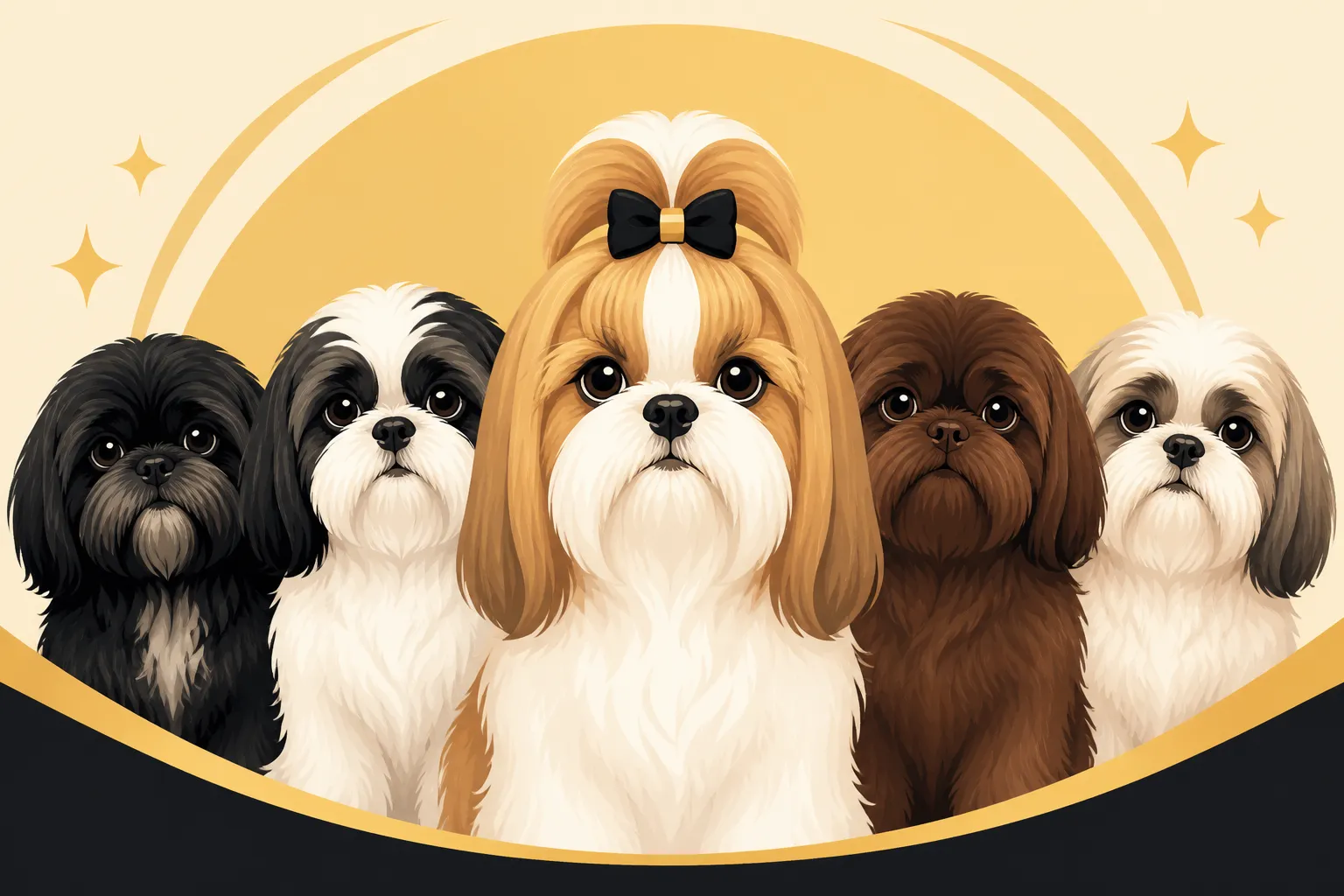
It's incredibly exciting when you're looking at a new Shih Tzu puppy or even just admiring your own beloved companion, and you start to wonder about the stunning array of colors that these little "lion dogs" can sport. From the deepest black to the brightest gold, and everything in between, the variety can be a bit bewildering! This guide will demystify the dazzling world of Shih Tzu coat colors, exploring how they come about, what they look like, and how they might even change as your furry friend grows.
Understanding the Shih Tzu Coat: A Kaleidoscope of Colors
The Shih Tzu breed is renowned for its luxurious, flowing double coat, which isn't just a beauty to behold but also a canvas for an incredible spectrum of colors. Unlike some breeds where color is tightly restricted by the breed standard, the Shih Tzu embraces a vast palette, making each dog truly unique. Owners often share stories of their pups arriving home one shade, only to bloom into something subtly or even dramatically different.
Why Shih Tzus Have So Many Hues
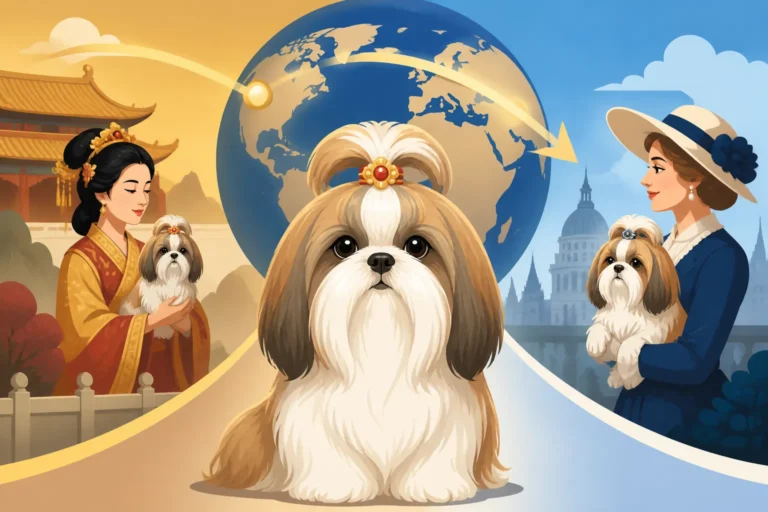
Part of the charm of the Shih Tzu lies in their rich genetic history, which has allowed for a wide expression of coat colors and patterns. Historically bred as companion animals in imperial palaces, there wasn't the same emphasis on strict color conformity that you might find in working breeds. This freedom in breeding lines means that recessive genes for various colors and patterns were passed down, leading to the rainbow of Shih Tzus we see today. You might hear people talk about specific "rare" colors, but in truth, nearly all colors are acceptable in the breed, making the term "rare" more about market appeal than genetic rarity. When you're considering a new puppy, it's a good idea to research The Shih Tzu Coat the Standard Describes to understand the generally accepted traits.
The Double Coat and How it Affects Color Perception
The Shih Tzu's signature feature is its long, flowing double coat. This isn't just one layer of hair; it's a soft, woolly undercoat for warmth and a longer, silker outer coat that provides protection and that characteristic regal look. This double layering can profoundly affect how a Shih Tzu's color appears. For example, a dog with a black outer coat might have a grey or even dark brown undercoat, creating a different depth of color. Furthermore, the texture of the hair itself can influence how light reflects, making the same genetic color appear lighter or darker depending on grooming and cleanliness. Keeping this coat healthy, whether you opt for The Shih Tzu Puppy Cut and Its Upkeep or a full-length show coat, is crucial for maintaining its vibrant appearance. Regularly brushing your Shih Tzu, as described in Brushing a Shih Tzu Double Coat Every Day, also helps to show off its true colors.
The Genetics Behind Shih Tzu Coat Colors
To truly appreciate the variety of Shih Tzu coat colors, it helps to understand a little about the basic genetics at play. It's not just a random roll of the dice; specific genes determine the pigments, patterns, and shades that combine to create each dog's unique look.
Basic Pigments: Black and Liver
At the heart of all dog coat colors are two basic pigments: eumelanin (which creates black) and phaeomelanin (which creates red/yellow). All other colors you see are modifications or dilutions of these two.
- Black (Eumelanin): This is the default dark pigment. A Shih Tzu with strong eumelanin will have a black nose, eye rims, and paw pads. Their coat can be solid black, or black combined with white or other colors.
- Liver (Diluted Eumelanin): A specific gene can dilute eumelanin, turning black pigment into liver (brown). If a Shih Tzu inherits two copies of this recessive gene, all its black areas will turn brown – nose, eye rims, paw pads, and coat. This results in beautiful chocolate or liver-colored dogs, often seen in shades like a rich dark brown or a lighter, warm liver. These dogs, often referred to as Liver and Blue Shih Tzu Coloring, have a distinctive look because of the pigment dilution.
Modifier Genes and Their Magical Effects
Beyond the basic black and red, there's a whole host of "modifier genes" that work together to create the stunning diversity we observe. These genes can dilute, brighten, or create patterns from the base pigments.
- Dilution Genes: Apart from the liver dilution, other genes can further dilute the black pigment into blue or grey. A blue Shih Tzu, for example, is a dilute black, meaning its nose, eye rims, and paw pads will also be blue-grey instead of black. This can be quite striking!
- Red/Yellow Modifiers: Phaeomelanin can be expressed as anything from a deep red to a light cream or gold. Genes determine the intensity of this red/yellow pigment. Some Shih Tzus have rich mahogany reds, while others might be a pale, almost white cream.
- White Spotting Genes: Many Shih Tzus are not solid colors but rather "parti-colored," meaning they have patches of white alongside their colored patches. This is controlled by spotting genes. The size and placement of these white patches are what make a parti-color unique.
Understanding Patterns: Brindle, Parti, and Solid
It's not just the colors themselves, but how they're arranged, that creates the ultimate look.
- Solid: A solid-colored Shih Tzu will have one continuous color throughout its coat, with no white markings. True solids are less common, as many dogs registered as "solid" might have a tiny white patch on the chest or paws that isn't immediately obvious.
- Parti-color: This is perhaps the most common and widely recognized pattern, featuring distinct patches of color on a white background. You'll see dogs that are black and white, gold and white, red and white, or even tri-color (black, white, and gold/tan). For many, the Gold and White Shih Tzus are a classic image of the breed.
- Brindle: Brindle is a fascinating pattern, characterized by stripes or streaks of different colors, often appearing like tiger stripes. A brindle Shih Tzu will typically have a base color (like gold or red) with darker stripes (black or liver) running through it. This pattern can be subtle or very pronounced. Learning about Brindle Shih Tzus and Their Markings can help you spot this unique characteristic.
Exploring Common and Unique Shih Tzu Color Combinations
The sheer variety means that while some combinations are more common, you can truly find a Shih Tzu in almost any imaginable hue.
The Classic Gold, White, and Black Tri-Color
This is often what people picture when they think of a classic Shih Tzu, or at least a very popular combination. A tri-color Shih Tzu typically features patches of gold or red, alongside black markings, all set against a pure white background. The black might appear as a "saddle" on the back, or as distinct patches on the head and ears, framing their sweet faces. The gold/red usually fills in other areas, creating a vibrant contrast. These dogs are incredibly striking and often have a lively, expressive appearance.
Solids: Pure Black, White, and Liver
While parti-colors steal a lot of the spotlight, solid Shih Tzus are equally stunning and sometimes even more rare to find in a truly unblemished state.
- Solid Black: A truly solid black Shih Tzu is a magnificent sight. Their coat is uniformly black from nose to tail, with no white markings whatsoever. Their eye rims, nose, and paw pads will also be jet black. Black and White Shih Tzus are common, but pure black can be quite rare.
- Solid White: Imagine a fluffy cloud of pure white! Solid white Shih Tzus are equally breathtaking. They often have black pigmentation on their nose, eye rims, and paw pads, providing a beautiful contrast to their pristine coat. Sometimes a solid white Shih Tzu might have had very light cream markings as a puppy that faded completely.
- Solid Liver: These dogs showcase the stunning liver pigment in its purest form. Their entire coat, along with their nose, eye rims, and paw pads, will be shades of rich brown, from milk chocolate to deep mahogany. They have a softer, gentler look than their black-pigmented counterparts.
Brindles, Blues, and Beyond the Expected
Beyond the more common combinations, there are some truly captivating variations that showcase the breadth of Shih Tzu genetics.
- Brindle Beauties: As mentioned, brindle Shih Tzus have a striped appearance. The stripes can be very fine and subtle, almost blending into the base color, or they can be bold and distinct. Sometimes, a brindle pattern is only visible on certain parts of the coat, like the ears or legs. A brindle coat can be quite striking, and the way the light catches the different colored hairs can create a shimmering effect.
- Blue Dilutes: Blue Shih Tzus are simply dilute blacks. Instead of black, their coat appears a charcoal grey, and crucially, their nose, eye rims, and paw pads will also be blue-grey. These dogs have a very sophisticated and unique look, and their softer pigment often makes their eyes seem to stand out even more.
- Other Unique Combinations: You might also encounter Shih Tzus in rich reds, creams, silvers, or even a dilute lilac (a dilute liver). Each combination is a testament to the diverse genetic makeup of the breed. It’s not just about the dominant colors, but also the Shih Tzu Markings and the White Blaze that complete their distinctive look. When you're shopping for supplies, remember that colors won't affect practical items, but Chewy offers a vast selection of grooming tools and toys suitable for any Shih Tzu, no matter their shade!
How a Shih Tzu's Coat Color Can Change Over Time
One of the most surprising and charming aspects of Shih Tzu coat colors is how much they can change from puppyhood to adulthood, and even into their senior years. Don't be too attached to a puppy's initial shade!
Puppy Fluff to Adult Coat Transformations
Many new Shih Tzu owners are astonished to find their puppy's coat color shifts dramatically as they mature. That dark, rich brown puppy might lighten to a golden cream, or a predominantly black puppy might develop more white or silver hairs. This is very common and completely normal. The soft "puppy fluff" gives way to the denser, coarser adult double coat, and with this change in texture and hair growth cycle, the underlying pigments can express themselves differently. Often, lighter colors, especially golds and creams, tend to fade or lighten, while darker pigments might develop silvering.
Fading, Sun Bleaching, and Aging
Even after reaching their adult coat, a Shih Tzu's color isn't set in stone.
- Sun Bleaching: Just like human hair, a Shih Tzu's coat can lighten and fade with exposure to the sun. Dogs who spend a lot of time outdoors, especially those with darker coats, might develop reddish or lighter streaks where the sun hits them most.
- Grooming and Products: Certain shampoos or conditioners can temporarily alter the appearance of a coat's color, especially those designed to brighten whites or intensify specific shades. Make sure you're using products that are appropriate for your Shih Tzu’s coat, and if you’re concerned about dullness, look into Shih Tzu Shampoo and Conditioner Costs and talk to your groomer.
- Aging: As Shih Tzus get older, it's very common for their coats to lighten and develop more white or grey hairs, especially around the muzzle, eyes, and paws. This is a natural part of the aging process, much like humans getting grey hair. What once was a vibrant black might soften to a salt-and-pepper look, adding to their distinguished charm. This natural progression means Whether a Shih Tzu Coat Color Changes With Age is almost always a 'yes'.
The White Blaze and Tail Tip as Identifying Marks
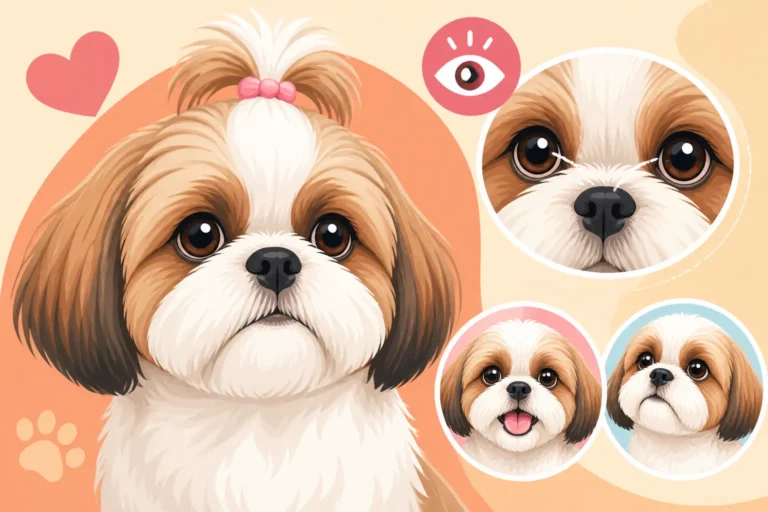
Regardless of the base color or patterns, certain markings are classic Shih Tzu characteristics. One of the most beloved is the "white blaze," a stripe of white hair that runs up the forehead between the eyes. This is a highly sought-after marking in the show ring, but it's also just a beautiful identifier for many pet Shih Tzus. Another common and endearing marking is a white tip on the tail, sometimes referred to as a "plume." These distinct white markings often remain consistent even if other parts of the coat change color, serving as lovely distinguishing features throughout your Shih Tzu's life. While these traits don't affect Whether Coat Color Belongs in a Shih Tzu Price, they certainly add to a dog's individual beauty.
When you bring a Shih Tzu into your life, you’re not just getting a dog; you’re welcoming a tiny, colorful personality. Embrace the journey of their evolving coat, from their first fluffy puppy hues to the distinguished shades of their senior years. Each color tells a unique story, making your Shih Tzu truly one of a kind.
Disclaimer
This article is for general informational purposes only and does not constitute professional advice. Laws, prices and regulations vary by location and change over time. Consult a qualified professional for guidance on your specific situation.