Brindle Shih Tzus and Their Markings
Have you ever spotted a Shih Tzu with those incredible stripes, almost like a tiny tiger, and wondered what exactly you were looking at? It's a truly captivating coat pattern, often turning heads and sparking conversations, but many owners aren't quite sure what makes their furry friend's coat so unique. This guide is all about shedding light on the fascinating world of brindle Shih Tzus and their distinctive markings, helping you understand their patterns, genetics, and how to keep those stripes looking their best.
Understanding the Brindle Pattern in Shih Tzus
The brindle pattern is one of those genetic wonders that creates such a striking visual, and on a Shih Tzu, it's particularly charming. It's not a color in itself, but rather a pattern of stripes that overlays an existing base color. Think of it like someone took a paintbrush and swirled darker streaks over a lighter canvas.
What Exactly is a Brindle Coat?
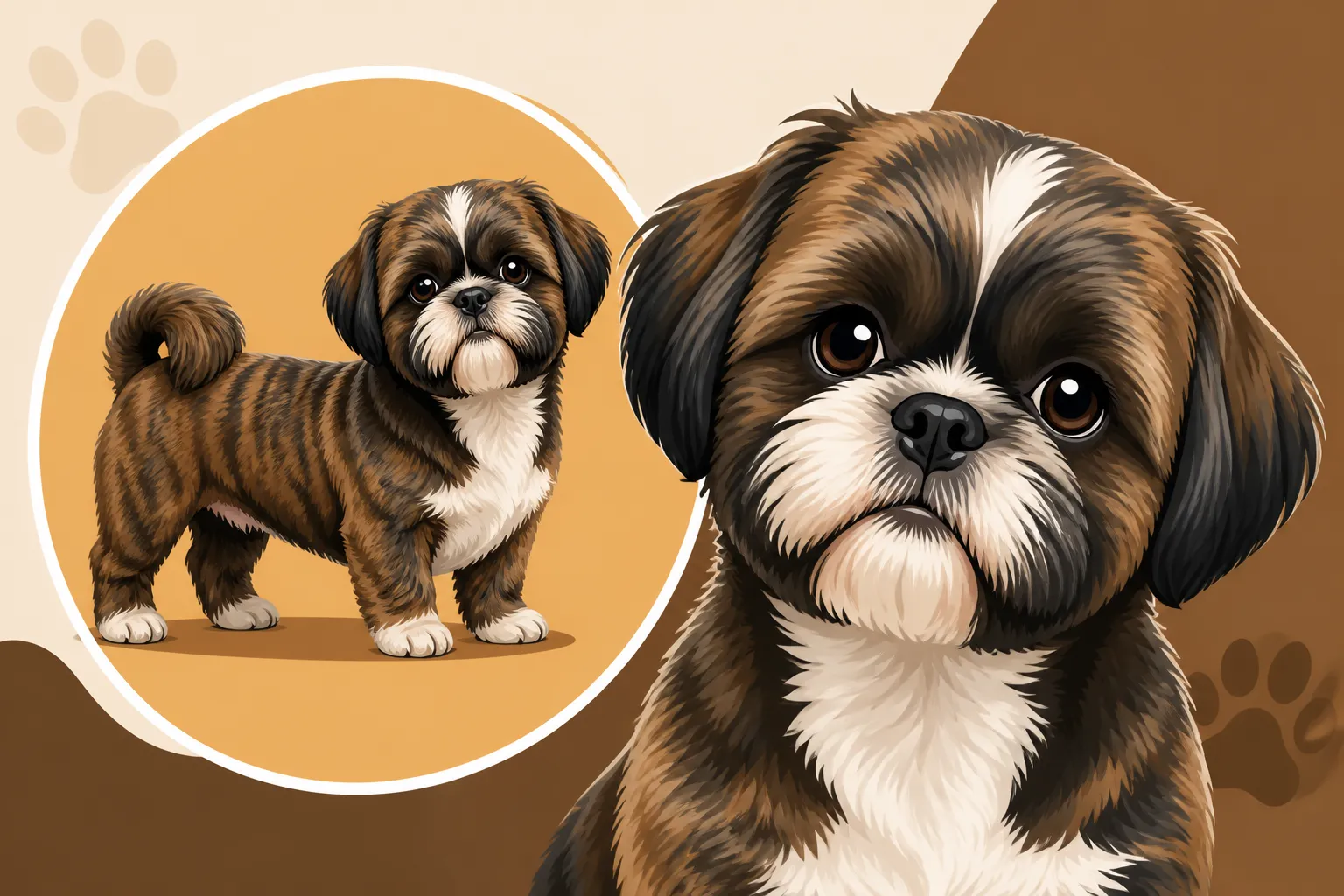
When we talk about a brindle coat, we're describing a specific arrangement of stripes – usually dark stripes over a lighter background. These stripes can vary wildly in their intensity, width, and how closely packed they are. You might see a Shih Tzu with very subtle, almost ghost-like streaks that are only visible in certain light, or another with bold, prominent bands of color that stand out dramatically. The term "brindle" itself conjures images of big, powerful dogs like Greyhounds or Boxers, but it's just as enchanting, if not more so, on the fluffy, companionable Shih Tzu. It's a pattern that adds a whole layer of depth and visual interest to their already luxurious double coat. The Shih Tzu Coat the Standard Describes is all about what makes their fur so special.
How Brindle Manifests on a Shih Tzu's Unique Coat
On a Shih Tzu, the brindle pattern takes on a special charm due to their flowing, often long hair. Unlike short-coated breeds where the stripes are sharp and clearly defined against the skin, a Shih Tzu's brindle can look softer, almost blended, especially when the coat is grown long. The stripes might appear more distinct on shorter areas, like their face or paws, but as the hair grows out, the darker and lighter strands can intertwine, creating a mesmerizing, undulating effect. It truly makes each brindle Shih Tzu a unique work of art. Imagine brushing through that silky fur – each stroke reveals a subtle shift in the striped pattern, a testament to the intricate genetics at play. It's truly a delight to behold and one of the many reasons their coats are so admired.
Exploring the Spectrum of Brindle Markings
Brindle isn't a one-size-fits-all pattern. It comes in a beautiful array of variations, often combining with other base colors to create an even more diverse and stunning appearance. This range is what makes spotting a brindle Shih Tzu such a treat – you never quite know what delightful combination you'll encounter.
Light Brindle to Dark Brindle Variations
The intensity of the brindle pattern is perhaps its most noticeable variable. Some Shih Tzus will display what's often called "light brindle" or "fawn brindle," where the base color is a pale cream or gold, and the stripes are a slightly darker fawn or light brown. These can be very subtle, almost like shadows woven into their fur, and might even be hard to discern unless you're looking closely or the light hits them just right. On the other end of the spectrum, you have "dark brindle" or "reverse brindle," which is a bit of a misnomer but refers to dogs where the dark stripes are so broad and numerous that the lighter base color only shows through in thin streaks. In these cases, the overall impression is a much darker dog with hints of lighter color. The dark stripes themselves are typically black or very dark brown, overlaying a richer gold or red base. Each variation has its own beauty, and sometimes a puppy's brindle pattern can even deepen or soften as they mature and their adult coat comes in. Whether a Shih Tzu Coat Color Changes With Age often surprises new owners!
Brindle Combined with Other Shih Tzu Colors
What makes brindle truly exciting in Shih Tzus is how it interacts with the breed's wide spectrum of base colors. While technically brindle is a pattern overlaying a color, for ease of discussion, we often describe the combination.
Here are some of the most common and beautiful combinations you'll encounter:
- Gold Brindle: This is a classic and very popular combination. A golden or fawn base color with darker, typically black or dark brown, stripes. The contrast can be quite striking, especially when the dog is clean and well-groomed.
- Red Brindle: Similar to gold brindle, but with a richer, more vibrant red base color, and darker stripes that can range from deep brown to black. This can create a fiery, energetic look.
- Black Brindle: This one can be a bit tricky because "black brindle" often refers to a very dark brindle where the dark stripes dominate so heavily that the lighter under-pattern is only minimally visible. It's essentially a very dark base with even darker stripes, making the dog appear almost solid black until you see the subtle variations up close.
- Blue Brindle: Blue in Shih Tzus is a dilute form of black, giving a beautiful charcoal or slate grey tone. When combined with brindle, you'll see lighter cream or fawn stripes overlaid with these dilute blue (grey) stripes. It's a softer, more ethereal look.
- Liver Brindle: Liver is a dilute form of chocolate, resulting in a rich brown color, often paired with amber eyes. Liver brindle Shih Tzus will have a lighter cream or fawn base with brown stripes. It's a warm, earthy combination.
- Brindle and White: Many Shih Tzus are parti-colored, meaning they have patches of white alongside another color. A brindle and white Shih Tzu will have areas of white fur, and then patches where the brindle pattern is present. For example, a dog might have a white chest and paws, and then a brindle saddle or brindle markings on their head and ears. This combination is particularly charming, as the white acts as a clean canvas highlighting the intricate brindle patterns elsewhere. Gold, Black, Liver and Every Shih Tzu Shade delves into the full palette available.
Each of these combinations creates a unique personality in the coat, making brindle Shih Tzus truly special.
The Genetic Blueprint Behind Brindle
Understanding a little about the genetics behind brindle can be really fascinating. It's not just random chance that gives a Shih Tzu its stripes; it's all coded in their DNA. While we don't need to get into a full biology lesson, grasping the basics helps appreciate this beautiful trait.
Simplified Genetics of the Brindle Gene
The brindle pattern in dogs is controlled by a specific gene on what's called the K-locus. There are three alleles (variations) on this locus: K, Kbr, and ky.
- K (Dominant Black): This allele generally prevents any yellow or red pigment from showing, resulting in a solid black dog (or blue/liver if other genes are at play). No brindle here.
- Kbr (Brindle): This is the magic allele for brindle. When a dog has at least one Kbr allele (and doesn't have a dominant K hiding it), the brindle pattern can be expressed.
- ky (Non-black/Yellow): This allele allows yellow or red pigment to be fully expressed, meaning the dog will be fawn, yellow, or red, and can show black points if they also have the E-locus genes for black pigment.
So, for a Shih Tzu to be brindle, they typically need to inherit at least one Kbr allele from their parents. The pattern then overlays whatever base color would normally be expressed (like fawn, gold, or red). It's a pretty neat trick of nature! If you're interested in knowing more about your dog's specific genetic makeup, there are even DNA tests available today. The DNA Panel Worth Running on a Shih Tzu can offer deep insights into many genetic traits.
Why Some Litters Have Brindle Puppies and Others Don't
The appearance of brindle puppies in a litter is all down to the genetic lottery dealt by the parents.
If both parent Shih Tzus carry the Kbr gene, even if they aren't outwardly brindle themselves (perhaps one carries a dominant K gene that masks it, or they are just carrying the ky allele alongside a hidden Kbr), they have the potential to produce brindle offspring.
Here's a simplified way to think about it:
- Two Brindle Parents: If both parents are brindle (Kbr/ky or Kbr/Kbr), they are very likely to produce brindle puppies, possibly even all brindle puppies, depending on their full genetic makeup.
- One Brindle Parent, One Non-Brindle Carrier: If one parent is brindle and the other is not but carries the Kbr gene, there's a good chance some puppies will be brindle.
- Neither Parent Brindle, Both Carriers: It's possible for two non-brindle Shih Tzus to produce brindle puppies if both of them secretly carry the Kbr gene, which might be masked by another dominant gene they possess.
- No Kbr Gene Present: If neither parent carries the Kbr gene, you simply won't see brindle puppies in that litter, no matter how much you wish for those stripes!
It's a testament to the beautiful complexity of canine genetics and why even experienced breeders can sometimes be surprised by the coat patterns that emerge.
Caring for a Brindle Shih Tzu's Coat
Regardless of the color or pattern, a Shih Tzu's coat demands attention. For brindle Shih Tzus, proper care not only keeps them comfortable and healthy but also ensures their unique markings can be fully appreciated. Their beautiful double coat, while stunning, is a magnet for tangles and mats if not managed diligently.
Grooming a Brindle Coat and Maintaining Pattern Clarity
Grooming is paramount for any Shih Tzu, and a brindle one is no exception. In fact, a matted or dirty coat can obscure those lovely stripes, making them appear dull or even invisible. Regular brushing is key – and by regular, I mean daily. Their double coat, with its soft undercoat and longer topcoat, is notorious for matting, especially behind the ears, under the legs, and where a harness rubs. Brushing a Shih Tzu Double Coat Every Day is non-negotiable for a healthy coat.
When brushing, use a slicker brush to get through the outer layer and reach the undercoat, followed by a metal comb to check for tangles. For a full-coated brindle Shih Tzu, you might even find that certain detangling sprays or conditioning mists from brands like Chewy can help separate the strands, making those stripes pop.
Professional grooming every 4-6 weeks is highly recommended. A skilled groomer can give your brindle Shih Tzu a bath, thoroughly dry them (which is crucial to prevent matting), and trim their coat to a length that highlights their brindle pattern. If you opt for a shorter "puppy cut," which many owners do for ease of maintenance, the brindle pattern will likely appear much sharper and more defined. However, even with a shorter cut, regular brushing at home is still important to keep the coat healthy and prevent new mats from forming. Grooming a Shih Tzu Every Four to Six Weeks is a vital part of their care schedule.
Here's a quick guide to grooming considerations for brindle coats:
| Grooming Aspect | Recommendation for Brindle Shih Tzus | Benefit for Brindle Pattern |
|---|---|---|
| Daily Brushing | Use a slicker brush and metal comb, working in sections. | Prevents mats that hide stripes, keeps coat clean and vibrant. |
| Regular Baths | Every 2-3 weeks with appropriate shampoo/conditioner. | Cleans coat, enhances contrast of stripes, reduces dullness. |
| Professional Trims | Every 4-6 weeks, discuss desired length with groomer. | Defines pattern, prevents excessive matting, shapes the coat. |
| Detangling Spray | Use on dry or damp coat to ease brushing, especially during shedding. | Helps separate hair strands, making brindle more visible and less "blended." |
| Face Trims | Keep hair around eyes and mouth neat to prevent staining and reveal facial brindle. | Highlights any brindle markings on the face and prevents eye irritation. |
Remember, a clean, well-maintained coat is the best way to showcase your brindle Shih Tzu's stunning markings.
How Coat Length Affects the Look of Brindle
The length of your Shih Tzu's coat dramatically influences how their brindle pattern appears. It’s one of the most interesting aspects of having a patterned dog with such long, flowing hair!
-
Full Coat (Show Length): When a Shih Tzu's coat is grown long, as often seen in show dogs, the brindle pattern tends to soften and blend. The individual stripes might not be as sharply defined because the longer strands of darker and lighter hair intertwine, creating a more diffused, almost ethereal effect. From a distance, the brindle might look like a rich, mottled color rather than distinct stripes. Up close, however, the intricate weaving of colors is truly beautiful. Maintaining a full coat requires immense dedication to daily brushing to prevent mats, which can completely hide the pattern. What the Undercoat Does on a Shih Tzu is important to understand when dealing with a full coat.
-
Puppy Cut (Shorter Lengths): This is by far the most popular choice for pet Shih Tzus, and for good reason – it’s easier to manage, cooler for the dog, and often makes the brindle pattern much more apparent. When the coat is clipped shorter, the contrast between the dark stripes and the lighter background becomes sharper and more defined. The stripes will appear bolder and more distinct, like brushstrokes on a canvas. Many owners find that a shorter cut truly brings out the unique beauty of their brindle Shih Tzu's markings. Plus, less coat means less daily brushing, though it’s still necessary! Choosing Between a Full Coat and a Puppy Cut can help you decide which look is best for your furry friend and your lifestyle.
It's amazing how a simple trim can transform the visual impact of their brindle. Whether you prefer the soft, blended look of a long coat or the sharp, defined stripes of a shorter cut, your brindle Shih Tzu is sure to be a beautiful and unique companion. Just be mindful that a very short shave in cold weather might mean your Shih Tzu needs a little sweater, as How a Clipped Shih Tzu Handles Cold can be a concern. You can find plenty of adorable and practical options for these on Chewy if you decide a shorter cut is for you.
Disclaimer
This article is for general informational purposes only and does not constitute professional advice. Laws, prices and regulations vary by location and change over time. Consult a qualified professional for guidance on your specific situation.