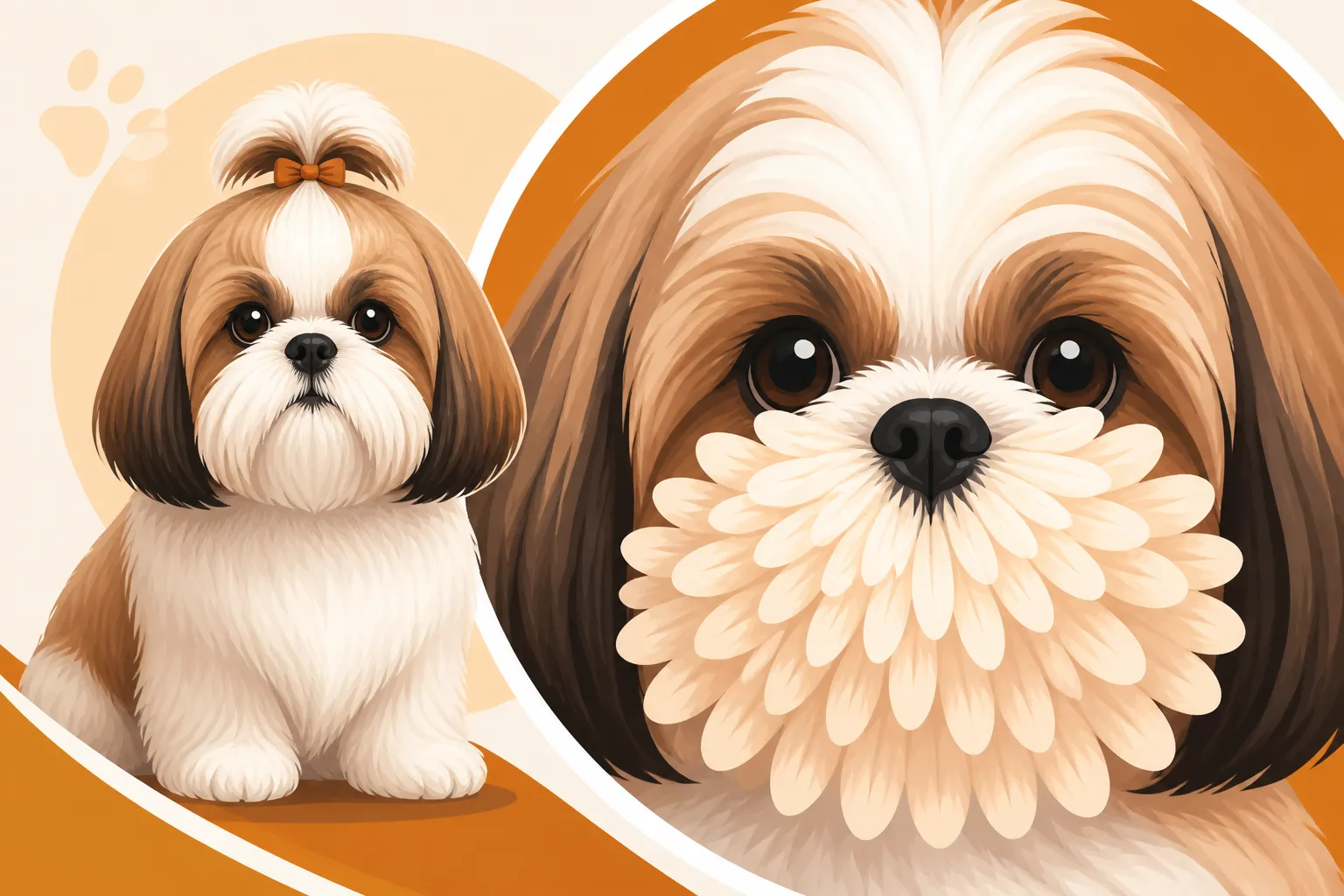
The Shih Tzu Head and Chrysanthemum Face
One of the most defining characteristics of our beloved Shih Tzus is their utterly charming, distinctive head. However, what makes them so undeniably cute can also present unique challenges that new and even experienced owners might not fully grasp. This guide dives deep into the specific anatomy of the Shih Tzu's head, explaining the "chrysanthemum face" and its implications for their health, care, and daily well-being, helping you understand how to best support your flat-faced friend.
Understanding the Shih Tzu Head: A Foundation
When you first lay eyes on a Shih Tzu, their unique head shape is probably what captures your heart. It’s round, broad, and features a short muzzle that contributes to their endearing, almost human-like expression. But this adorable appearance is also a marker of their brachycephalic nature, a term that describes dogs with shortened heads. Understanding this fundamental aspect of their anatomy is the first step in providing them with the best care. It's not just about looks; it profoundly impacts their breathing, eye health, and overall comfort.
The Brachycephalic Reality of the Shih Tzu Skull
The term "brachycephalic" refers to breeds with flattened faces, shortened skulls, and compressed respiratory systems. Think of breeds like Pugs, Bulldogs, and our dear Shih Tzus. While undeniably cute, this genetic trait means their internal structures, particularly in the snout and throat, are also compressed. Their soft palate can be elongated, their nostrils (nares) can be stenotic (narrow), and their trachea can be smaller in diameter than in longer-nosed breeds. These are not minor cosmetic differences; they are anatomical realities that owners must be aware of. Many of these issues contribute to the characteristic "snoring" and snorting sounds we often associate with the breed.
This compressed structure means that a Shih Tzu's respiratory system isn't as efficient at cooling itself down as a dog with a longer muzzle. The nose plays a vital role in filtering and humidifying air, and in evaporating moisture to cool the blood flowing to the brain. With a shortened nasal passage, this process is less effective, making them much more susceptible to overheating. It's a critical factor to remember during warm weather or exercise. You can learn more about how their unique breathing works in Brachycephalic Breathing in a Shih Tzu.
Why Head Structure Matters for Overall Health
The unique head structure of the Shih Tzu isn't just about breathing difficulties. It has a cascading effect on several other aspects of their health. Their prominent eyes, for example, are a direct result of their shallow eye sockets, which offer less protection than in other breeds. Their crowded mouths, a consequence of having a full set of teeth in a much smaller jaw, lead to prevalent dental issues. Even the way their ears are set, coupled with their dense coat, can make them prone to certain infections.
Understanding these interconnected issues helps owners be proactive rather than reactive. Knowing that their eyes are vulnerable means extra care with grooming and play. Realizing their respiratory system is compromised means avoiding strenuous exercise in heat. Being aware of potential dental problems means prioritizing daily oral hygiene from puppyhood. This knowledge empowers you to spot potential issues early and work with your vet to manage them, ensuring a healthier and happier life for your furry companion.
The Signature "Chrysanthemum Face" Explained
The endearing term "chrysanthemum face" is lovingly used to describe the Shih Tzu's unique facial arrangement, particularly the way their hair grows. It evokes the image of the beautiful, multi-layered petals of a chrysanthemum flower, perfectly capturing the radial growth of hair around their face. This isn't just a cute nickname; it’s a standard of the breed and a key part of their historical charm.
The Origin of the Name and Its Visual Interpretation
The "chrysanthemum face" description originates from the way the hair on a Shih Tzu's face grows outwards from a central point on the nose, creating a delightful, round effect. Imagine a chrysanthemum blooming, with its dense petals radiating from the center – that's the visual inspiration. This pattern of hair growth is cherished in the breed standard and contributes significantly to their gentle, friendly expression. It requires meticulous grooming to maintain, as without proper care, this beautiful "flower" can quickly become a matted mess, obscuring their eyes and causing discomfort.
Historically, the Shih Tzu was bred to resemble a lion, and the flowing mane-like hair around their face further enhanced this royal, dignified appearance. The luxurious facial hair, when properly brushed and kept, forms a soft, framing circle around their eyes, enhancing their large, soulful gaze. It’s a look that melts hearts and immediately identifies them as a Shih Tzu.
The Ideal Facial Expression: Warmth and Alertness
Beyond the structural elements, the "chrysanthemum face" contributes to the Shih Tzu's characteristic expression. The ideal look is one of warmth, friendliness, and alertness. Their large, dark, round eyes, peeking out from beneath a carefully managed fringe, convey intelligence and a deep connection. They shouldn't appear anxious or aggressive, but rather confident and engaging. The overall impression should be one of a loyal, affectionate companion ready to shower you with love.
A well-groomed face is crucial for maintaining this ideal expression. If the hair is allowed to grow unchecked or becomes matted, it can pull on their sensitive skin, cause irritation, and even obscure their vision, leading to a much less happy and comfortable demeanor. Regular face wiping and topknot management are essential, not just for aesthetics, but for their comfort and ability to fully engage with the world around them.
Key Features of the Shih Tzu Skull and Muzzle
Delving deeper into the physical architecture of the Shih Tzu's head reveals a series of distinct features, each playing a role in their appearance and health. From the broad expanse of their skull to the specific formation of their muzzle and the distinct "stop," these elements are foundational to understanding the breed.
The Broad, Round Skull and Its Characteristics
The Shih Tzu's skull is notably broad and round, particularly between the eyes. This characteristic roundness contributes to their adorable, puppy-like appearance throughout their lives. Unlike many breeds with elongated skulls, the Shih Tzu’s head gives them a rather distinctive "flat-faced" profile when viewed from the side. This broadness provides ample space for their widely set eyes, which are another hallmark of the breed's beauty.
However, this broad, round skull is also part of the brachycephalic structure that influences their breathing. The internal nasal passages are relatively short, which means less surface area for filtering and cooling air before it reaches their lungs. It's a trade-off for that undeniably charming face, and something responsible owners take into consideration, especially regarding exercise and climate control.
The Short, Wide Muzzle and Nostril Structure
Perhaps the most immediately noticeable feature of the Shih Tzu's face is its short, wide, square muzzle. It's not long and pointed like a retriever's, but rather compressed, sitting low and flat. The length from the tip of the nose to the stop (the indentation between the eyes) is typically very short, often no more than an inch. This contributes to the overall "flatness" of their face and their gentle underbite. The muzzle should be well-cushioned and covered in ample hair, further enhancing the chrysanthemum effect.
Accompanying this short muzzle are their nostrils, or nares. In many Shih Tzus, these can be quite narrow, a condition known as stenotic nares. This narrowing further restricts the flow of air into their respiratory system, exacerbating any breathing difficulties. You might notice a Shih Tzu with stenotic nares making a snorting sound, especially during excitement or exercise, as they work harder to draw breath. While not all Shih Tzus suffer from severe stenotic nares, it's a common trait associated with their brachycephalic structure and something to be mindful of.
The Stop: Where Beauty Meets Brachycephaly
The "stop" in a dog's head refers to the indentation or angle between the forehead and the muzzle. In the Shih Tzu, this stop is very pronounced, sharply defined, and sits high up on the head. This deep indentation is a crucial element of their breed standard, contributing to the distinct, almost human-like expression that many owners adore. It's the point where their broad forehead transitions abruptly into their short muzzle.
This pronounced stop, combined with their short muzzle, creates the unique facial structure that is both beautiful and functional (or, in some cases, slightly dysfunctional, due to the brachycephalic challenges it presents). It helps frame their large eyes and defines the "flatness" of their face. When assessing a Shih Tzu's head, the depth and placement of the stop are key indicators of good breed type.
The Eyes: Prominence, Protection, and Common Concerns
The eyes of a Shih Tzu are often described as large, dark, round, and soulful, full of expression and warmth. They are one of their most captivating features, contributing immensely to their charming face. However, this prominence also makes them particularly vulnerable to a range of issues.
The Large, Round, and Widely Set Eyes
Shih Tzu eyes are typically large, round, and set wide apart on the face. They should be dark in color, giving an alert and intelligent expression. Their gaze is often direct and engaging, which is part of their appeal as companion dogs. The placement of their eyes, however, is a direct consequence of their brachycephalic skull structure. They sit in relatively shallow eye sockets, which means they are less recessed and more exposed than the eyes of dogs with longer muzzles.
This exposure means their eyes are more susceptible to injury from everyday bumps, scratches, or even rough play. Owners must be vigilant about protecting their Shih Tzu's eyes, especially from protruding objects or enthusiastic interactions with other pets. The very feature that makes them so adorable also demands extra care and attention.
Hair Management for Eye Health
The abundant, flowing hair of the Shih Tzu is beautiful, but if not properly managed, it can pose a significant threat to their delicate eyes. Hair constantly falling into the eyes can cause chronic irritation, leading to redness, discharge, and even corneal ulcers. This is why the traditional Shih Tzu topknot is not just a fashion statement; it's a crucial part of their health and hygiene routine. Tying the hair up and away from their face is paramount to keeping their vision clear and their eyes healthy.
Many owners opt for a "puppy cut" or a shorter trim around the face to minimize this risk, especially if they struggle with daily grooming. Even with a short cut, regular trimming of the hair around the eyes is necessary. Remember, preventing eye irritation is a daily commitment. You can find more specific guidance on this in The Shih Tzu Topknot and Keeping Hair Out of the Eyes. For immediate care, gentle eye wipes, which you can often find at retailers like Chewy, can help keep the area clean and free of irritants between grooms.
Common Eye Conditions Linked to Head Structure
Due to their prominent eyes and shallow sockets, Shih Tzus are predisposed to several eye conditions. Shih Tzu Eye Proptosis, the Emergency Owners Miss is one of the most serious, where the eyeball actually pops out of its socket due to trauma or even excessive neck restraint. This is a terrifying emergency that requires immediate veterinary attention. Their exposed eyes also make them prone to Shih Tzu Corneal Ulcers and Dry Eye, which can be incredibly painful and, if left untreated, lead to vision loss.
Other common issues include distichiasis (extra eyelashes growing inward), entropion (eyelids rolling inward), and pigmentary keratitis (pigmentation spreading across the cornea, often due to chronic irritation). Regular veterinary check-ups are vital for early detection and treatment of these conditions. Your vet may recommend special eye drops, ointments, or even surgical correction in some cases. Staying proactive about eye care is one of the most important aspects of owning a Shih Tzu.
Ear Set and How It Affects Grooming and Health
Another distinctive feature of the Shih Tzu head, inextricably linked to its overall charm and care requirements, is their ears. Long, pendulous, and heavily feathered, they frame the face beautifully but also present their own set of challenges.
The Long, Pendulous Ears and Their Plume
Shih Tzu ears are set rather low on the head, typically below the level of the crown, and hang down close to their cheeks. They are quite long and are covered in profuse, luxuriant hair, often referred to as "feathering" or a "plume." When a Shih Tzu is alert, their ears might lift slightly, but they generally remain dropped. This combination of position and heavy coat contributes to their soft, fluffy appearance and enhances the chrysanthemum effect around their face.
The hair on their ears is part of their double coat, meaning it's thick and requires just as much, if not more, attention than the rest of their body coat. This dense ear feathering merges seamlessly with the hair on their cheeks and neck, creating a continuous flow of softness around their head. It's a beautiful feature, but one that demands consistent care.
Keeping Those Ears Healthy Under the Coat
The long, heavy ear leathers and the thick hair that covers them create a warm, moist, and dark environment within the ear canal. This is the perfect breeding ground for bacteria and yeast, making Shih Tzus particularly susceptible to ear infections. Many owners unfortunately overlook daily ear care until a problem arises, but prevention is truly key here.
Regular cleaning of the external ear canal, gentle plucking of excess hair from inside the ear canal (if recommended by your vet or groomer), and ensuring the ears are thoroughly dried after baths are critical steps. During brushing, gently lift the ear leather and comb out any tangles or mats forming behind and inside the ear flap. These hidden mats can pull on the skin, causing pain and further predisposing them to infection. You can learn more about managing this common issue in Shih Tzu Ear Infections Under Heavy Ear Leather. Regular checks during grooming sessions allow you to spot any redness, odor, or discharge early, before it becomes a full-blown infection requiring veterinary intervention.
The Shih Tzu Bite: Undershot Jaw and Dental Realities
The Shih Tzu's unique facial structure extends to their mouth, specifically their jaw and the way their teeth align. This is another area where their distinctive breed characteristics intersect with potential health considerations.
The Characteristic Undershot Bite
A hallmark of the Shih Tzu breed is their undershot bite. This means that when their mouth is closed, the lower jaw extends slightly beyond the upper jaw, causing the lower incisors (front teeth) to sit in front of the upper incisors. It's often referred to as a "reverse scissor bite" or simply an "undershot jaw." This distinct bite is part of the breed standard and contributes to their gentle, somewhat "smushed" facial expression. You might even see a few lower teeth peeking out when their mouth is closed, which is perfectly normal for the breed.
This structural characteristic is an integral part of their heritage and what makes a Shih Tzu recognizable. However, while it's a desirable trait for appearance, it does come with practical implications for their oral health.
The Impact of a Crowded Mouth on Dental Health
The undershot bite and the overall shortened muzzle mean that a Shih Tzu's mouth is often incredibly crowded. They have the same number of teeth as most other dogs (42 adult teeth), but these teeth are packed into a much smaller jaw space. This crowding leads to several dental challenges. Teeth often sit too close together, rotate, or overlap, creating nooks and crannies where food particles and plaque can easily accumulate. This makes them highly susceptible to periodontal disease from a young age.
It's not uncommon for Shih Tzus to develop significant tartar buildup and gum disease as early as three or four years old. Without diligent home care, this can quickly progress to gingivitis, tooth decay, and even tooth loss, causing pain and potentially leading to more serious systemic health issues. This is why Daily Toothbrushing in a Crowded Shih Tzu Jaw is not just recommended, but essential for this breed. Regular professional dental cleanings under anesthesia, often needed more frequently than for other breeds, are also a critical part of their preventative healthcare. Talk to your vet about a proactive dental plan, as the costs associated with Shih Tzu dental care can add up significantly over their lifetime. You'll find dental hygiene products, like small dog toothbrushes and enzymatic toothpastes, available at pet supply stores such as Chewy.
Grooming the Shih Tzu Face: Practical Tips for Owners
Maintaining the iconic "chrysanthemum face" isn't just about aesthetics; it's a vital part of ensuring your Shih Tzu's comfort and health. Their unique facial structure, combined with their abundant coat, demands a dedicated and consistent grooming routine.
Daily Face Wiping and Tear Stain Management
One of the most common concerns for Shih Tzu owners is tear staining. Those adorable large eyes are prone to watering, and the combination of moisture and pigment in their tears can lead to reddish-brown stains on the light-colored fur around their eyes and muzzle. This isn't just an aesthetic issue; chronic dampness can lead to skin irritation and bacterial or yeast infections.
To combat this, daily face wiping is non-negotiable. Use a soft, damp cloth or a specialized tear stain wipe to gently clean the area around their eyes, nose, and mouth at least once, preferably twice, a day. Pay close attention to the folds around their nose if your Shih Tzu has them. Be gentle but thorough. Consistency is key here; you won't see results overnight, but over time, daily cleaning will significantly reduce staining and prevent irritation. Many excellent tear stain products are available, and you can often find a good selection on Chewy.
Trimming and Tying the Topknot for Clear Vision
The Shih Tzu's long fringe, if left untended, will fall directly into their eyes, causing constant irritation, impairing vision, and potentially leading to corneal damage. This is why a topknot or regular face trims are essential. A topknot involves gathering the hair on top of the head and tying it up with a small, soft elastic band, keeping it away from the eyes. This isn't just for show dogs; it's a functional grooming technique that improves their quality of life.
If you opt for a topknot, ensure the elastic isn't too tight, which can cause discomfort or hair breakage. Change the topknot daily to prevent mats from forming at the base of the band. For those who prefer a lower-maintenance approach, regular trims around the eyes can keep the hair short enough not to interfere with vision. A groomer can do this during regular appointments, or you can carefully trim it yourself with blunt-nosed scissors, always pointing away from the eyes. Trimming Face Hair Away From Shih Tzu Eyes provides a great step-by-step guide.
Gentle Brushing and Combing Around the Face
The luxurious hair on a Shih Tzu's face, ears, and beard can quickly become matted if not brushed regularly. These mats are painful, pulling on their sensitive skin, and can hide underlying skin infections. Daily gentle brushing and combing around the face, especially after meals and baths, is crucial. Use a small slicker brush and a metal comb specifically designed for delicate facial hair.
When brushing their face, support their head gently and work in small sections. Pay extra attention to the hair around their mouth, which can get wet and sticky from food and water, and the hair behind and under their ears, where mats love to form. Use a detangling spray if you encounter any tangles, never pulling directly on the hair. Make this a positive experience with praise and small treats, so your Shih Tzu learns to tolerate and even enjoy their grooming sessions. Starting this routine early in puppyhood will make it much easier as they grow.
| Feature | Description | Health/Care Implication |
|---|---|---|
| Skull | Broad, round, brachycephalic | Compressed airways, heat intolerance. |
| Muzzle | Short, wide, square | Stenotic nares, breathing difficulties. |
| Stop | Deep, pronounced indentation | Defines flat face, contributes to eye prominence. |
| Eyes | Large, round, widely set, prominent | Susceptible to injury, proptosis, corneal ulcers, irritation from hair. |
| Ears | Long, pendulous, heavily feathered | Prone to ear infections due to warmth/moisture, mats easily. |
| Bite | Undershot jaw | Crowded teeth, high risk of periodontal disease. |
| Facial Hair | Grows outward from nose ("chrysanthemum") | Needs daily grooming, topknot or trims to prevent eye irritation, tear staining. |
Disclaimer
This article is for general informational purposes only and does not constitute professional advice. Laws, prices and regulations vary by location and change over time. Consult a qualified professional for guidance on your specific situation.