Whether a Runt Shih Tzu Is Sold as Imperial
It's incredibly frustrating when you're trying to find a Shih Tzu puppy and you encounter all sorts of confusing terms like "Imperial Shih Tzu," especially when you're just looking for a healthy companion. Many prospective owners worry they might accidentally adopt a puppy with hidden health issues, or that they're being misled about what they're truly getting. This guide aims to clear up the mystery around the "Imperial" label and clarify whether a small or runt Shih Tzu is genuinely part of a special, desirable category or if it's a marketing tactic that could lead to unforeseen problems down the line.
Understanding the "Imperial" Shih Tzu Label
The term "Imperial Shih Tzu" is one that causes a lot of confusion and, frankly, can be a red flag for many experienced owners and ethical breeders. It sounds grand, regal, and perhaps implies a superior lineage or a more petite, delicate version of the beloved Shih Tzu. However, the reality behind this label is far less glamorous and often more concerning.
What "Imperial" Really Means (and Doesn't)
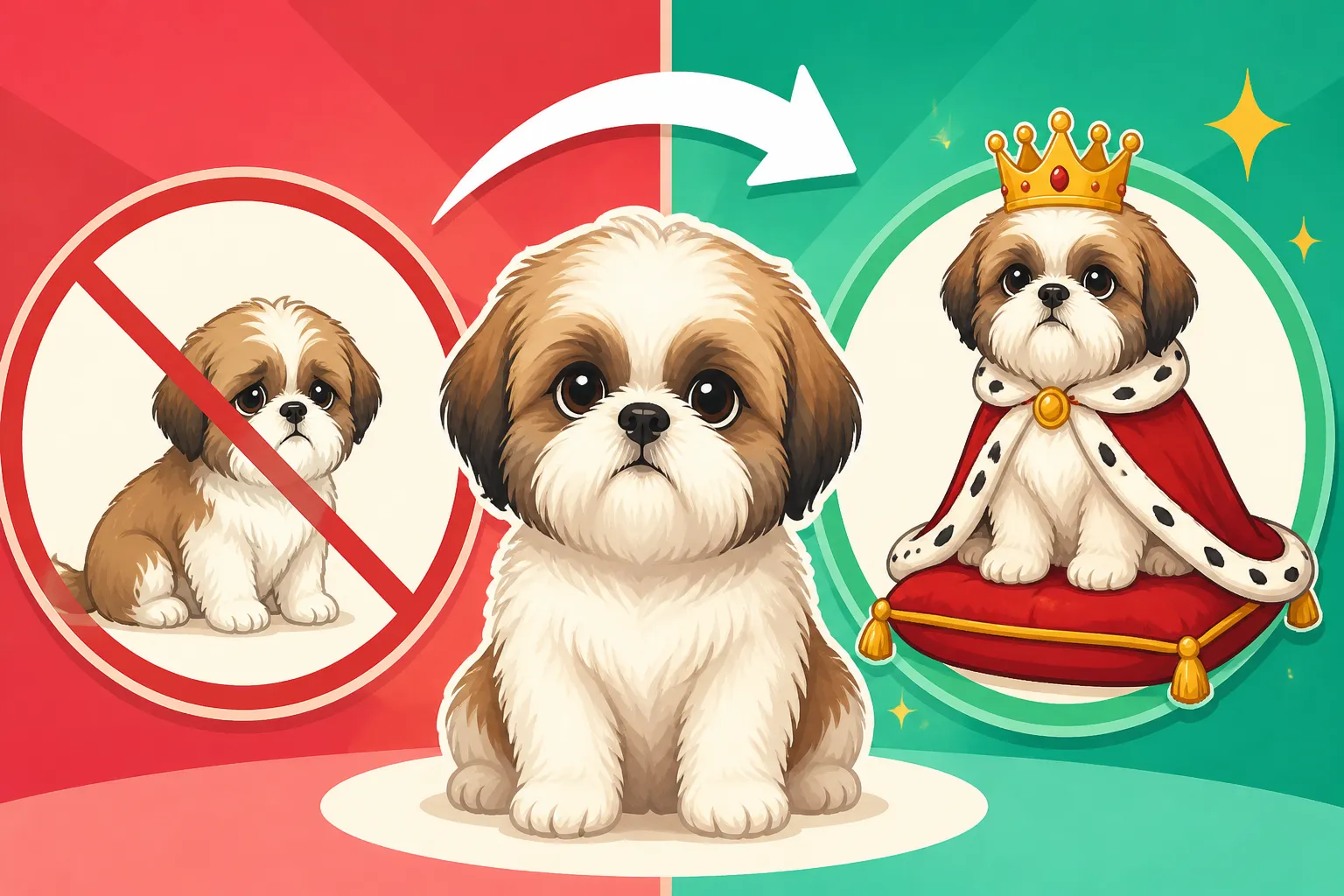
Let's get one thing straight right away: "Imperial Shih Tzu" is not a recognized breed standard by any major kennel club in the world. This includes the American Kennel Club (AKC), The Kennel Club (UK), or any other reputable organization that governs purebred dogs. When you see a breeder using this term, they are using it as a marketing descriptor, not as an official classification. It's akin to calling a car "deluxe" – it might sound nice, but it doesn't change the car's official model or specifications.
The term "Imperial" often implies a Shih Tzu that is significantly smaller than the established breed standard. Breeders might use it to suggest a more "exclusive" or "rare" size, sometimes even commanding a higher price for these tiny pups. This can be incredibly misleading for buyers who aren't familiar with the nuances of dog breeding and breed standards. The truth is, there's no unique genetic line or historical precedent that makes an "Imperial" Shih Tzu a distinct type of dog. It's a creation of language, designed to appeal to those who seek a particularly miniature companion.
The Standard Shih Tzu Size
To understand why the "Imperial" label is problematic, it's crucial to know what a standard Shih Tzu actually is. According to the American Kennel Club, a Shih Tzu should ideally weigh between 9 to 16 pounds and stand between 9 to 10.5 inches at the shoulder. This size range isn't arbitrary; it's the result of centuries of selective breeding aimed at producing a healthy, sturdy companion dog. The Shih Tzu Standard and What Judges Look For delves into these specifics.
This standard size ensures that the dog has sufficient bone structure, organ capacity, and overall robustness to live a healthy life. Deviations too far below this standard, especially when extreme, can compromise these vital aspects. A dog bred to be within the standard weight and height range is generally more resilient and less prone to certain health issues that plague overly small dogs. It's about finding that sweet spot where their charming personality and appearance are paired with a strong, healthy body.
The Desire for Smaller Shih Tzus
It's easy to understand why the idea of an even tinier Shih Tzu appeals to many. In our modern world, smaller dogs are often perceived as easier to manage, more portable, and can fit comfortably into apartments or smaller homes. The trend of "teacup" or "mini" versions of various breeds has unfortunately grown, fueled by social media and celebrity culture. A Shih Tzu, already a toy breed, becomes even more endearing to some when shrunk down further.
This desire, while innocent in its intent from the buyer's perspective, creates a market for breeders who are willing to produce these extremely small dogs, sometimes at the expense of health. The demand for the "Imperial" or "teacup" Shih Tzu has led some to selectively breed the smallest individuals from litters, or even to breed runts, without proper consideration for the health implications. The focus shifts from producing a sound, healthy representation of the breed to meeting a market demand for extreme miniaturization, often with heartbreaking consequences for the dogs and their unsuspecting owners.
The Reality of Runt Shih Tzus
When we talk about exceptionally small Shih Tzus, the term "runt" often comes into play. But what does it truly mean for a puppy to be a runt, and how does that differentiate from a standard-sized Shih Tzu that is simply on the smaller side of the breed standard? Understanding this distinction is vital for anyone considering bringing a tiny Shih Tzu into their home.
What Exactly is a Runt?
A "runt" is typically the smallest, weakest, and least developed puppy in a litter. While it's common to have a range of sizes in any given litter, a true runt stands out significantly. There are various reasons why a puppy might be a runt. Sometimes, it's due to placental insufficiency, meaning the puppy didn't get adequate nourishment during gestation. Other times, once born, a runt might struggle to compete with its stronger littermates for nursing positions, leading to slower growth and development.
Runts often face an uphill battle from day one. They can be more susceptible to illness, have difficulty maintaining their body temperature, and struggle with proper weight gain. While some runts grow up to be perfectly healthy, albeit smaller, adults, others carry health complications throughout their lives directly related to their disadvantaged start. It's a challenging situation, and reputable breeders often provide extra care and attention to runts to give them the best possible chance.
Runt vs. Purposefully Bred Small
Here's where the ethical line can get blurred, especially when considering the "Imperial" label. There's a big difference between a naturally occurring runt in an otherwise healthy litter and a puppy that is purposefully bred to be abnormally small. Ethical breeders aim for puppies that meet the breed standard, with a focus on health, temperament, and conformation. If a smaller puppy comes along, they ensure it receives appropriate care and is only placed in a home that understands any potential challenges.
Irresponsible breeders, however, might deliberately breed the smallest dogs together, generation after generation, to achieve tinier sizes. They might even market a true runt as an "Imperial" Shih Tzu, knowing that the "tiny" appeal fetches a higher price. This is a dangerous practice because it prioritizes extreme size over genetic health. These puppies are not just "petite"; they are often genetically predisposed to a host of health problems due to poor breeding practices and the inherent challenges of being undersized. The goal for these breeders isn't to uphold the breed standard or ensure health, but to capitalize on a market trend. Teacup Shih Tzus and Why Breeders Sell Them touches upon these critical distinctions.
Health Risks Associated with Undersized Shih Tzus
The health risks for undersized Shih Tzus, whether true runts or those bred for extreme smallness, are significant and widespread. Their tiny bodies often come with a multitude of vulnerabilities:
- Hypoglycemia: This is a dangerously low blood sugar level, common in tiny puppies, especially if they don't eat frequently enough. Their small bodies have less fat and muscle reserves to draw upon, making them prone to sudden drops in blood sugar, which can be fatal.
- Fragile Bones: Smaller bones are often more delicate, making them prone to fractures from even minor falls or jumps. This is particularly concerning for a breed known for Shih Tzu Back Problems and Disc Disease, where even standard-sized dogs can be vulnerable.
- Organ Issues: Underdeveloped or proportionally smaller internal organs can lead to problems with the heart, kidneys, and liver. For instance, Renal Dysplasia and the Shih Tzu Kidney is a genetic condition that can be exacerbated in smaller, less robust individuals.
- Difficulty Regulating Body Temperature: Tiny puppies struggle to maintain their body heat, making them susceptible to chilling, especially in cooler environments.
- Increased Anesthesia Risk: Their small size, combined with the brachycephalic (flat-faced) characteristics of the Shih Tzu, makes them much higher risk for anesthesia during routine procedures like spaying/neutering or dental work. Anesthesia on a Flat-Faced Shih Tzu discusses this in detail.
- Dental Problems: Even standard Shih Tzus have crowded mouths; an undersized Shih Tzu often has even more severe Shih Tzu Tooth Crowding in a Tiny Jaw, leading to early dental disease.
- Eye Issues: With their already prominent eyes, an overall smaller, more delicate skull can make them more prone to issues like Shih Tzu Eye Proptosis, the Emergency Owners Miss or Shih Tzu Corneal Ulcers From a Shallow Socket.
These aren't just minor inconveniences; these are serious, potentially life-threatening conditions that can lead to significant vet bills and heartbreak for owners. It's why responsible breeding emphasizes a healthy size within the established standard. Providing adequate nutrition for such delicate pups is crucial, and owners often find specialized small breed puppy food from places like Chewy helpful.
| Characteristic | Standard Shih Tzu | "Imperial" / Undersized Shih Tzu |
|---|---|---|
| Weight (Adult) | 9-16 pounds (AKC standard) | Often 4-8 pounds, sometimes less |
| Height (Adult) | 9-10.5 inches at shoulder (AKC standard) | Significantly shorter than standard |
| Breed Recognition | Recognized by AKC, FCI, etc. | Not a recognized official breed designation |
| Health Profile | Generally robust if well-bred; breed-specific health concerns still apply | High risk for numerous health issues due to extreme size and potential poor breeding |
| Temperament | Sturdy, outgoing, companionable | Can be more delicate, prone to anxiety, easily overwhelmed due to fragility |
| Life Expectancy | Average 10-16 years with good care | Potentially shorter lifespan due to increased health problems |
| Breeding Ethics | Focus on health, temperament, conformity to standard | Often driven by market demand for small size; can involve breeding compromised individuals |
The Connection Between Runts and "Imperial" Marketing
The term "Imperial Shih Tzu" is a clever marketing tool, but it's one that often capitalizes on misinformation and, in some cases, the vulnerability of puppies. Understanding this connection is paramount for anyone looking to add a Shih Tzu to their family.
How Runts Are Marketed as "Imperial"
Unscrupulous breeders and puppy mills frequently use the "Imperial" label to market puppies that are simply runts or significantly undersized compared to the breed standard. They understand that the allure of an exceptionally tiny, "rare" dog can lead to higher sale prices, even if that dog comes with a higher risk of health problems. A puppy that might struggle to thrive and would normally be priced lower due to its fragile nature is rebranded with a fancy, misleading title.
Think about it: if a breeder has a litter where one puppy is noticeably smaller and weaker, calling it an "Imperial" Shih Tzu suddenly elevates its perceived value. It shifts the narrative from a potential health concern to an exclusive feature. Buyers, often unaware of official breed standards, can easily fall for this. They might not realize that the "Imperial" designation isn't a sign of quality or unique lineage, but rather a warning sign that the breeder is either misinformed or intentionally exploiting a puppy's small stature for profit. Be wary of any advertisement that emphasizes extreme smallness over health and temperament.
Ethical Breeding Practices for Shih Tzus
Responsible, ethical Shih Tzu breeders operate with a very different mindset. Their primary goal is to produce healthy, well-socialized puppies that conform to the established breed standard in terms of size, appearance, and temperament. They prioritize genetic health and will conduct health screenings on their breeding dogs for common Shih Tzu ailments like hip dysplasia, patellar luxation, and eye conditions. Health Testing a Shih Tzu Breeder Should Do is a great resource for understanding what tests to ask for.
These breeders would never intentionally breed for undersized dogs, nor would they use misleading terms like "Imperial." If a small puppy is naturally born into a litter, they will be transparent about its size and any potential considerations. They will educate prospective buyers about the importance of the breed standard for overall health and validate your concerns. When you're looking for a Shih Tzu, seek out breeders who are knowledgeable, open about their practices, and focus on the well-being of their dogs first and foremost. They're usually happy to show you Health Papers a Shih Tzu Breeder Should Show for their breeding stock.
Protecting Yourself as a Buyer
When you're searching for a Shih Tzu, protecting yourself from misleading practices is crucial. Here are some steps you can take:
- Research the Breed Standard: Understand what a healthy, standard-sized Shih Tzu should look like and weigh. This knowledge is your best defense against deceptive marketing.
- Be Skeptical of "Imperial" or "Teacup" Labels: If a breeder uses these terms, ask detailed questions. Challenge their use of the word and press for specifics about the puppy's lineage and health. A truly reputable breeder won't need to resort to such labels.
- Visit the Breeder and See the Parents: Whenever possible, visit the breeder's home or facility. Observe the conditions, interact with the mother (and father, if available), and see how the puppies are raised. This gives you insight into the breeder's commitment to their dogs' welfare.
- Ask for Health Clearances: Request to see health certifications for the parent dogs, especially for common Shih Tzu health issues like eye conditions (CERF), patellar luxation (OFA), and hip evaluations. A breeder who has invested in these tests is demonstrating a commitment to health.
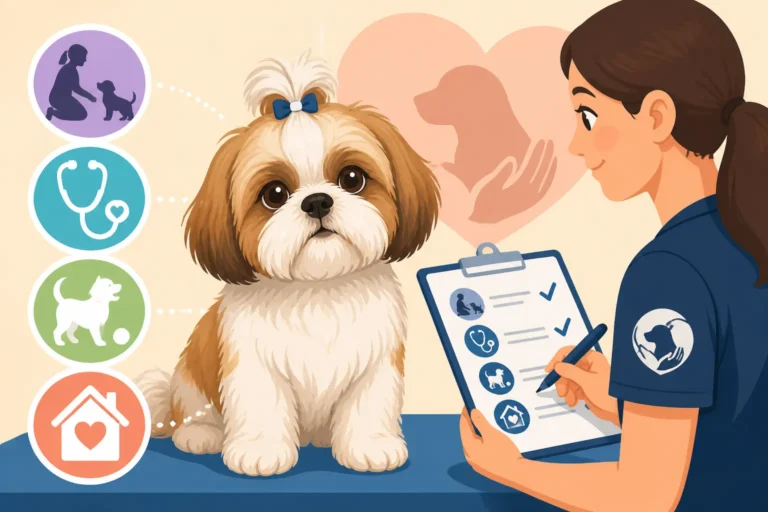
- Consult a Veterinarian: Before finalizing your purchase, consider having your chosen puppy examined by your own veterinarian. They can provide an objective assessment of the puppy's health and alert you to any immediate concerns, especially if you're looking at a particularly small pup.
- Beware of Puppy Mills and Brokers: These operations often prioritize profit over animal welfare and are more likely to use misleading terms and have unhealthy puppies. Be cautious of online listings that offer many different breeds or don't allow you to visit the premises.
Ultimately, the best way to ensure you're getting a healthy Shih Tzu is to work with a responsible breeder who prioritizes the health and well-being of their animals above all else. Don't let a fancy name distract you from the true meaning of a healthy, happy companion.
Disclaimer
This article is for general informational purposes only and does not constitute professional advice. Laws, prices and regulations vary by location and change over time. Consult a qualified professional for guidance on your specific situation.