Why the Shih Tzu Is Called the Chrysanthemum Dog
Many new Shih Tzu owners, and even seasoned ones, often hear their beloved companion referred to as the "Chrysanthemum Dog" and wonder where this charming, slightly unusual nickname comes from. It's not just a cute moniker; it’s a beautiful description deeply rooted in the breed's history and its very distinctive appearance, reflecting how their unique facial features literally blossom like the petals of a flower. This guide will delve into the origins of this endearing name, exploring the visual characteristics that inspired it, its cultural significance, and what it means for daily care.
The Visual Metaphor: Unpacking the "Chrysanthemum" Face
The "Chrysanthemum Dog" isn't just a poetic fancy; it's a remarkably accurate visual description. If you look closely at a well-groomed Shih Tzu, especially one with a full, flowing coat around its face, you'll see exactly how the comparison to this beloved flower comes to life. It's all about the way their hair grows and frames their delicate features.
The Flowing Hair Around the Face
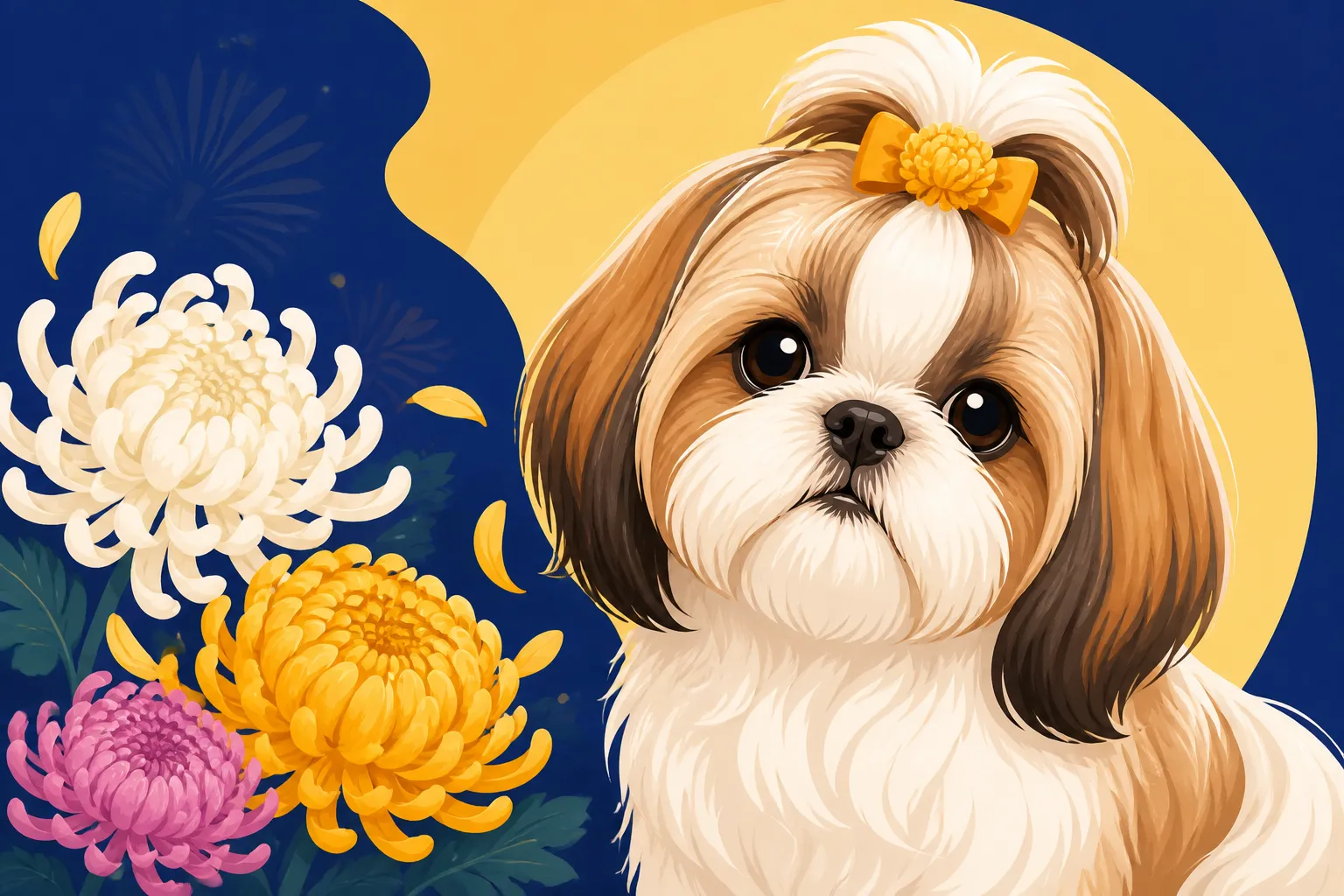
Imagine a chrysanthemum in full bloom: its petals radiate outward from a central core, creating a lush, dense, and beautifully symmetrical display. Now, picture your Shih Tzu's face. Their long, silken hair doesn't just hang straight down; it grows from a central point on the bridge of their nose and spreads out in all directions, creating a distinct, circular pattern. This outward growth, particularly noticeable when the hair is properly brushed and maintained, perfectly mirrors the intricate layering of chrysanthemum petals.
This unique growth pattern is part of the breed's charm and part of what makes their grooming so distinctive. Owners often choose to tie the hair on top of the head into a "topknot" to keep it out of the eyes, but the underlying growth pattern, especially around the muzzle and cheeks, still creates that distinct floral effect. This luxurious facial hair isn't merely decorative; it's a defining characteristic that sets the Shih Tzu apart, making them instantly recognizable and contributing heavily to their "chrysanthemum" identity. It’s a testament to the meticulous breeding over centuries that such a specific aesthetic was not only achieved but became synonymous with the breed itself.
The Round, Expressive Eyes
Central to the "chrysanthemum" face are the Shih Tzu's large, dark, and wonderfully expressive eyes. These aren't just any eyes; they are often described as being liquid, warm, and full of personality. Nestled within that abundant, radiating facial hair, they become the focal point, much like the dark, rich center of a chrysanthemum flower. When you look at a Shih Tzu, those eyes seem to peek out from a veil of silken strands, drawing you in.
The breed standard emphasizes these eyes—they should be large, round, not bulging, and set well apart. This wide-set placement, combined with the short muzzle, contributes to the overall roundness of the face, further enhancing the floral metaphor. The contrast between the dark, glistening eyes and the often lighter, softer surrounding hair makes them truly stand out, like dark jewels in a bed of petals. It’s this combination of striking eyes framed by a luxurious mane that truly solidifies their nickname. Owners often find themselves getting lost in those soulful eyes, which always seem to be conveying a myriad of emotions from joyful anticipation to calm contentment. Unfortunately, this very trait can lead to issues, and many owners have to deal with Shih Tzu Corneal Ulcers and Dry Eye due to improper care around this area.
The Short Muzzle and Undershot Bite
Another key feature contributing to the "chrysanthemum" look is the Shih Tzu's characteristic brachycephalic (flat-faced) structure. They possess a short, broad muzzle that, rather than protruding, remains relatively flat. This, combined with their characteristic undershot bite (where the lower jaw extends slightly beyond the upper jaw), gives their face a compact, rounded appearance. This structure is essential to the flower-like aesthetic.
If a Shih Tzu had a longer muzzle, the "petals" of hair wouldn't radiate uniformly from a central point. The short muzzle creates that perfect, button-like center, allowing the surrounding hair to flare out in an even, circular fashion. It’s a delicate balance of bone structure and coat genetics that brings the whole look together. While adorable, this flat-faced structure, often referred to as Brachycephalic Breathing in a Shih Tzu, does come with its own set of health considerations that responsible owners must be aware of and manage throughout their dog's life. The short muzzle also impacts how they eat and drink, sometimes requiring specific bowl designs to keep their beard dry and clean.
Historical Roots and Cultural Significance
The Shih Tzu's journey from the ancient palaces of Tibet and Imperial China to our modern homes is rich with history, and the "Chrysanthemum Dog" nickname is deeply intertwined with this regal past. This isn't a modern invention; it's a term that reflects centuries of appreciation for their unique aesthetic.
Imperial China's Appreciation for the Aesthetic
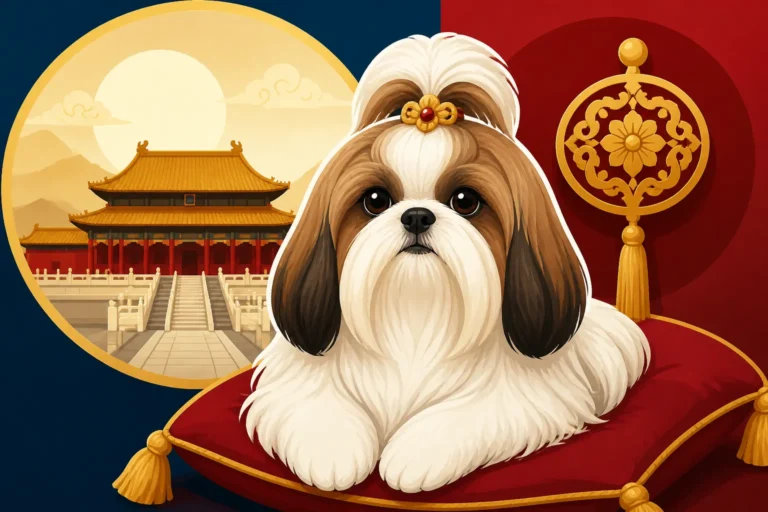
To truly understand why the Shih Tzu was dubbed the "Chrysanthemum Dog," we need to look back at the breed's venerated status in Imperial China. These dogs were not mere pets; they were cherished companions of emperors and royalty, symbols of wealth, prestige, and good fortune. In Chinese culture, the chrysanthemum holds immense significance. It is one of the "Four Gentlemen" (alongside the plum blossom, orchid, and bamboo), symbolizing nobility, elegance, resilience, and longevity, particularly associated with autumn and scholarly pursuit. It was a highly valued flower, celebrated in art, poetry, and gardens.
It makes perfect sense, then, that a dog so revered and carefully bred within the imperial court would be compared to such a culturally significant flower. The court breeders, under the watchful eye of the emperors and later, the Dowager Empress Cixi, painstakingly cultivated specific traits to enhance their beauty. The luxurious, flowing double coat, the distinctive facial hair pattern, and the compact, round face were all intentionally developed. The breeders aimed for an aesthetic that evoked beauty, harmony, and perhaps even good fortune, much like the chrysanthemum itself. The name "Chrysanthemum Dog" was not just a description but an honor, elevating the Shih Tzu's status even further within the imperial household. This deep cultural connection explains why The Shih Tzu From Tibetan Temples to American Homes holds such a storied place in history.
The Empress Cixi's Influence
Perhaps no individual had a greater impact on the Shih Tzu's development and its "chrysanthemum" appearance than the formidable Dowager Empress Cixi, who ruled China from 1861 to 1908. A passionate dog lover, Empress Cixi kept a vast kennel of Pekingese, Pugs, and most notably, Shih Tzus, within the Forbidden City. She took a personal interest in their breeding, establishing strict guidelines and even writing detailed breeding manuals.
Empress Cixi was fascinated by aesthetics and sought to perfect the breed's appearance, focusing on traits that would enhance their luxurious and exotic look. She favored dogs with abundant, flowing coats, round heads, and short muzzles. Her breeding programs specifically aimed to produce Shih Tzus whose facial hair radiated outward like a chrysanthemum, believing these dogs to be sacred and bringers of good luck. She even appointed eunuchs to serve as "Chief Dog Raisers," ensuring the imperial dogs received the utmost care, diet, and grooming. Her dedication solidified the specific physical characteristics that we associate with the Shih Tzu today, and thus, cemented the "Chrysanthemum Dog" nickname. The history of The Empress Who Bred Shih Tzus in the Forbidden City is truly fascinating and integral to the breed's identity.
Living with the Chrysanthemum Look: Grooming and Care Implications
While the "Chrysanthemum Dog" nickname evokes images of beauty and delicate charm, it also carries very real implications for day-to-day care. That stunning coat and unique facial structure require dedicated attention to keep your Shih Tzu healthy and looking its best.
Maintaining the Iconic Facial Hair
The very feature that earns the Shih Tzu its floral nickname—that abundant, radiating facial hair—is also one of its biggest grooming challenges. This hair, if left untended, can quickly become matted, dirty, and irritating to the dog's eyes and skin. Daily brushing is not just recommended; it's essential. You need to carefully comb and brush the hair around their face, making sure to detangle any knots and remove food debris or tear stains.
Without this meticulous care, mats can form tight to the skin, pulling and causing discomfort. These mats can trap moisture, leading to skin irritation and infections. Many owners find a fine-toothed comb and a soft slicker brush to be invaluable tools for tackling this area. Products like tear stain removers and gentle eye wipes are also staples in a Shih Tzu owner's grooming kit. You can find excellent grooming supplies and eye wipes on sites like Chewy, making it easier to stock up on these daily necessities. Remember, that beautiful chrysanthemum face is a labor of love, requiring consistent effort to maintain its beauty and ensure your dog's comfort. This daily routine is key to preventing discomfort and maintaining their signature look. Brushing a Shih Tzu Double Coat Every Day is more than just aesthetics; it's a health imperative.
Protecting Those Precious Eyes
The Shih Tzu's large, round eyes, nestled within all that facial hair, are particularly vulnerable. The long strands can easily poke or irritate the cornea, leading to conditions like corneal ulcers or chronic irritation. This is a common concern for Shih Tzu owners, who often find themselves meticulously trimming or tying up the hair around the eyes to prevent problems.
A common solution is the "topknot," where the hair on the forehead is gathered and tied up with a small band or bow, effectively pulling it away from the eyes. For dogs not sporting a topknot, regular trimming of the fringe is crucial. Beyond irritation, the copious facial hair can also trap moisture and debris, contributing to tear staining and potential bacterial or yeast infections around the eyes. Regular cleaning with specialized eye wipes (many readily available at retailers like Chewy) is paramount to prevent these issues. Protecting those precious, expressive eyes is a primary concern for any Shih Tzu owner, especially given the breed's predisposition to certain eye conditions. It's a delicate balance between maintaining their iconic look and ensuring their health and comfort. Without proper care, you might face significant vet bills, as detailed in Shih Tzu Eye Proptosis, the Emergency Owners Miss.
The Practicality of a Puppy Cut
While the full, flowing "chrysanthemum" coat is undeniably beautiful and aligns with the breed standard, many Shih Tzu owners ultimately opt for a shorter, more practical style known as the "puppy cut." This involves clipping the body and facial hair to a uniform, shorter length, which significantly reduces the grooming demands.
The puppy cut still allows for some of that outward-flowing effect around the face, but without the extreme length that requires daily, intensive brushing. It helps prevent matting, keeps the face cleaner, and makes it easier for the dog to see and eat without hair getting in the way. While it might slightly diminish the dramatic "chrysanthemum" look, it often increases the dog's comfort and the owner's convenience. Many professional groomers, whom you might find recommendations for on local community groups or online directories, specialize in Shih Tzu puppy cuts that still honor the breed's aesthetic while offering practicality. Even with a puppy cut, however, regular face trims and eye cleaning (with products available from Chewy, for instance) are still necessary to ensure hygiene and eye health. Choosing Between a Full Coat and a Puppy Cut is a common decision owners face, balancing tradition with practical living.
The Chrysanthemum Dog: A Snapshot
To help visualize the connection between the flower and the dog, here's a brief comparison of their defining characteristics.
| Feature | Chrysanthemum Flower | Shih Tzu (Chrysanthemum Dog) |
|---|---|---|
| Overall Shape | Round, full, dense, with radiating petals. | Round, compact head with hair radiating outwards. |
| "Petals"/Hair | Numerous, layered petals, growing outwards. | Long, flowing facial hair growing from a central point. |
| Center/Focal Point | Often a distinct, sometimes darker, center. | Dark, expressive eyes and a short, dark nose. |
| Density | Rich, abundant foliage. | Luxurious double coat, especially around the face. |
| Symbolism | Nobility, longevity, autumn beauty, elegance. | Imperial companion, revered beauty, cherished pet. |
| Maintenance | Requires care to thrive and bloom. | Requires daily grooming to prevent mats and eye issues. |
Conclusion
The delightful nickname "Chrysanthemum Dog" for the Shih Tzu is far more than just a whimsical term; it's a beautiful, historically rich description that perfectly captures the essence of this beloved breed's unique appearance. From the meticulously cultivated facial hair that radiates like flower petals to the deep, expressive eyes nestled within, every aspect of their countenance contributes to this charming comparison. Understanding this nickname offers a deeper appreciation for the Shih Tzu's imperial past, the intentional breeding that shaped their look, and the ongoing commitment required from owners to maintain their distinctive beauty. It's a reminder that beneath that gorgeous, floral exterior lies a loyal, spirited companion, deserving of all the care and love we can give.
Disclaimer
This article is for general informational purposes only and does not constitute professional advice. Laws, prices and regulations vary by location and change over time. Consult a qualified professional for guidance on your specific situation.