Where the Word Imperial Shih Tzu Came From
It can be incredibly confusing and even disheartening when you’re researching Shih Tzus and keep seeing terms like "Imperial Shih Tzu" pop up, often alongside a higher price tag. Many prospective owners assume this means a more prestigious or even healthier version of the breed, only to find out later that the term isn't recognized by official breed clubs and can sometimes be linked to significant health concerns. This guide is here to unravel the mystery of the "Imperial Shih Tzu," exploring its historical roots, its modern-day usage, and why understanding official breed standards is so important for the well-being of your future companion.
The Royal Lineage: Where the "Imperial" Concept Truly Began
To truly understand where the word "Imperial" might have attached itself to the Shih Tzu, we need to take a trip back in time, far before modern breeding practices and marketing terms. The Shih Tzu's history is steeped in royalty and sacred tradition, stemming from the imperial courts of China and the monasteries of Tibet. These aren't just cute stories; they're the very foundation of the breed's mystique and its inherent value.
The Sacred Dogs of the Forbidden City
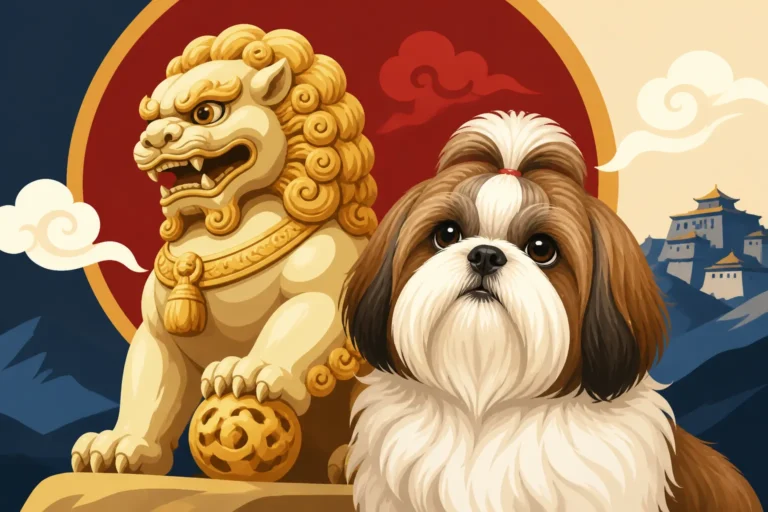
The Shih Tzu, whose name roughly translates to "Lion Dog," has an ancient and revered history, originating from the Tibetan Plateaus. These small, sturdy dogs were considered sacred by Tibetan monks and were often given as gifts to Chinese emperors. Imagine a time when these little dogs weren't just pets but symbols of spiritual significance and high status. They were cherished companions within the imperial palaces, living lives of luxury and being cared for by eunuchs and court staff. This isn't just a historical footnote; it speaks to the intrinsic value placed on these dogs from the very beginning. They weren't bred for hunting or herding; their sole purpose was to be a loving companion, a job they excel at to this day. The Shih Tzu From Tibetan Temples to American Homes tells more about this fascinating journey.
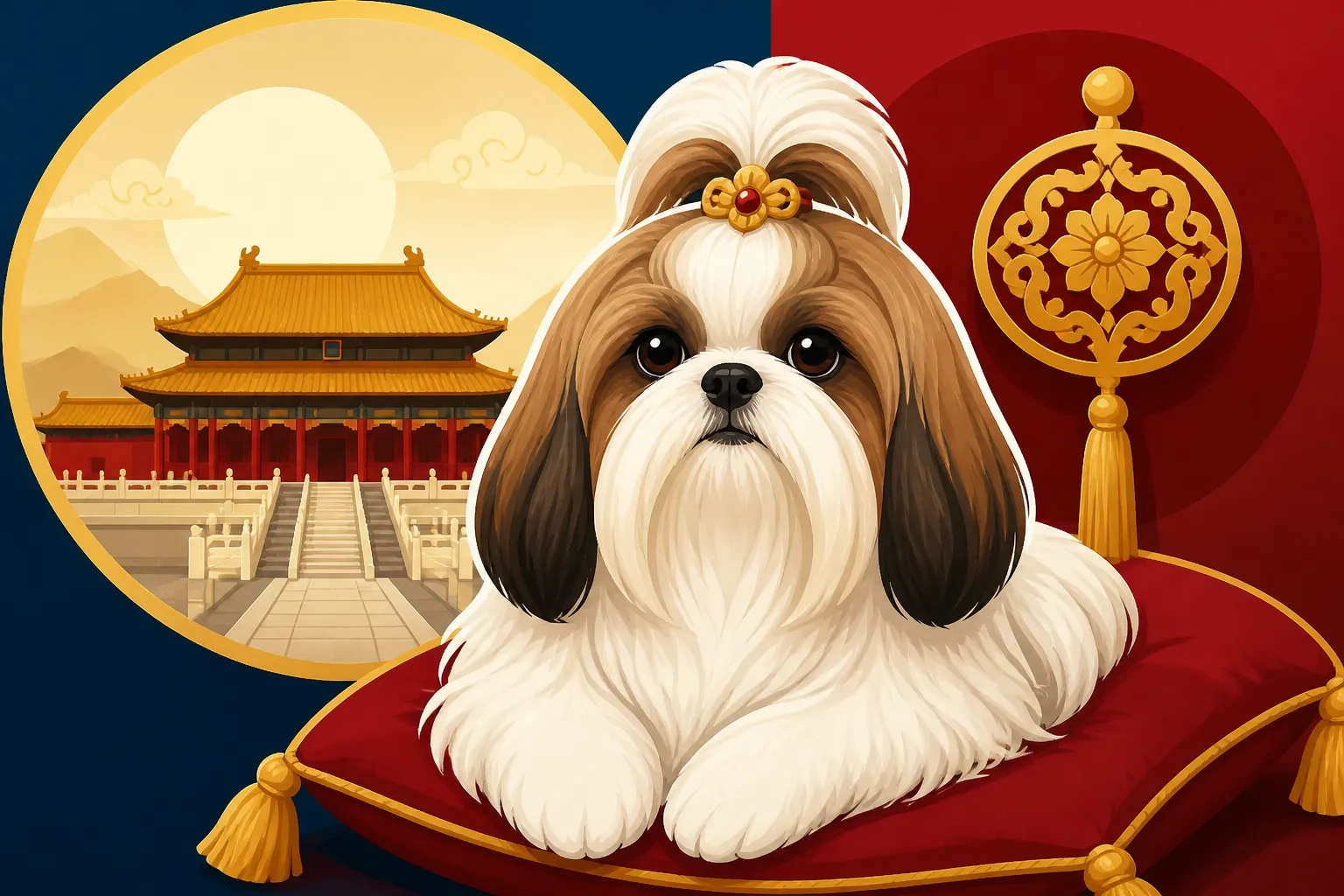
These dogs were rarely seen outside the palace walls, making them exclusive and highly prized. To own one was a sign of immense wealth and power. This exclusivity naturally lent itself to a perception of "imperial" status, even if the term wasn't used in the way we hear it today. Their luxurious coats and regal demeanor only added to this aura. They were, quite literally, imperial dogs because they belonged to the emperor.
The Empress's Esteemed Kennel
Perhaps the most famous figure associated with the Shih Tzu's imperial past is Dowager Empress Cixi, who reigned in China from 1861 to 1908. She was absolutely besotted with the breed and maintained an extensive breeding program within the Forbidden City. This wasn't just a casual hobby; it was a highly organized and elaborate undertaking, with dedicated staff tending to every need of her beloved dogs. The Empress Who Bred Shih Tzus in the Forbidden City dives deep into her fascinating role.
Empress Cixi was known for her meticulous attention to her Shih Tzus, and her kennels were legendary. She even wrote detailed instructions for their care and breeding, reflecting the immense importance she placed on them. The dogs she bred were considered the epitome of the breed, embodying the ideal temperament and appearance. They were, in every sense, "imperial" in their breeding and lineage. When we talk about where the word "Imperial" comes from, it's this period and the prestige associated with Cixi's dogs that people are likely trying to evoke, hoping to connect their modern-day puppies to this grand history. However, this historical connection is vastly different from how the term is used in today's pet market. How Cixi Ran Her Palace Breeding Program offers an even closer look at her detailed approach.
The Modern "Imperial" Label: A Marketing Distinction
Fast forward to today, and the word "Imperial" has taken on a completely different meaning in the Shih Tzu world. It's no longer about a dog's lineage in a royal court, but often about its size. This shift is a crucial distinction that every potential Shih Tzu owner needs to understand, as it can have significant implications for a dog's health and longevity.
The Quest for a Smaller Shih Tzu
In recent decades, there has been a growing demand for "teacup" or extremely small versions of popular breeds. For a breed like the Shih Tzu, which is already a toy breed, this means striving for an even tinier stature. This is where the term "Imperial Shih Tzu" has been widely adopted by some breeders. They use it to market dogs that are significantly smaller than the accepted breed standard, often weighing as little as four to eight pounds, compared to the standard nine to sixteen pounds.
This push for extreme smallness is driven purely by market trends and buyer demand, not by any recognized breed standard or health benefit. Unfortunately, breeding for such minuscule size often comes with a steep price for the dogs themselves. These tiny puppies are sometimes the runts of otherwise standard-sized litters, or they might be the product of breeding two smaller-than-average dogs, a practice that can concentrate undesirable genes and lead to a host of health problems. The allure of having the smallest, most doll-like dog can be strong, but it's important to be aware of what this "tiny-ness" might entail for the dog's future. Teacup Shih Tzus and Why Breeders Sell Them provides a deeper dive into this market trend.
Why "Imperial" Became a Selling Point
The term "Imperial Shih Tzu" is undeniably catchy. It evokes images of luxury, rarity, and a regal heritage, playing on the breed's historical ties to Chinese emperors. For breeders, it becomes a marketing tool, a way to differentiate their smaller dogs and often command a higher price. Buyers, understandably, might see "Imperial" and associate it with a superior quality or a special, more exclusive version of the breed. They might even believe they are getting a dog that is somehow more authentic to the breed's origins, despite the lack of official recognition.
This clever marketing taps into a desire for something unique and elite. When you see a dog advertised as "Imperial," it can sound far more appealing than simply "smaller than standard." The word itself carries a weight of history and grandeur, making it a powerful psychological tool for sales. However, it's crucial to remember that this is a descriptor invented for the market, not a classification that holds any meaning within the official dog breeding world. It's designed to make you feel like you're buying something special, but that "specialness" often comes without official backing and can obscure potential issues. Why an Imperial Label Raises a Shih Tzu Price further explores the financial side of this phenomenon.
Understanding Official Breed Standards vs. Unofficial Designations
This is where the rubber meets the road. The distinction between a marketing term like "Imperial" and an official breed standard is not just semantic; it's fundamental to responsible breeding and ensuring the health and integrity of the breed.
What the Kennel Clubs Say About Size
Major kennel clubs around the world, such as the American Kennel Club (AKC) and The Kennel Club (UK), have very clear and specific breed standards for the Shih Tzu. These standards describe the ideal physical characteristics, temperament, and size of a Shih Tzu. For instance, the AKC standard for a Shih Tzu states that the ideal weight is between 9 and 16 pounds, with a height of 9 to 10.5 inches at the shoulder. There is no mention of an "Imperial" or "Teacup" category within these official standards. The Shih Tzu Standard and What Judges Look For details these crucial guidelines.
This means that any Shih Tzu marketed as "Imperial" or "Teacup" falls outside the recognized standard. While individual dogs might naturally be on the smaller side of the standard, actively breeding for sizes significantly below 9 pounds can lead to serious health problems. These official standards are developed by breed experts over many years, considering the health, functionality, and historical characteristics of the breed. They are not arbitrary; they are there to protect the breed. When you're looking for a Shih Tzu, these are the standards that reputable breeders adhere to, ensuring they're producing healthy, well-adjusted dogs. Nine to Ten and a Half Inches at the Shoulder specifically addresses the size requirements.
The Health Implications of Extreme Downsizing
The most significant concern with the "Imperial Shih Tzu" trend is the potential for severe health issues. Dogs bred to be exceptionally small often face a disproportionate number of medical problems. Their tiny bones can be fragile, making them prone to fractures. They can struggle with hypoglycemia (low blood sugar) because their small bodies have difficulty regulating glucose, particularly as puppies. This can manifest as lethargy, tremors, and even seizures, requiring constant vigilance and frequent feeding.
Beyond these immediate concerns, extremely small Shih Tzus might suffer from a range of other conditions. Their internal organs may not develop fully or function optimally. They can have delicate respiratory systems, making them more susceptible to respiratory distress, especially given the Shih Tzu's already brachycephalic (flat-faced) nature. Dental problems, which are already common in Shih Tzus due to their crowded jaws, can be exacerbated in an even smaller mouth. Owners might find themselves making frequent trips to the vet, leading to significant emotional and financial strain. When looking for food for these tiny dogs, even finding appropriate kibble size that they can manage can be a challenge, though thankfully sites like Chewy offer a great variety of small-breed specific foods. Teacup Shih Tzus and the Health Risk Behind Them delves into these serious health consequences.
Here's a quick comparison to help visualize the difference:
| Feature | Official Shih Tzu Standard | "Imperial" Shih Tzu Claims (Unofficial) |
|---|---|---|
| Weight Range | 9-16 pounds (4.1-7.3 kg) | Often 4-8 pounds (1.8-3.6 kg) |
| Height | 9-10.5 inches at shoulder (22.9-26.7 cm) | Generally smaller, no specific standard |
| Health | Bred for vitality and breed type | Higher risk of health issues due to size |
| Recognition | Recognized by AKC, FCI, The Kennel Club etc. | Not recognized by any major kennel club |
| Purpose | Companion dog adhering to breed ideal | Marketed for extreme smallness |
It's clear from this table that "Imperial" is not a standard that denotes improved health or quality, but rather a description of size, often outside what is considered healthy for the breed. Why No Registry Recognizes an Imperial Shih Tzu explains the organizational perspective on this lack of recognition.
Navigating the Shih Tzu Market: Responsible Choices
Given the potential pitfalls of the "Imperial Shih Tzu" label, it's incredibly important for prospective owners to approach their search with knowledge and caution. Your primary goal should always be to find a healthy, well-adjusted puppy from a reputable source, regardless of any catchy marketing terms.
Spotting the Red Flags of Unsound Breeding
When you're looking for a Shih Tzu puppy, seeing the word "Imperial" should immediately raise a red flag, prompting you to ask more questions and do deeper research. Here are some other signs that you might be dealing with a less-than-reputable breeder:
- No Health Testing: A responsible breeder will conduct extensive health testing on the parent dogs to screen for genetic conditions common in Shih Tzus, such as hip dysplasia, patellar luxation, and eye conditions. They will be transparent about these results and provide documentation. If a breeder doesn't mention health clearances or waves them off as unnecessary, walk away. The DNA Panel Worth Running on a Shih Tzu discusses important tests.
- Lack of Transparency: Reputable breeders welcome questions, allow you to visit their facility (or conduct thorough video calls if geographical distance is an issue), and are open about their breeding practices. If a breeder is pushy, reluctant to share information, or insists on meeting in a public place rather than their home, be wary.
- Multiple Breeds or Litters: A quality breeder usually specializes in one or two breeds and doesn't have multiple litters available constantly. High-volume operations can be a sign of a puppy mill, where profit is prioritized over animal welfare.
- No Questions for You: A good breeder is invested in their puppies' future homes and will ask you plenty of questions about your living situation, experience, and lifestyle. If they just want to make a quick sale, it's a bad sign.
- Claims of Rarity or Exclusivity: Be skeptical of breeders who use terms like "rare color" or "exclusive Imperial lineage" to justify exceptionally high prices. While some colors are less common, true rarity doesn't necessarily equate to better health or quality, and "Imperial" is not a recognized trait.
- No Contract or Guarantee: A responsible breeder will provide a written contract outlining health guarantees, spay/neuter agreements, and what happens if the puppy needs to be rehomed. Health Papers to Expect With a Shih Tzu Puppy provides more detail on what to look for.
Always prioritize a breeder who is passionate about the health and temperament of their dogs over one who uses flashy labels to sell puppies. Even when buying supplies, choosing reputable brands from trusted retailers like Chewy ensures you're getting quality products that support your Shih Tzu's health.
Prioritizing Health Over an "Imperial" Tag
Ultimately, the best approach to bringing a Shih Tzu into your home is to prioritize health, temperament, and adherence to the recognized breed standard. A Shih Tzu bred to the standard is designed to be a healthy, robust companion within its toy size. They have sufficient bone structure, appropriate organ development, and a generally better chance at a long, fulfilling life.
Instead of searching specifically for an "Imperial" Shih Tzu, focus on finding a reputable breeder who focuses on the health and welfare of their dogs. They will screen for genetic conditions, provide a clean and stimulating environment for their puppies, and be a valuable resource for you throughout your dog's life. Alternatively, consider adopting a Shih Tzu from a breed-specific rescue. These organizations often have adult dogs who are looking for loving homes, and they will be transparent about the dog's known health and behavioral history. Adopting a Shih Tzu Whose Past Nobody Knows is a great resource if you're considering rescue.
Remember, a dog is a lifelong commitment. Investing in a healthy puppy from a responsible breeder, or adopting a well-vetted rescue dog, is the most loving and financially sound decision you can make. The joy and companionship a healthy Shih Tzu brings far outweigh the fleeting appeal of an unofficial, potentially risky "Imperial" label. For all your puppy's needs, from food to grooming supplies, exploring options on Chewy can help you find products suited for a healthy, happy Shih Tzu.
Disclaimer
This article is for general informational purposes only and does not constitute professional advice. Laws, prices and regulations vary by location and change over time. Consult a qualified professional for guidance on your specific situation.