The Round Broad Shih Tzu Head
One of the first things you notice about a Shih Tzu, beyond that luxurious flowing coat, is their distinct head. It’s not just cute; it's a fundamental part of what makes a Shih Tzu a Shih Tzu, but it also comes with a unique set of care requirements and potential challenges. Many new owners find themselves captivated by that sweet, round face, only to quickly realize it needs special attention, from keeping hair out of the eyes to understanding their unique breathing patterns. This guide will walk you through everything you need to know about the defining characteristics of the Shih Tzu head, its care, and how it impacts their overall health and daily life.
Understanding the Distinctive Shih Tzu Head Shape
The Shih Tzu's head is arguably its most defining physical characteristic, carefully sculpted over centuries of selective breeding to create the beloved "lion dog" appearance. It's a key part of the breed's charm and what sets them apart in the toy group. However, understanding the specifics of this structure is crucial for providing the best care.
The Breed Standard's Emphasis on Head Proportions
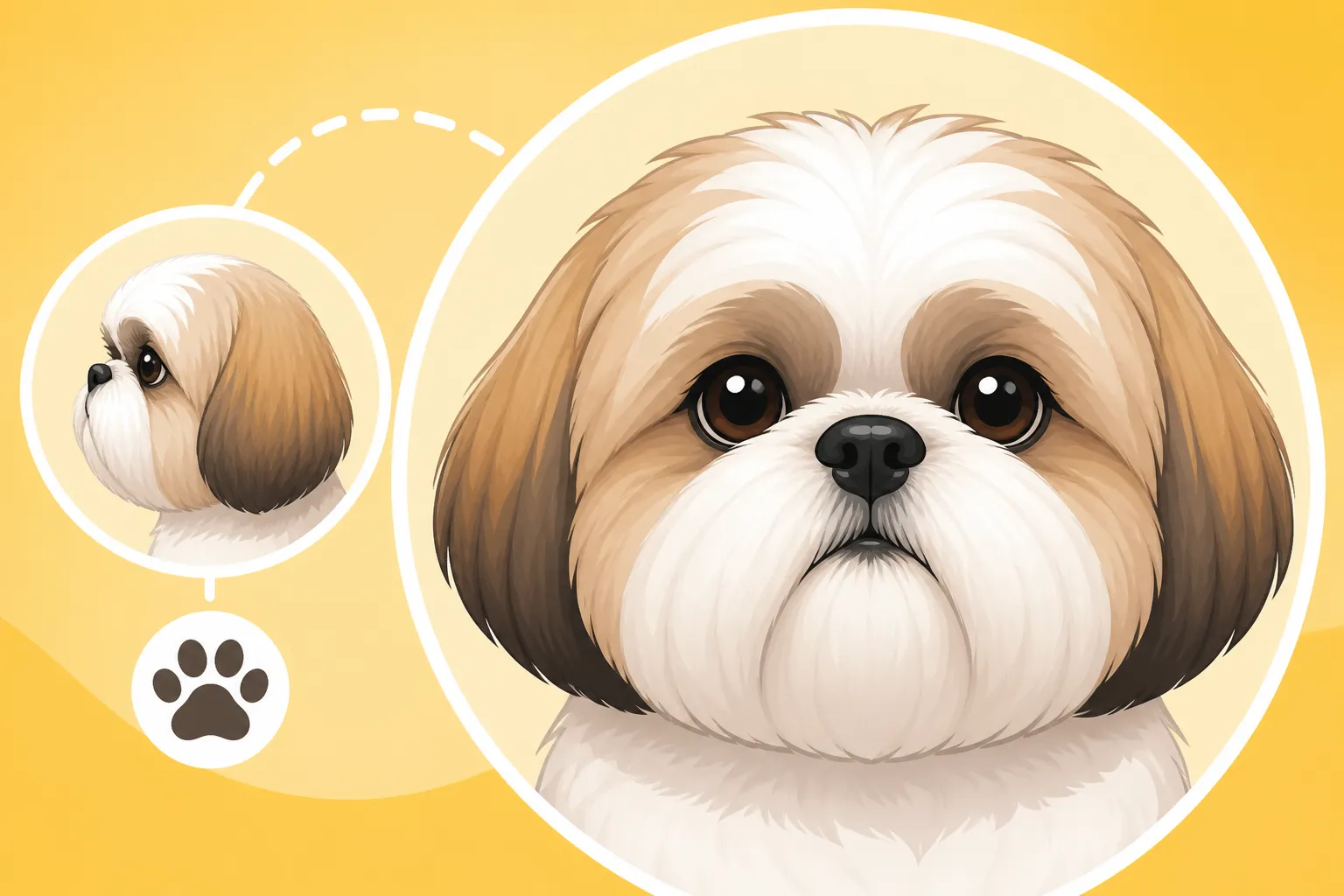
If you ever look at the official breed standard, you'll see a clear emphasis on the Shih Tzu's head. It's described as broad and round, with a good distance between the eyes. The skull is meant to be domed, and the muzzle is short, squared, and unwrinkled, sitting just below the eyes. This isn't just aesthetic; these proportions contribute to the overall balance and expression of the dog, giving them that adorable, almost perpetually youthful look. The Shih Tzu Standard and What Judges Look For The placement of the ears, which are set low and heavily feathered, further frames this distinct face. For breeders and judges, adhering to these proportions ensures the lineage and maintains the integrity of the breed's historic appearance.
This unique cranial structure, with its broadness and rounded top, is often what gives the Shih Tzu its gentle, appealing gaze. The stop—the indentation between the eyes—is well-defined, leading down to that short muzzle. Everything about the head is designed to be compact yet expressive, contributing to their reputation as charming companions. It's a feature that differentiates them from other long-haired toy breeds, offering a strong, solid foundation for their distinctive "chrysanthemum" coat.
The Origin of the "Chrysanthemum Face"
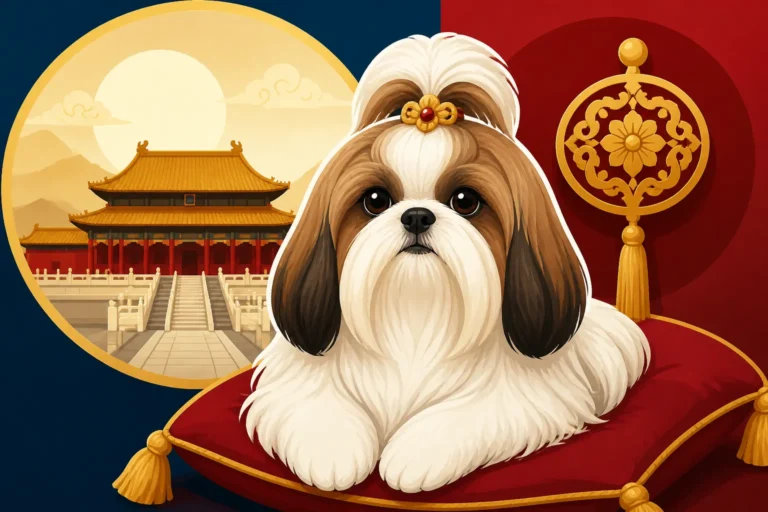
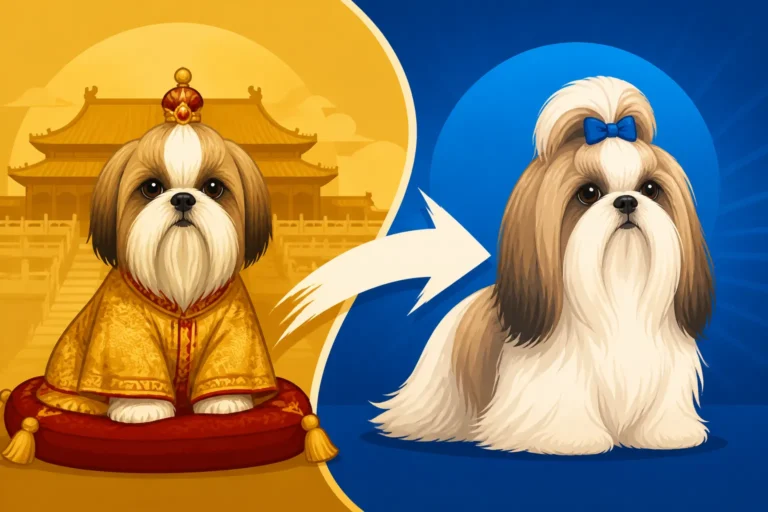
The term "chrysanthemum face" isn't just a whimsical description; it perfectly captures the unique way the hair grows on a Shih Tzu's face. The hair radiates outwards from the center of the face, much like the petals of a chrysanthemum flower. This distinctive growth pattern, combined with their round, broad head and wide-set eyes, creates a truly enchanting and unforgettable expression. It's a look that harks back to their origins in Tibetan monasteries and the imperial courts of China, where they were revered as sacred companions. The Shih Tzu From Tibetan Temples to American Homes
This "chrysanthemum" effect is more than just pretty; it's a testament to centuries of careful breeding for specific aesthetic traits. The long, flowing hair on their head and face was deliberately cultivated, often tied up into a topknot to keep it out of their eyes. This iconic look contributes significantly to their status as one of the most recognizable and adored toy breeds worldwide. It's a visual cue that immediately tells you, "That's a Shih Tzu!" and evokes a sense of ancient lineage and noble companionship.
The "Chrysanthemum Face" and Its Grooming Needs
While the Shih Tzu's unique head is incredibly charming, that beautiful "chrysanthemum face" demands consistent and diligent grooming. Without it, the flowing hair around their eyes and mouth can quickly become a source of discomfort, matting, and even health issues. Many new Shih Tzu owners are surprised by the daily commitment required to keep these little faces neat and healthy.
Managing Face Hair and the Topknot
The most immediate challenge with a Shih Tzu's head is keeping that long, luxuriant hair out of their eyes. If left untended, the hair can constantly irritate the delicate eye surface, leading to discomfort, infections, or even corneal abrasions. This is where the famous Shih Tzu topknot comes in. Tying a topknot gathers the hair from their forehead and around their eyes, lifting it away from the face. It's a functional hairstyle that helps maintain good eye health and allows your Shih Tzu to see clearly. Trimming Face Hair Away From Shih Tzu Eyes
Learning to tie a secure yet comfortable topknot takes practice, but it's an essential skill for any Shih Tzu owner. Alternatively, many owners opt for a "puppy cut" or a shorter trim around the face, which can significantly reduce daily grooming time. However, even with a shorter cut, regular trims are necessary to prevent hair from growing back into the eyes. Tools like small, blunt-nosed scissors or a quality comb from a pet supply store like Chewy are invaluable for keeping this area tidy. Consistency from a young age helps your Shih Tzu become accustomed to this routine, making it a stress-free experience for both of you.
Cleaning the Face and Tear Stains
Beyond managing hair length, the Shih Tzu's flat face and prominent eyes make them particularly prone to tear staining and residue build-up around the mouth and nose folds. Tears naturally accumulate in the corners of their eyes, and if not regularly cleaned, they can create reddish-brown stains, especially noticeable on lighter-colored coats. This staining isn't just cosmetic; the dampness can create a breeding ground for yeast and bacteria, leading to skin irritation and odor. Shih Tzu Tear Staining and What Causes Them
Daily face cleaning is paramount. This involves gently wiping around their eyes and nose fold with a damp cloth or a specialized tear stain remover pad. You'll want to choose products designed for pets, avoiding anything that could sting or irritate their sensitive eyes. After meals, it’s also important to clean any food residue from their beard and around their mouth. Their short muzzles mean they often get food on their facial hair, which can dry and become crusty, leading to mats and unpleasant odors. A routine of wiping their face twice a day, every day, will go a long way in keeping your Shih Tzu's face clean, comfortable, and beautiful. You can find a wide variety of gentle face wipes and cleaning solutions on sites like Chewy, making it easy to keep up with this essential task.
Health Considerations Stemming from the Shih Tzu Head
While undeniably adorable, the broad, round Shih Tzu head comes with specific anatomical features that can predispose them to certain health concerns. Understanding these potential issues is key to proactive care and ensuring your furry friend lives a long, comfortable life.
Brachycephalic Features and Breathing
The term "brachycephalic" refers to breeds with short, broad skulls and compressed airways, which perfectly describes the Shih Tzu. Their charming flat faces, unfortunately, mean they often have narrower nostrils (stenotic nares) and an elongated soft palate. These structural differences can make breathing more challenging, especially during exercise, excitement, or in warm weather. You might notice your Shih Tzu snorting, snoring loudly, or making raspy sounds even during normal activity. Brachycephalic Breathing in a Shih Tzu
This unique airway anatomy means Shih Tzus are not as efficient at cooling themselves as dogs with longer muzzles. They pant to dissipate heat, but their compressed airways can hinder this process, making them very susceptible to overheating and heatstroke. It's crucial for owners to be vigilant, especially in summer months, avoiding strenuous exercise during the hottest parts of the day and always ensuring access to cool, fresh water. Any excessive panting, blue gums, or collapse requires immediate veterinary attention. Some Shih Tzus may benefit from surgical correction of their stenotic nares or elongated soft palate, a procedure that can significantly improve their quality of life and breathing comfort.
Eye Health and the Prominent Eyes
The Shih Tzu's beautiful, large, dark, and prominent eyes are a hallmark of the breed, contributing greatly to their sweet expression. However, this prominence also makes them incredibly vulnerable to injury and certain eye conditions. Because their eyes protrude slightly and their eye sockets are relatively shallow, they are more exposed to the environment and less protected by bone structure compared to other breeds. Shih Tzu Eye Placement and Expression This increases the risk of corneal ulcers from trauma, foreign objects, or even irritation from their own facial hair.
Furthermore, conditions like dry eye (keratoconjunctivitis sicca) are common in Shih Tzus, where the eyes don't produce enough tears, leading to dryness, irritation, and potential damage. Pigmentary keratitis, a black discoloration on the cornea, can also develop, often as a result of chronic irritation from hair or dry eye. The most alarming, though rare, emergency is eye proptosis, where the eyeball literally pops out of its socket, often due to blunt trauma or excessive pressure around the head. Shih Tzu Eye Proptosis, the Emergency Owners Miss Vigilant eye care, including regular cleaning and immediate veterinary attention for any redness, squinting, or discharge, is crucial for preserving your Shih Tzu's vision and comfort.
Dental Challenges in a Crowded Mouth
The Shih Tzu's short muzzle and undershot bite, while characteristic of the breed, create a very crowded mouth environment. Their jaws are simply not designed to comfortably accommodate the full complement of 42 adult teeth that most dogs possess. This crowding leads to teeth growing at odd angles, rotating, or overlapping, creating numerous nooks and crannies where food particles and bacteria can easily become trapped. Shih Tzu Dental Disease at 13 Percent of the Breed
This crowded dental landscape makes Shih Tzus highly susceptible to periodontal disease, often at a much younger age than other breeds. Tartar accumulation, gum inflammation, and eventually tooth decay and loss are common issues. Many Shih Tzus require their first professional dental cleaning under anesthesia by the age of three or four, and some may even need multiple tooth extractions throughout their lives. Daily toothbrushing, using a small, soft-bristled brush and pet-specific toothpaste, is the single most effective way to combat these problems. Regular veterinary check-ups that include oral examinations are also essential, as early intervention can prevent more serious and costly dental issues down the line. Look for dental hygiene products, including toothbrushes sized for tiny mouths, on Chewy.
| Head-Related Health Concern | Description | Signs to Watch For | Care & Prevention |
|---|---|---|---|
| Brachycephalic Syndrome | Compressed airways, narrow nostrils, elongated soft palate. | Snorting, loud snoring, heavy panting, exercise intolerance. | Avoid strenuous exercise, especially in heat; keep cool; veterinary consultation for potential surgery. |
| Eye Proptosis | Eyeball dislodges from socket due to shallow eye sockets and trauma. | Eyeball visibly out of socket, pain, panic. | Gentle handling of head, avoid rough play/restraint; immediate emergency vet care. What to Do in the First Minutes of a Proptosis |
| Corneal Ulcers | Scratches or sores on the eye surface from trauma or irritation. | Squinting, redness, excessive tearing, pawing at eye. | Keep facial hair trimmed or tied back; daily eye cleaning; veterinary exam for any eye changes. |
| Dry Eye | Insufficient tear production, leading to dry, irritated eyes. | Redness, discharge, squinting, cloudy appearance. | Lifelong prescription eye drops; regular vet check-ups. Dry Eye in a Shih Tzu and Lifelong Drops |
| Dental Crowding | Too many teeth in a small jaw, leading to misalignment and plaque buildup. | Bad breath, red gums, visible tartar, difficulty eating. | Daily toothbrushing; professional dental cleanings; appropriate dental chews (consult vet). How Often a Shih Tzu Needs a Dental |
| Tear Staining | Discoloration of fur below eyes due to tear overflow. | Reddish-brown stains on light-colored fur. | Daily face wiping, tear stain specific cleansers, keeping hair out of eyes. Shih Tzu Tear Staining and What Causes Them |
| Nasal Fold Dermatitis | Skin irritation/infection in the folds around the nose. | Redness, odor, discharge in nose folds. | Regular cleaning and drying of nose folds. Shih Tzu Nasal Fold Dermatitis |
How the Shih Tzu Head Influences Daily Life and Interaction
The distinctive broad, round Shih Tzu head doesn't just impact their health and grooming; it subtly shapes many aspects of their daily life, from how they eat to how they interact with their world and with you. Understanding these nuances helps us provide them with a more comfortable and enriched existence.
Feeding Adaptations for a Flat Face
The Shih Tzu's characteristic undershot jaw and short muzzle can present some challenges at mealtime. While they have strong appetites, their unique facial structure can make it difficult to pick up certain types of kibble or manipulate food effectively. Kibble that is too large or oddly shaped can be a struggle, sometimes leading to frustration or messier eating. This is why many Shih Tzu owners opt for smaller kibble sizes or even wet food, which is easier for them to scoop up.
Beyond the type of food, the design of their food bowl can also make a big difference. Deep bowls might be hard for them to reach into without getting their long facial hair wet or dirty. Consider shallow dishes, ceramic bowls that won't tip easily, or even slow feeder bowls with very low ridges if your Shih Tzu tends to eat too quickly. After every meal, a quick wipe of their face and beard with a damp cloth is almost always necessary to remove any food residue and prevent mats or skin irritation. Some owners even use snoods during meal times, which are fabric tubes that cover their ears and beard, keeping them out of the food and water. You can find various bowls and snoods designed for brachycephalic breeds on popular pet supply sites like Chewy.
Safety Considerations and Head Protection
Given the Shih Tzu's prominent eyes and delicate head structure, safety is a paramount concern for owners. Their eyes, due to their position, are more vulnerable to accidental pokes, scratches, or even more serious trauma during rough play or falls. Children, especially, need to be taught how to handle a Shih Tzu gently and respectfully, avoiding any grabbing or pressure on the head area. Showing a Child How to Carry a Shih Tzu Similarly, when interacting with other dogs, especially larger ones, vigilance is key to prevent head injuries.
During grooming, it's crucial to be extra careful, particularly when using scissors near their eyes. Always use blunt-nosed scissors and ensure your Shih Tzu is calm and still. For veterinary procedures or even just routine handling, understanding how to gently but firmly support their head without putting pressure on their eyes is essential. Think about how you pick them up – always supporting their chest and hindquarters, never putting strain on their head or neck. Restraining a Shih Tzu Without Popping an Eye These small, everyday considerations can go a long way in preventing painful injuries and keeping their precious eyes safe.
Communicating with a Shih Tzu's Expressive Face
Despite their long hair, the Shih Tzu's broad head, large, dark eyes, and overall facial structure make for an incredibly expressive face. Their eyes are often described as having a warm, intelligent, and trusting gaze, and they are adept at communicating their feelings through subtle shifts in expression. A slight squint, a widening of the eyes, or the way their brow furrows can tell you a lot about their mood, from curiosity to contentment, or even a hint of mischief.
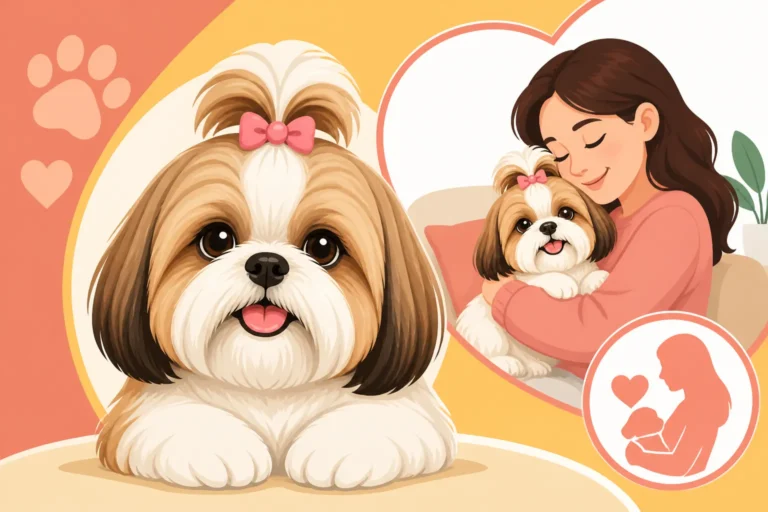
The "chrysanthemum" effect of their facial hair, combined with their unique head shape, contributes to a perpetually endearing look that has captivated humans for centuries. As an owner, you'll quickly learn to read these subtle cues, understanding when your Shih Tzu is happy, wants attention, or perhaps feels a bit unsure. Their entire head, with its distinctive features, is a central part of their charming personality and how they connect with their human companions, making them truly irresistible members of the family.
Disclaimer
This article is for general informational purposes only and does not constitute professional advice. Laws, prices and regulations vary by location and change over time. Consult a qualified professional for guidance on your specific situation.