What the Shih Tzu Standard Asked For in 1969
If you've ever gazed at your fluffy Shih Tzu and wondered how this magnificent little lion dog came to be, you might be curious about the very foundations of the breed's recognition. For many owners, the world of breed standards can feel like an exclusive club, full of technical jargon and subtle nuances. However, understanding what the Shih Tzu standard asked for back in 1969, when the breed first gained full recognition with a major kennel club, offers a fascinating glimpse into the characteristics deemed essential for this beloved companion, and helps explain why your Shih Tzu looks and acts the way they do today. This guide will explore that pivotal moment, dissecting the traits that were formalized, and showing how those early descriptions continue to shape the breed we cherish.
The Road to AKC Recognition: A Brief History
Before any breed can have a formal "standard," it needs to have a history, a purpose, and a presence. The Shih Tzu's journey to becoming a recognized breed in the Western world is a testament to its unique charm and resilience, traveling from ancient Eastern palaces to modern-day homes.
From Imperial Courts to Western Shores
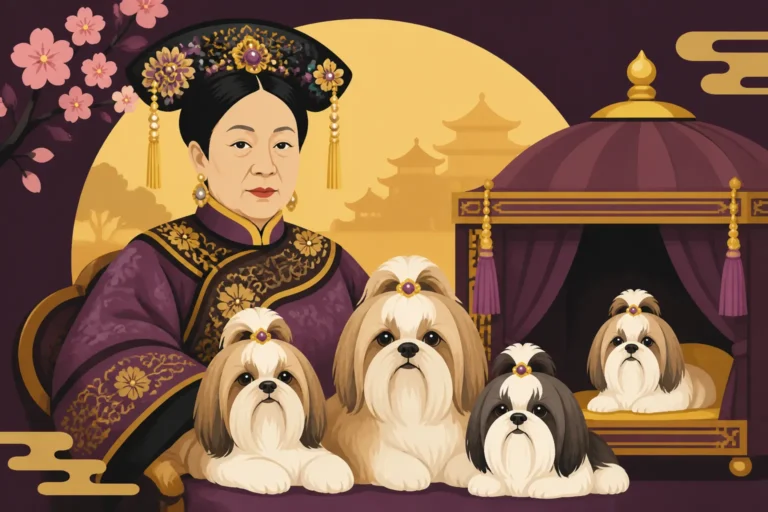
The Shih Tzu's origins are steeped in the rich history of Tibetan monasteries and Chinese imperial courts. These small, regal dogs were bred for centuries purely as companions, nestled on royal laps, and adored for their beauty and affectionate nature. They were truly the definition of a lap warmer and a living jewel. It's a fascinating story, tracing back to where the Shih Tzu originally comes from, as these dogs were treasured and considered sacred. The Shih Tzu From Tibetan Temples to American Homes
It wasn't until the early 20th century that the breed began its journey beyond China. A handful of these precious dogs made their way to Europe, particularly England and Norway, often gifted to foreign dignitaries. The initial gene pool was incredibly small, making the dedication of early European fanciers absolutely crucial in saving and propagating the breed. These pioneering individuals were instrumental in establishing the Shih Tzu outside its homeland, carefully breeding and documenting their dogs to ensure the continuation of their distinct characteristics. Without their efforts, the Shih Tzu as we know it might never have flourished globally. Their passion for the breed laid the groundwork for its eventual arrival in America, often brought back by servicemen returning from abroad, who were captivated by their charm. How the Shih Tzu Reached the West
The Importance of a Standard
So, why bother with a "standard" at all? For a breed like the Shih Tzu, with such a rich but also somewhat fragmented history outside its native China, a standardized description became incredibly important. Imagine trying to explain what a Shih Tzu should look like, or how it should behave, to someone who has never seen one. Without a clear, written guide, breeders might start to select for different traits, leading to a wide variety in appearance and temperament, potentially diluting the very essence of the breed.
A breed standard serves as the blueprint for what constitutes an ideal specimen of the breed. It guides breeders in their efforts to produce healthy, type-correct puppies, ensuring consistency from generation to generation. It also provides a framework for judges in the show ring, allowing them to evaluate dogs fairly against a common ideal. For aspiring owners, it's a window into what to expect from a purebred Shih Tzu, not just in terms of looks, but also temperament and general characteristics. The 1969 standard was a monumental step, marking the moment when the breed was fully recognized by a major kennel club, firmly establishing its place in the canine world. AKC Recognition of the Shih Tzu in 1969 It's a document that, even with minor modern updates, still resonates deeply in the Shih Tzu community.
Key Elements of the 1969 Shih Tzu Standard
When the Shih Tzu received its full recognition, the standard described a dog that was both regal and endearing, perfectly reflecting its history as a pampered companion. Let's break down some of the core elements that defined the ideal Shih Tzu back then.
Overall Appearance and Temperament
The first thing the 1969 standard emphasized was the Shih Tzu's overall impression: "a sturdy, toy dog, with a long flowing double coat, a distinctly arrogant carriage, and a chrysanthemum-like face." It painted a picture of elegance combined with a solid, compact build. This wasn't a fragile little dog; it was robust within its small frame, capable of carrying its abundant coat with pride. The "arrogant carriage" speaks volumes about the breed's self-assured and dignified demeanor, a throwback to its imperial past.
Temperament was, and remains, a cornerstone of the Shih Tzu. The standard specifically called for a dog that was "outgoing, happy, affectionate, friendly and trusting towards all." This perfectly captures the essence of the Shih Tzu as a dedicated companion. They weren't bred to hunt, guard, or herd; their sole purpose was to bring joy and companionship to their human families. This focus on a stable, loving temperament meant breeders prioritized dogs that were naturally good-natured, adaptable, and eager to interact. It’s why, even today, your Shih Tzu probably loves to be right by your side, ready for a cuddle or a game. Shih Tzu Temperament and the Companion It Was Bred to Be
The Head, Eyes, and Expression
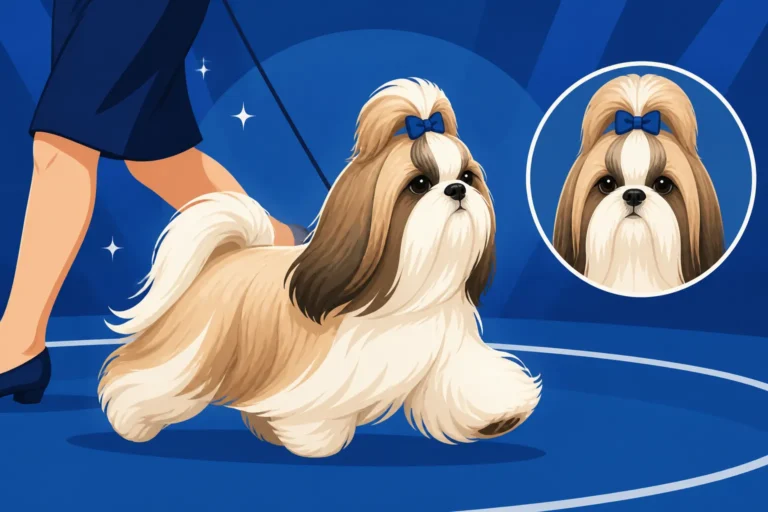
The head is arguably one of the most distinctive features of the Shih Tzu, and the 1969 standard paid close attention to it. It described a "broad, round, wide between the eyes, with a large, dark, round eye, set well apart." This combination creates the hallmark "chrysanthemum face" that gives the Shih Tzu its unique, endearing look. The face truly blossoms like the flower, with hair growing upwards and outwards from the bridge of the nose. The Shih Tzu Head and Chrysanthemum Face
The eyes were crucial: "large, dark, round, and set well apart," conveying a "warm, melting expression." This isn't a dog with sharp, keen eyes; instead, they were meant to exude gentleness and affection. Any hint of meanness or fear in the eyes was considered undesirable, as it went against the breed's companionable nature. The muzzle was described as "short, unwrinkled, and fairly flat," but not so much as to impede breathing. The nose was to be "black and broad," with nostrils open. The bite was also specified as an "undershot bite," meaning the lower jaw protruded slightly beyond the upper, giving the Shih Tzu its characteristic charming pout. This unique bite is a breed trait that breeders strive to maintain. The Shih Tzu Undershot Bite in the Standard
The Body, Legs, and Tail
Beyond the captivating face, the 1969 standard laid out clear expectations for the Shih Tzu's physical structure, ensuring it was sturdy and well-balanced. The body was to be "solid, well ribbed, firmly coupled, and giving the impression of strength and sturdiness." This emphasized that despite its toy size, the Shih Tzu was not delicate. A compact, strong body was essential for the dog to move gracefully and withstand the rigors of everyday life as a cherished companion.
The legs were described as "short, muscular, and with good bone," meaning they were solid, not spindly, providing a firm foundation for the body. This robust bone structure was important for supporting the dog's compact frame and ensuring its overall soundness.
Perhaps one of the most iconic features mentioned was the tail. The standard called for a "high set, heavily plumed tail, carried in a graceful curve well over the back." This "plumed" tail, often compared to a fountain of feathers arching over the dog's spine, is a signature characteristic that contributes significantly to the Shih Tzu's regal and elegant silhouette. It completes the picture of a proud, confident dog. The Plumed Tail on a Shih Tzu Back It’s also a feature that requires a bit of attention from owners to keep that plume looking its best; regular brushing is key, and you can find excellent grooming tools and even tail-specific conditioners on sites like Chewy to help maintain that magnificent fan.
The Coat and Color Requirements
The Shih Tzu's coat is arguably its crowning glory, and the 1969 standard detailed it meticulously. It described a "luxurious, long, dense, double coat, with a good undercoat." The word "flowing" was often used to evoke the image of a waterfall of hair gracefully draping the dog's body. The double coat provides warmth and protection, but it also demands significant grooming, something every Shih Tzu owner quickly learns! Brushing a Shih Tzu Double Coat Every Day The standard indicated that the coat should be "not excessively soft, but rather firm and harsh to the touch," which is interesting considering how soft some modern Shih Tzu coats can feel. This suggests a desire for a more substantial, weather-resistant texture, perhaps a nod to their ancestral resilience.
Regarding color, the standard was quite inclusive: "All colors are permissible and equally desirable." This is a wonderful aspect of the Shih Tzu breed, allowing for a magnificent array of hues and patterns, from solids to partis, brindles to sables. Some breeds are very strict about color, but the Shih Tzu celebrates diversity. White blazes on the forehead and a white tip on the tail were considered highly desirable marks, often thought to be good luck. Which Shih Tzu Colors the Registry Allows This broad acceptance of color means that every Shih Tzu, regardless of its unique patterning, can be a true representative of the breed.
What the 1969 Standard Emphasized and Its Lasting Impact
The 1969 standard was more than just a list of physical traits; it was a philosophical statement about the Shih Tzu's identity and purpose. It laid down principles that continue to resonate with breeders and owners today.
Function as a Companion
One of the strongest undercurrents of the 1969 standard was the unwavering emphasis on the Shih Tzu's primary role: that of a beloved companion. The standard implicitly, and often explicitly, highlighted characteristics that supported this function. Their sturdy yet compact build made them perfectly sized for laps and indoor living. Their affectionate and outgoing temperament meant they thrived on human interaction, eager to be part of family life.
This focus meant that traits associated with working breeds – extreme athleticism, intense guarding instincts, or a high prey drive – were not sought after. Instead, the standard celebrated traits like adaptability, gentleness, and a willingness to simply "be" with their people. It's why the Shih Tzu excels as a family pet, thriving in homes where they receive ample attention and affection. This intentional breeding for companionship is a direct link to the breed's origins and remains a defining characteristic. Why a Shih Tzu Was Bred to Sit on a Lap
Health and Structure Through the Standard's Lens
While the specific health testing protocols we have today weren't as prevalent in 1969, the standard still implicitly promoted sound health and structure. Describing the body as "sturdy" and "well ribbed" encouraged breeders to produce dogs with good bone and proper conformation, reducing the likelihood of certain orthopedic issues. The call for "open nostrils" and a muzzle that was "short, unwrinkled, and fairly flat," but not overly exaggerated, was an early acknowledgment of the unique challenges faced by brachycephalic breeds. It implied a desire for dogs that could breathe comfortably, even if the term "brachycephalic" wasn't as widely used in the context of health concerns as it is now. This foundational desire for clear airways is a concern that persists, as owners sometimes face challenges with things like The Elongated Soft Palate in a Shih Tzu.
The focus on proper eye set and a specific bite also contributed to overall health. Correct eye placement helps protect the prominent Shih Tzu eyes from injury, and a sound bite ensures they can eat comfortably. By defining these physical attributes, the standard indirectly guided breeders toward dogs that were not only beautiful but also structurally sound, forming a healthier foundation for the breed's future.
How the Standard Guides Breeders Today
Even though the breed standard may have undergone minor tweaks and clarifications since 1969, its core principles remain remarkably consistent. Modern breeders still look to this foundational document as their guiding star. When evaluating potential breeding stock or assessing a litter of puppies, they are asking themselves: "Does this dog embody the ideal described in the standard?" This means looking at overall balance, temperament, head type, coat quality, and movement.
The standard helps breeders make informed decisions, striving to improve the breed with each generation while preserving its unique characteristics. It's a key tool in avoiding extremes and maintaining the breed's health and integrity. Today, this is often combined with advanced health testing, such as DNA panels and orthopedic clearances, which add another layer of assurance to breeding practices. Health Testing a Shih Tzu Breeder Should Do The standard, therefore, isn't just a historical relic; it's a living document that continues to shape the future of the Shih Tzu, hand-in-hand with modern veterinary science. When you seek out a responsible breeder, they will be well-versed in the standard and its implications for their breeding program. Finding a Shih Tzu Breeder Worth the Wait
Differences and Continuities from 1969 to Today
While the 1969 standard established the blueprint for the Shih Tzu, breed standards, like living organisms, do experience subtle evolution over time. However, the remarkable continuity in the Shih Tzu's essential characteristics is truly noteworthy.
Minor Revisions Over Time
It's common for breed standards to undergo periodic revisions. These aren't usually dramatic overhauls, but rather fine-tuning to provide greater clarity, address emerging health concerns, or refine descriptions based on deeper understanding of breed type. For the Shih Tzu, such revisions might have included slightly more emphasis on soundness in movement, or perhaps more specific wording around features that, if exaggerated, could lead to health issues. For example, while the 1969 standard mentioned open nostrils, later revisions might implicitly or explicitly underscore the importance of clear airways for the breed’s health.
However, the key takeaway is that these revisions have almost always aimed to preserve the essence of the Shih Tzu, not redefine it. They serve to reinforce what was already established, ensuring that the breed remains true to its historical type while also adapting to better promote health and welfare. The core characteristics—the chrysanthemum face, the plumed tail, the outgoing temperament—have remained steadfast.
The Enduring Shih Tzu Charm
Ultimately, the most significant legacy of the 1969 standard is its successful preservation of the Shih Tzu's enduring charm. The affectionate, happy-go-lucky nature that makes them such wonderful companions was explicitly called for, and it's this temperament that owners consistently rank as one of their favorite traits. The standard ensured that the breed's beauty wasn't just skin deep, but was paired with a personality that truly lights up a home.
Whether your Shih Tzu is a playful puppy or a wise senior, their joyful spirit and loving disposition are a direct result of decades of careful breeding guided by this foundational document. The distinctive look, the flowing coat, the expressive eyes – all these elements, carefully described in 1969, combine to create the magnificent little dog that captures hearts around the world. Owners value this consistency, knowing that when they bring a Shih Tzu into their lives, they are welcoming a dog with a rich history and a predictable, wonderful set of characteristics. Many owners regularly purchase specialized brushes and shampoos, often from retailers like Chewy, to help maintain that iconic coat, ensuring their Shih Tzu continues to embody the breed's timeless elegance.
| Feature | 1969 Standard Description (Key Points) | Modern Interpretation / Continuity |
|---|---|---|
| Overall Build | Sturdy, compact, solid, well-ribbed. Toy dog. | Still prized for a robust, well-proportioned frame; not frail. |
| Temperament | Outgoing, happy, affectionate, friendly, trusting. | Remains a cornerstone; loving, companionable nature is essential. |
| Head & Face | Broad, round, wide between eyes. Chrysanthemum-like. | Iconic "chrysanthemum face" is a defining and cherished characteristic. |
| Eyes | Large, dark, round, set well apart. Warm, melting expression. | Expressive, dark eyes are a key part of their appealing gaze. |
| Muzzle & Nose | Short, unwrinkled, fairly flat; broad, black nose with open nostrils. | Emphasis on open nostrils for good breathing is a continued health focus. |
| Bite | Undershot. | Still a distinctive breed trait that is maintained. |
| Tail | High set, heavily plumed, carried gracefully over the back. | The "fountain" tail is a signature of elegance and breed type. |
| Coat | Luxurious, long, dense, double coat with good undercoat. | The double coat, whether full or in a puppy cut, requires consistent care. |
| Color | All colors permissible and equally desirable. | Wide variety of colors and markings still fully accepted and celebrated. |
Disclaimer
This article is for general informational purposes only and does not constitute professional advice. Laws, prices and regulations vary by location and change over time. Consult a qualified professional for guidance on your specific situation.