Why Shih Tzus End Up in Breed Rescue
It’s a sad reality that despite their charming personalities and undeniable cuteness, many Shih Tzus find themselves in breed-specific rescues or general shelters every year. This guide aims to shed light on the common, and often heartbreaking, reasons these beloved "lion dogs" end up without a permanent home, providing insight for both prospective adopters and current owners looking to avoid such a fate.
The Heartbreaking Reality of Owner Surrenders
When a Shih Tzu lands in a rescue, it's often not because of anything inherently wrong with the dog itself, but rather a mismatch between the dog's needs and the owner's expectations or circumstances. Owner surrenders are a significant part of the rescue population, born from a confluence of factors that can overwhelm even the most well-intentioned families. Understanding these underlying issues is the first step in preventing more dogs from entering the system.
Unforeseen Costs and Financial Strain
Let's be real, owning a pet, especially a purebred like a Shih Tzu, is a financial commitment many people underestimate. It's not just the initial purchase price, but the ongoing expenses that add up quickly. Imagine a scenario where a family eagerly brings home a fluffy Shih Tzu puppy, only to be blindsided by vet bills for common ailments or the routine care costs. The enthusiasm can wane when reality sets in.
These little dogs, with their unique physiology, are prone to certain health issues that can become very expensive. For example, Shih Tzu Dental Disease at 13 Percent of the Breed is a prevalent problem, often requiring multiple dental cleanings under anesthesia and potentially extractions over their lifetime. What seems like a minor issue can quickly escalate into hundreds or even thousands of dollars in veterinary care. When an owner faces unexpected car repairs or job loss, these mounting pet costs can become an impossible burden, leading them to feel they have no choice but to surrender their furry companion. The cumulative total of Thirteen Years of Shih Tzu Bills can be staggering, and not everyone plans for that long-term commitment.
Beyond the emergency vet visits, there are routine costs that can sneak up on people. High-quality food, preventative medications for fleas, ticks, and heartworm, and even simple things like toys and beds all contribute to the monthly budget. If a family is already stretched thin, the continuous need to provide for a Shih Tzu can become overwhelming. It’s a harsh truth that many adoptions start with love but end when the budget can no longer stretch to cover all the dog’s needs, leading to the painful decision to give them up.
Grooming Demands and Lack of Upkeep
One of the most defining characteristics of a Shih Tzu is its luxurious double coat. While absolutely stunning when properly cared for, this coat is also a significant commitment that many new owners simply aren't prepared for. They might picture their dog always looking like a show champion, but fail to realize the daily effort it takes to maintain that look.
A Shih Tzu's long, flowing hair mats incredibly easily if not brushed thoroughly every single day. These mats don't just look bad; they can be incredibly painful, pulling on the skin, causing irritation, and even leading to skin infections. Regular professional grooming, often needed every 4-6 weeks, comes with a considerable price tag. Shih Tzu Grooming at $500 to $1,080 a Year is a very real estimate, and that's if the coat is kept in good condition. If a dog arrives at the groomer severely matted, the cost to resolve it can be much higher, sometimes requiring a full shave-down.
Owners who neglect the grooming often find themselves in a losing battle against tangles and mats. The dog becomes uncomfortable, irritable during brushing, and can even develop Shih Tzu Ear and Skin Infections Under the Coat because air can't circulate properly. Faced with a dog in constant discomfort and the inability or unwillingness to keep up with the demanding grooming schedule, owners sometimes make the difficult choice to surrender them to a rescue where experienced volunteers can provide the necessary care and find them a home prepared for the upkeep. It's a sad cycle born from a misunderstanding of what their gorgeous coat truly entails.
Health Issues and Special Needs
Shih Tzus, like all purebreds, have certain predispositions to specific health conditions. While a reputable breeder does their best to screen for these, sometimes issues still arise, or rescue dogs come from backgrounds with little to no health testing. When a Shih Tzu develops a chronic health issue, the emotional and financial toll on an owner can be immense, sometimes leading to surrender.
Consider conditions like Brachycephalic Breathing in a Shih Tzu, which can manifest as snoring, snorting, and even breathing difficulties, especially in warm weather. While many Shih Tzus live full lives with minor brachycephalic symptoms, severe cases can require costly surgeries and lifelong management. Similarly, eye issues are common due to their prominent eyes and shallow sockets. Shih Tzu Eye Proptosis, the Emergency Owners Miss is a terrifying possibility that requires immediate veterinary attention and significant expense. Managing these kinds of conditions, especially if they become chronic, demands a dedicated owner who can afford the specialized veterinary care and daily maintenance like medication or drops.
When an owner realizes their beloved pet has a lifelong condition requiring ongoing treatment, it can be overwhelming. They might feel ill-equipped to provide the necessary care, or the financial strain might simply be too much, particularly if they didn't anticipate such challenges. Rescues often take in Shih Tzus specifically because they require extensive medical intervention, offering these dogs a second chance at health and finding them a home prepared to handle their unique needs.
Behavior Challenges and Misunderstandings
Beyond the physical care, many Shih Tzus end up in rescue due to behavioral problems that their owners feel unprepared or unable to address. Often, these aren't innate "bad" behaviors, but rather normal dog behaviors misinterpreted or exasperated by a lack of consistent training and understanding.
House Training Difficulties and Accidents
Let's be honest, house training any puppy is a challenge, but with Shih Tzus, it can feel like a marathon, not a sprint. Their small bladders, combined with a sometimes stubborn nature, mean that house training can take a lot longer than owners anticipate. Many new owners hear horror stories about how difficult it is to house train a Shih Tzu, and while it can be challenging, it's often more about consistency and patience than anything else.
Owners often get frustrated when their Shih Tzu continues to have accidents indoors, even after weeks or months of effort. They might assume the dog is being spiteful or "just doesn't get it." However, in many cases, it comes down to inadequate training methods, inconsistent schedules, or not understanding the signs their dog gives when it needs to go out. Why Shih Tzu House Training Runs Long is a common frustration, and if not addressed with patience and proper techniques, it can lead to owners feeling defeated and ultimately giving up on their dog. Indoor potty setups like pads or grass trays can help, but they also introduce a different set of challenges and can sometimes confuse the dog about where it's always acceptable to relieve itself.
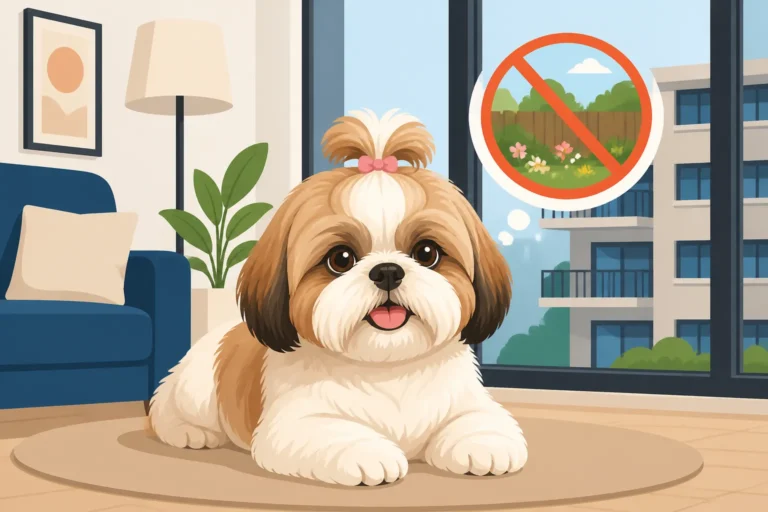
The constant cleaning, the lingering odors, and the feeling of never quite succeeding can wear down an owner's resolve. Especially if they live in an apartment without easy access to a yard or during bad weather, the ongoing battle with house training can lead to the Shih Tzu being confined to a small area or, sadly, surrendered to a rescue in hopes that someone else can crack the code. Many rescues are well-versed in resolving these issues with time, consistency, and positive reinforcement.
Barking, Chewing, and Other "Nuisance" Behaviors
Shih Tzus, despite their small size, are not immune to typical dog behaviors that can become problematic if not managed. Barking, chewing, digging, and even resource guarding can all contribute to an owner's decision to rehome their pet. What might start as cute puppy antics can quickly escalate into exasperating habits if not addressed with proper training and boundaries.
Take barking, for example. Shih Tzus can be quite vocal, especially if they're bored, lonely, or reactive to things outside the window. A dog that barks incessantly at every passerby or knocks at the door can quickly disrupt a household's peace. Similarly, chewing is a natural behavior for dogs, but if a Shih Tzu isn't provided with appropriate chew toys (like those found at Chewy!) or isn't taught what's acceptable to chew, your furniture or shoes might bear the brunt. These aren't malicious behaviors; they're often signs of boredom, anxiety, or simply a lack of understanding about household rules.
When owners don't understand why their Shih Tzu is displaying these behaviors, they often resort to punishment, which can worsen the problem or create new ones. Instead of teaching the dog what to do, they only focus on what not to do, leaving the dog confused and anxious. A rescue often receives Shih Tzus labeled as "unmanageable" or "untrainable," only to discover that with consistent positive reinforcement, mental stimulation, and a clear routine, these so-called nuisance behaviors significantly decrease or disappear entirely.
Lack of Socialization and Fear Aggression
Early socialization is crucial for any puppy, and Shih Tzus are no exception. Without proper exposure to various people, places, sounds, and other dogs during their critical developmental period, Shih Tzus can become fearful, anxious, or even aggressive. This isn't their fault; it's a consequence of missed opportunities in their formative months.
A Shih Tzu that hasn't been well-socialized might hide from guests, snap at children, or react negatively to other dogs. An owner might be embarrassed or overwhelmed by their dog's reactions, leading them to isolate the dog further, which only exacerbates the problem. For instance, A Shih Tzu and a Toddler in the Same Room can be a recipe for disaster if the dog isn't used to children and the child isn't taught how to interact gently. If the dog bites or lunges out of fear, the family might feel they have no option but to surrender it to ensure everyone's safety.
Rescues often see Shih Tzus who are terrified of new situations or people, mislabeled as "aggressive." These dogs usually just need patient, consistent work with positive reinforcement, and careful exposure to new experiences in a safe, controlled manner. With time, many fearful Shih Tzus can learn to trust and become wonderful companions, but it requires a level of dedication and expertise that some owners are simply not prepared to provide.
Life Changes and Incompatible Lifestyles
Life happens. People's circumstances change unexpectedly, and sometimes, these changes make it impossible to continue caring for a Shih Tzu, no matter how much they love their pet. These are often the most heartbreaking surrenders, as the owner is making a decision out of necessity rather than a lack of affection or effort.
Moving, New Jobs, and Housing Restrictions
One of the most common reasons pets are surrendered is a change in living situation. This is particularly true for people moving to a new city, taking a new job, or facing housing restrictions. Finding pet-friendly housing can be incredibly difficult, especially for renters. Many apartments or rental homes have breed restrictions, weight limits, or simply don't allow pets at all.
Imagine accepting a dream job in a new state, only to find that every affordable rental property prohibits dogs. Or, a landlord suddenly implements a new "no pets" policy in an existing building. Faced with the choice between a roof over their head and their beloved Shih Tzu, many owners are forced to make an impossible decision. Even moving internationally can be a huge hurdle, with complex pet import laws, quarantine periods, and astronomical costs that can make it unfeasible to bring a small dog along.
New work schedules can also play a role. A Shih Tzu thrives on companionship and routine. If an owner suddenly has to work 12-hour shifts or travel constantly, leaving their Shih Tzu alone for long stretches can lead to loneliness, anxiety, and behavioral issues. While options like dog walkers or doggy daycare exist, they add to the financial burden and might not be viable for every family. Sometimes, the kindest, albeit most painful, decision is to seek a new home where the Shih Tzu can receive the attention it needs.
New Babies or Existing Children
The arrival of a new baby is a joyous occasion, but it can also be a tumultuous time for a household pet. Many families underestimate the impact a newborn will have on their time, energy, and household dynamics. Suddenly, a Shih Tzu that once had free run of the house and constant attention might find itself relegated to the background, and conflicts can arise.
Some parents become overly cautious, fearing their small dog might somehow harm the baby, even if the dog has never shown aggression. They might worry about hygiene or simply not have the capacity to manage both a new infant and a demanding dog. If the Shih Tzu reacts poorly to the sudden shift in attention or the new noises and smells of a baby, perhaps by barking excessively or showing jealousy, the family might panic. Shih Tzu Behavior With Small Children is something that needs careful management, training, and supervision from the outset.
Similar issues can arise with existing children, especially if the Shih Tzu was acquired before the children were old enough to understand proper pet interactions. A child who pulls hair, pokes eyes, or rough-houses too much can lead to a stressed Shih Tzu, which might nip out of fear or pain. Rather than teach both child and dog how to coexist safely, some parents opt to remove the dog, believing it's the only way to ensure their child's safety.
Illness, Divorce, or Death in the Family
These are the truly heartbreaking reasons, the ones where an owner's love for their Shih Tzu isn't in question, but their ability to care for them is entirely stripped away by circumstances beyond their control. A severe illness or disability in an owner can make it impossible to provide the daily care, walks, and companionship a Shih Tzu needs. Someone confined to bed or dealing with chronic pain simply might not be able to manage a dog that needs brushing, potty breaks, and playtime.
Divorce is another frequent cause of surrender. During a contentious separation, pet custody can become a battleground, or neither party may be able to shoulder the responsibility or cost of the pet alone. The instability and stress of a divorce often mean the Shih Tzu loses its home in the upheaval. Perhaps one spouse travels for work and the other can't take on the full burden, especially if children are also involved.
And tragically, the death of an owner often leaves a Shih Tzu without a home. Elderly individuals, who frequently cherish their Shih Tzus as their closest companions, may pass away, leaving no provisions for their pet. Family members might be unable or unwilling to take on the responsibility, leading the beloved dog to a rescue. These are moments where rescues step in, offering a safe haven and the chance for a loving new start for a pet who has lost everything.
The Role of Irresponsible Breeding
While many owner surrenders stem from unforeseen life changes or misunderstandings, a significant portion of the Shih Tzu rescue population originates from irresponsible breeding practices. These practices often prioritize profit over the health and welfare of the dogs, leading to issues that owners are ill-equipped to handle.
Backyard Breeders and Puppy Mills
The demand for cute, fluffy puppies is high, and unfortunately, this demand is met by many individuals and operations who are not prioritizing the breed's health or temperament. Backyard breeders, often well-meaning but uneducated, breed dogs without proper health clearances, genetic knowledge, or understanding of responsible puppy raising. Puppy mills, on the other hand, are commercial breeding facilities that prioritize maximum profit with minimal expense, often housing animals in deplorable conditions.
Puppies from these sources are frequently sold to unprepared buyers, sometimes through online classifieds or pet stores, without any screening process. These puppies often miss crucial early socialization, are exposed to disease, and may carry genetic predispositions that responsible breeders screen for. The result? A puppy that may be fearful, sickly, or have behavioral challenges right from the start.
When owners realize the extent of these problems – perhaps a dog with severe anxiety or a chronic illness – they can become overwhelmed. Without the support or guidance of a responsible breeder (who often disappear once the sale is made), these owners are left to cope alone. Eventually, for some, the only perceived option is to surrender the dog to a rescue, which then bears the burden of rehabilitating and rehoming a dog that started life at a disadvantage.
Lack of Health Testing and Genetic Issues
Responsible breeders understand the importance of Health Testing a Shih Tzu Breeder Should Do. They screen their breeding dogs for common genetic conditions like hip dysplasia, patellar luxation, eye conditions, and certain kidney diseases, aiming to produce healthy offspring. This due diligence reduces the likelihood of puppies inheriting debilitating or costly health problems down the line.
However, backyard breeders and puppy mills rarely conduct these vital health tests. They breed indiscriminately, often leading to litters with a higher chance of developing serious, sometimes lifelong, health issues. A puppy might appear healthy at eight weeks, but as it grows, conditions like Renal Dysplasia and the Shih Tzu Kidney or severe patellar luxation might emerge, requiring expensive treatments and ongoing care. These issues can be devastating for an owner who wasn't expecting them and didn't budget for such extensive veterinary needs.
When a Shih Tzu from such a background presents with a severe or chronic health problem, the owner is often left with two difficult choices: spend thousands of dollars on treatment they didn't anticipate, or surrender the dog. Rescues often become the safety net for these dogs, taking them in, providing necessary medical care, and then finding adoptive families who are fully aware of and prepared for their specific health needs. This highlights why researching a breeder thoroughly is paramount before bringing a Shih Tzu home.
Unprepared Owners and Impulse Buys
The sheer cuteness of a Shih Tzu can sometimes lead to impulse purchases. People see a fluffy face online or in a pet store window and fall in love without truly understanding the long-term commitment, financial implications, or specific needs of the breed. They might not research the breed's grooming requirements, potential health issues, or temperament traits, leading to a huge mismatch down the road.
These unprepared owners, often buying from less-than-reputable sources, might not receive any guidance on puppy raising, house training, or socialization. They're left to figure it all out on their own, often making mistakes that contribute to behavioral problems or struggling to cope with the realities of Shih Tzu care. For example, if they don't understand Care & Nutrition: Daily Toothbrushing in a Crowded Shih Tzu Jaw or the importance of regular grooming, they could face significant issues.
When the reality of daily care, unexpected vet bills, or persistent behavioral issues sets in, the initial infatuation can fade, replaced by frustration and a feeling of being overwhelmed. Without the proper support or education, these owners might see surrendering their Shih Tzu to a rescue as their only recourse. Rescues then spend their resources educating potential adopters, ensuring that each Shih Tzu goes to a home that is truly prepared for the joys and challenges of owning this wonderful breed. Many even partner with pet supply companies like Chewy to help new owners get started with the right tools and information.
Here's a quick look at some of the most common reasons Shih Tzus end up in rescue:
| Category | Specific Reasons | Owner Impact | Dog Impact |
|---|---|---|---|
| Financial Strain | Vet bills, grooming costs, food, supplies | Stress, impossible choices | Neglect of care, poor health |
| Care Demands | Intensive grooming, daily brushing | Overwhelm, frustration, lack of time | Painful mats, skin issues, discomfort |
| Health Issues | Brachycephalic syndrome, eye problems, kidney | Emotional and financial burden | Chronic pain, suffering, extensive vet care |
| Behavioral Issues | House training accidents, barking, chewing | Frustration, resentment, damaged property | Anxiety, confusion, lack of boundaries |
| Life Changes | Moving, new baby, job changes, divorce, death | Heartbreak, difficult decisions | Loss of home, instability, grief |
| Poor Breeding | Puppy mills, backyard breeders, no health tests | Unpreparedness, unexpected costs, lack of support | Inherited health problems, poor socialization, fear |
It's clear that the reasons Shih Tzus end up in rescue are complex and varied, often a mix of preventable issues and unavoidable life circumstances. However, for every Shih Tzu that needs a new home, there's a dedicated rescue organization ready to step in, provide care, and work tirelessly to find them a loving, prepared forever family. If you're considering bringing a Shih Tzu into your life, whether from a breeder or a rescue, understanding these challenges beforehand is crucial. Doing your research, budgeting realistically, and committing to training and care can ensure your Shih Tzu never becomes one of the statistics seeking a second chance. Choosing to adopt from a rescue can also be an incredibly rewarding experience, offering a deserving dog the comfort and stability it truly needs.
Disclaimer
This article is for general informational purposes only and does not constitute professional advice. Laws, prices and regulations vary by location and change over time. Consult a qualified professional for guidance on your specific situation.