Fitting a Harness Around Shih Tzu Coat
It's a common dilemma for Shih Tzu parents: you want to keep your precious pup safe and comfortable on walks, but that gorgeous, flowing coat seems to be a magnet for tangles and mats the moment a harness touches it. It’s a real headache trying to find a harness that won’t rub, pull, or turn your meticulously brushed Shih Tzu into a matted mess after just one outing. This guide is here to walk you through how to properly select and fit a harness around your Shih Tzu's unique coat, ensuring their comfort and keeping their luxurious locks pristine.
Understanding the Shih Tzu Coat Challenge
The Shih Tzu's signature long, luxurious double coat is undoubtedly beautiful, but it comes with its own set of challenges, especially when it interacts with everyday items like harnesses. Owners often feel like they're fighting a losing battle against mats and discomfort, and it's not just in your head – there are specific reasons why this breed's coat requires special consideration.
The Double Coat Dilemma: Why It Mats So Fast
Your Shih Tzu's coat isn't just one layer; it's a double coat. This means they have a soft, dense undercoat for insulation and a longer, silkier outer coat that gives them their distinctive appearance. While lovely, this combination is incredibly prone to matting and tangling, almost as if it's their natural state! When pressure is applied to these layers, especially in areas where friction occurs, the hairs can intertwine and felt together rapidly. A harness, by its very design, creates constant pressure and friction against the coat, particularly around the chest, shoulders, and belly. This makes the area underneath the straps a prime target for tight, painful mats.
Think about it: every time your Shih Tzu moves, the harness shifts slightly, rubbing the hairs against each other. This constant agitation, combined with the natural shedding of the undercoat that gets caught in the outer layer, forms knots that can quickly escalate into full-blown mats. And once a mat starts, it’s a race against time to prevent it from growing larger and pulling on your dog's skin. You can read more about why this happens in Why a Shih Tzu Double Coat Mats So Fast. Maintaining a daily brushing routine, as discussed in Brushing a Shih Tzu Double Coat Every Day, is absolutely critical, but even with that, an ill-fitting harness can undo all your hard work in minutes.
Sensitive Skin and Delicate Structure
Beyond the coat itself, Shih Tzus often have quite sensitive skin. The constant rubbing from a poorly fitted harness can lead to irritation, redness, and even painful hot spots, especially during warmer weather or if the harness gets damp. These hot spots can be hidden by their dense coat, making them difficult to spot until they become quite severe. A Shih Tzu scratching incessantly under their harness could be a sign of this irritation. Furthermore, their unique brachycephalic (flat-faced) structure means their airways are already a bit compromised compared to breeds with longer muzzles. A harness that puts any pressure on their neck or throat can exacerbate breathing difficulties, even if it feels harmless to you. This is why many vets and breeders advocate strongly for harnesses over collars for Shih Tzus, as explored in Why a Shih Tzu Should Wear a Harness Not a Collar. Ensuring that the harness distributes pressure evenly across the chest, away from the delicate throat, is paramount for their comfort and health.
The skin under their coat, particularly in areas like the armpits and chest, can be very delicate. If a harness strap is too narrow, too rough, or simply doesn't sit right, it can dig in, causing chafing and discomfort. Imagine wearing a backpack with straps that constantly rub you raw – that's how it can feel for your Shih Tzu. Identifying Where a Shih Tzu Mats First can help you focus your harness selection and fitting efforts.
Choosing the Right Harness Style for a Shih Tzu
Selecting the right harness for a Shih Tzu isn't just about picking a pretty color; it's about understanding which designs best accommodate their body shape and coat type while ensuring maximum comfort and safety. There are several styles on the market, each with its own advantages and disadvantages.
Step-In vs. Overhead Harnesses
When it comes to putting a harness on your Shih Tzu, you'll generally encounter two main types: step-in and overhead.
Step-In Harnesses: These are often favored by Shih Tzu owners because they avoid having to go over your dog's head, which can be less stressful for some dogs and better for their delicate eyes. With a step-in harness, your Shih Tzu simply steps their front paws into two loops, and then the harness buckles over their back. This design typically has straps that go around the chest and behind the front legs. The main benefit here is less manipulation of their head and face, which can be a plus if your Shih Tzu is wary of things coming towards their face or if they have Shih Tzu Eye Proptosis, the Emergency Owners Miss concerns. However, it's crucial that the straps around the armpits are wide enough and well-padded to prevent rubbing and matting in this friction-prone area.
Overhead Harnesses: These harnesses slip over your dog's head, with a buckle typically around the chest or belly. While they might seem less intuitive for some, many designs offer excellent adjustability and can distribute pressure very effectively across the chest. The key here is to find one with a wide neck opening that doesn't put pressure on their windpipe, especially important for a brachycephalic breed like the Shih Tzu who might already struggle with The Elongated Soft Palate in a Shih Tzu. Look for designs where the neck strap is adjustable and sits low on the chest, rather than high up on the throat. Some owners find these easier to get on a squirming puppy once they're used to it, and products like those from BAXTER & Bella often emphasize positive reinforcement for getting dogs accustomed to gear.
Here's a quick comparison:
| Feature | Step-In Harness | Overhead Harness |
|---|---|---|
| Ease of Use | Generally easier to put on, no need to go over head. | Requires slipping over head, might be challenging for some dogs. |
| Neck Pressure | Minimal to no direct neck pressure. | Can put pressure on the throat if ill-fitted or poor design. |
| Armpit Rubbing | Potential for rubbing if straps are narrow or loose around armpits. | Less common if chest piece is wide and well-designed. |
| Coat Interaction | Straps across the chest and behind legs can rub if not wide/padded. | Chest plate designs can spread out contact, minimizing coat friction. |
| Escape Proof | Some designs can be easier to back out of if not snug. | Can be very secure if properly fitted and well-designed. |
Material Matters: Fabric Choices for Coat and Comfort
The material of the harness plays a huge role in preventing matting and ensuring your Shih Tzu's comfort. Rough, thin materials can wreak havoc on a delicate coat and sensitive skin.
- Soft, Breathable Mesh: This is often a fantastic choice for Shih Tzus. Mesh harnesses are lightweight, breathable, and less likely to snag fine hair than coarser fabrics. They also dry quickly, which is a bonus if your Shih Tzu likes to splash or gets caught in the rain. Look for mesh that feels soft to the touch, not stiff or scratchy. Many reputable brands offer mesh harnesses on platforms like Amazon.
- Fleece-Lined or Padded Nylon: Nylon is durable, but plain nylon straps can sometimes cut into the coat or skin. Look for harnesses that are lined with soft fleece or have generous padding on the inside of the straps, especially where they contact the body. This extra cushioning provides a buffer between the harness and your dog's coat, significantly reducing friction and the risk of matting and chafing.
- Webbing Width: Pay attention to the width of the straps. Thinner straps are more likely to dig into the coat and create pressure points that lead to mats. Wider, flatter straps distribute pressure over a larger area, which is always better for a Shih Tzu's coat and comfort. While you're at it, consider Shih Tzu Ear and Skin Infections Under the Coat, as prolonged rubbing from an inappropriate harness could potentially exacerbate skin issues.
Essential Features for a Shih Tzu Harness
Beyond style and material, specific features can make a harness much more suitable for your Shih Tzu:
- Adjustability: A good harness will have multiple adjustment points – usually around the neck and chest/belly. This is non-negotiable for a Shih Tzu, as it allows you to get a custom, snug fit that doesn't rub or allow room for escape. Remember, your Shih Tzu's weight can fluctuate, and coat length changes between grooms, so adjustability ensures a consistent good fit.
- D-Ring Placement: The D-ring, where you attach the leash, should ideally be on your Shih Tzu's back, between their shoulder blades. This placement helps distribute any pulling force across their chest and back, rather than concentrating it on their neck. Front-clip harnesses (with a D-ring on the chest) can be helpful for training purposes to reduce pulling, but ensure the chest strap itself is wide and comfortable and doesn't impede their natural gait or put pressure on their delicate airway.
- No-Pull Design (Optional): While primarily designed for larger dogs, some Shih Tzus can be enthusiastic pullers. If your pup pulls on walks, a no-pull harness might be an option. These often have a front clip, which redirects your dog when they pull, gently turning them to the side. Again, pay close attention to the comfort and fit of the chest strap for a brachycephalic breed.
- Quick-Release Buckles: These make putting on and taking off the harness much easier, reducing the time your Shih Tzu has to stand still and minimizing any stress associated with the process.
Step-by-Step Guide to Fitting a Harness for a Shih Tzu
Once you've chosen a harness that seems promising, the next critical step is ensuring it fits perfectly. An ill-fitting harness, no matter how well-designed, can still cause discomfort and coat damage.
Preparation is Key: Brushing and Positive Reinforcement
Before you even think about buckling up, you need to prepare your Shih Tzu and the harness. This is where a little forethought can save a lot of frustration (and mats!).
First, brush your Shih Tzu thoroughly. This is absolutely non-negotiable. Any tangles or loose undercoat that are already present will be compressed and tightened by the harness, quickly turning into stubborn mats. Use a good slicker brush and comb to ensure their coat is as smooth and knot-free as possible, especially around the areas where the harness straps will sit – the chest, armpits, and back. Getting a Shih Tzu Used to a Slicker Brush can make this process much smoother. If your dog isn't used to brushing, making it a positive experience with treats and praise is vital.
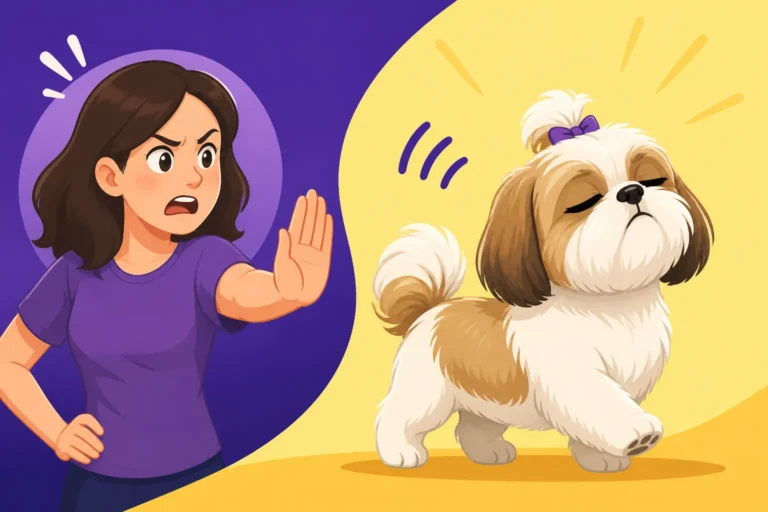
Next, make the harness a positive experience. Many Shih Tzus, especially puppies or those not accustomed to harnesses, might be a bit wary. Let them sniff the harness, place it on the floor with a treat on it, or use gentle, encouraging words. Training resources like BAXTER & Bella often emphasize breaking down new experiences into small, positive steps. Start by just putting the harness on for a few seconds, then taking it off and rewarding them. Gradually increase the time they wear it. Never force it, as a negative early experience can make future harness wear a battle. If your Shih Tzu is showing signs of resistance, you may want to revisit A Shih Tzu That Refuses the Harness.
The Two-Finger Rule and Beyond: Achieving the Perfect Fit
The "two-finger rule" is a good starting point for harness fitting, but for a Shih Tzu, you might need a little extra nuance.
- Place the Harness: Gently put the harness on your Shih Tzu according to its style (step-in or overhead). If it's an overhead harness, ensure the neck opening is wide enough to slip over their head without snagging ears or pulling hair.
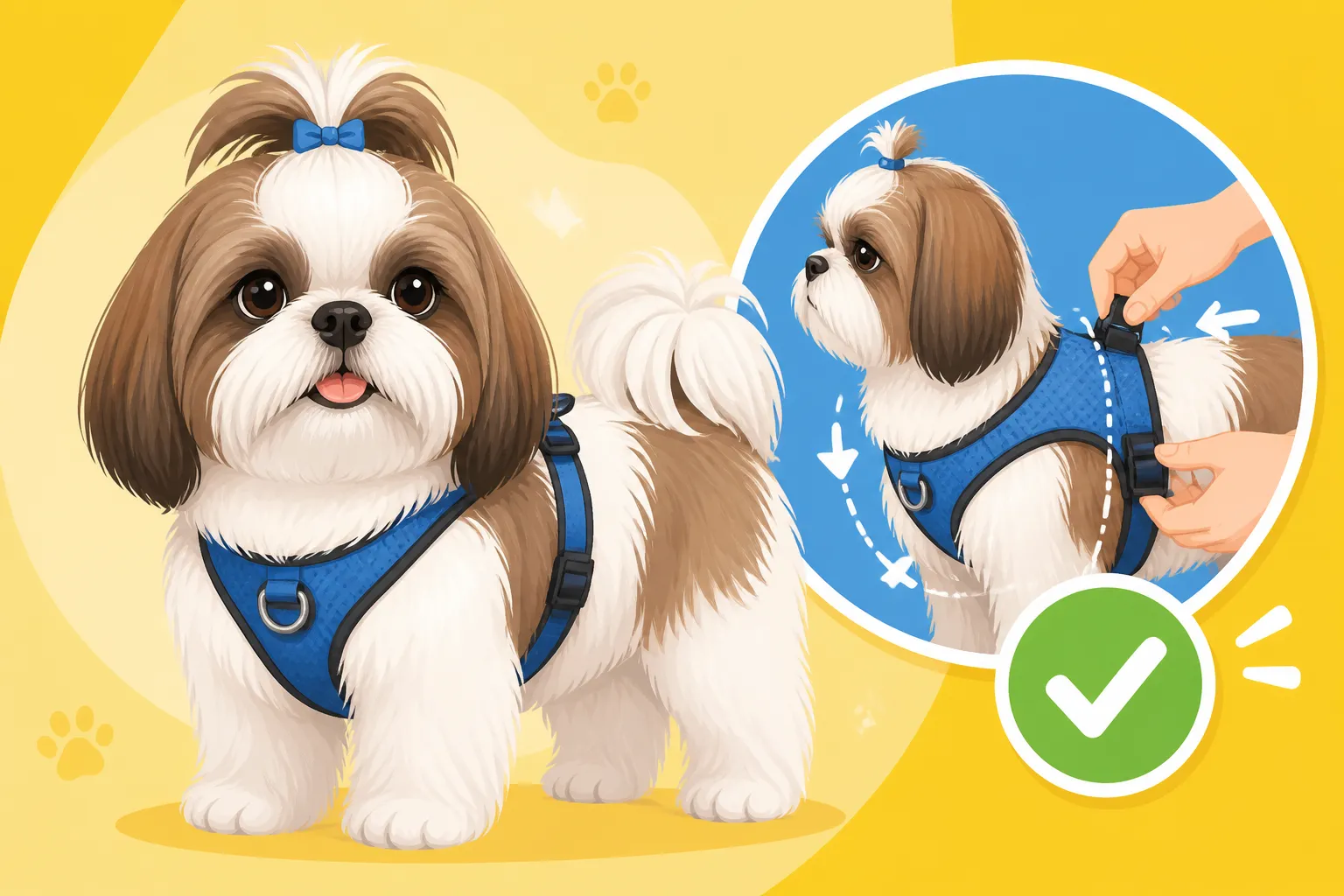
- Adjust the Neck Strap (for overhead harnesses): This is crucial for a brachycephalic breed. The neck strap should sit low on the chest, away from the throat and windpipe. You should be able to comfortably slip two fingers flat underneath the strap. If it's higher or tighter, it could restrict breathing or cause discomfort, especially if your Shih Tzu pulls. This is key to preventing issues like Tracheal Collapse and the Shih Tzu Honk.
- Adjust the Chest/Girth Strap: This strap goes around your Shih Tzu's rib cage, just behind their front legs. Again, the two-finger rule applies here. You want it snug enough that it won't slip or allow your dog to back out, but loose enough that it doesn't chafe or restrict movement. This means it shouldn't be so tight that it compresses their fur or skin, but not so loose that it sags.
- Check for Armpit Clearance: This is perhaps the most important point for Shih Tzus. The strap that goes behind their front legs must have adequate clearance from the armpits. If the strap is too close to the armpit, it will rub and cause painful chafing and severe matting. Ideally, you want at least two finger-widths of space between the strap and your Shih Tzu's armpit. Some harnesses have an adjustable strap that connects the neck and girth straps on the back, allowing you to fine-tune this distance.
- Observe Movement: Once the harness is on and adjusted, let your Shih Tzu walk around for a few minutes indoors. Watch for any signs of discomfort: rubbing, skin bunching, altered gait, or excessive scratching. The harness should not restrict their shoulder movement in any way.
Checking for Hot Spots and Rubbing After Walks
Even with a perfect initial fit, continuous monitoring is essential. The beautiful, dense coat of a Shih Tzu can hide problems, and what seems comfortable initially might cause issues after a longer walk or in different weather conditions.
After every walk, especially in the first few weeks of using a new harness, take a few minutes to do a thorough check:
- Remove the Harness and Examine the Coat: Immediately after removing the harness, run your fingers through your Shih Tzu's coat underneath where the straps were. Feel for any signs of new mats forming. If you find small tangles, gently work them out with your fingers or a comb right away before they become bigger problems.
- Inspect the Skin: Gently part the fur and look at their skin in the harness contact areas, particularly the armpits, chest, and along the spine. Look for any redness, irritation, bald spots, or sores. These are signs that the harness is rubbing or the fit is incorrect. These areas are prone to Shih Tzu Skin Allergies and Hot Spots generally, so adding a rubbing harness can make things much worse.
- Check for Dampness: If your Shih Tzu got wet or sweaty during the walk, ensure their coat under the harness is completely dry. Damp fur can increase friction and accelerate matting.
If you consistently find matting in specific spots, consider if a different harness style or material might be better. Perhaps a wider strap or a fleece-lined option could reduce friction. Remember, your Shih Tzu's comfort and health are the top priorities.
Maintaining Coat Health with Regular Harness Use
Using a harness doesn't have to mean a matted, uncomfortable Shih Tzu. With consistent care and attention to detail, you can keep their coat healthy and ensure their harness remains a tool for safe and enjoyable walks.
Daily Coat Checks: Essential for Preventing Mats
This cannot be stressed enough: daily coat checks are critical when your Shih Tzu regularly wears a harness. Even if your harness fits perfectly, the sheer volume and texture of their double coat mean that mats can still start to form, especially if any dirt or debris gets caught in the fur under the straps.
Make it a part of your daily routine. After your last walk of the day, or during your regular grooming session, pay special attention to the areas where the harness sits: under the front legs, across the chest, and along the back. Gently run a comb through these areas, working small sections at a time. If you feel any resistance or small tangles, work them out immediately using a detangling spray and a wide-toothed comb before they tighten into full-blown mats. Ignoring small tangles will lead to bigger, more painful problems that may require professional dematting or even shaving, as mentioned in When a Shih Tzu Mat Has to Be Shaved Out. Regular, gentle brushing will also help distribute natural oils, keeping the coat healthier and less prone to tangles overall. For Shih Tzu puppies, incorporating this into Shih Tzu Puppy Training Month by Month is a great habit to build.
Harness Rotation and Cleaning: Keeping Things Fresh
Just like we rotate our clothes, rotating harnesses can benefit your Shih Tzu's coat and skin. Having two or three harnesses that you can swap out allows each one to air out and be cleaned regularly.
- Regular Cleaning: Harnesses can accumulate dirt, sweat, and oils from your dog's coat and the environment. This buildup can not only irritate sensitive skin but also contribute to matting by making the fur sticky or dirty. Follow the manufacturer's instructions for cleaning; most fabric harnesses can be hand-washed with a mild, pet-safe detergent and air-dried. Ensure they are completely dry before putting them back on your dog.
- Rotation: Using a clean harness each time reduces the buildup of grime against the coat. If your Shih Tzu has particularly sensitive skin or is prone to A Shih Tzu Scratching Under a Full Coat, having fresh, clean harnesses can make a significant difference in preventing skin irritation.
- Inspect for Wear and Tear: While cleaning, take a moment to inspect the harness for any signs of wear, fraying, or damage to the buckles. A damaged harness could fail when you least expect it, or a rough edge could start to rub and cause problems for your Shih Tzu. If a harness is showing significant wear, it's time to replace it. Finding durable, yet comfortable harnesses is easy on platforms like Amazon, offering a wide variety of styles and materials.
The Benefits of a Well-Fitted Harness: Safety and Comfort
Despite the extra effort required to maintain a Shih Tzu's coat with harness use, the benefits of a well-fitted harness far outweigh the challenges. Primarily, a harness offers superior safety and comfort compared to a collar for this breed.
A harness distributes pressure across your Shih Tzu's chest and shoulders, rather than concentrating it on their delicate neck and throat. This is crucial for a brachycephalic breed, preventing strain on their trachea and making breathing easier during walks, particularly if they get excited or pull. Imagine the relief for a dog with an already compromised airway, not having any pressure on their throat! Furthermore, a secure harness makes it much harder for your nimble Shih Tzu to slip out of it, reducing the risk of them darting into traffic or getting lost.
When fitted correctly and maintained with regular coat care, a harness becomes an indispensable tool for safe, comfortable, and enjoyable outings for both you and your beloved companion. It ensures that your little lion dog can explore the world beside you without discomfort, matting, or risk to their delicate neck and eyes, allowing you to focus on the joy of your time together.
Disclaimer
This article is for general informational purposes only and does not constitute professional advice. Laws, prices and regulations vary by location and change over time. Consult a qualified professional for guidance on your specific situation.