A Shih Tzu That Refuses the Harness
It can be incredibly frustrating when your sweet Shih Tzu acts like they're being fitted for a medieval torture device every time you pull out their harness. You just want to take them for a nice walk or a trip to the vet, but the battle to get that contraption on feels like a daily struggle, leaving both of you stressed. This guide is here to help you understand why your Shih Tzu might be resisting their harness and provide gentle, effective strategies to turn harness time into a calm, even enjoyable, routine.
Why Your Shih Tzu Says "No Thanks" to the Harness
When your little lion dog stiffens, shakes, or tries to dart away the moment the harness appears, it's not usually out of spite. There's often a very good reason for their reluctance, rooted in discomfort, fear, or simply a lack of positive association. Understanding these underlying causes is the first step toward finding a solution that works for both of you.
Fear and Negative Associations
Think about it from your Shih Tzu's perspective. They are small creatures, and having something placed over their head or wrapped around their body can feel imposing, especially if they haven't been introduced to it properly. Perhaps they had a bad experience in the past – maybe a buckle pinched them, or a previous owner forced it on them. These single moments can create lasting negative associations. For a sensitive breed like the Shih Tzu, any perceived threat or discomfort can lead to a strong avoidance response.
Imagine a sudden loud noise associated with the harness, or a time they were startled while wearing it. These seemingly small incidents can cement a feeling of anxiety around the object itself. It’s not just about the physical sensation; it's the anticipation of an unpleasant experience. This is why a calm, reassuring approach is paramount, especially if you're dealing with an older Shih Tzu who might have a history you're unaware of, perhaps from a rescue situation.
Discomfort or Improper Fit
This is a huge one, especially for a breed with such a unique physical build and luxurious coat. A harness that pinches, rubs, or restricts movement will absolutely be rejected. Shih Tzus have delicate tracheas, brachycephalic (flat) faces that can make some chest pieces uncomfortable, and a long, flowing coat that can easily get caught in buckles or rub raw if the harness isn't designed well. A harness that’s too tight can restrict their breathing or cause painful chafing under their legs or around their neck. One that’s too loose, on the other hand, can allow them to slip out, which is a scary experience for everyone involved and will only make them more resistant next time.
Additionally, consider the material. A stiff, scratchy fabric might irritate their skin, especially if they have sensitivities. Even the weight of the harness can be a factor for a smaller Shih Tzu. We want them to feel secure and comfortable, not like they're wearing a heavy backpack or a straitjacket. Checking if it's causing Harnesses That Do Not Mat a Shih Tzu Coat is also crucial, as uncomfortable mats can quickly form and make the experience painful.
Lack of Early Exposure
For many Shih Tzu puppies, their first few months are spent in a safe, warm environment, often with limited exposure to the outside world or handling routines like harness wearing. If a puppy isn't introduced to wearing a harness during their critical socialization period (roughly 3-16 weeks), it can become a much bigger deal later on. They might not understand what it is, what it's for, or how it feels. This isn't stubbornness; it's simply a lack of familiarity and positive conditioning.
Without that gentle introduction, a harness can be perceived as strange, confining, or even scary. Imagine suddenly having an unfamiliar object placed on your body without any prior warning or positive association—you’d probably react with surprise or resistance too! For this reason, starting early with puppies, even just letting them sniff the harness and giving treats, can make a world of difference. Even for adult Shih Tzus, we're essentially going back to basics and creating those foundational positive experiences they might have missed.
Gentle Introduction to the Harness
The key to overcoming harness refusal is patience and positive reinforcement. We want to transform the harness from a scary object into something that signals good things are about to happen. This isn't a race; it's a marathon, measured in tiny, positive steps. Remember the philosophy of "five minute sessions with a Shih Tzu," keeping everything brief and upbeat.
Making the Harness a Positive Object
First things first, let's change your Shih Tzu's emotional response to the harness. Don't just grab it and approach them. Instead, leave the harness out in a visible, non-threatening spot in your home for a few days. Let them sniff it, walk around it, and get used to its presence without any pressure. You can even place high-value treats (think tiny pieces of cooked chicken or cheese) on or near the harness. Every time they voluntarily approach it, drop a treat. This helps them associate the harness with delicious rewards.
Another trick is to play some gentle games near the harness, tossing a favorite toy near it, or doing some simple obedience cues like "sit" or "stay" with the harness nearby, always rewarding with praise and treats. The goal is for them to see the harness not as an instrument of confinement, but as a neutral, or even exciting, part of their environment. You can find a wide variety of suitable training treats in appropriate Treat Sizes That Suit a Shih Tzu on platforms like Amazon.
Gradual Introduction to Wearing
Once your Shih Tzu seems comfortable with the harness just being around, you can start the process of actually putting it on. Break it down into the tiniest possible steps:
- Touch and Treat: Hold the harness in your hand. Gently touch the harness to your Shih Tzu's body for just a second, then immediately give a treat and praise. Repeat this a few times, gradually increasing the duration of the touch. Focus on the areas where the harness will sit, like their back or chest.
- Head Through (if applicable): If it's an over-the-head style, gently hold a treat on the other side of the head opening. Lure their head through, give the treat, and immediately remove the harness. Make it quick and positive. If they're hesitant, just getting their nose near the opening is a win worthy of a treat. If it's a step-in harness, guide one paw in, treat, then remove.
- Fasten and Release: Once they're okay with their head going through or paws stepping in, get one buckle fastened for a second, then unfasten and treat. Gradually increase the number of buckles and the time they are fastened. Do not worry about fitting it perfectly at this stage; just get it on and off.
- Short Wear Times: When they tolerate the harness being fully on and buckled, let them wear it for just a minute or two indoors. Distract them with play or a special chew toy. Then, take it off and give more praise and treats. Slowly increase the duration, always making sure it's a positive experience. Remember that Why a Shih Tzu Should Wear a Harness Not a Collar is important for their delicate neck, so this training is truly worthwhile.
Rewarding Acceptance
Every single step in this process, no matter how small, should be rewarded lavishly. Use their favorite treats, enthusiastic praise, and gentle petting. The moment they show any sign of tolerance or cooperation – a sniff, a lack of pulling away, standing still for a second – mark that behavior with a "good dog!" and a treat. If they start to show signs of stress (lip licking, yawning, turning away, tensing up), take a step back. Stop, give them a break, and resume at an easier stage later. This positive reinforcement approach is crucial; remember that Why Harsh Corrections Shut a Shih Tzu Down can actually make them more resistant and fearful.
Consider exploring resources like BAXTER & Bella, which often emphasize positive reinforcement training methods that can be adapted for harness acceptance. Consistency is key here. Make harness time a predictable, happy event. You might even create a specific "harness treat" that they only get when the harness comes out.
Troubleshooting Common Harness Refusal Issues
Even with the most patient approach, you might encounter specific sticking points. Shih Tzus are smart, and they’re good at letting us know when something isn’t quite right. Let’s tackle some common challenges.
The "Statue Dog" Syndrome
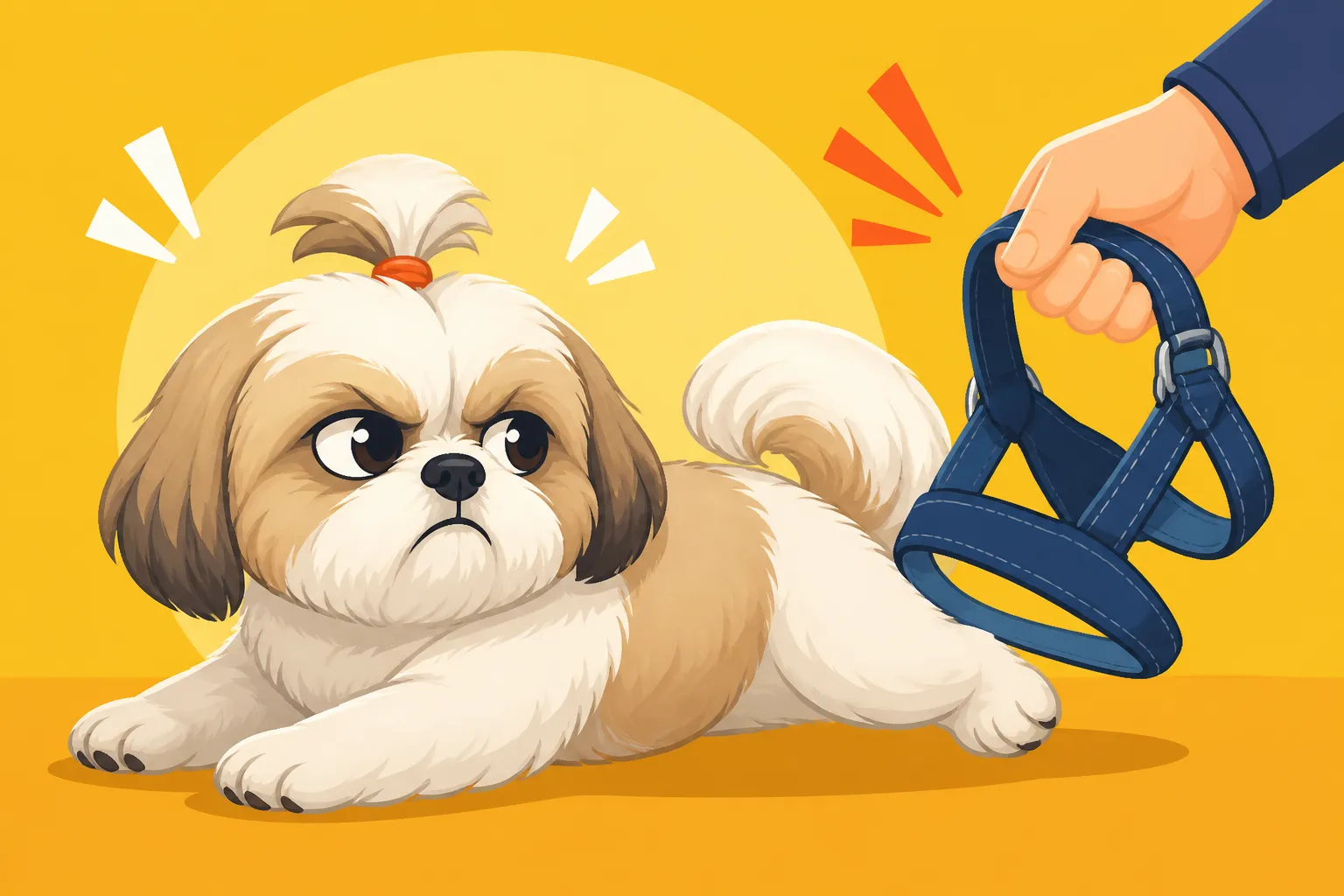
This is where your Shih Tzu goes completely limp, freezes, or flops onto the ground the moment the harness is on, refusing to move a muscle. It’s their way of saying, "I'm not doing this!" This often stems from feeling overwhelmed or uncomfortable. The solution here is often to make the harness even more positive and to start associating it immediately with something incredibly exciting.
First, ensure the harness fits perfectly and isn't pinching. Then, try putting the harness on right before mealtime or before a super exciting play session with their favorite toy. Clip the leash on (even if you're just inside) and immediately go to their food bowl or start playing a game. If they take even one step, praise and treat them like they just won an agility competition. Keep the initial "walks" (even if they are just a few steps across the living room) very short and high-reward. For a Shih Tzu, even just wearing it while you give them a special Kong stuffed with peanut butter can help break the "statue" habit. This shows them that movement in the harness leads to good things, rather than just being a stiff, uncomfortable experience.
Nipping or Biting During Harnessing
A Shih Tzu nipping or trying to bite when you attempt to put on their harness is a clear sign they are very uncomfortable or fearful. It's their attempt to communicate "back off" in the only way they know how. This is not aggression for aggression's sake; it's a defense mechanism. It means you've likely progressed too quickly, or the harness itself is causing pain or intense fear.
Immediately stop any attempts to force the harness. Go back to the very first steps: harness on the floor, treats on the harness. Only once your Shih Tzu is relaxed and voluntarily approaching the harness should you proceed. When you do try to touch them with it, go extremely slowly. If they even think about nipping, stop, give them space, and try again when they are calmer. You might need to teach them a "chin rest" or "touch" cue that allows you to handle their head and neck area gently, rewarding heavily for cooperation. If the nipping is severe or you feel unsafe, it's wise to consult a professional positive reinforcement trainer. They can guide you through desensitization and counter-conditioning techniques to build a positive association safely. Remember, they are signaling distress, not defiance. A Shih Tzu That Bites During Eye Wiping highlights a similar struggle with handling.
Escaping the Harness
Some Shih Tzus are master escapologists, wiggling out of their harness with impressive speed and dexterity. This is incredibly dangerous, as a loose dog can quickly get lost or injured. Their ability to slip out usually points to one of two things: either the harness doesn't fit correctly, or they are highly motivated to get it off due to discomfort or fear.
First, double-check the fit. Many owners have their Shih Tzu's harness too loose, especially around the neck and chest. A good rule of thumb is that you should only be able to comfortably slide two fingers under any strap. If you can fit more, it's too loose. Look for harnesses with adjustable straps in multiple places (neck, chest, girth) to ensure a snug, escape-proof fit. Many Shih Tzu owners find that certain H-style harnesses or vest harnesses with dual closures are more secure. Once you have a properly fitted harness, continue with positive reinforcement to make them want to wear it. The more comfortable and happy they are in it, the less motivation they'll have to escape. Exploring how to ensure Fitting a Harness Around Shih Tzu Coat is vital to prevent both escapes and matting.
Choosing the Right Harness for a Shih Tzu
The world of dog harnesses can be overwhelming, but for a Shih Tzu, certain styles and features will make a big difference in their comfort and your success. Selecting the right gear is as important as the training itself.
Harness Types Best Suited for Shih Tzus
Given their delicate tracheas and propensity for breathing issues (being a brachycephalic breed), a harness is almost always preferred over a collar for a Shih Tzu. Why a Shih Tzu Should Wear a Harness Not a Collar is a crucial topic for any Shih Tzu owner. When looking at harnesses, consider these types:
- H-Style Harnesses: These are often a good choice. They have a strap that goes around the neck and another around the chest/girth, connected by a strap along the back and usually one underneath. This design distributes pressure across the chest and shoulders, away from the neck. They are highly adjustable and often comfortable for Shih Tzus.
- Vest Harnesses: These harnesses are made of a wider fabric panel that covers more of the chest and back, often closing with Velcro and a buckle. Many Shih Tzus find these very comfortable as the pressure is spread over a larger area, reducing rubbing. They can also be a good option for dogs who dislike straps. Just ensure the vest material is breathable to prevent overheating, especially under a thick coat.
- Step-In Harnesses: These are popular for dogs who dislike having things go over their head. Your Shih Tzu simply steps into two leg holes, and then the harness pulls up and buckles over their back. They are generally easy to put on but may not be as escape-proof for determined wrigglers if not perfectly fitted.
Avoid any harness that puts pressure directly on the neck or constricts their shoulders. The goal is free movement and clear breathing.
Measuring for a Perfect Fit
This step cannot be overstated. An ill-fitting harness is almost guaranteed to cause refusal. You'll need a flexible measuring tape (often available on Amazon if you don't have one). Here's how to measure:
- Chest/Girth: Measure around the widest part of your Shih Tzu's rib cage, just behind their front legs. This is the most critical measurement.
- Neck: Measure the circumference of their neck where a collar would naturally sit, but remember the harness should sit below this point on their chest for safety. For an H-style, you're looking for the length from the sternum up over the shoulders to the base of the neck.
- Back Length (Optional but helpful): For vest-style harnesses, knowing the length from the base of the neck to the start of the tail can help ensure adequate coverage without hindering tail movement.
Compare these measurements to the sizing chart provided by the harness manufacturer. Always err on the side of slightly larger if your Shih Tzu is between sizes, as most harnesses have good adjustability. If you can only fit one finger under the strap, it's too tight. If you can fit three or more, it's too loose.
Materials and Design Considerations
Beyond the style, the material and design details of the harness are important for a Shih Tzu:
- Soft and Breathable Materials: Look for harnesses made from soft, lightweight, and breathable fabrics like mesh or padded nylon. These will prevent rubbing and keep your Shih Tzu comfortable, especially if they have sensitive skin or a thick coat.
- Rounded Edges and Covered Seams: Sharp edges or exposed seams can irritate the skin and coat. Choose harnesses with soft, rounded edges and ideally, covered seams for maximum comfort.
- Strong, Yet Lightweight Hardware: The buckles and D-rings should be sturdy enough to be secure but not so heavy that they weigh down your small Shih Tzu. Plastic buckles are often lighter than metal, but ensure they are good quality.
- Reflective Strips: While not directly related to refusal, reflective elements are a great safety feature for evening walks, making your Shih Tzu more visible.
- Multiple Adjustment Points: The more places you can adjust the harness (neck, chest, girth), the better you can customize the fit for your unique Shih Tzu shape.
Making a careful choice and then diligently training your Shih Tzu to love their harness will pave the way for many happy, comfortable walks together. It might take time, but the peace of mind knowing your little companion is safe and happy is truly priceless.
Harness Training Progress Chart
To help visualize the journey and track progress, here's a simple chart you can use:
| Step | Goal | Rewards | Signs of Readiness for Next Step |
|---|---|---|---|
| 1. Familiarization | Harness is a neutral/positive object | Treats near/on harness, praise | Approaches harness willingly, sniffs, no tension |
| 2. Touch & Treat | Accepts harness touching their body | High-value treats, verbal praise | Stands still for brief touches, no pulling away |
| 3. Head/Paw Through | Tolerates head through opening / paws in holes | Continuous treats, "good dog" | Head/paws go through with minimal hesitation, focus on treat |
| 4. Buckle & Release | Tolerates brief buckling | Quick treat burst, enthusiastic praise | Stands still while one buckle is fastened for a second |
| 5. Short Wear Times (Indoor) | Wears harness for 1-5 minutes indoors | Play, special chew, favorite toy, treats | Ignores harness, relaxed posture, plays normally |
| 6. Attach Leash (Indoor) | Tolerates leash clip, short indoor "walks" | Exciting play/treats, "let's go!" | No freezing or resistance to leash attachment, takes a few steps |
| 7. Outdoor Intro (Brief) | Wears harness & leash for very short outdoor trips | Exploratory sniffs, high-value treats | Walks a few steps outside calmly, no pulling back |
| 8. Regular Use | Consistently comfortable during walks | Continued praise, joy of the walk | Eagerly approaches harness, happy to go out |
This systematic approach, coupled with extreme patience, will slowly but surely build a positive association with the harness for your Shih Tzu. Remember to always end on a good note, even if it means just one successful step for the day.
Disclaimer
This article is for general informational purposes only and does not constitute professional advice. Laws, prices and regulations vary by location and change over time. Consult a qualified professional for guidance on your specific situation.